
2001 Dry Van Trailers For Sale in New York
Compare 2001 dry van trailers for sale in New York by frame corrosion, floor strength, door clearance, and route suitability for regional freight.
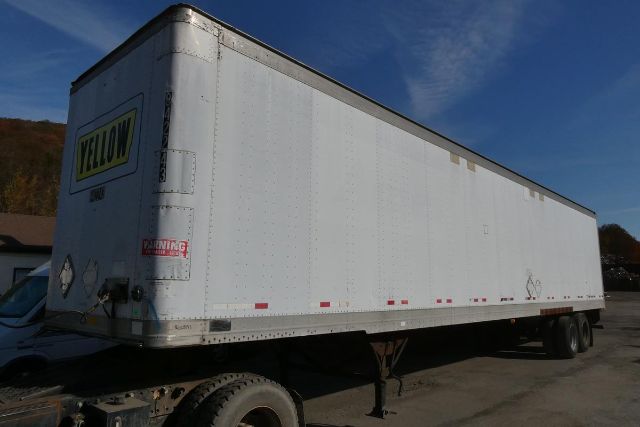
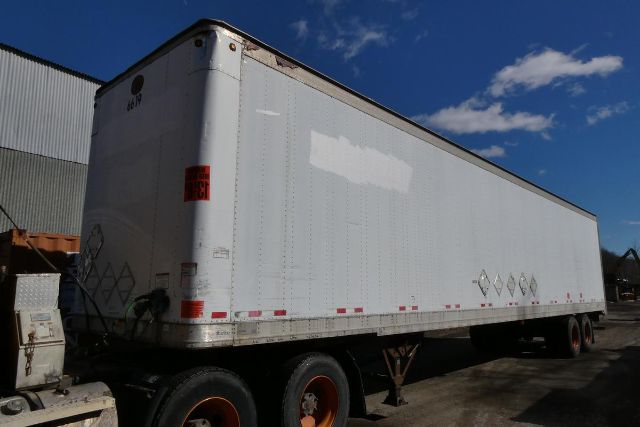
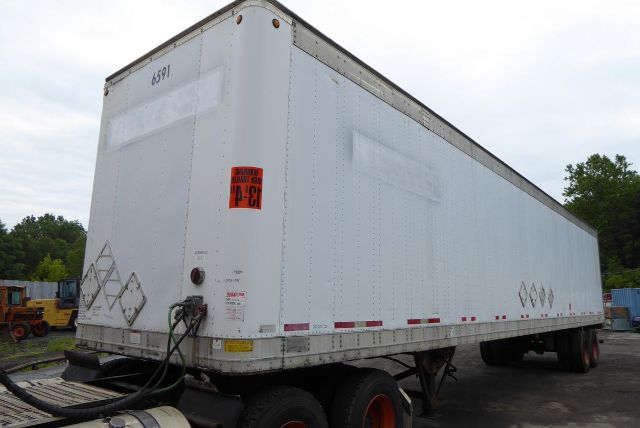
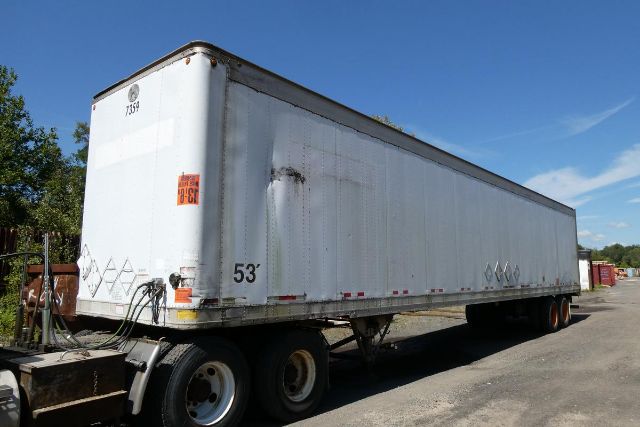
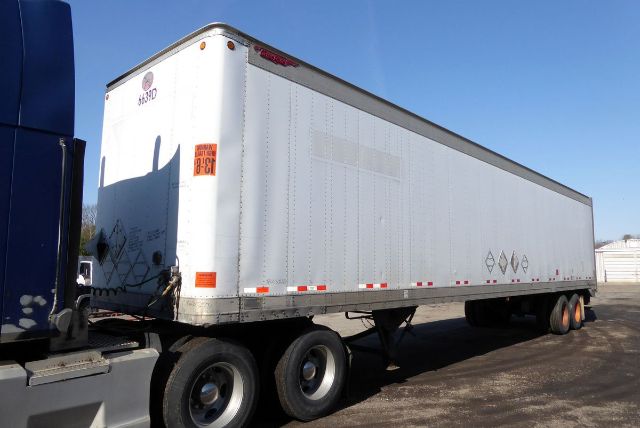
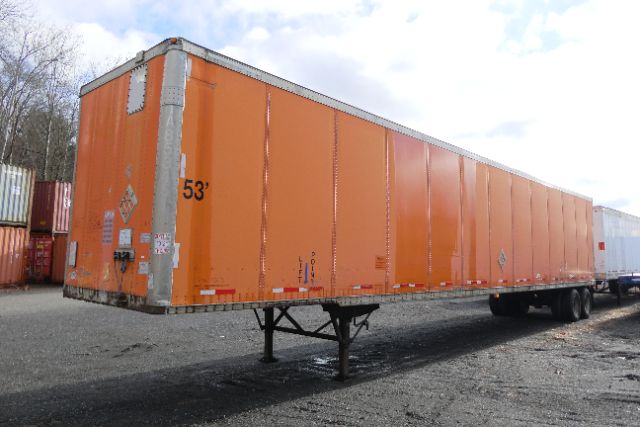
Selling a 2001 dry van trailer? List your 2001 dry van trailer for sale and reach thousands of commercial buyers.
2001 Dry Van Trailers in New York
Choose length, door style, and suspension around the freight rather than the badge. Across makes such as Great Dane and Wabash, 2001 builds include aluminum sheet-and-post bodies, wood floors, sliding tandems, and either spring or air-ride suspension. A 48-foot van can suit regional distribution where dock space is limited; a 53-foot van provides more usable floor length for lighter, bulky freight. Neither length guarantees a particular payload. Roll-up doors suit frequent delivery stops but reduce clear opening height compared with many swing-door arrangements. Measure the actual door opening and interior width against loaded pallets, not the outside dimensions.
Forklift loading makes the floor system a separate buying decision: verify the original rating for concentrated wheel loads and inspect the approach plate, rear threshold, fasteners, and crossmembers beneath the wheel paths. Soft wood, unsupported patches, and cracked crossmembers can make a dry van unsuitable for loaded forklifts even when the walls look straight. Check roof seams, aging translucent panels, and door seals before assigning moisture-sensitive freight.
New York service combines salted winter roads with demanding dock work along the I-90, I-81, and I-87 freight corridors. Verify trailer length, height, axle placement, and legal routing for each lane, especially before New York City deliveries. A sliding tandem helps distribute weight, but seized pins or worn rails defeat that advantage. Check brake chambers, slack adjusters, drums, wheel seals, and tire age, not just tread depth. Air-ride trailers also need checks of bags, leveling valves, and air leaks; spring suspensions need hanger, bushing, and leaf inspection.
Treat a 2001 trailer labeled new or unused as aged equipment, not a current-production build. Confirm original specifications, storage history, and warranty terms rather than expecting current factory ordering options. Verify whether a qualifying first retail sale is subject to the 12% federal excise tax. Used vans need repair records, ABS fault checks, and evidence of periodic inspections. Service history should identify roof resealing, floor repairs, brake work, and bearing maintenance. A current inspection does not establish remaining structural life.
Frequently Asked Questions about 2001 Dry Van Trailers in New York
Can I pull a 53-foot dry van anywhere in New York?
No, a 53-foot dry van is not legal on every New York road. Authorized highways and access routes have restrictions that must be checked against the tractor-trailer configuration. New York City has separate restrictions, and commercial vehicles are prohibited on many parkways. Verify the complete route with current NYSDOT and NYC DOT guidance, including the final approach to the receiver.
Does a 68,000-pound trailer GVWR mean I can haul 68,000 pounds of freight?
No, a 68,000-pound dry van GVWR includes the trailer's own weight and is not a cargo allowance. Legal payload also depends on tractor weight, axle ratings, tire capacity, axle spacing, and route limits. Standard Interstate limits are generally 80,000 pounds gross combination weight, 20,000 pounds on a single axle, and 34,000 pounds on a tandem, subject to bridge-formula requirements and applicable exceptions.
Should a 2001 dry van trailer have ABS?
Yes, a US-market 2001 air-braked dry van should have ABS because the federal requirement covered new air-braked semitrailers manufactured on or after March 1, 1998. Check the trailer warning lamp, power supply, wheel-speed sensors, and modulator for faults. Working foundation brakes do not prove ABS operation, and a missing warning lamp is not evidence of a fault-free system.
Can I use a 2001 dry van as a storage trailer in New York?
A structurally sound 2001 dry van can serve as stationary storage, but local zoning, site drainage, and stable support must be resolved before delivery. Inspect the roof and floor as carefully as for highway service. Landing gear needs a firm bearing surface, particularly through freeze-thaw cycles, and the trailer should be secured against movement. Confirm access for eventual removal rather than treating placement as permanent.
Is air ride worth choosing over spring suspension on an older dry van?
Air ride is usually the better choice for shock-sensitive palletized freight, while spring suspension offers a simpler system for less sensitive loads. On a 2001 dry van, actual suspension condition matters more than the label. Inspect air springs, shocks, ride-height control, and trailing-arm bushings before accepting an air-ride advantage. Customer requirements may also specify suspension type regardless of cargo weight.