
2001 Dry Van Trailers For Sale
Compare 2001 dry van trailers for sale by floor strength, crossmember corrosion, door clearance, and brake condition for freight hauling or storage.
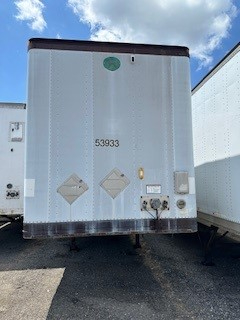
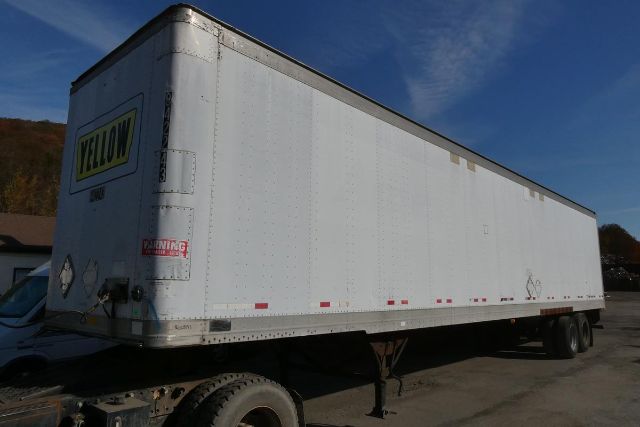
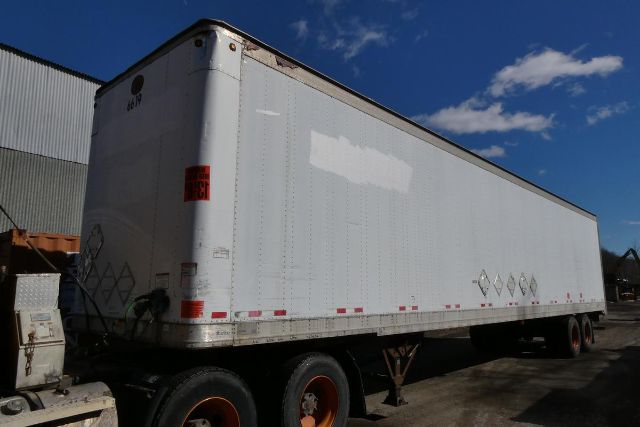
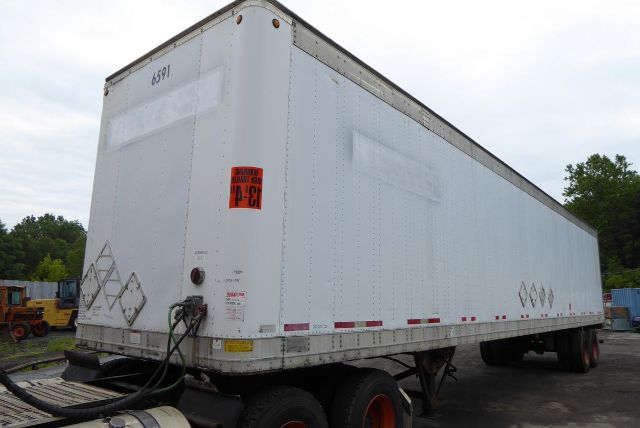
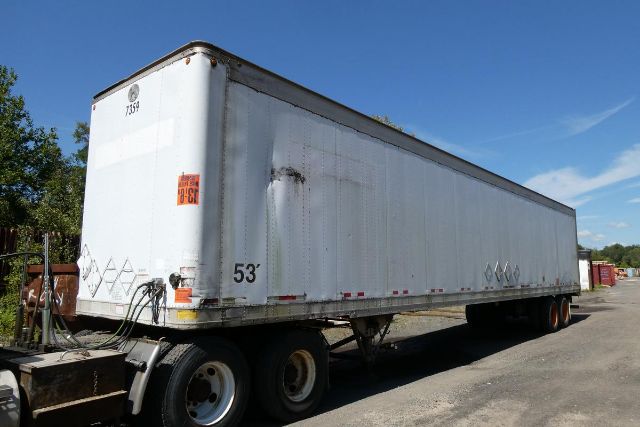
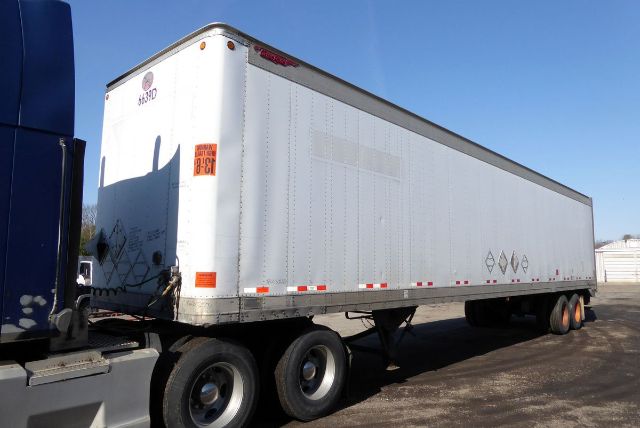
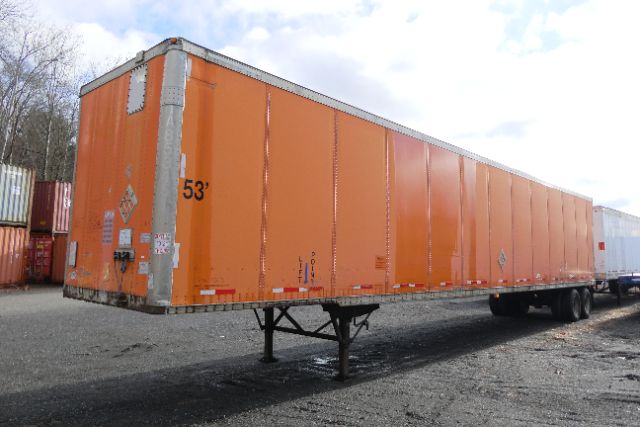

Selling a 2001 dry van trailer? List your 2001 dry van trailer for sale and reach thousands of commercial buyers.
2001 Dry Van Trailers
A 2001 model needs a structural inspection before tires or paint become deciding factors. Examine steel crossmembers, especially around the tandem and rear loading area, for section loss, cracked welds, and questionable repairs. Check lower rails, the upper coupler plate, kingpin attachment, landing gear mounts, and rear door frame for damage or distortion. Wood flooring needs probing around fasteners and wet edges, not just a walk-through; soft boards and separated joints can hide loss of forklift support. Inspect roof seams and translucent panels for leaks, deterioration, and patched impact damage. Maintenance invoices and repair documentation are more useful than an unsupported claim that a trailer is road ready.
Air ride offers adjustable suspension height and cushioning for sensitive freight, but aging bags, height-control valves, and plumbing need attention. Spring ride eliminates those pneumatic components, although spring packs, hangers, bushings, and equalizers still wear. Operate the tandem slider through its travel and confirm every locking pin seats fully. Inspect brake chambers, slack adjusters, drums, wheel seals, and ABS wiring. Tire tread alone does not establish serviceability; check date codes, sidewall cracking, uneven wear, and compatibility across each axle.
For US and Canadian highway work, verify route-specific length, axle spacing, tandem position, and weight limits; a trailer's GVWR is not its legal payload. Salt exposure in northern fleets can leave severe underbody corrosion even when aluminum sidewalls look sound. For loading, swing doors usually preserve more rear opening, while roll-up doors suit frequent dock stops but sacrifice clearance and add tracks, cables, and springs to inspect. Check rear impact guards and required lighting for damage and compliance.
A new designation on a 2001 trailer should mean documented unused condition, not a recent repaint or rebuild. Verify build-year records, storage history, and any written warranty rather than assuming factory coverage remains. Long storage still ages tires, seals, and door gaskets. Confirm required door, suspension, and floor specifications before committing to either condition. In the United States, the 12% federal excise tax can apply to a qualifying trailer's first retail sale; ordinary used-trailer resales are not subject to that tax.
Frequently Asked Questions about 2001 Dry Van Trailers
How much weight can a 2001 dry van trailer legally haul?
Legal payload is the permitted gross combination weight minus the actual tractor, trailer, fuel, and equipment weight. On US Interstate highways, standard limits generally include 80,000 pounds gross combination weight, 20,000 pounds on a single axle, and 34,000 pounds on a tandem, subject to bridge-formula requirements and applicable exceptions. Canadian limits vary by province, axle configuration, and spacing. A 2001 dry van's capacity plate does not override road limits.
Does a 2001 dry van trailer need ABS?
A US-market, air-braked 2001 dry van trailer should have ABS because the federal requirement applies to trailers manufactured on or after March 1, 1998. Verify warning-lamp operation, sensor wiring, tone rings, and controller faults with a shop familiar with trailer ABS. An older model year does not excuse missing or disabled equipment, and functioning conventional brakes do not establish that the ABS system works.
Can a 2001 dry van trailer floor handle a loaded forklift?
The documented floor rating, not the trailer's GVWR, determines whether a 2001 dry van can support a loaded forklift. Compare the manufacturer's rating with the forklift's loaded front-axle weight and wheel contact pattern. Age, rotten boards, weakened crossmembers, and unsupported repairs can reduce practical capacity. If the original rating or present structural condition cannot be established, obtain an engineering assessment before driving a loaded forklift inside.
Can I use a 2001 dry van trailer for permanent storage?
Yes, a structurally sound 2001 dry van trailer can serve as stationary storage, but local zoning and site rules may restrict placement or require permits. Use a firm, drained surface and adequate support for the landing gear and running gear. A dry freight trailer is not climate-controlled, so condensation can damage paper, textiles, and machinery even when the roof does not leak. Plan ventilation and moisture protection around the stored goods.