
Stoughton Dry Van Trailers For Sale in New York
Compare Stoughton dry van trailers for sale in New York by length, wall construction, floor capacity, salt corrosion, and delivery-route restrictions.
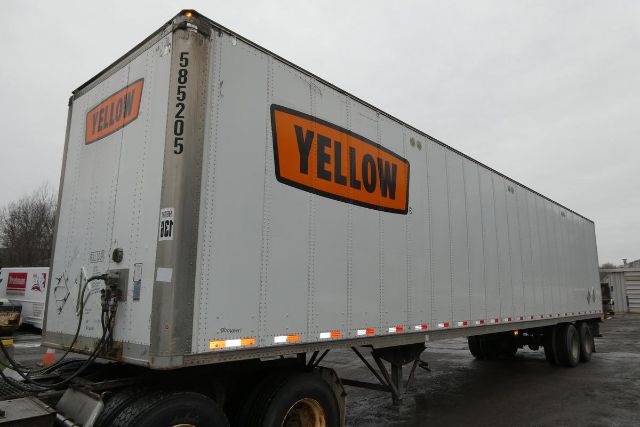
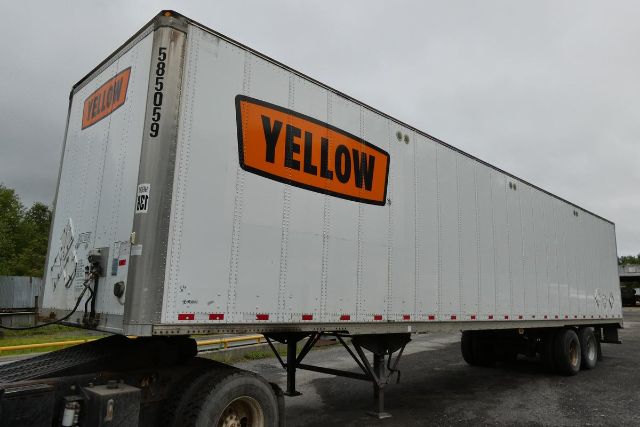
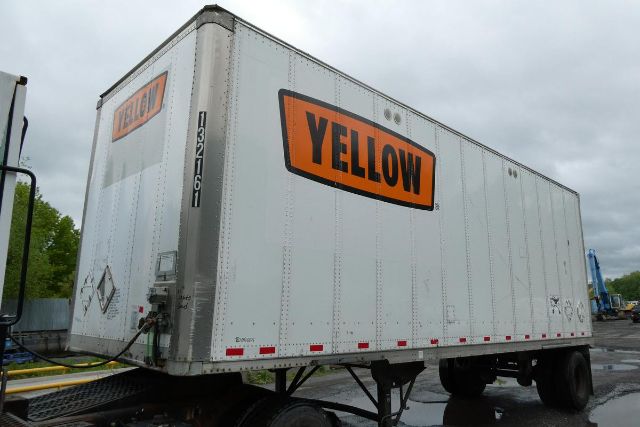
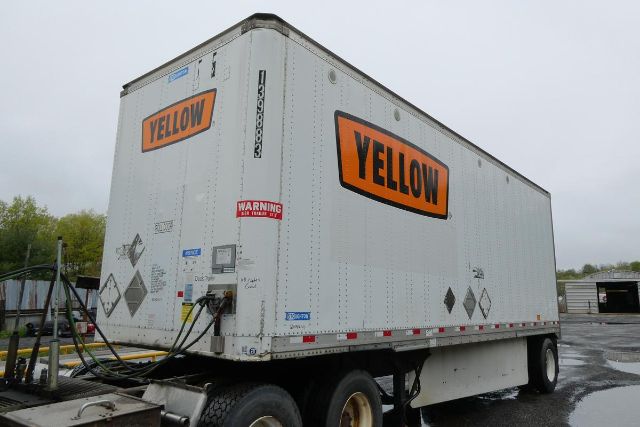
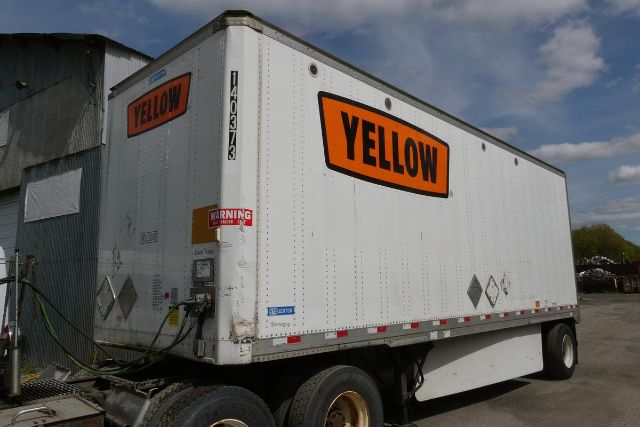

Showing 1 to 28 of 32 results
Selling a stoughton dry van trailer? List your stoughton dry van trailer for sale and reach thousands of commercial buyers.
Stoughton Dry Van Trailers in New York
Road salt makes underbody condition a priority on used New York box trailers. Inspect crossmembers, suspension hangers, landing gear, rear sills, brake chambers, and ABS wiring for corrosion or damage. Check roof seams for leaks and floor boards for soft spots, especially near the doors. Cycle roll-up doors through their full travel and inspect rollers, cables, tracks, and counterbalance hardware. On sliding tandems, verify every locking pin engages. Maintenance records should document brake work, wheel-end service, structural repairs, and annual inspections, not just tire replacement.
New trailer specifications should match the dock and route: swing doors usually provide a larger clear rear opening, while roll-up doors suit frequent stops. Select suspension, axle ratings, load securement, and floor capacity for the actual freight and forklift traffic. Obtain written warranty terms for the body and supplied components, and account for the 12% federal excise tax on qualifying new heavy trailers. Confirm New York axle-weight and trailer-length rules before purchase; New York City access and low-clearance routes require separate checking.
Frequently Asked Questions about Stoughton Dry Van Trailers in New York
Can I use a 53-foot Stoughton dry van for deliveries in New York City?
A standard 53-foot Stoughton dry van is not permitted for ordinary New York City deliveries. New York City generally allows 53-foot trailers only for through travel on designated Interstate routes, not for local loading or unloading. Statewide legality does not establish city access, and a shorter trailer still must follow applicable truck routes, height clearances, and combination-length limits.
How do I know whether a Stoughton dry van floor can handle my forklift?
The floor's forklift axle-load rating, not the trailer GVWR, determines whether a Stoughton dry van can handle your loading equipment. Compare the manufacturer's rating with the forklift's loaded axle weight, including the freight being carried. Concentrated wheel loads can damage a floor that safely supports distributed cargo. Verify the original specification and assess repairs, board deterioration, and crossmember condition before approving forklift use.
Can any 28-foot Stoughton pup trailer be used to pull doubles?
A 28-foot Stoughton pup needs a doubles-compatible rear structure and coupling equipment before serving as the lead trailer in a doubles combination. Verify the rear pintle hook and mounting reinforcement, air and electrical connections, and compatibility with the converter dolly. A short trailer alone is not proof of doubles capability. Doubles operation also requires approved routes and the proper driver endorsement.
How does maintenance differ between spring ride and air ride on a Stoughton dry van?
Air ride adds airbags, air lines, and a height-control valve to the suspension maintenance workload; spring ride concentrates maintenance on leaf packs, bushings, and hangers. A used Stoughton dry van with either system can need alignment work and corrosion repairs. Compare component condition and parts accessibility rather than assuming spring ride always has lower lifetime costs. Check for uneven tire wear that may reveal suspension or alignment problems.