
2004 Dry Van Trailers For Sale in New York
Compare 2004 dry van trailers for sale in New York by salt corrosion, floor condition, door clearance, axle layout, and legal delivery routes.
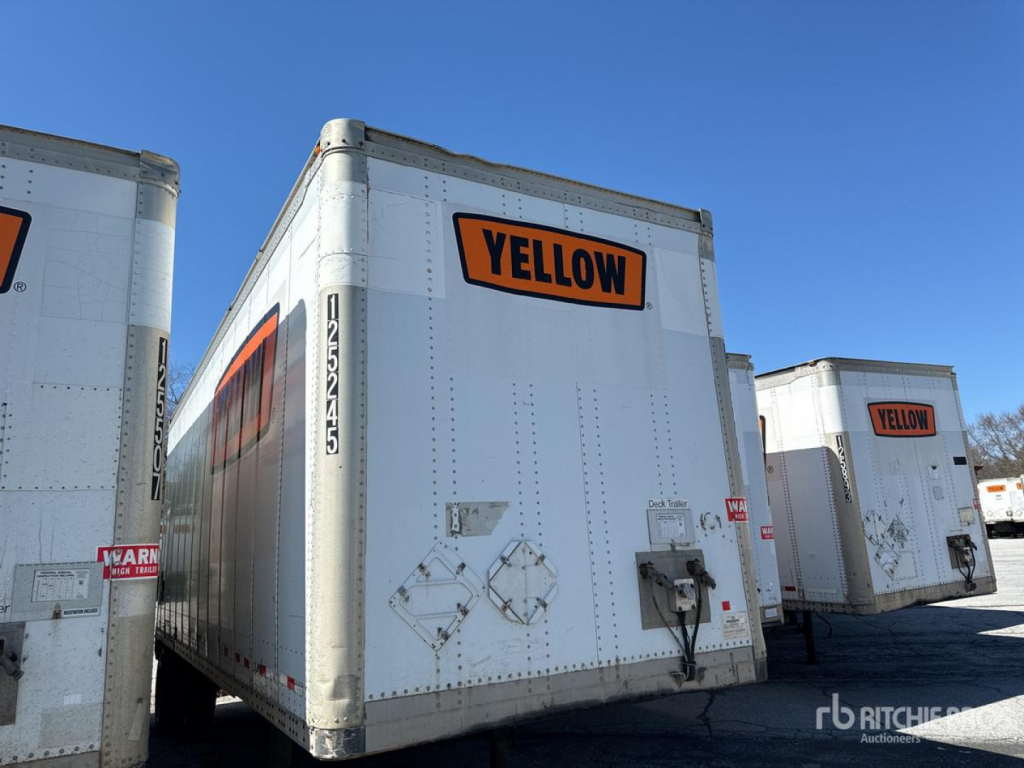
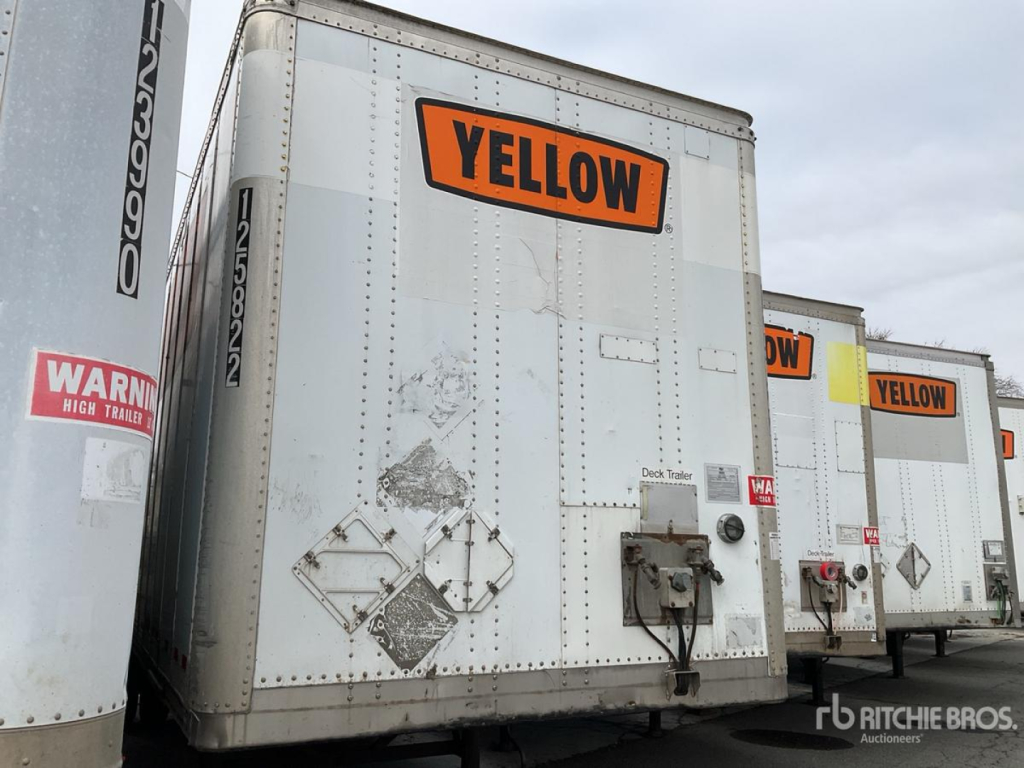
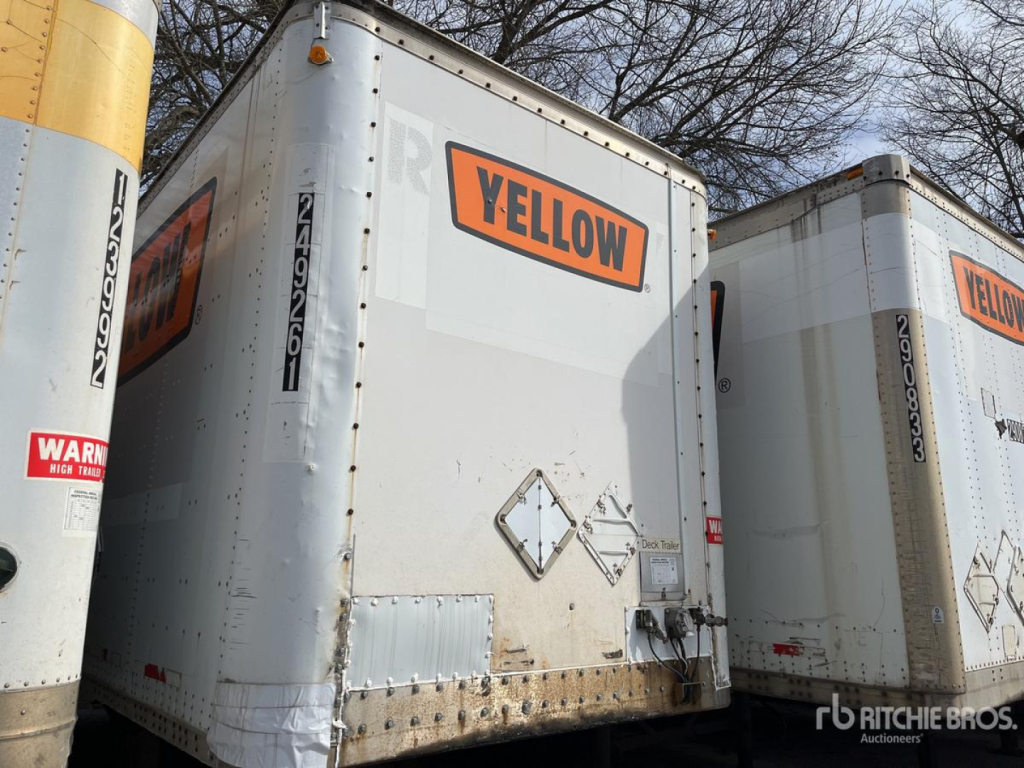
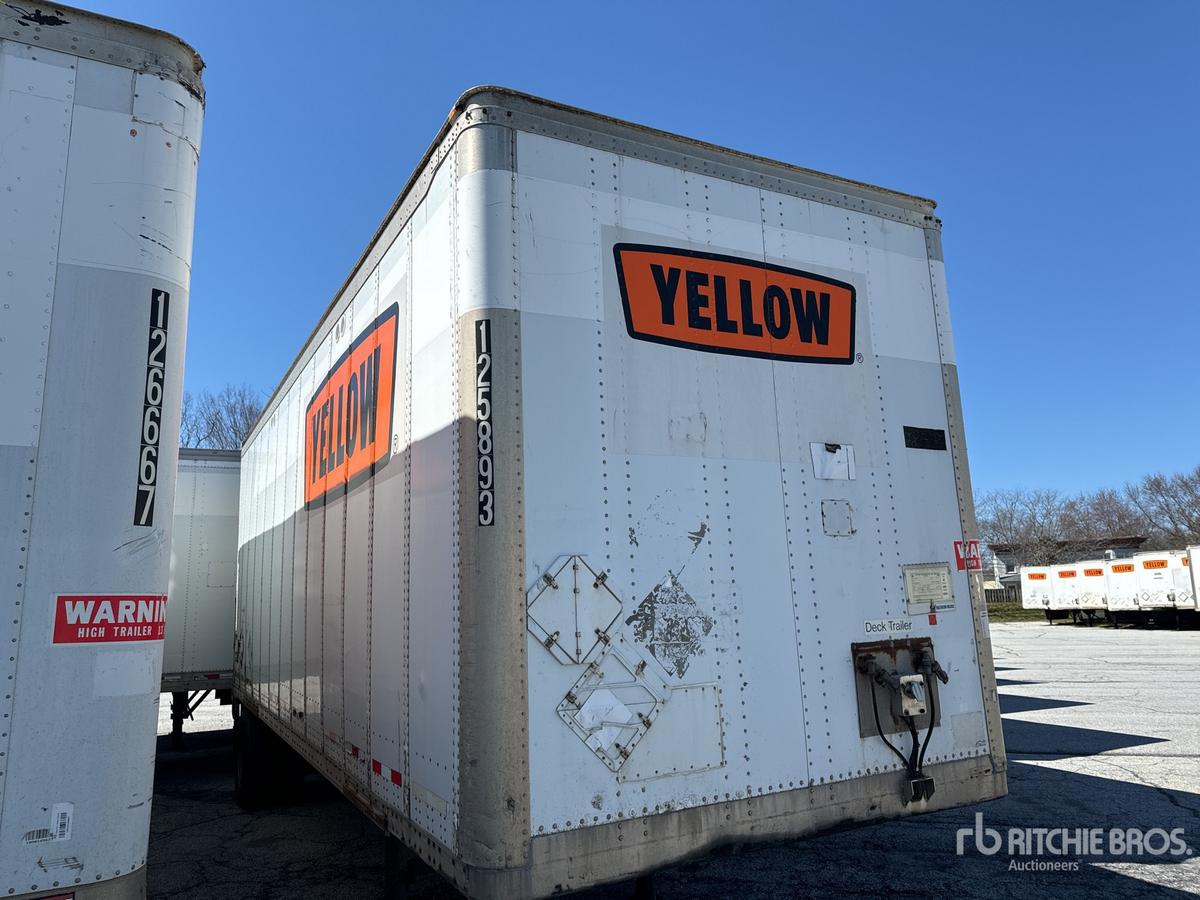
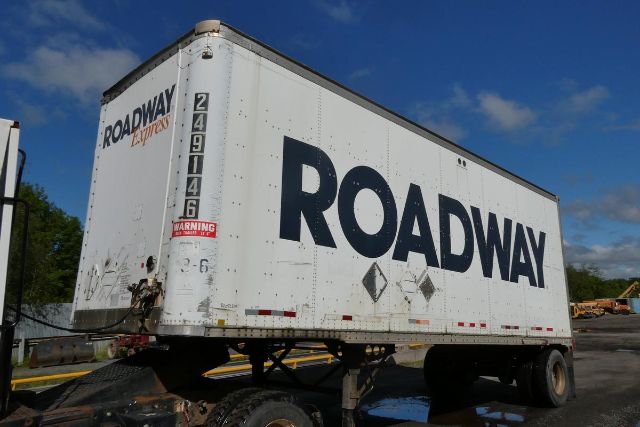
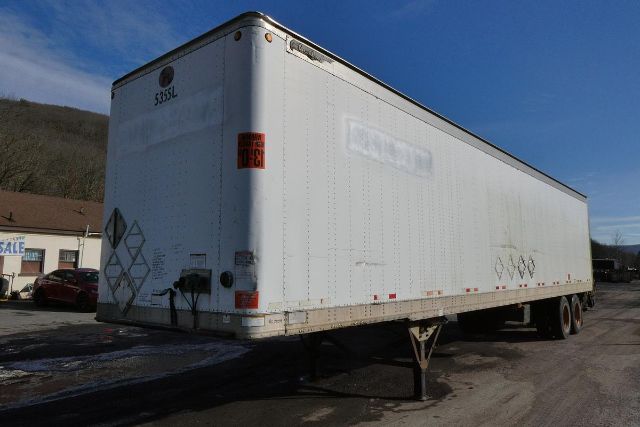
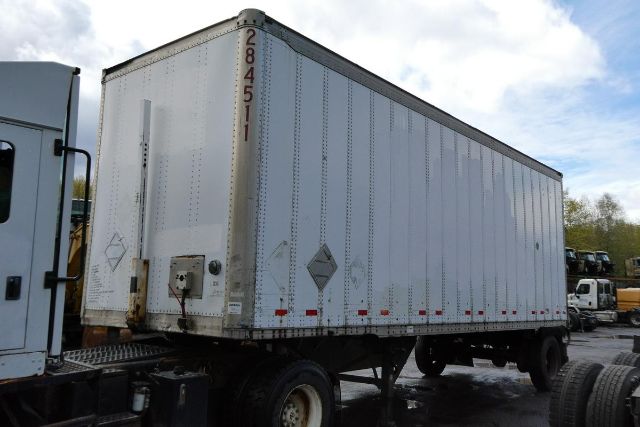
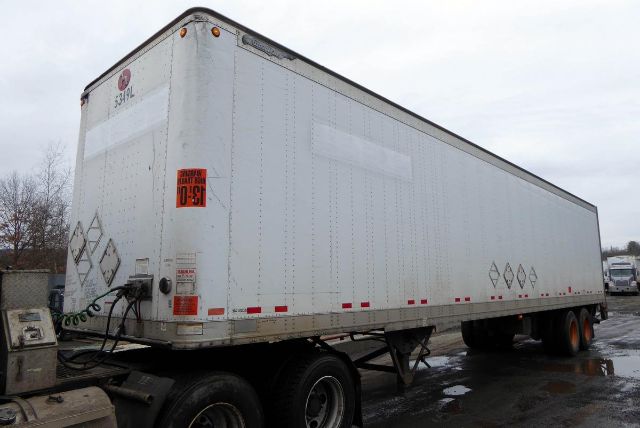
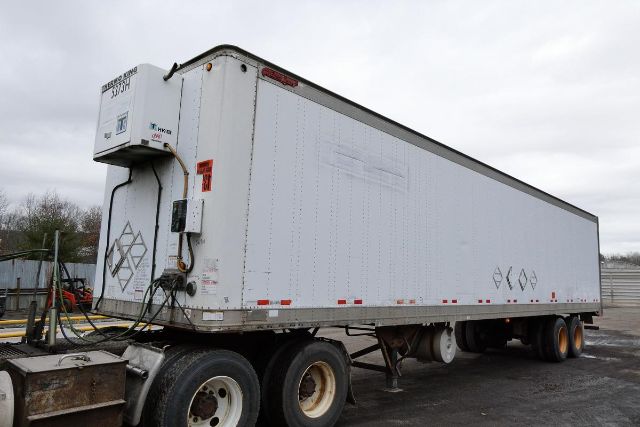
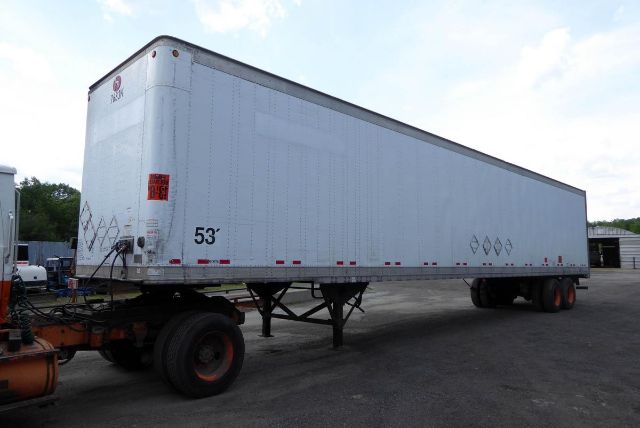

Selling a 2004 dry van trailer? List your 2004 dry van trailer for sale and reach thousands of commercial buyers.
2004 Dry Van Trailers in New York
Door opening dimensions matter more than nominal exterior width when loading tall pallets or bulky freight. Roll-up doors suit frequent dock stops but sacrifice overhead clearance and introduce tracks, rollers, cables, and counterbalance hardware to maintain. Swing doors generally provide a larger opening but require room behind the trailer. Compare usable interior dimensions, logistics tracks, scuff liners, and floor condition before choosing a box trailer. Spring suspension offers mechanical simplicity; air ride adds height-control valves, bags, and plumbing that need inspection. A sliding tandem provides axle-position adjustment, unlike a fixed single axle.
New York winter service makes the upper coupler, landing-gear mounts, suspension hangers, rear frame, and steel crossmembers priority inspection areas. Aluminum body panels do not protect adjoining steel from corrosion, and dissimilar-metal joints deserve close examination. Probe suspect wood flooring around the rear threshold and inspect underneath for split boards, deteriorated fasteners, and damaged crossmembers. Check roof seams, translucent roof panels, door seals, and wall repairs for water entry. On a 2004 trailer, verify brake chamber condition, drum wear, slack-adjuster operation, wheel-end seals, and tire age. Request maintenance records, annual inspection documentation, and an ABS fault check rather than accepting a claimed brake percentage as proof of roadworthiness.
Freight along I-90, I-81, and I-87 creates different requirements from tight deliveries in downstate commercial districts. Match trailer length, kingpin position, overall height, and axle configuration to the actual route, including the final mile. New York parkways are generally closed to commercial trucks, and local streets or posted bridges can restrict otherwise highway-legal combinations. Liftgates help at customers without docks, but their weight reduces available payload and their mounting structure needs careful examination.
A 2004 model represented as unused still needs storage-related inspections of tires, seals, wiring, brake components, and floor moisture damage. Obtain written confirmation of warranty coverage rather than assuming unused means factory-backed. A qualifying first retail sale of an unused heavy trailer may incur the 12% federal excise tax; an ordinary used-trailer resale is different. For either condition, confirm readable certification and axle-rating labels, title identity, and replacement-part support. Budget for deferred repairs before deciding whether an older van fits regular road service or stationary storage.
Frequently Asked Questions about 2004 Dry Van Trailers in New York
How do I know whether a 2004 dry van floor can handle my forklift?
The documented concentrated floor-load rating, not trailer GVWR, determines whether a 2004 dry van can support your forklift. Compare the forklift's loaded axle weight with the floor manufacturer's rating and loading conditions. Replacement boards alone do not restore weakened crossmembers or connections. If documentation is missing, obtain an assessment from a qualified trailer repair facility before driving a loaded forklift inside.
Can I pull two 28-foot dry van trailers in New York?
Twin 28-foot dry van trailers can operate on authorized New York routes, but a doubles-capable trailer does not make every road legal. The driver needs the appropriate CDL with a doubles/triples endorsement, and the combination needs compatible, properly rated coupling equipment and a converter dolly. Verify designated routes and terminal-access rules, especially before entering local streets or New York City.
Should a 2004 dry van trailer have ABS?
A conventional air-braked 2004 dry van trailer built for the US market should have ABS because federal requirements cover these trailers manufactured on or after March 1, 1998. Check the external ABS malfunction lamp, power supply, wheel-speed sensors, and diagnostic faults. Functioning foundation brakes do not establish that ABS works, and a disconnected warning lamp is a defect to investigate.
Can I use a 2004 dry van trailer for stationary storage in New York?
A 2004 dry van can serve as stationary storage, but local zoning and site rules still apply. Set the trailer on stable support, maintain drainage beneath it, and inspect the roof for leaks and snow-related damage. Dry vans are not climate-controlled storage buildings, so condensation can damage moisture-sensitive goods. Any later highway move requires roadworthy running gear and compliant transport.
What should I check on a liftgate-equipped 2004 dry van trailer?
Verify the liftgate's rated capacity and test a liftgate-equipped 2004 dry van under an appropriate load before purchase. Include the pallet jack and handling equipment in the lifted weight. Inspect platform hinges, cylinders, hoses, mounting welds, electrical connections, and battery charging arrangements. Missing identification or capacity labels require verification with the liftgate manufacturer, not an estimate based on platform size.