
2004 Dry Van Trailers For Sale
Compare 2004 dry van trailers for sale by floor condition, frame corrosion, door clearance and axle setup for highway freight or local delivery.
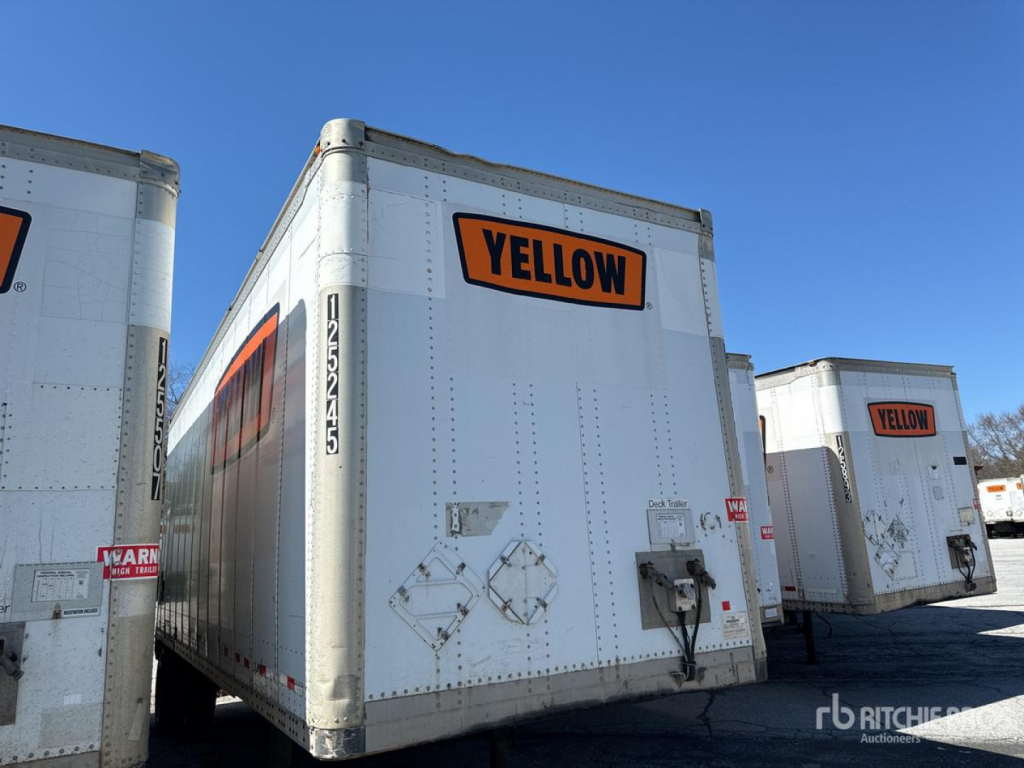
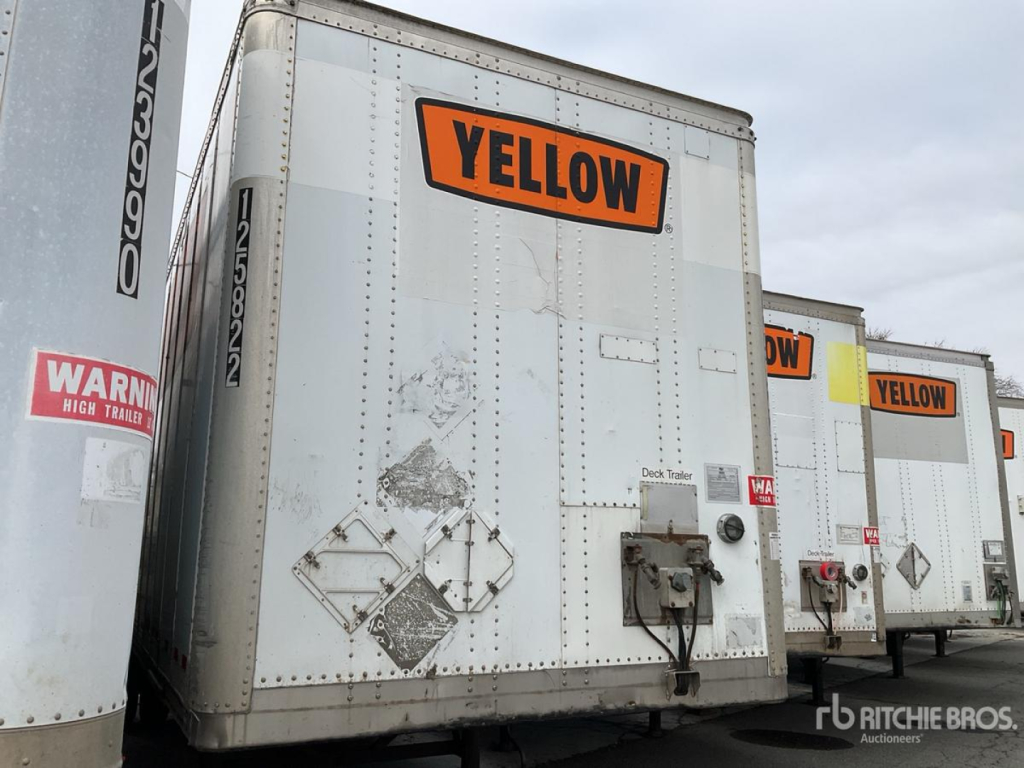
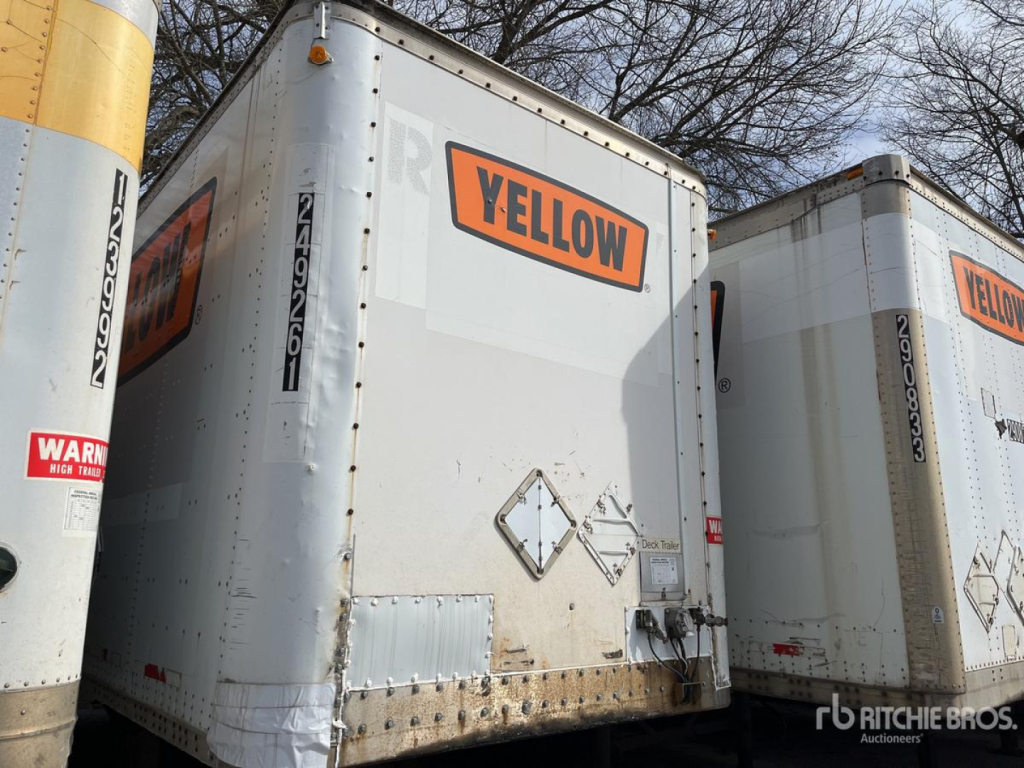
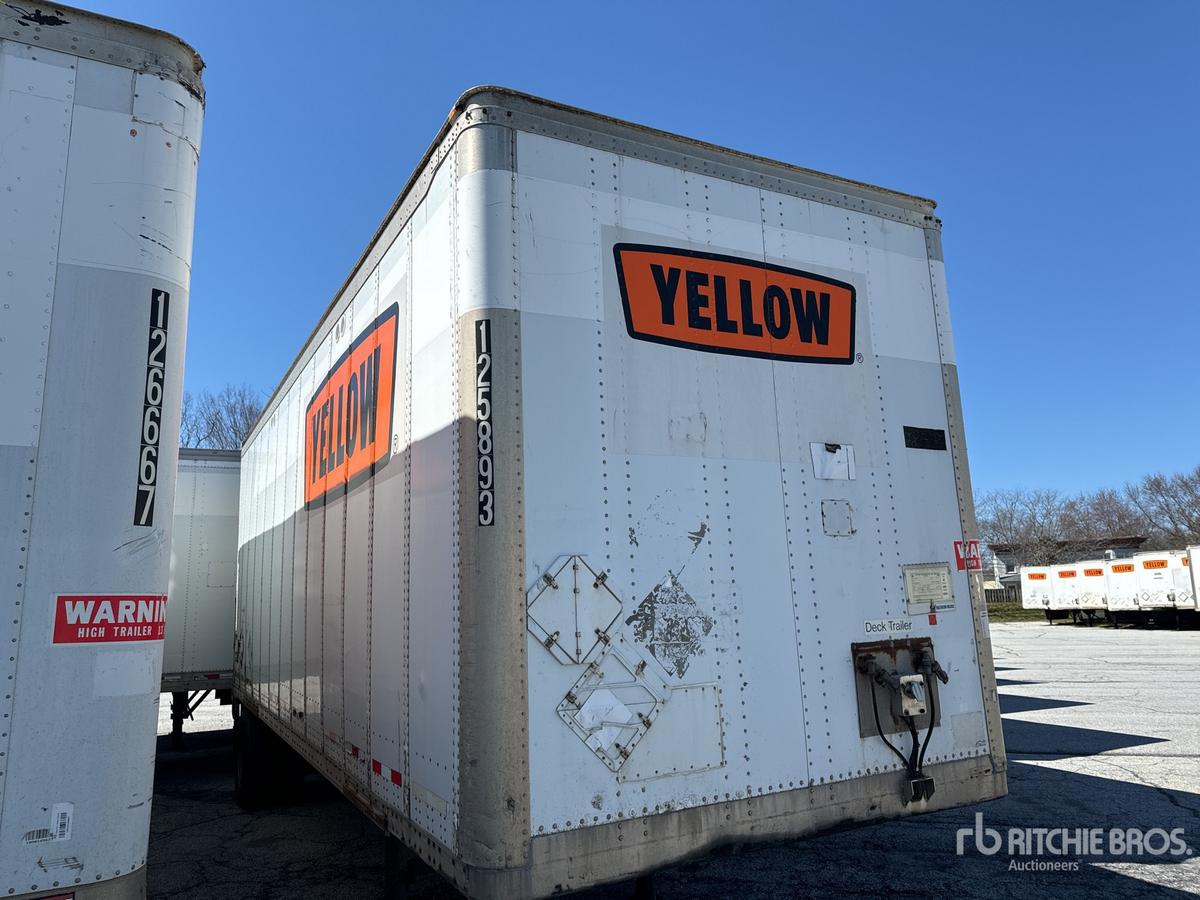
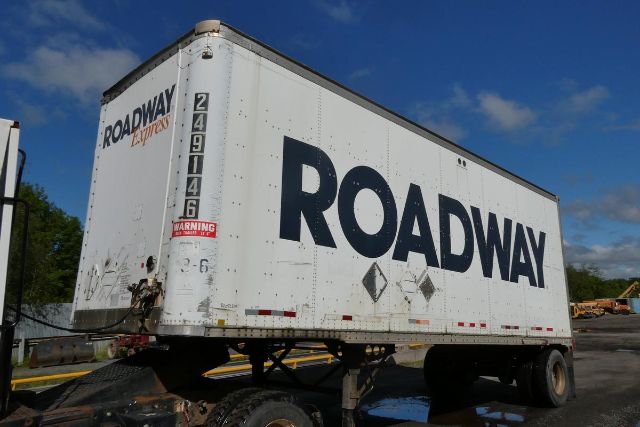
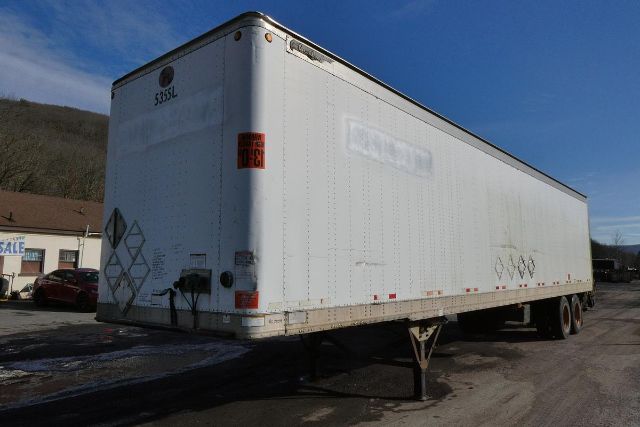
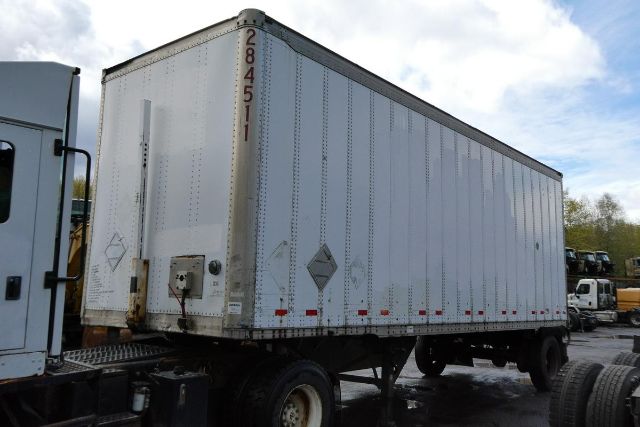
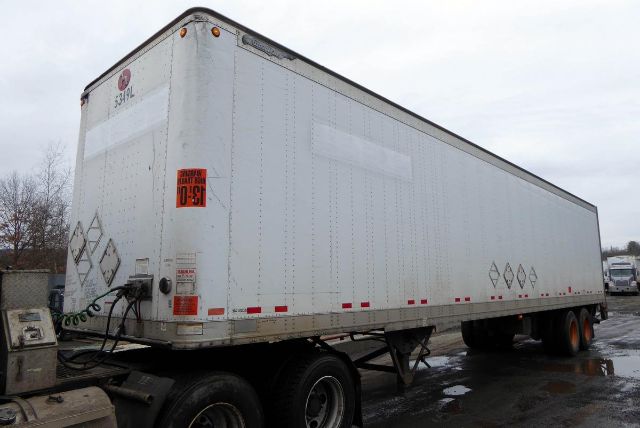
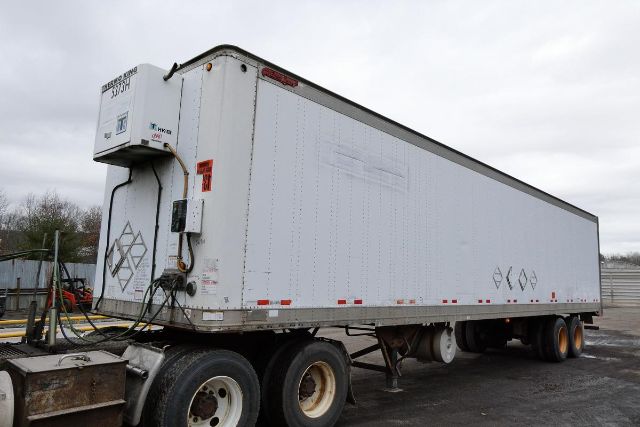
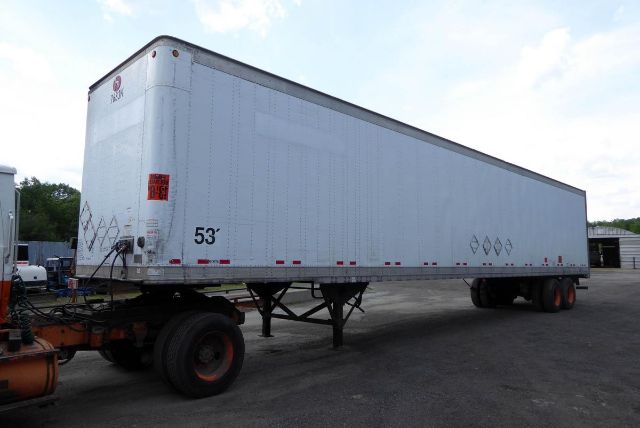

Selling a 2004 dry van trailer? List your 2004 dry van trailer for sale and reach thousands of commercial buyers.
2004 Dry Van Trailers
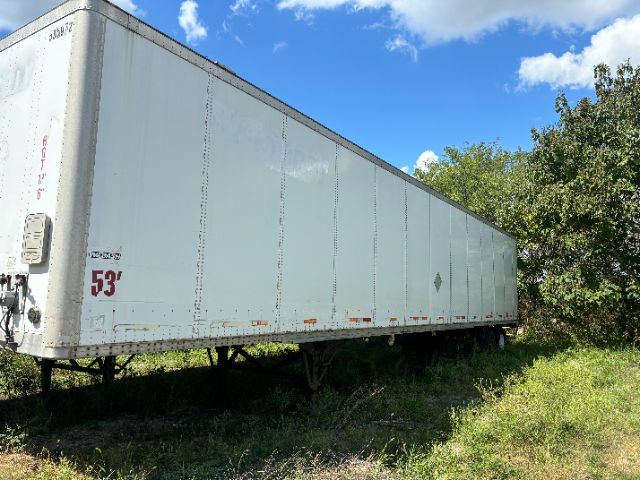
Length and rear-door configuration separate local delivery equipment from linehaul vans. A 28-foot single-axle pup suits terminal work and approved doubles operations, while 45-, 48- and 53-foot configurations serve different dock, route and freight requirements. Roll-up doors save swing space but reduce clear opening height; swing doors generally preserve more loading clearance. Wabash composite-wall vans, Great Dane aluminum vans and Trailmobile plate vans illustrate construction choices from this era. Compare actual interior width, scuff liners, cargo-securement points and repaired wall sections, not just the common 102-inch exterior width.
Inspect the floor and its supporting structure before judging the paint or side panels. Soft wood, separated laminations, loose fasteners and sagging crossmembers can make an otherwise presentable box trailer unsuitable for loaded forklift traffic. Examine lower rails, rear sill, landing-gear mounts, upper coupler and kingpin area for corrosion, cracks or poorly executed repairs. Roof seams and front corners deserve a leak check because repeated wetting can damage both freight and flooring. Operate sliding tandems through their travel and verify that every locking pin seats fully; inspect fixed-axle mounts on shorter vans with the same care.
Maintenance records should document brake work, wheel-end service, suspension repairs and ABS faults. Air ride requires sound bags, plumbing and height-control components, while spring suspensions need close inspection of hangers, bushings and leaves. For a 2004 trailer represented as new old stock, verify prior use, storage damage and written warranty eligibility rather than assuming current factory coverage. Inspect aged tires and seals even without road mileage, and establish whether the 12% federal excise tax applies to a qualifying first retail sale in the United States.
For U.S. and Canadian work, plan around route-specific axle weights, tandem placement and trailer-length rules rather than the trailer's GVWR alone. Road salt exposure warrants extra scrutiny of steel crossmembers, brake hardware, electrical grounds and slider assemblies; coastal service can also accelerate corrosion. Local delivery favors maneuverability, suitable door clearance and a properly rated liftgate, while highway freight places greater emphasis on usable cube, payload and dependable running gear. Verify current inspection documentation for the jurisdiction where the trailer will operate.
Frequently Asked Questions about 2004 Dry Van Trailers
Can a 2004 dry van trailer floor handle my forklift?
The floor's forklift axle-load rating, not the trailer's total payload rating, determines suitability for forklift loading. Obtain the original floor specification and compare it with the loaded forklift's axle weight and tire contact area. Replacement boards alone do not restore damaged crossmembers or connections. A 2004 dry van trailer with missing ratings or questionable repairs needs a qualified structural assessment before loaded forklift operation.
Should a 2004 dry van trailer have ABS?
Air-braked 2004 dry van trailers built for the U.S. market were required to have ABS. The federal requirement applies to new air-braked trailers manufactured on or after March 1, 1998. Check the malfunction lamp's startup behavior and retrieve diagnostic faults using equipment compatible with the installed system. Inspect wheel-speed sensor wiring, connectors and power supply rather than treating an illuminated lamp as merely a bad bulb.
Can I pull two 28-foot dry van trailers together?
Two 28-foot dry van pups can operate as doubles only when the equipment and route meet the applicable requirements. In the United States, the driver generally needs a Class A CDL with a doubles/triples endorsement. Verify the lead trailer's approved rear coupling, converter dolly, air connections and electrical connections. Canadian licensing and combination rules vary by province, and a rear pintle hook alone does not establish doubles suitability.
Does a dry van trailer's GVWR determine how much freight I can haul?
Legal payload is limited by the entire combination's allowable weight minus its actual empty weight, not by trailer GVWR alone. A standard five-axle tractor-trailer generally faces an 80,000-pound limit on U.S. Interstate highways, with common federal limits of 20,000 pounds per single axle and 34,000 pounds per tandem, subject to bridge-formula requirements and exceptions. Canadian limits vary by province and configuration. Scale the loaded combination to verify axle distribution.
What should I check on a liftgate-equipped 2004 dry van trailer?
Verify the liftgate's rated capacity at the specified load center, then test a complete operating cycle under a safely controlled load. A pallet jack and freight both count toward the platform load. On a 2004 dry van trailer, inspect platform corrosion, hinge wear, hydraulic leaks, mounting structure and travel locks. Confirm the charging arrangement and battery condition, since weak electrical supply can impair operation even when the hydraulic components are sound.