
2003 Dry Van Trailers For Sale in New York
Compare 2003 dry van trailers for sale in New York by salt corrosion, floor strength, door clearance, and suspension to match regional freight work.
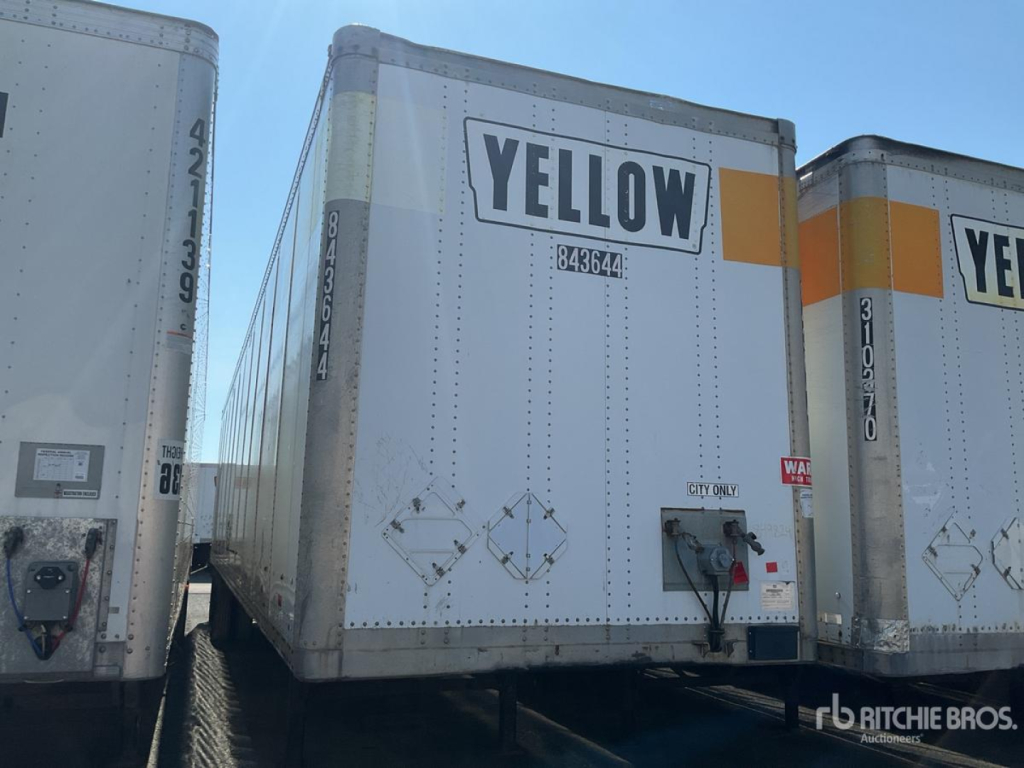
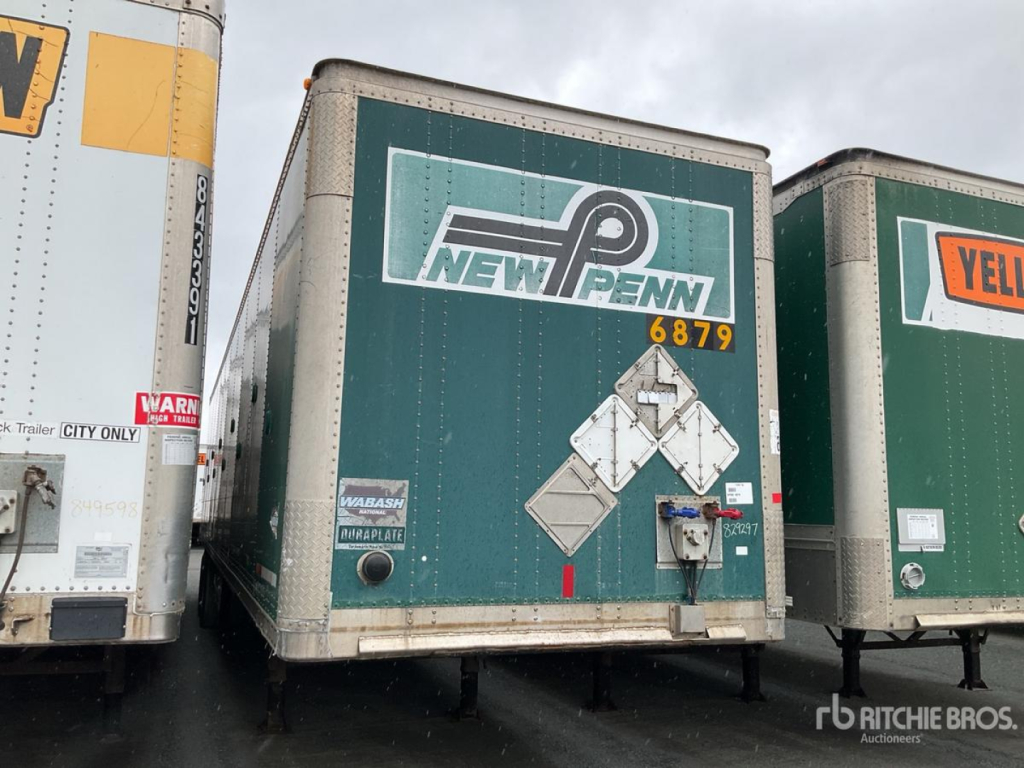
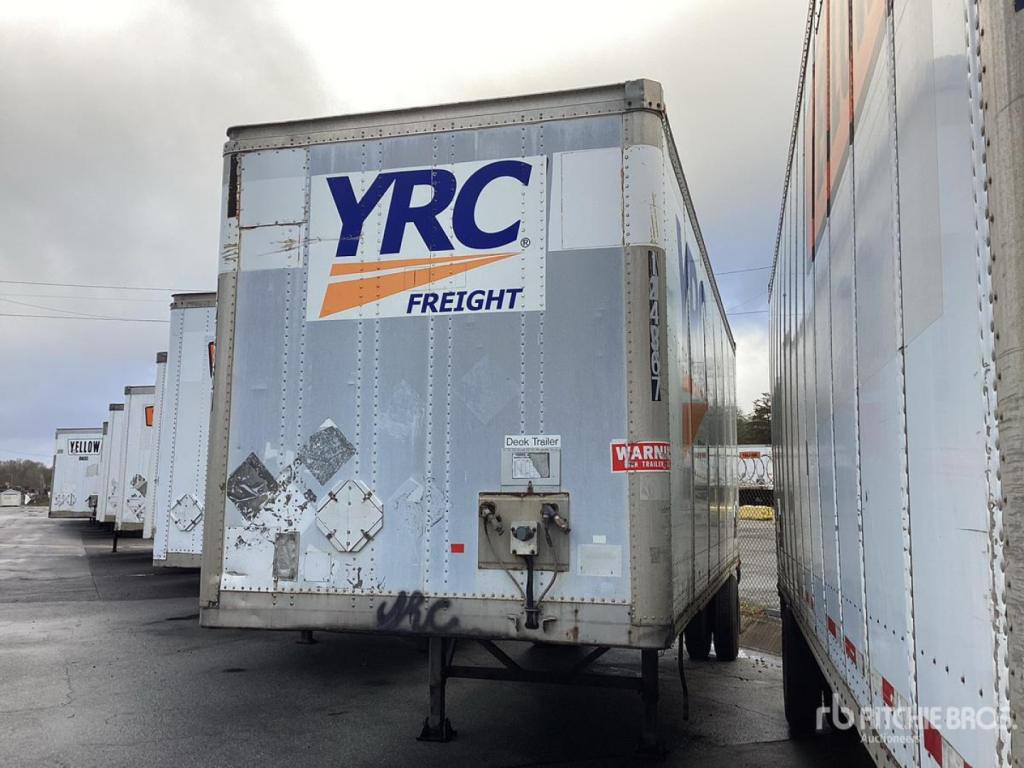
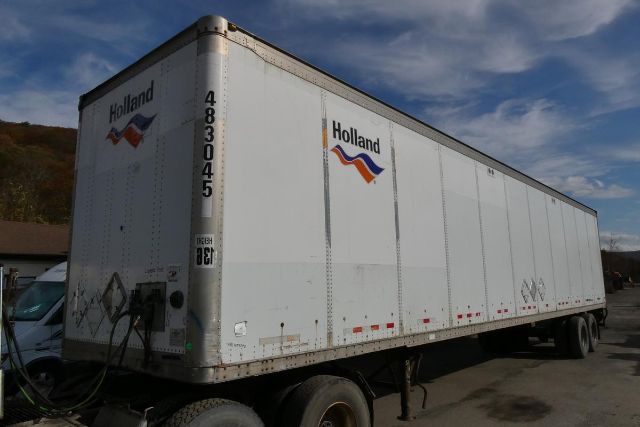
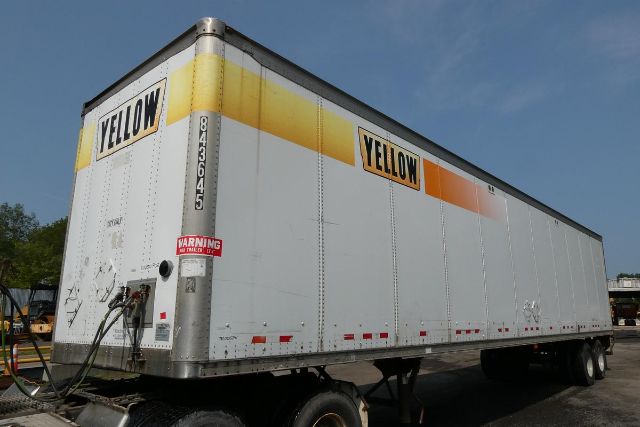
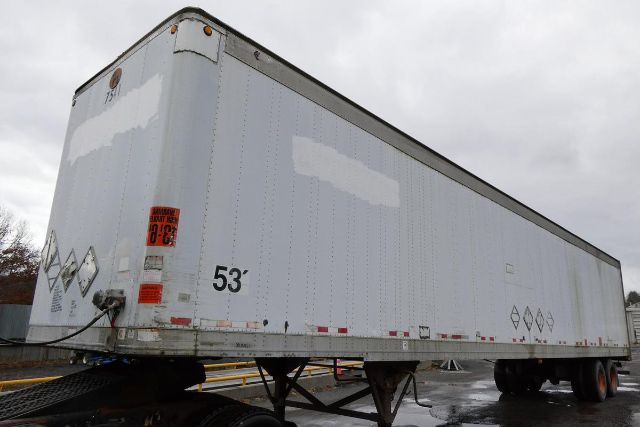
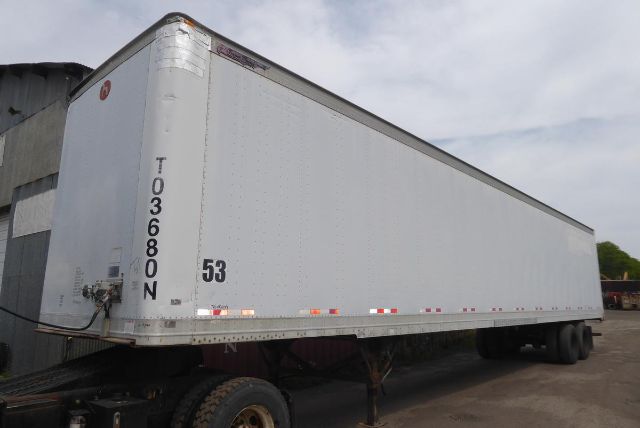
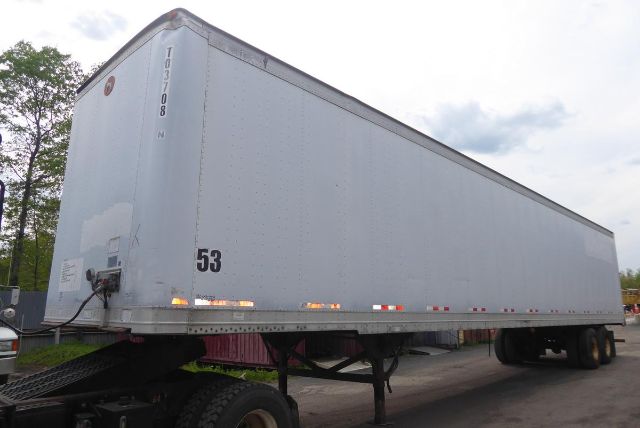
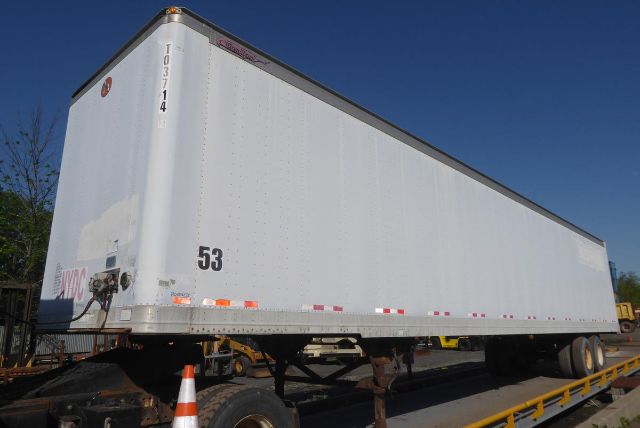
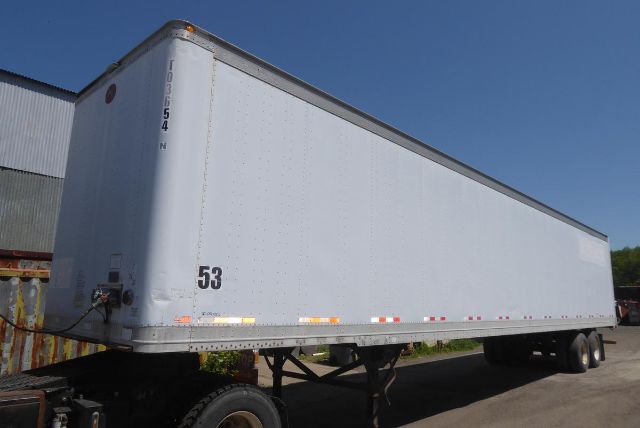
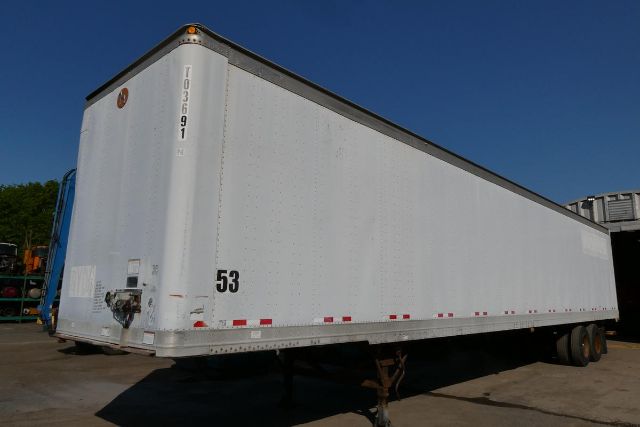
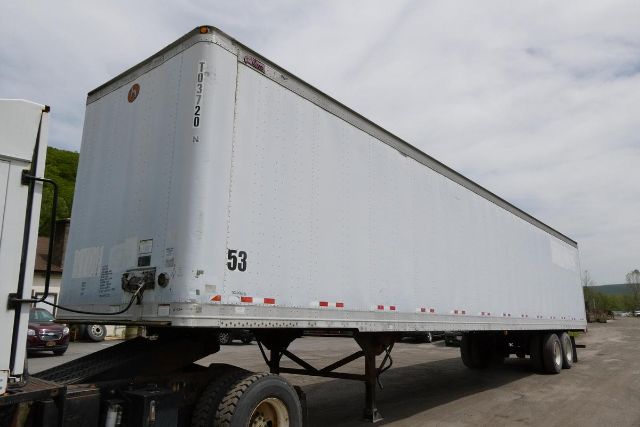
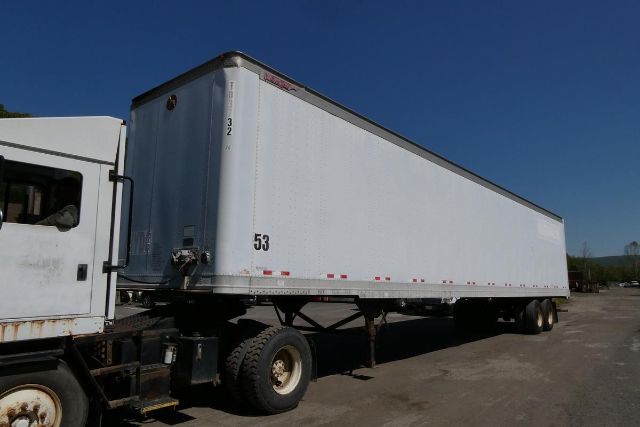
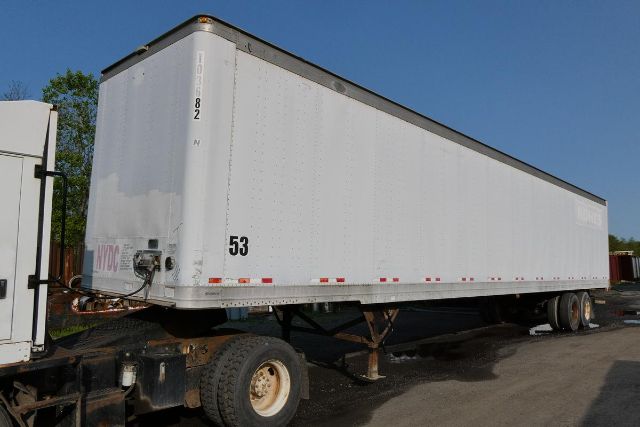
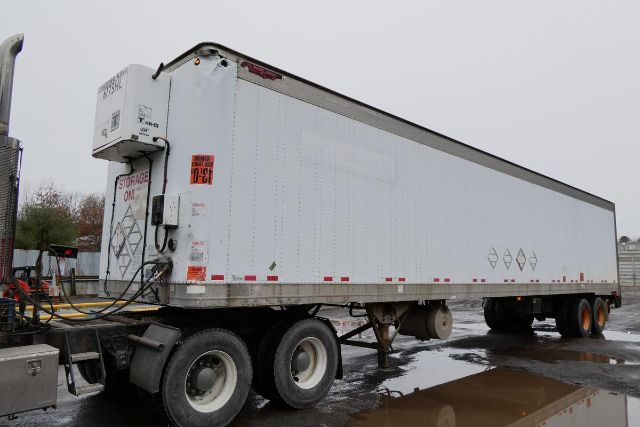

Selling a 2003 dry van trailer? List your 2003 dry van trailer for sale and reach thousands of commercial buyers.
2003 Dry Van Trailers in New York
A 2003 model is more than two decades old, so inspect load-bearing structure before cosmetics, regardless of make. New York salt and freeze-thaw exposure warrant close examination of crossmembers, landing-gear mounts, tandem rails, suspension hangers, and rear door frames. Probe wood flooring for rot and check underneath for broken supports or unauthorized patches. Inspect roof seams and translucent panels for leaks, examine kingpin and upper coupler wear, and operate every slider locking pin. Maintenance records should document brakes, wheel seals, bearings, suspension repairs, and ABS faults; an inspection sticker alone does not establish condition.
Any 2003 trailer represented as new old stock still needs age-related inspection of tires, seals, hoses, and wiring. Obtain written warranty terms and verify the build date, because unused does not mean newly manufactured or automatically covered. A qualifying first retail sale of a heavy trailer can carry 12% federal excise tax; confirm tax treatment rather than assuming an old model year is exempt.
Frequently Asked Questions about 2003 Dry Van Trailers in New York
Can I run a 53-foot dry van on any road in New York?
No, 53-foot dry van trailers cannot use every road in New York. Plan travel on highways designated for those combinations and verify applicable access provisions before committing to a pickup or delivery. New York City has additional truck-route and dimensional restrictions. Check current NYSDOT and local routing guidance, including kingpin-to-rear-axle requirements, bridge clearances, and restrictions at the actual dock.
Should a 2003 dry van trailer have ABS, and how do I check it?
A 2003 air-braked dry van should have functioning ABS, not merely a working warning lamp. Federal ABS requirements cover air-braked semitrailers manufactured on or after March 1, 1998. Check the trailer lamp's power-up sequence using a compatible tractor or test supply, then read diagnostic faults and inspect wheel-speed sensor wiring. A lamp that never illuminates can indicate a failed bulb or power problem rather than a clean system.
Can the floor in a 2003 dry van support a loaded forklift?
The manufacturer's floor rating, especially concentrated forklift axle loading, determines whether a 2003 dry van can handle a loaded forklift. Obtain the original floor specification and compare it with the forklift's loaded axle weight and tire contact area. Trailer GVWR does not establish floor capacity. Rotted boards, cracked crossmembers, and undocumented repairs can make an originally adequate floor unsafe for dock loading.
Does a 68,000-pound trailer GVWR mean I can haul that much cargo?
No, a 68,000-pound GVWR is the maximum rated loaded trailer weight, not the cargo allowance. Subtract the dry van's actual empty weight to estimate its rated payload, then check axle ratings, tire capacities, tractor weight, and legal axle distribution. Interstate tractor-trailer combinations are commonly limited to 80,000 pounds without special authorization, and bridge-formula limits can reduce the allowable combination weight.