
2003 Dry Van Trailers For Sale
Compare 2003 dry van trailers for sale by floor strength, roof leaks, door clearance and tandem condition before choosing a 48- or 53-foot box trailer.
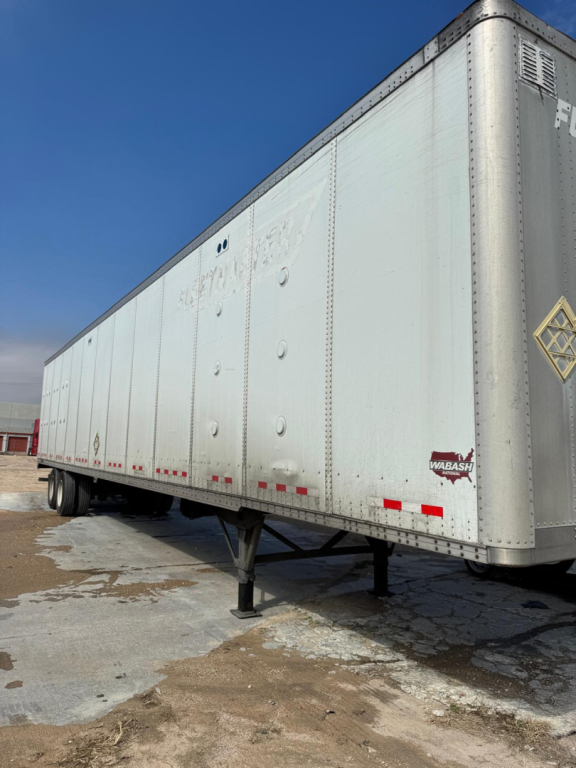
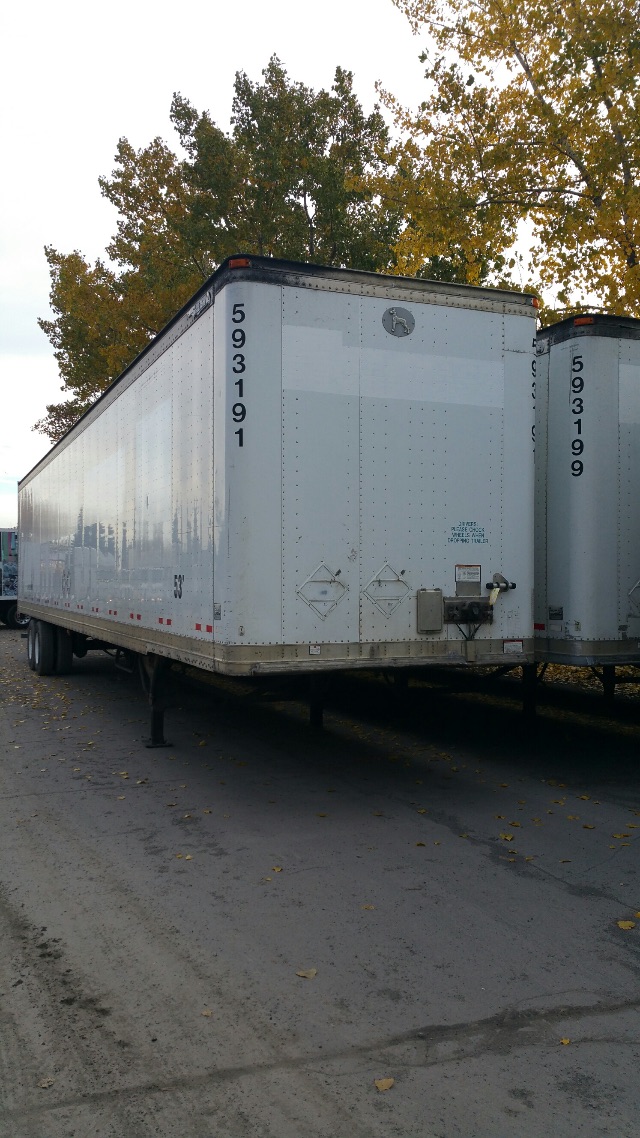
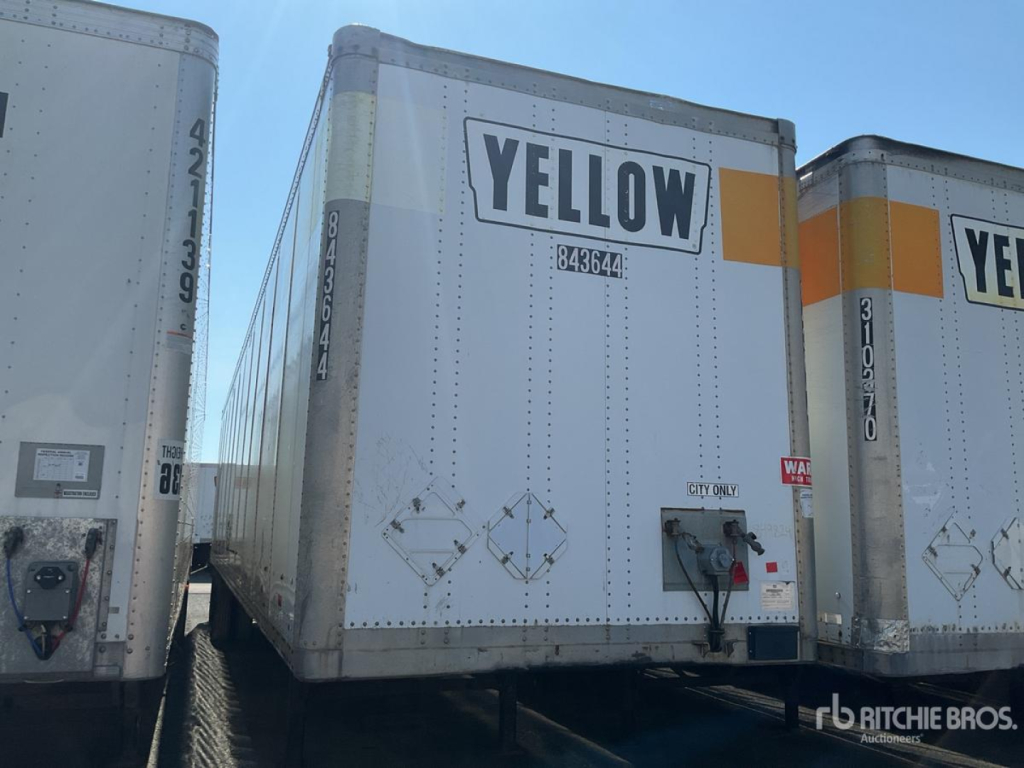
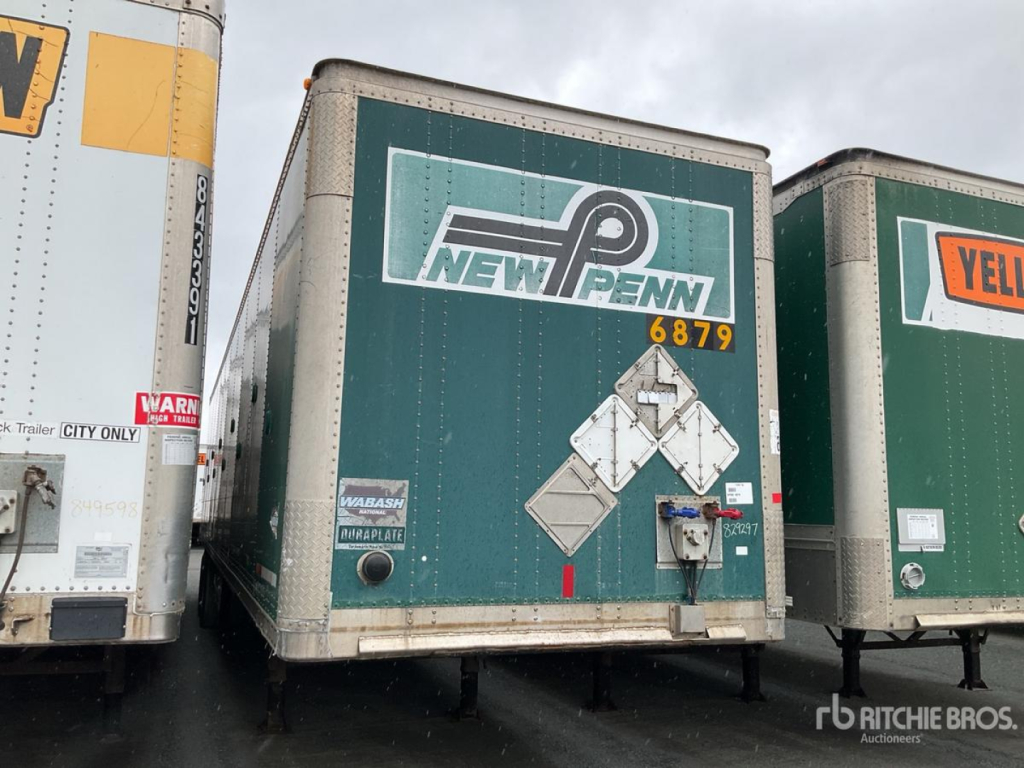
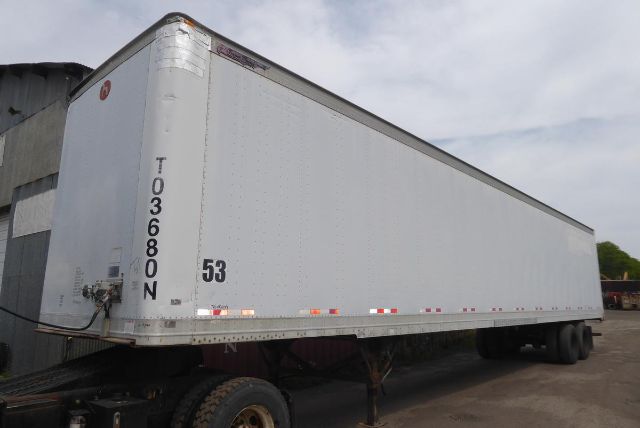
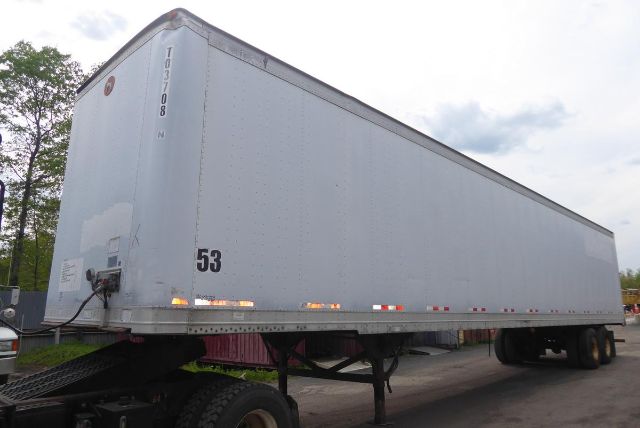
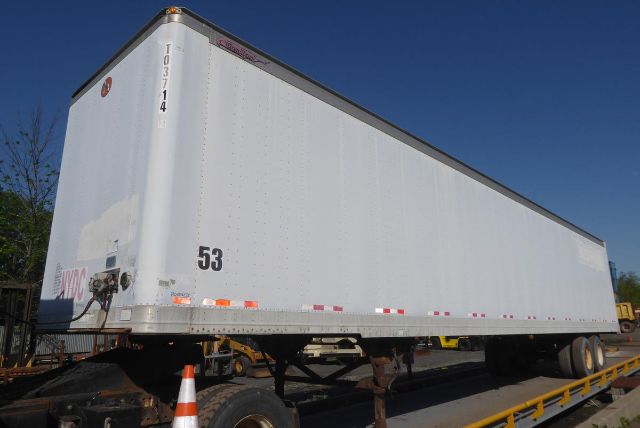
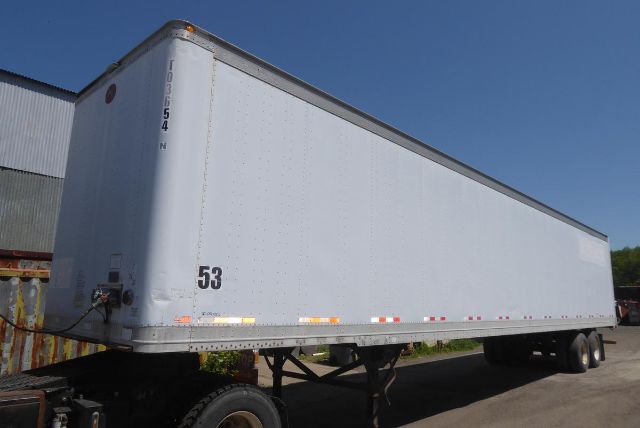
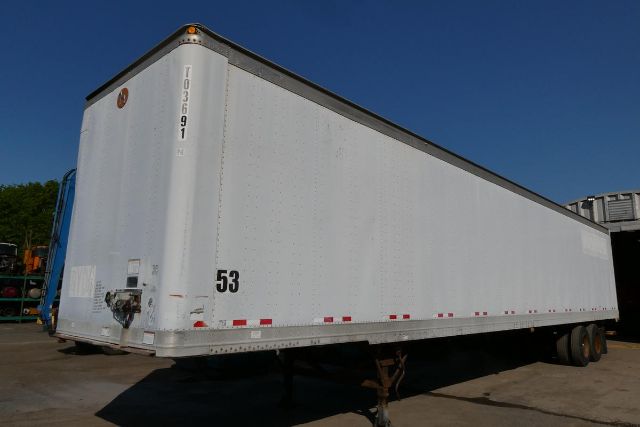
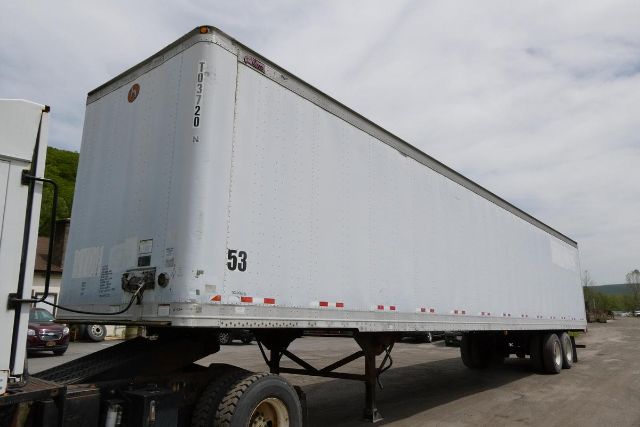
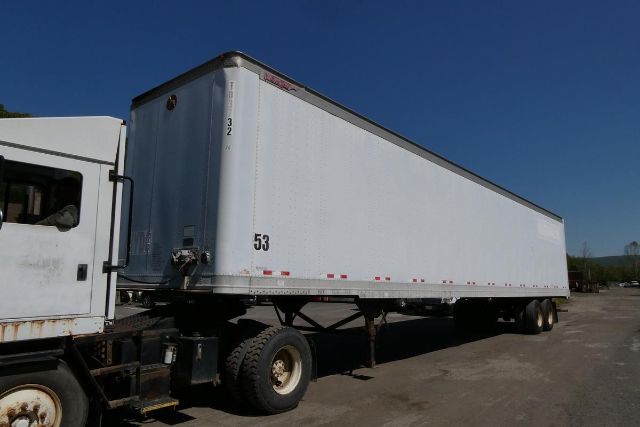
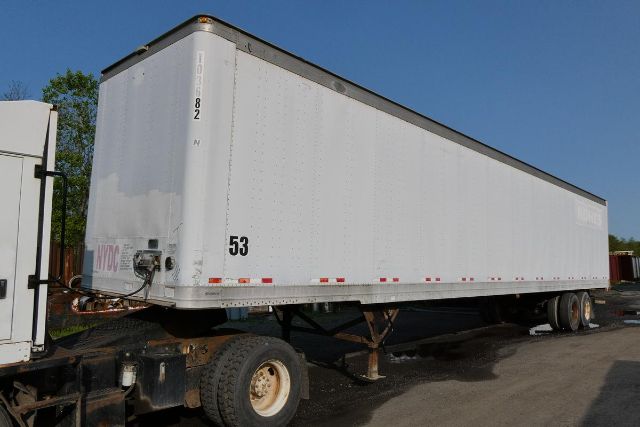
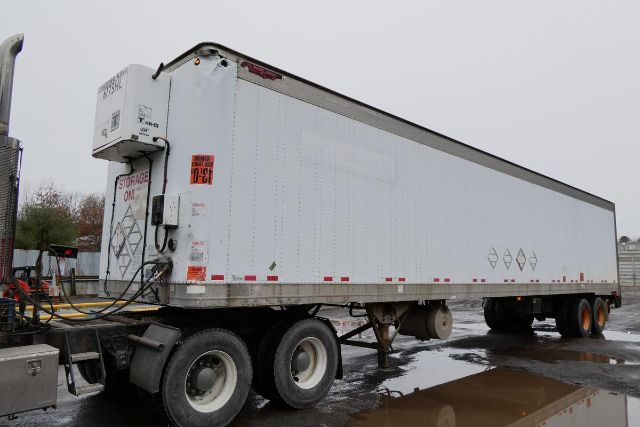

Selling a 2003 dry van trailer? List your 2003 dry van trailer for sale and reach thousands of commercial buyers.
2003 Dry Van Trailers
Choose a 48- or 53-foot box trailer around dock access, pallet layout and route limits, not length alone. A common 102-inch exterior width does not guarantee identical inside clearance across manufacturers or wall designs. Roll-up doors suit frequent dock work but reduce opening height; swing doors usually provide a larger clear opening. Aluminum roof seams need leak checks, while translucent panels need inspection for cracks and deterioration. Confirm the floor's forklift rating, cargo securement provisions and actual empty weight before calculating payload. Neither GVWR nor tandem axle ratings override legal road limits.
Road salt in northern U.S. states and Canadian provinces makes hidden steel corrosion a priority, particularly behind aluminum components and around slider rails. Operate the tandem slider and verify every locking pin engages. Used dry freight trailers need documented repair histories; an unused 2003 trailer still needs tire, seal and air-system checks after prolonged storage. Obtain written warranty terms for any unit represented as new, and verify state or provincial dimension, weight and inspection requirements for the intended routes.
Frequently Asked Questions about 2003 Dry Van Trailers
Should a 2003 dry van trailer have ABS?
A 2003 air-braked dry van trailer built for the U.S. market should have ABS, because the federal requirement applies to trailers manufactured on or after March 1, 1998. Confirm the original build date on the certification plate, then test the malfunction lamp and scan the ABS controller. Missing warning lights, damaged sensor wiring and mismatched replacement components require diagnosis before road service.
How many pallets fit in a 2003 53-foot dry van?
A 53-foot dry van typically accommodates 26 standard 40-by-48-inch pallets in a conventional two-across layout, with the 48-inch dimension running lengthwise. Measure usable floor length and width rather than relying on exterior dimensions. Wall liners, door hardware, cargo overhang and required securement space can reduce capacity, while a different pallet orientation may change the loading plan.
Is air ride worth choosing over spring suspension on a 2003 dry van?
Air ride is the better starting point for a 2003 dry van carrying damage-sensitive freight or serving customers that specify air suspension. Inspect air springs, shock mounts, the height-control valve and plumbing for leaks or deterioration. Spring suspension avoids those air-system components, but spring packs, hangers and bushings still require inspection. Confirm any dock-loading procedure involving suspension dumping with the trailer manufacturer.
Does a 68,000-pound GVWR mean a dry van can haul 68,000 pounds?
A 68,000-pound dry van GVWR is a trailer weight rating, not a cargo allowance. Trailer tare weight must be deducted, and the tractor-trailer combination must also meet axle, tire and route limits. On most U.S. Interstate operations, the standard federal gross combination limit is 80,000 pounds, subject to axle and bridge-formula limits and applicable exceptions. Canadian limits vary by province and vehicle configuration.
Would an unused 2003 dry van trailer be subject to federal excise tax?
A qualifying first retail sale of a new heavy dry van trailer can carry a 12% U.S. federal excise tax; an ordinary resale of a used trailer generally does not. For a 2003 trailer represented as unused, request documentation of its original sale, prior use and tax treatment. Storage history or a seller's condition label alone does not establish whether federal excise tax applies.