
Trailmobile Dry Van Trailers For Sale in New York
Compare Trailmobile dry van trailers for sale in New York by body size, door clearance, salt corrosion, floor strength, and legal delivery routes.
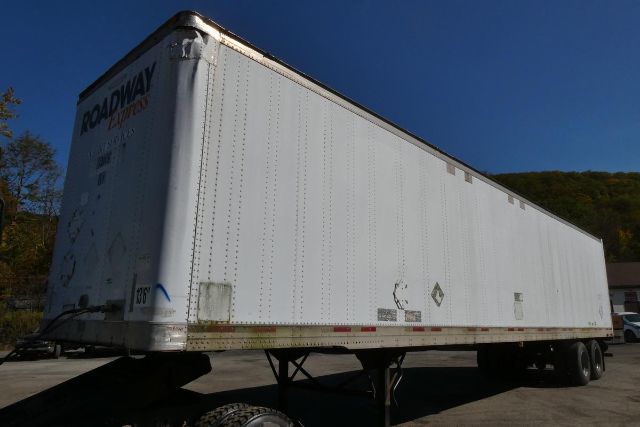
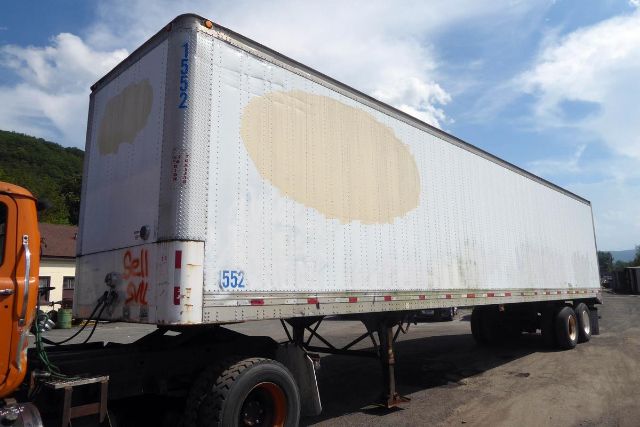

Selling a trailmobile dry van trailer? List your trailmobile dry van trailer for sale and reach thousands of commercial buyers.
Trailmobile Dry Van Trailers in New York
Choose length, width, and rear-door style around the freight and delivery points rather than the Trailmobile badge alone. A 45- or 48-foot van can suit regional distribution and tighter yards, while a 53-foot configuration favors cube-intensive highway freight where routing permits. Compare 96- and 102-inch exterior widths using actual interior and door-opening measurements. Roll-up doors suit frequent dock stops but sacrifice clearance beneath the raised door; swing doors need room behind the trailer. Dry freight trailers protect packaged goods from weather but do not provide refrigerated temperature control.
Floor strength and cargo securement matter more than cosmetic panel dents. Check wood flooring for soft spots, broken planks, and separation from the crossmembers, and match the floor rating to concentrated forklift loads. Inspect E-track attachment points and scuff liners for impact damage. Aluminum roofs need sound seams and patches; translucent roofs need checks for cracking, brittleness, and leaks. For used Trailmobile vans, request brake, wheel-end, tire, and structural repair records, then test slider movement, locking-pin engagement, door operation, and air-system leakage. Verify suspension type rather than assuming every tandem van has air ride.
Regional grocery, consumer-goods, and manufacturing freight along I-90 and I-81 places a premium on dependable doors, dry interiors, and legal axle distribution. Downstate deliveries add tighter yards, bridge clearances, and route restrictions to the specification. New York parkways generally prohibit commercial trucks, and a trailer's rated capacity does not override highway weight limits or bridge restrictions. Confirm the complete tractor-trailer route, including terminal access, before choosing length and height; a highway-compatible box trailer may still be unsuitable for the final delivery.
A Trailmobile described as new or unused still needs its build date, storage history, and warranty status verified. Write required dimensions, suspension, door opening, and floor capacity into the purchase specification rather than assuming an older design matches current fleet standards. Inspect stored tires, seals, and brake components even without road mileage. Qualifying new heavy trailers can incur the 12% federal excise tax at first retail sale in the United States; confirm tax treatment and any applicable exemptions instead of treating unused equipment as automatically exempt.
Frequently Asked Questions about Trailmobile Dry Van Trailers in New York
Should I choose a 96-inch or 102-inch-wide Trailmobile dry van for pallet freight?
A 102-inch-wide Trailmobile dry van is the safer starting point for loading two 48-inch-wide pallets side by side. Exterior width is not usable interior width, and posts, liners, and cargo-control hardware reduce clearance. Measure the narrowest interior section and rear opening, then account for pallet overhang and loading tolerance. A 96-inch exterior-width van cannot provide a full 96 inches of clear interior width.
Can I convert a spring-ride Trailmobile dry van to air ride?
Converting a spring-ride Trailmobile dry van to air ride requires an engineered suspension installation, not simply replacing leaf springs with air bags. Frame condition, mounting geometry, axle compatibility, ride height, and slider design must support the proposed system. Obtain approval from a qualified suspension installer before buying for conversion, and compare the required fabrication with choosing a trailer already equipped with suitable air suspension.
Can I use a 53-foot Trailmobile dry van for deliveries in New York City?
New York City generally prohibits 53-foot trailers, with limited authorized routing exceptions. A 53-foot Trailmobile dry van that is legal on an interstate is not automatically legal on city streets or at a delivery address. Verify the current NYC DOT rules for the exact route and destination before dispatch. A shorter trailer still needs a legal truck route, adequate turning clearance, and sufficient overhead clearance.
What model year Trailmobile dry vans are required to have ABS?
March 1, 1998 is the key manufacturing-date cutoff for ABS on U.S.-market air-braked Trailmobile dry van trailers. Model year alone is insufficient because the actual production date controls the federal manufacturing requirement. Check the certification label, ABS warning lamp, wheel-speed sensors, wiring, and controller diagnostics. Earlier trailers are not automatically subject to a federal ABS retrofit requirement solely because they remain in service.
Does a 65,000-pound GVWR Trailmobile dry van carry 65,000 pounds of freight?
A 65,000-pound trailer GVWR does not mean a Trailmobile dry van can carry 65,000 pounds of freight. GVWR includes the trailer's own weight, and legal payload is also constrained by tractor weight, axle limits, tire ratings, and load distribution. The standard federal Interstate gross combination limit is 80,000 pounds, subject to exceptions and bridge-formula requirements. Use actual scale weights rather than subtracting an estimated trailer weight alone.