
2012 Dry Van Trailers For Sale
Compare 2012 dry van trailers for sale by floor strength, wall construction, tandem condition and repair history for U.S. and Canadian freight service.
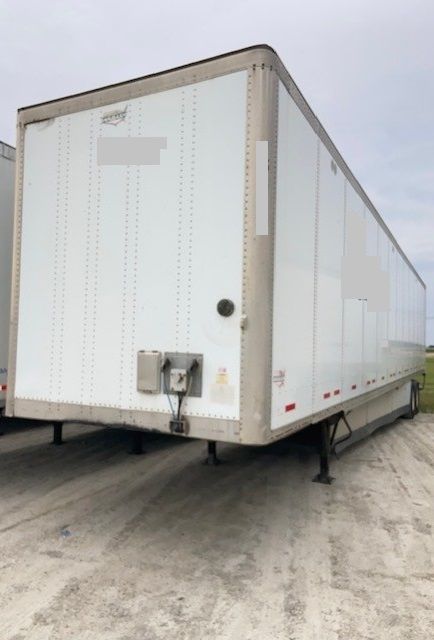
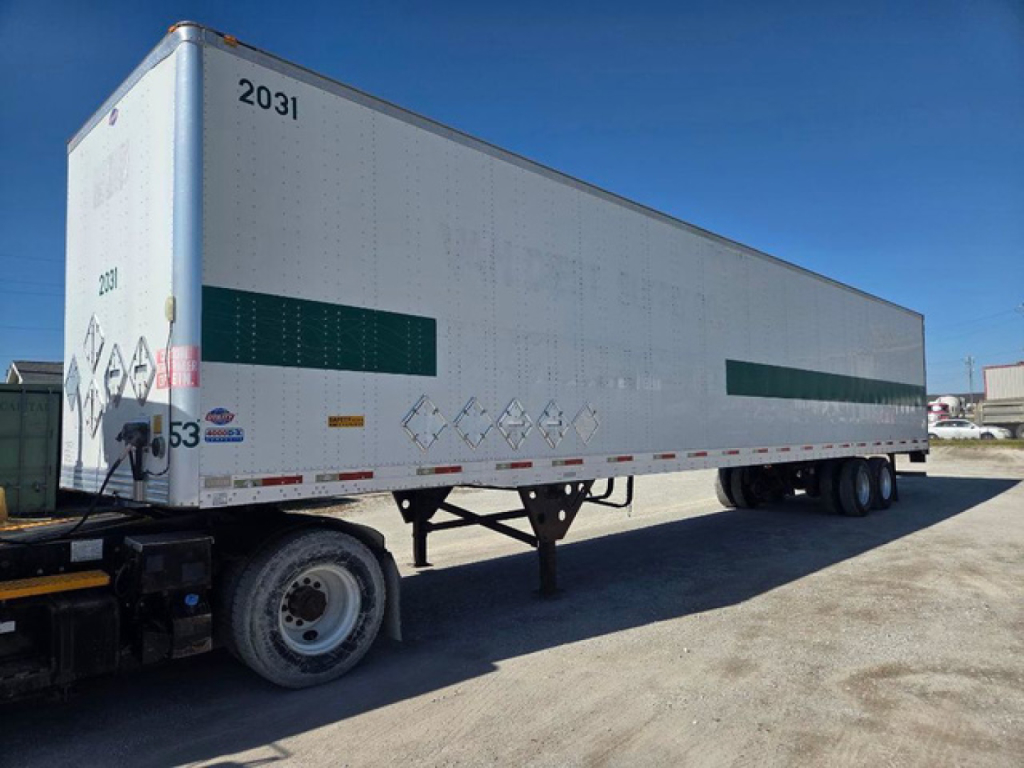

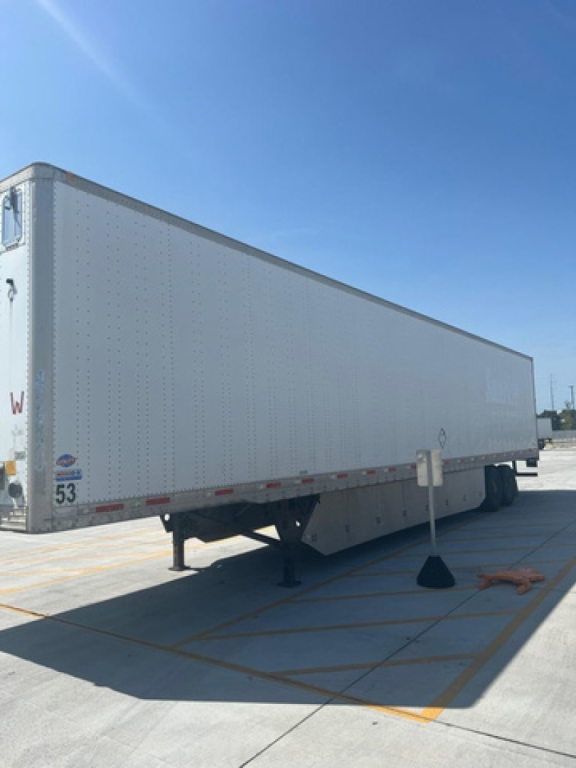
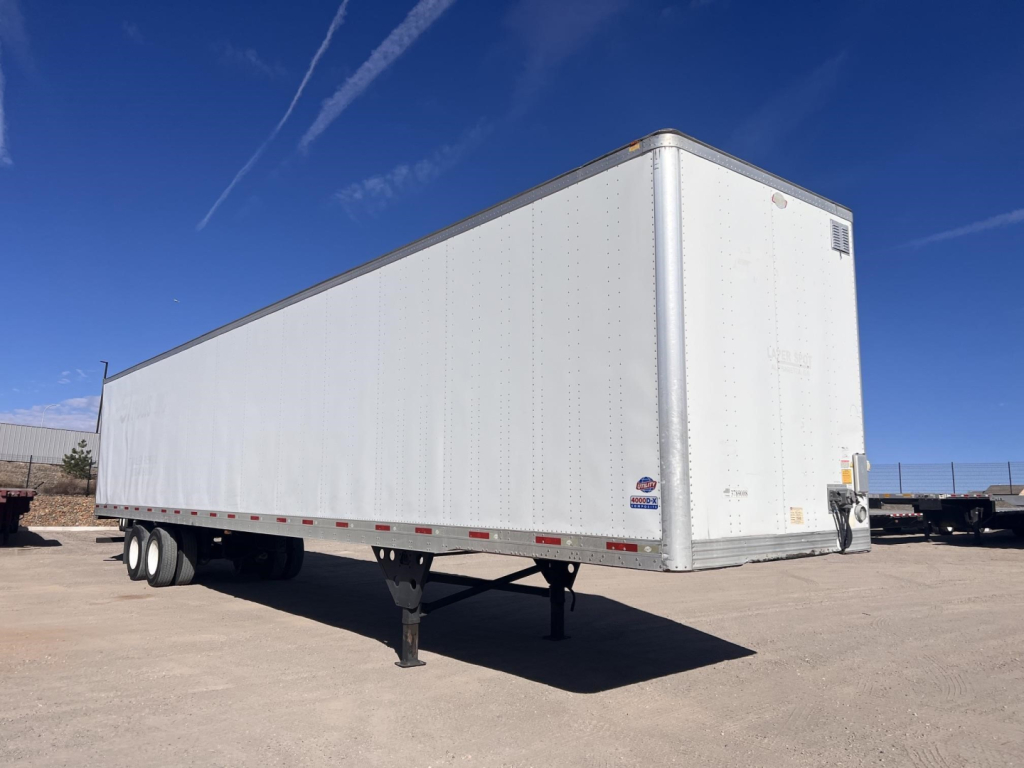
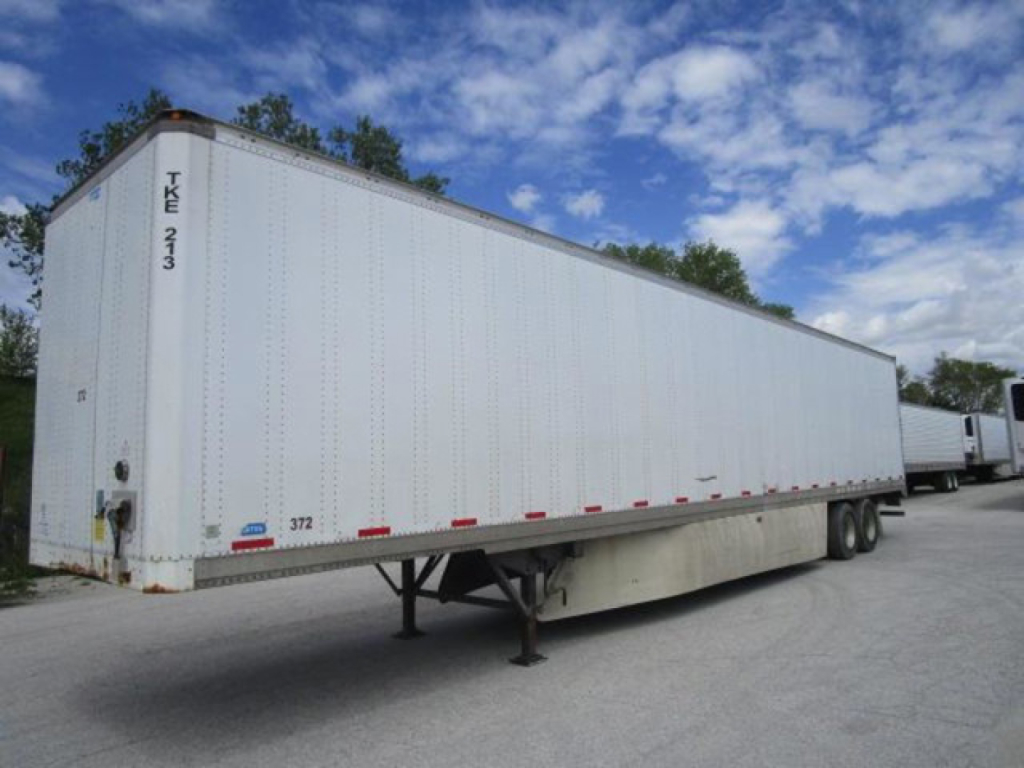
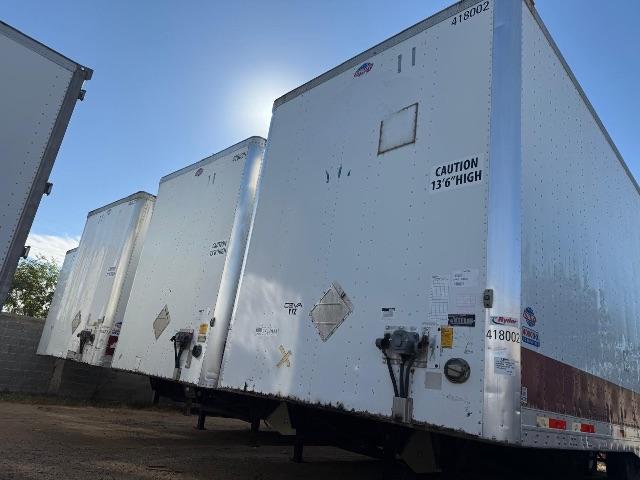
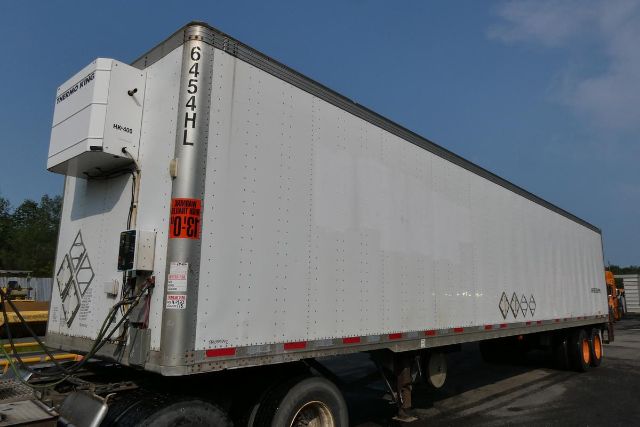
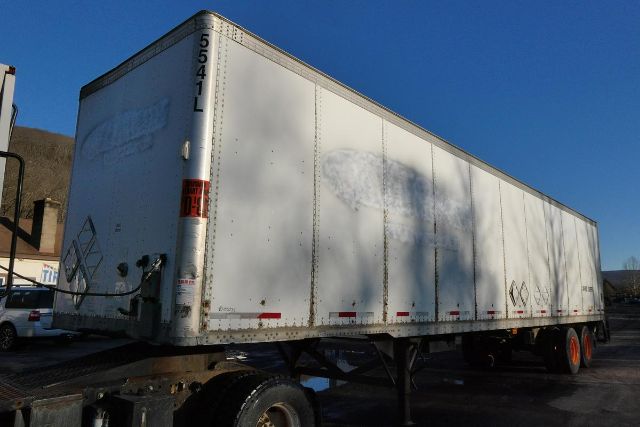
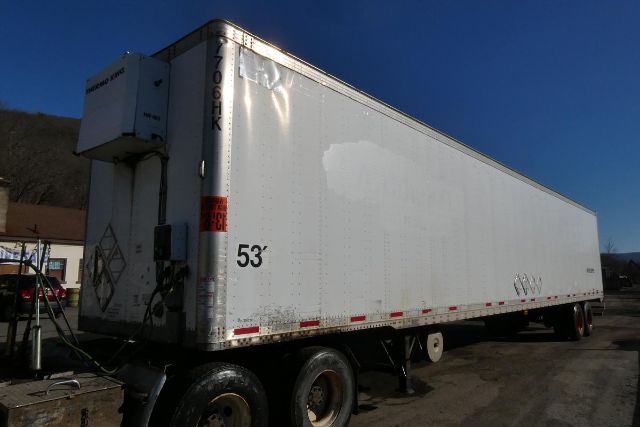

Selling a 2012 dry van trailer? List your 2012 dry van trailer for sale and reach thousands of commercial buyers.
2012 Dry Van Trailers
Wabash DuraPlate HD, Utility 4000D-X and Vanguard VXP are established model lines from the 2012 production era. Compare composite or plate walls with sheet-and-post construction using the original build sheet, actual interior clearance and repair method. Logistics posts, cargo-control tracks and scuff liners need to match the freight and remain securely attached.
On a used 2012 van, inspect the wood floor from above and below for soft spots, patched boards and broken crossmembers. Examine the upper coupler and kingpin, landing gear mounts, slider rails and rear impact guard for cracks, corrosion or poorly documented repairs. Operate every slider lock, check air bags and suspension bushings, and measure brake and tire wear. Air-ride suspension helps protect freight, while a sliding tandem lets operators balance axle loads within route-specific limits. Roof seams, front corners and door seals deserve a water-leak check before moisture-sensitive freight goes aboard.
Salt exposure in northern U.S. states and Canadian provinces makes subframe corrosion a priority; state and provincial axle-spacing and weight rules can also change which tandem setting is legal. An unused 2012 trailer described as new needs its original build sheet, age-related tire, seal and air-system checks, and written confirmation of warranty eligibility and its start date. For a qualifying first retail sale in the United States, the 12% federal excise tax may apply to a new heavy trailer; a used sale does not automatically trigger that tax.
Frequently Asked Questions about 2012 Dry Van Trailers
How do I know whether a 2012 dry van floor can handle my forklift?
The manufacturer's floor rating for concentrated forklift loading is the key specification, not the trailer's GVWR. For a 2012 dry van, compare the documented floor rating with the loaded forklift's axle loads and tire contact areas. Repairs, moisture damage and weakened crossmembers can reduce practical capacity even when the original rating was sufficient. Obtain a structural assessment if the floor's condition or repair history is uncertain.
How do I check ABS on a 2012 dry van trailer?
The ABS warning lamp on a 2012 dry van trailer should illuminate during its powered self-check and go out when no active fault is detected. Test with a compatible tractor supplying proper trailer ABS power, then retrieve fault codes if the lamp remains on. Inspect wheel-speed sensor wiring, connectors and the ABS power circuit. A lamp that never illuminates is not proof of a healthy system.
Does a 2012 dry van trailer need side skirts in California?
Covered 53-foot dry van trailers operating in California must meet CARB's Tractor-Trailer Greenhouse Gas Regulation, including applicable aerodynamic and low-rolling-resistance tire requirements. A 2012 model year does not by itself provide an exemption. Side skirts are one aerodynamic compliance option, not proof that the entire trailer complies. Verify qualifying equipment and any use-based exemption before assigning the trailer to California freight.
What should I check before importing a U.S. 2012 dry van trailer into Canada?
Canadian import eligibility, certification labels and rear impact guard compliance must be verified before buying a U.S. 2012 dry van trailer. For trailers under 15 years old, check the Registrar of Imported Vehicles requirements and the manufacturer's compliance information. Canada's 15-year federal import exemption is measured from the manufacture date, not the advertised model year. Provincial registration and inspection requirements still need separate review.
Should I replace the tires on an unused 2012 dry van trailer?
Tires original to a 2012 dry van trailer should be budgeted for replacement rather than accepted solely on tread depth. Verify each tire's DOT date code and inspect sidewalls, bead areas and evidence of prolonged underinflation. Storage does not stop rubber aging, and unused tread does not establish roadworthiness. Include valve stems and any tire inflation system hoses in the tire inspection.