
Dry Van Trailers For Sale in South Dakota
Compare dry van trailers for sale in South Dakota by door clearance, floor rating, winter corrosion, and axle setup for I-29 and I-90 freight.
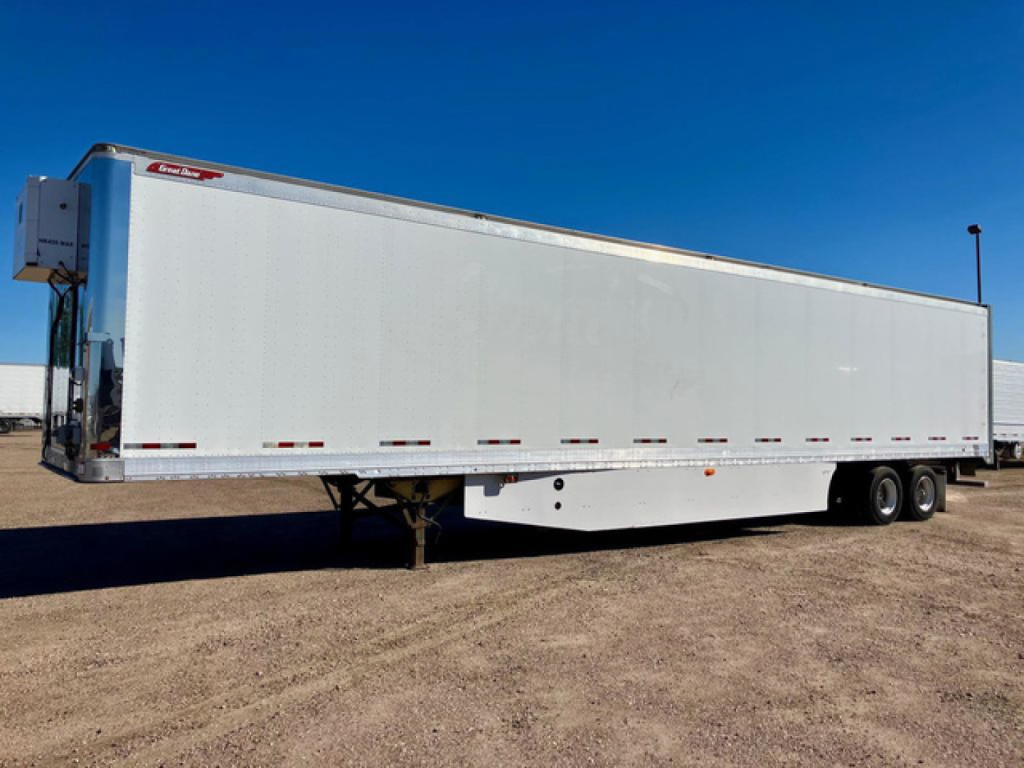
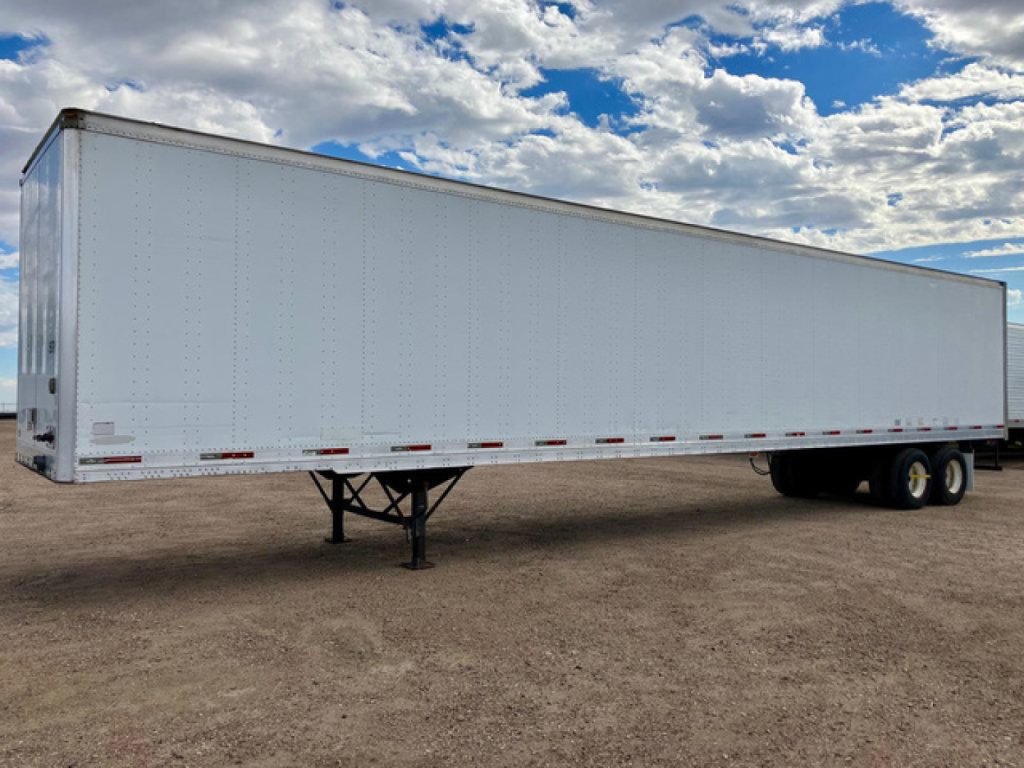

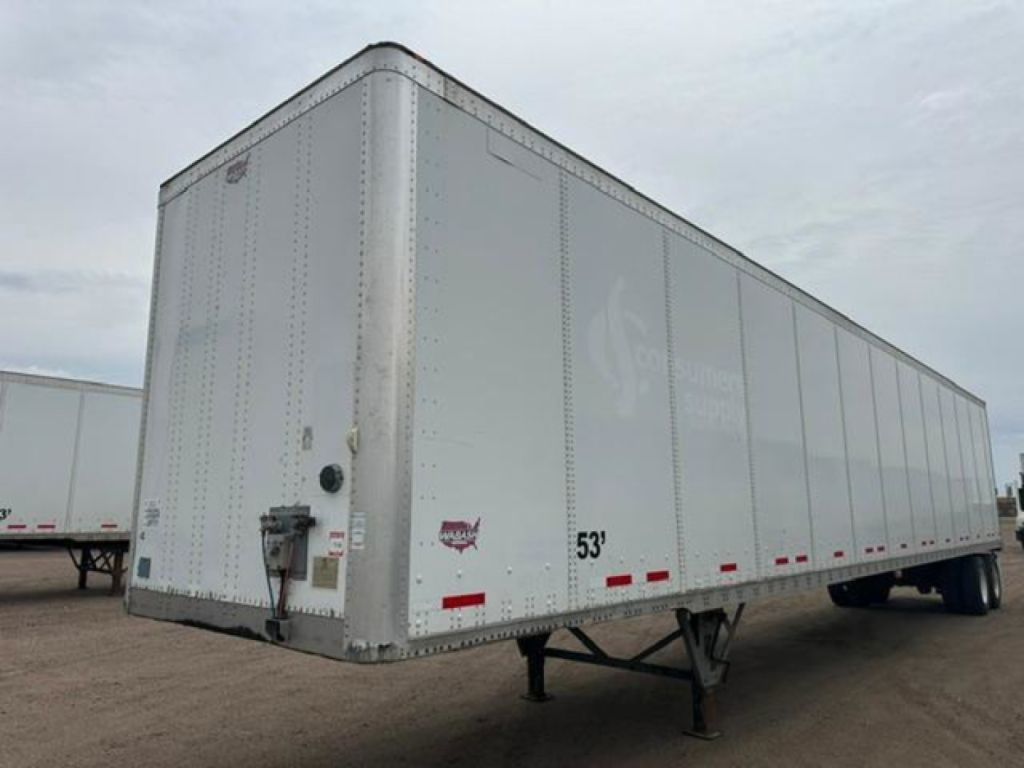
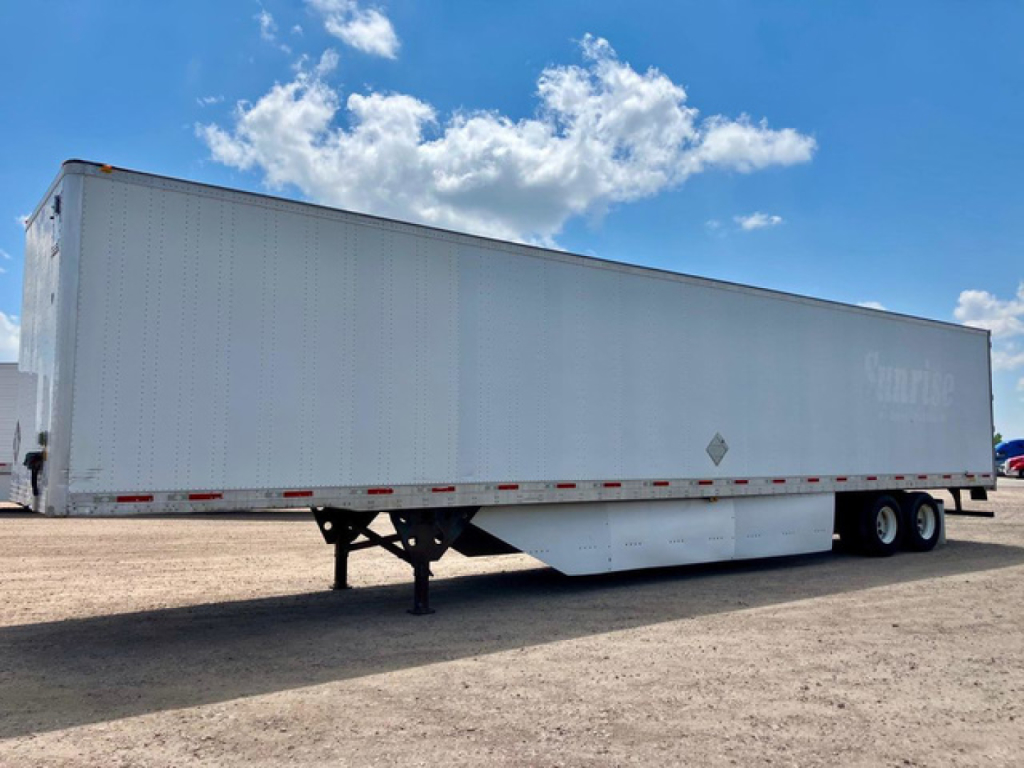
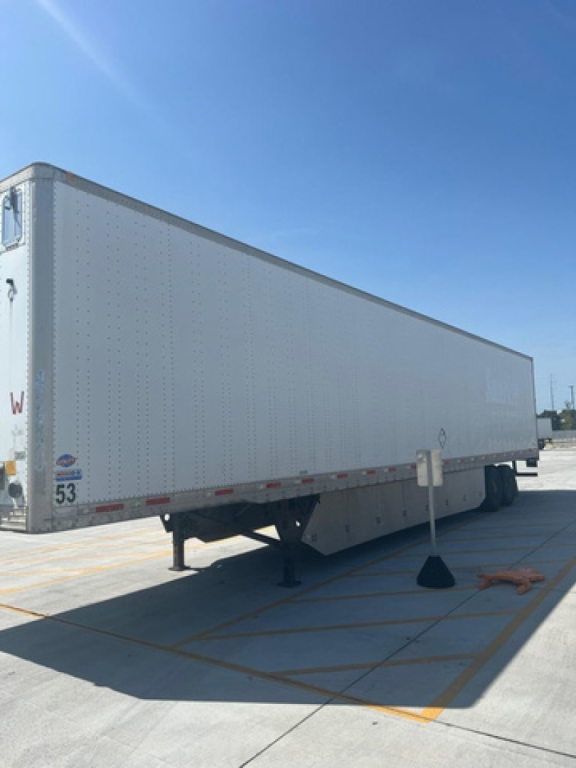
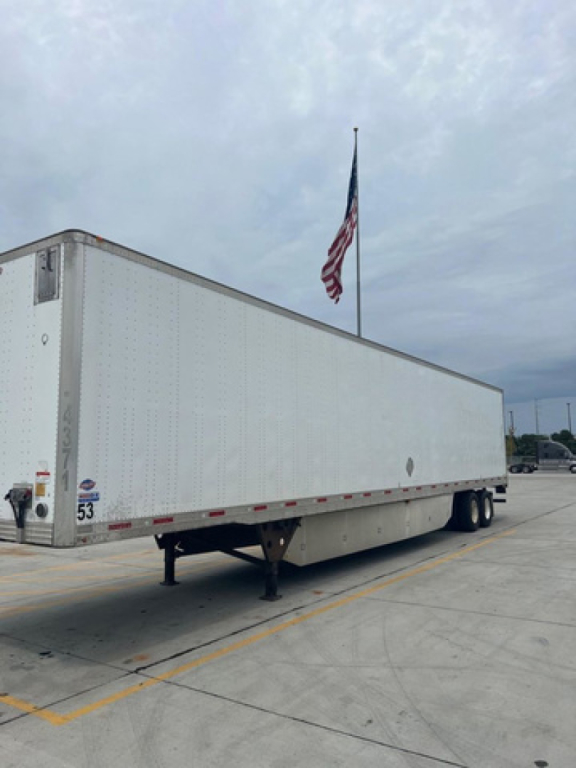
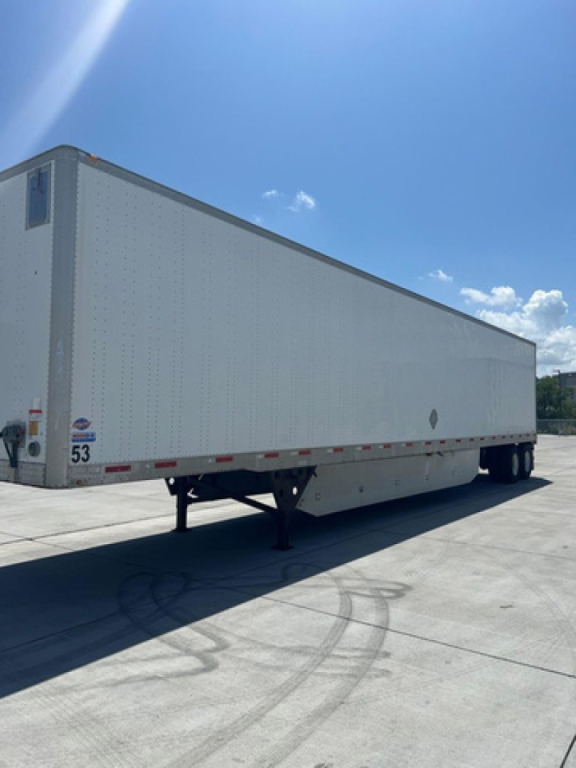
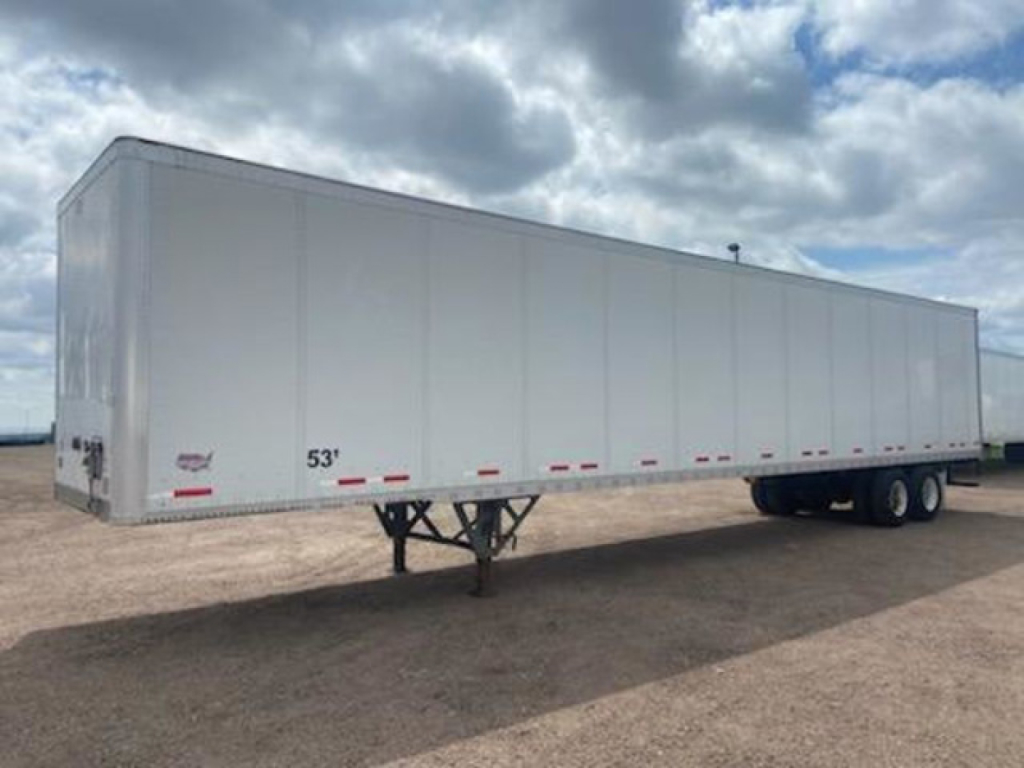
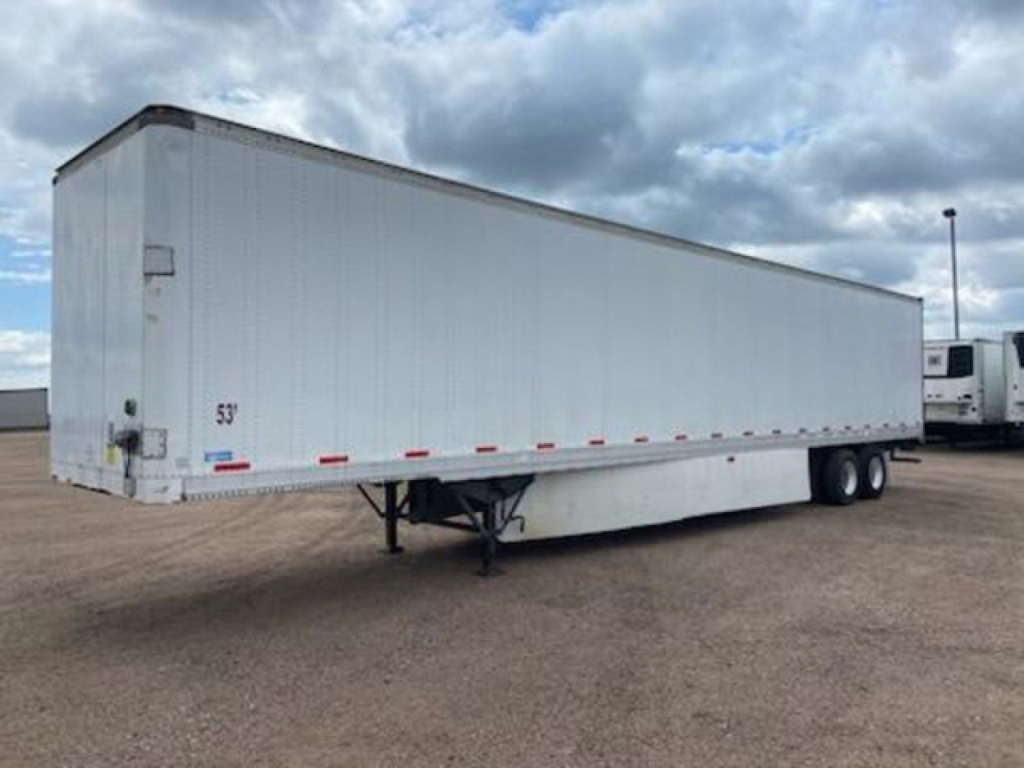
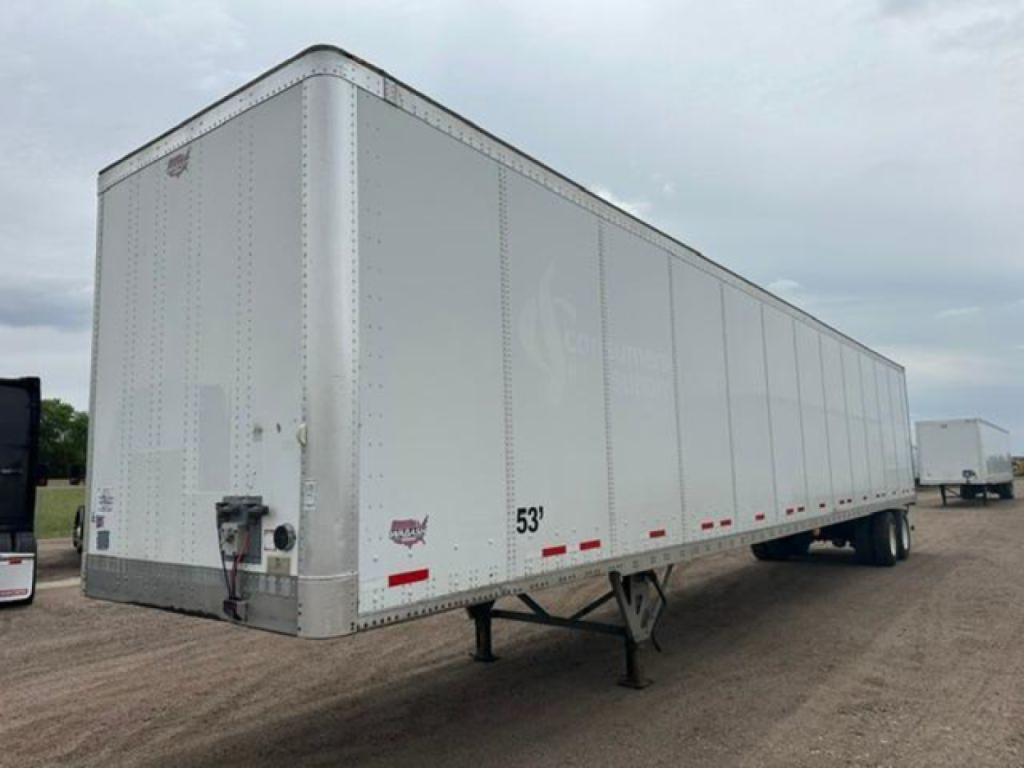
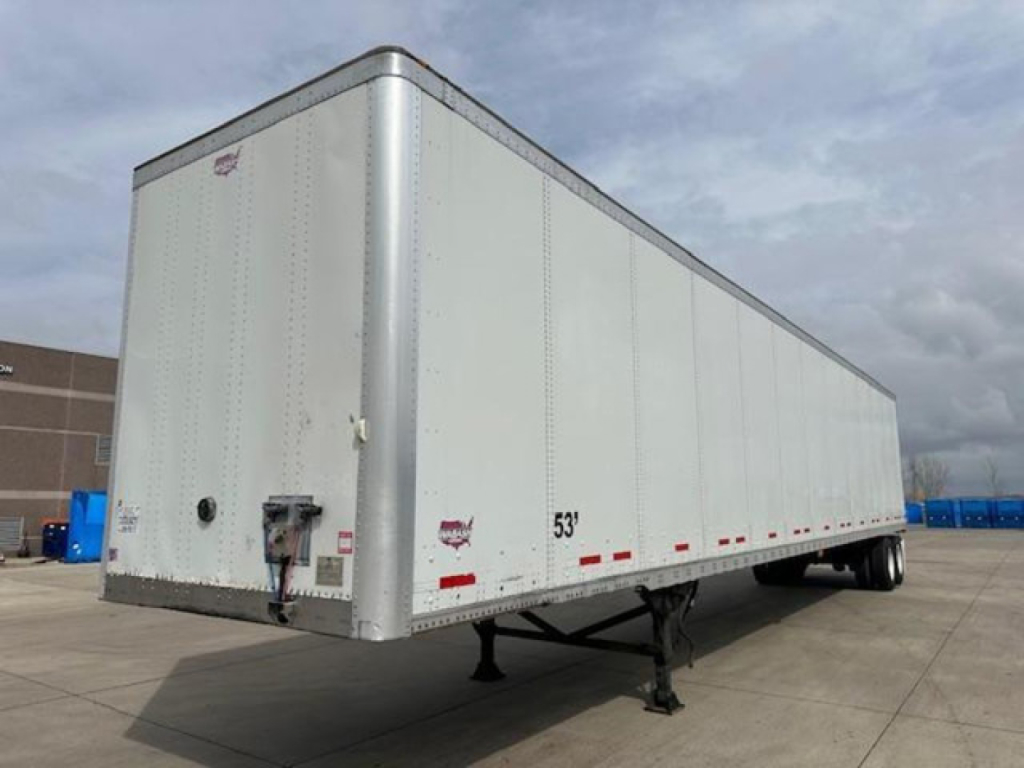
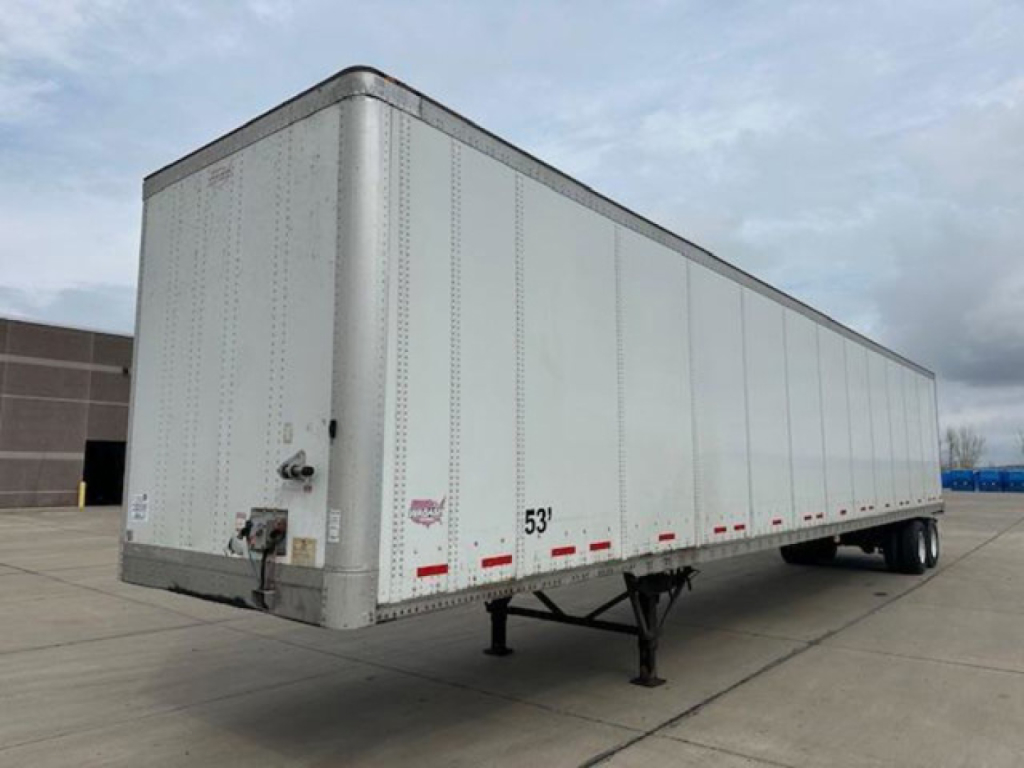

Showing 1 to 28 of 40 results
Selling a dry van trailer? List your dry van trailer for sale and reach thousands of commercial buyers.
Dry Van Trailers in South Dakota
Used dry freight trailers need close inspection for deicing chemical corrosion around crossmembers, suspension hangers, landing gear, and the rear frame. Check roof seams, door seals, floor repairs, brake records, and ABS fault history; older trailers may need hoses, bushings, and air springs replaced. For new trailers, specify floor capacity, door configuration, and corrosion protection before ordering, and confirm separate structural, axle, and component warranty terms. Budget for the 12% federal excise tax where applicable to qualifying new heavy trailers.
Frequently Asked Questions about Dry Van Trailers in South Dakota
Can a dry van keep freight from freezing during a South Dakota winter?
An unheated dry van cannot reliably keep freight above freezing during a South Dakota winter. A dry freight trailer protects cargo from precipitation but does not maintain a controlled temperature. Products with minimum temperature requirements need appropriately equipped temperature-controlled transportation. Confirm the shipper’s temperature limits before assigning liquids, adhesives, or other freeze-sensitive freight to a standard box trailer.
How much weight can a dry van trailer legally haul in South Dakota?
The Federal Bridge Formula and South Dakota route limits govern legal combination weight, not the dry van trailer’s length alone. Use 80,000 pounds as the standard federal Interstate gross-weight reference, not automatic authorization for every configuration. State-authorized exceptions, axle-group limits, seasonal postings, and equipment ratings require separate checks. Sliding the tandems redistributes axle weight but does not increase the trailer’s rated capacity.
How do I know whether a dry van floor can handle my forklift?
Compare the dry van manufacturer’s floor rating with the loaded forklift’s axle loading, not just the shipment’s total weight. Ask which forklift axle load and test standard the stated rating covers. Small, hard forklift tires concentrate force on floorboards and supporting crossmembers. Repairs, rot, cracked boards, or weakened crossmembers can make an older trailer unsuitable even when its original floor specification was adequate.
Should I choose an aluminum or translucent roof for a South Dakota dry van?
An aluminum roof provides an opaque cargo space, while a translucent roof admits daylight for loading a dry van trailer. Choose based on cargo requirements and loading practices rather than assuming either roof provides temperature control. Inspect aluminum panels for punctures and failed seams; inspect translucent panels for cracking, weathering, and previous patches. South Dakota hail exposure makes roof condition and repair quality especially worth checking.
What inspection paperwork should I request when buying a used dry van in South Dakota?
Dry van trailers used in federally regulated interstate commerce must pass a periodic inspection at least once every 12 months. Request the latest inspection report, documentation identifying the trailer, and repair records showing how noted defects were corrected. Brake measurements, wheel-end service, tire replacement, and ABS repairs provide useful maintenance history. A current inspection does not replace a purchase inspection of the floor, roof, frame, and suspension.