
1999 Dry Van Trailers For Sale
Compare 1999 dry van trailers for sale by floor strength, roof condition, suspension and door opening to choose a roadworthy freight or storage trailer.
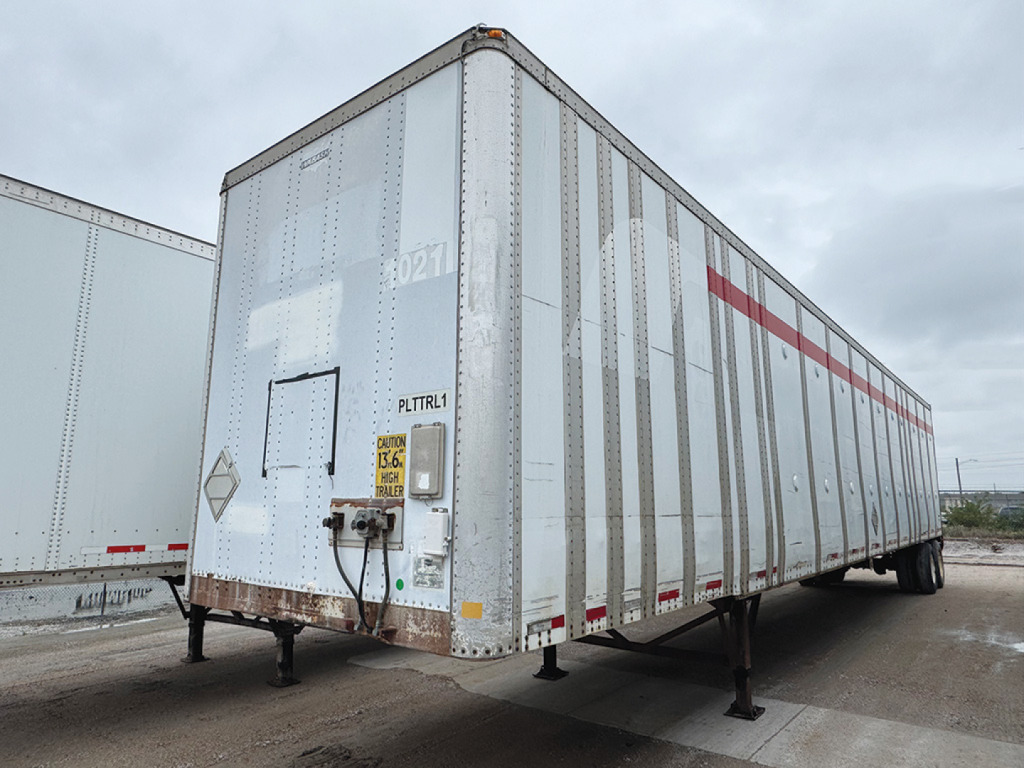
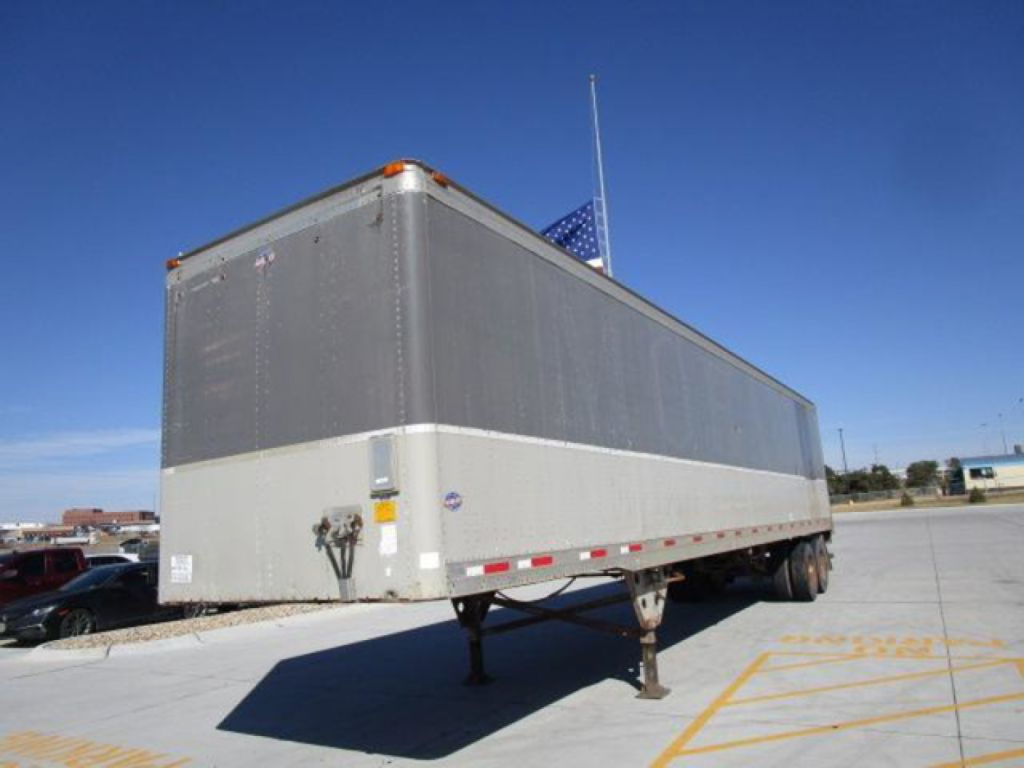
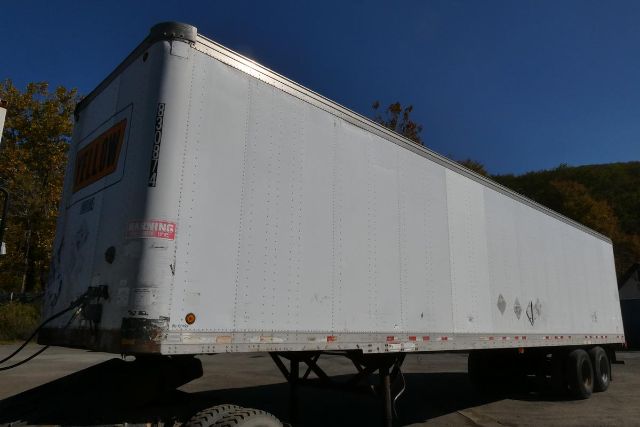
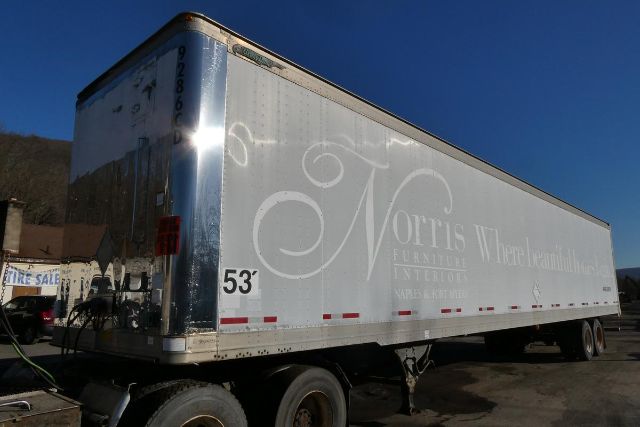
Selling a 1999 dry van trailer? List your 1999 dry van trailer for sale and reach thousands of commercial buyers.
1999 Dry Van Trailers
A 1999 model is old enough that replacement components and documented repairs matter more than original specifications. Across makes such as Fruehauf, Great Dane, Trailmobile and Utility, inspect floorboards, steel crossmembers, lower rails, kingpin plate and rear sill for rot, corrosion or distorted repairs. Aluminum skins can conceal rusted steel structure underneath. Check roof seams and patches for leaks; aging translucent roof panels also need scrutiny for cracking. Air ride adds airbags, height control valves and plumbing to inspect, while spring suspensions require checks of hangers, bushings and leaf packs.
For road service in the United States or Canada, verify brake operation, ABS function, wheel seals, bearing condition, tire dates and tandem slider locking pins. Federal U.S. rules required ABS on air-braked trailers manufactured on or after March 1, 1998; confirm the build date and installed system. Snow Belt and Canadian salt exposure makes suspension mounts and brake hardware particular concerns. Sliding tandems help distribute axle loads, but trailer GVWR is not a legal payload allowance. Check axle weights, bridge limits and route restrictions for each state or province.
A 1999 trailer described as new or unused still needs age-related inspection of tires, seals, wiring and stored components. Verify title history, actual service history and any written warranty rather than assuming factory coverage. For a qualifying heavy trailer entering its first U.S. retail sale, confirm whether the 12% federal excise tax applies. Specify required door clearance, floor capacity and suspension before committing to either condition.
Frequently Asked Questions about 1999 Dry Van Trailers
How do I know whether a 1999 dry van floor can handle my forklift?
The floor's concentrated load rating, not trailer GVWR, determines whether a 1999 dry van can safely support your loaded forklift. Obtain the original floor rating or a qualified structural assessment if documentation is missing. Compare the forklift's loaded axle weight and tire contact area with that rating. Replacement boards alone do not restore capacity when crossmembers, fasteners or lower rails have deteriorated.
Can I run a 1999 53-foot dry van on any route?
No. A 53-foot dry van must meet the length, axle-spacing and weight rules for its operating route. Standard U.S. Interstate limits generally include 34,000 pounds on a tandem and 80,000 pounds gross, subject to the federal bridge formula and applicable exceptions. State kingpin-to-rear-axle restrictions can affect slider position. Canadian limits vary by province, axle spacing and configuration, so verify the complete tractor-trailer combination before dispatch.
Is a 1999 dry van suitable for long-term storage?
A structurally sound, watertight 1999 dry van can serve as storage, but an uninsulated box does not control temperature or condensation. Use a level, prepared site with stable landing-gear support and adequate drainage. Check zoning and placement requirements before parking the trailer permanently. Moisture-sensitive products may need ventilation or dehumidification, and heavy loading still requires a sound floor and properly supported trailer.
What maintenance work should I budget for on a 1999 dry van?
Wheel-end service, brake repairs and door-system rebuilding are major reconditioning items to assess on a 1999 dry van. A shop inspection should include bearing adjustment, lubricant condition, seals and brake linings, not just an exterior walkaround. Leaking wheel seals can contaminate linings and expand the repair scope. Roll-up door cables, springs and rollers also require attention, especially when the door binds or will not stay balanced.