
2026 Fontaine Lowboy Trailers For Sale in Ohio
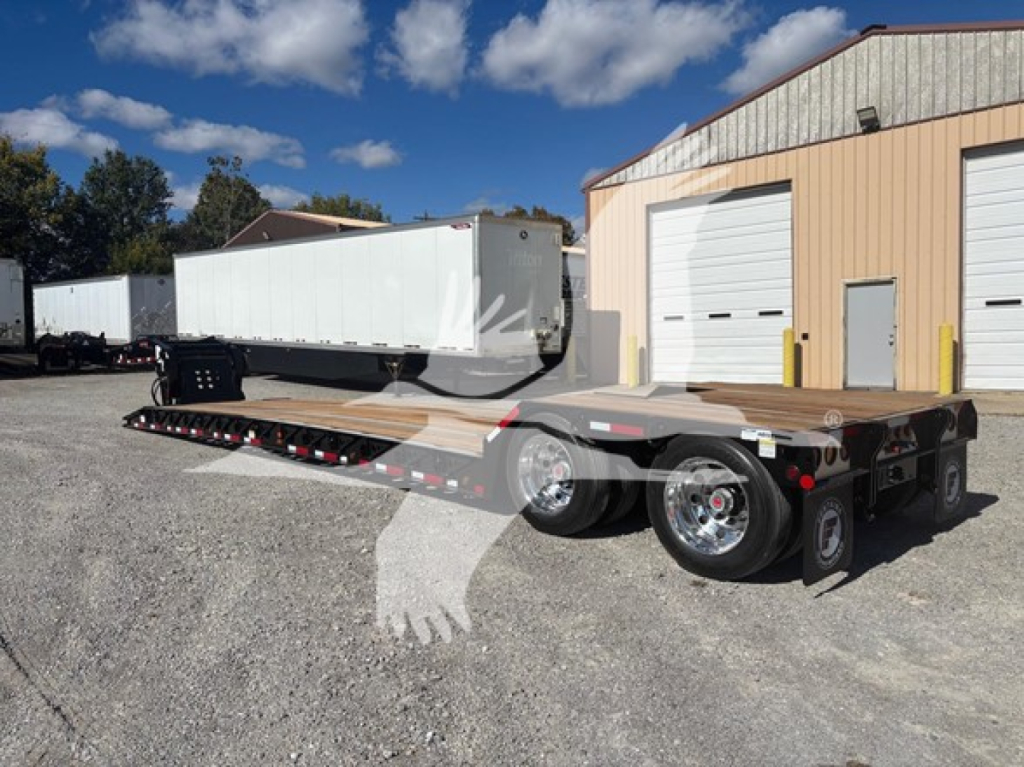
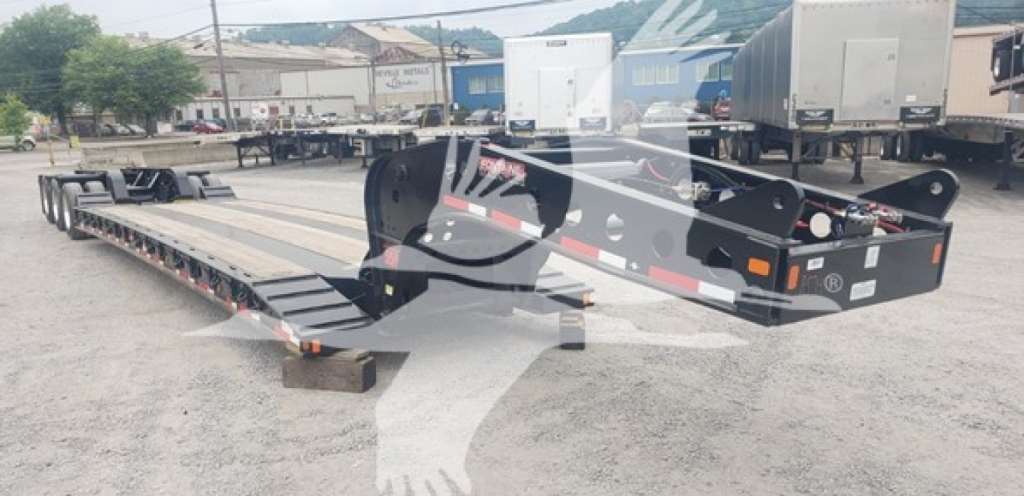
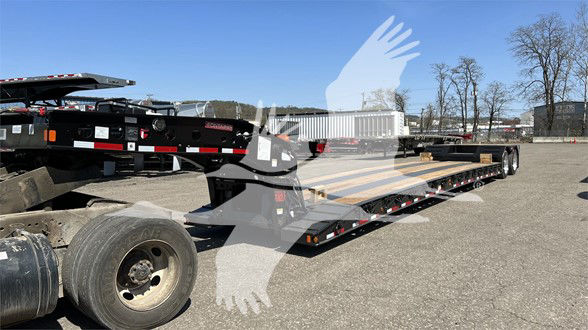
Have 2026 fontaine lowboy trailer to sell? List it here to reach thousands of buyers.
2026 Fontaine Lowboy Trailers in Ohio
Deck height and gooseneck design have a direct effect on what the trailer can legally and efficiently haul. Fontaine lowboys are often spec'd with hydraulic detachable goosenecks, typically non-ground-bearing, which speeds loading for tracked and wheeled equipment. Main deck heights can vary from very low profiles in the mid-teens up into the low 20-inch range depending on the frame style, suspension, and intended application. A lower deck helps keep overall loaded height down, which matters when moving excavators, dozers, crushers, or other equipment that can quickly push a load over legal height. Buyers should also look closely at top deck length, clear deck length, rear deck design, and swing clearance. Features like low boom wells, recessed crossmembers, hammer plates, and load-bearing wheel covers can make a real difference when loading machinery with uneven weight distribution or low ground clearance.
Axle group and suspension spec matter just as much as published tonnage. Many Fontaine lowboy trailers in this range run tandem or tri-axle rear bogies with air ride suspension, air lift capability on one axle, and provisions for a flip axle connection at the rear. That gives a buyer flexibility when bridge laws, permit conditions, or jobsite access change from one load to the next. Tire sizes such as 255/70R22.5 or 275/70R22.5 are common, and aluminum outer wheels with steel inners are a typical balance of weight savings and durability. Suspension settings, axle spacing, kingpin setting, ride height positions, and loaded fifth wheel height all affect how the trailer matches the tractor and how weight is distributed across the combination. If the trailer will stay in Ohio or run throughout the Midwest, buyers should think through state-by-state axle spacing rules and whether a flip axle, jeep, or neck extension may be needed later.
The practical details are what separate a general-purpose lowboy from one that fits your freight mix. Outriggers, D-rings, chain slots, wood floor type, side rail design, and covered toolboxes all affect daily usability. Apitong flooring is a common premium choice because it stands up well to concentrated equipment loading. Mechanical ride height control valves, dump valves, liquid-filled gauges, rear strobes, and multiple tie-down points are standard features buyers often expect in a serious heavy haul trailer. A 2026 Fontaine lowboy is best evaluated by matching the trailer's rated capacity, loaded deck length, neck style, and axle expandability to the actual machines being moved, not just the highest tonnage number on the build sheet.
Frequently Asked Questions about 2026 Fontaine Lowboy Trailers in Ohio
What is the difference between a 40-ton and 55-ton Fontaine lowboy trailer?
The main difference is rated load capacity over a specified portion of the deck, along with the frame, axle group, and overall trailer build needed to support that weight. A 40-ton Fontaine lowboy is often a good fit for medium excavators, pavers, rollers, and similar machinery, while a 55-ton model is more appropriate for heavier construction equipment and higher concentrated loads. Buyers should verify not only the ton rating but also the rating length in the well, because a trailer rated for 55 tons in 12 feet is a different tool than one rated for 55 tons in 16 feet.
Why does deck height matter on a lowboy trailer?
Deck height directly affects overall loaded height, which is one of the biggest constraints in heavy haul work. A lower main deck allows taller equipment to stay closer to legal height and can reduce permit issues or route restrictions. It also helps with equipment stability during transport. Buyers moving high-profile machines should compare the loaded deck height, top deck height, and the actual height of the machines they haul most often before choosing a trailer spec.
What is a hydraulic detachable gooseneck on a Fontaine lowboy?
A hydraulic detachable gooseneck lets the front of the trailer disconnect so equipment can be driven onto the deck from the ground. This design is common on lowboy trailers because it makes loading easier for tracked and rubber-tire equipment and reduces the need for steep rear ramps. Fontaine detachable gooseneck lowboys are often spec'd as non-ground-bearing necks, which can improve loading speed and simplify operation, but buyers should confirm compatibility with their tractors, fifth wheel height, and intended loading environment.
Do I need a flip axle on a Fontaine lowboy trailer?
A flip axle is not required for every operation, but it is important for buyers who expect to haul loads that may need extra axle capacity or different bridge spacing. Many Fontaine lowboys are built with flip axle connections so the trailer can be expanded later as hauling needs change. If your freight regularly pushes legal axle limits, or if you operate in states with tighter bridge formula requirements, a trailer prepped for a flip axle can provide useful flexibility.
What specs should I compare first when shopping for a Fontaine lowboy trailer?
Start with capacity rating, rated deck length, deck height, gooseneck type, and axle configuration. After that, review suspension type, axle spacing, tire size, kingpin setting, outriggers, D-rings, flooring, and swing clearance. Those specs determine how the trailer handles real freight, how well it pairs with your tractor, and how easily it can be permitted. A lowboy that looks similar on paper can perform very differently once load height, machine length, and state weight rules are factored in.