
2026 Fontaine Trailers For Sale in Pennsylvania
Have 2026 fontaine trailer to sell? List it here to reach thousands of buyers.
2026 Fontaine Trailers in Pennsylvania
On the flatbed and drop deck side, the biggest decisions usually come down to weight versus abuse resistance. Fontaine aluminum and combo trailers are popular in steel, building materials, machinery, and general open-deck freight because they can help maximize payload while still offering practical details like winch tracks, sliding winches, pipe spools, nailing strips, and air-ride suspensions. Common lengths are 48 feet and widths are typically 102 inches. Spread axle setups, kingpin settings, crossmember spacing, landing gear spec, and floor type all matter because they affect bridge compliance, forklift loading, and long-term maintenance.
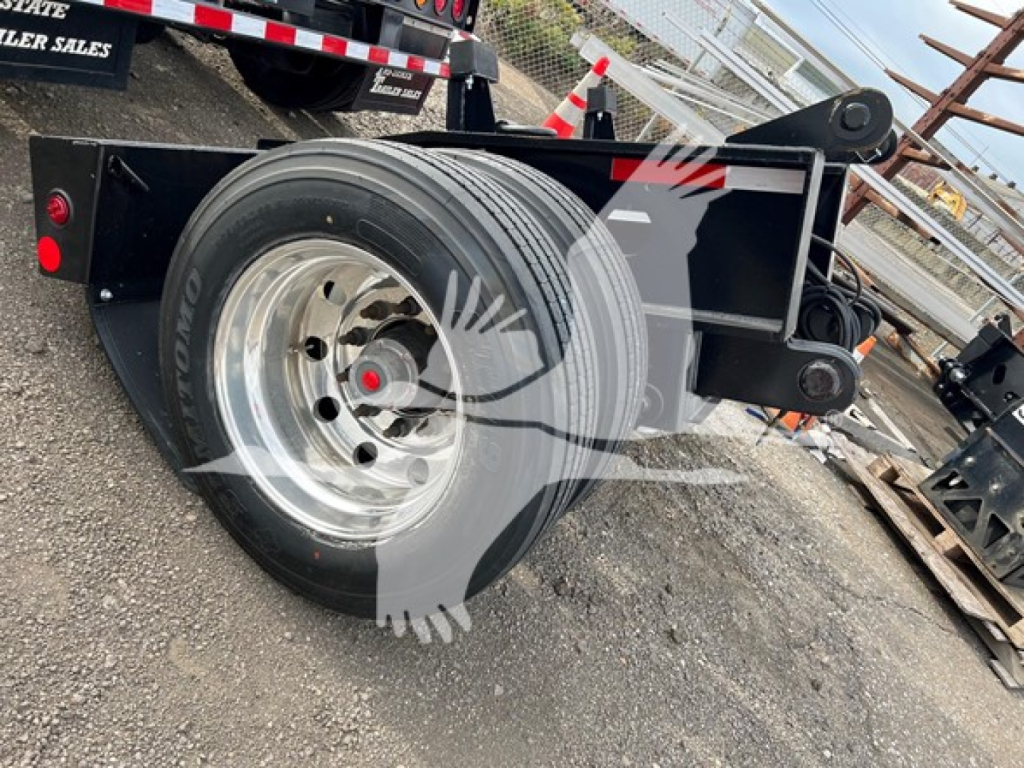
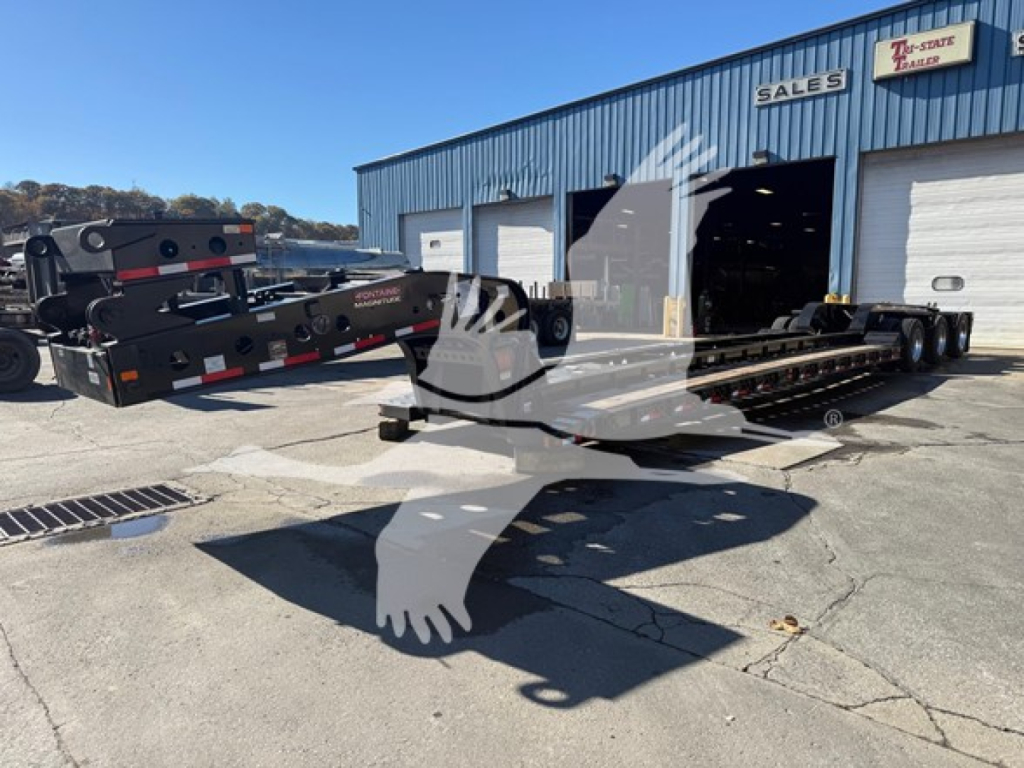
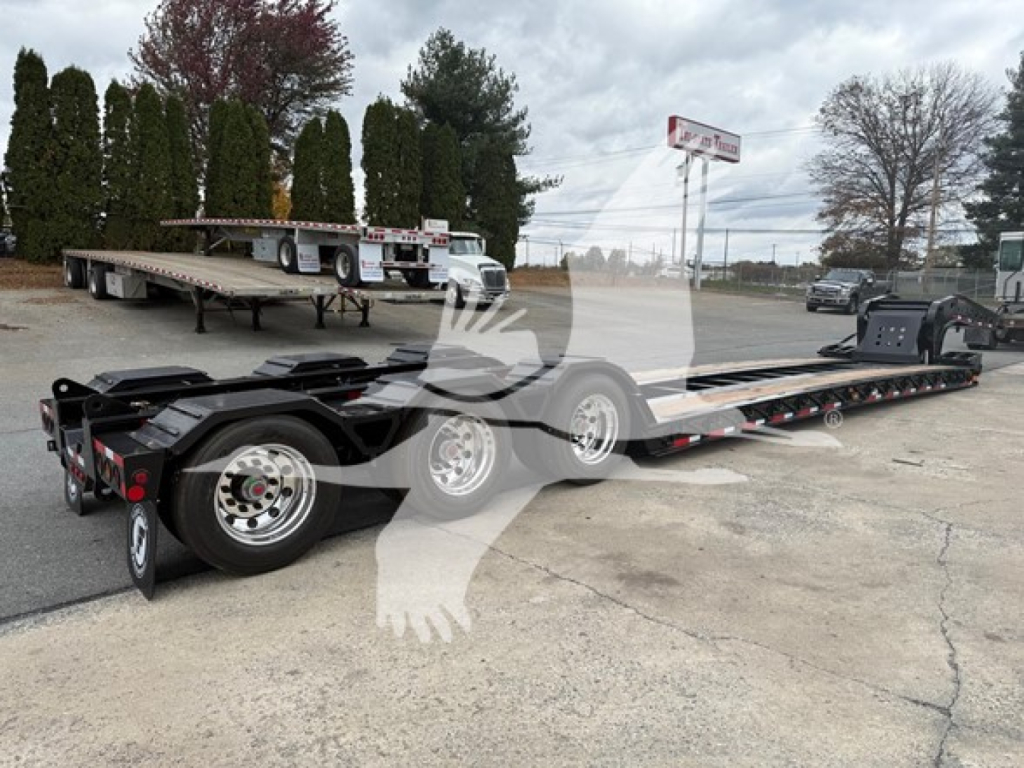
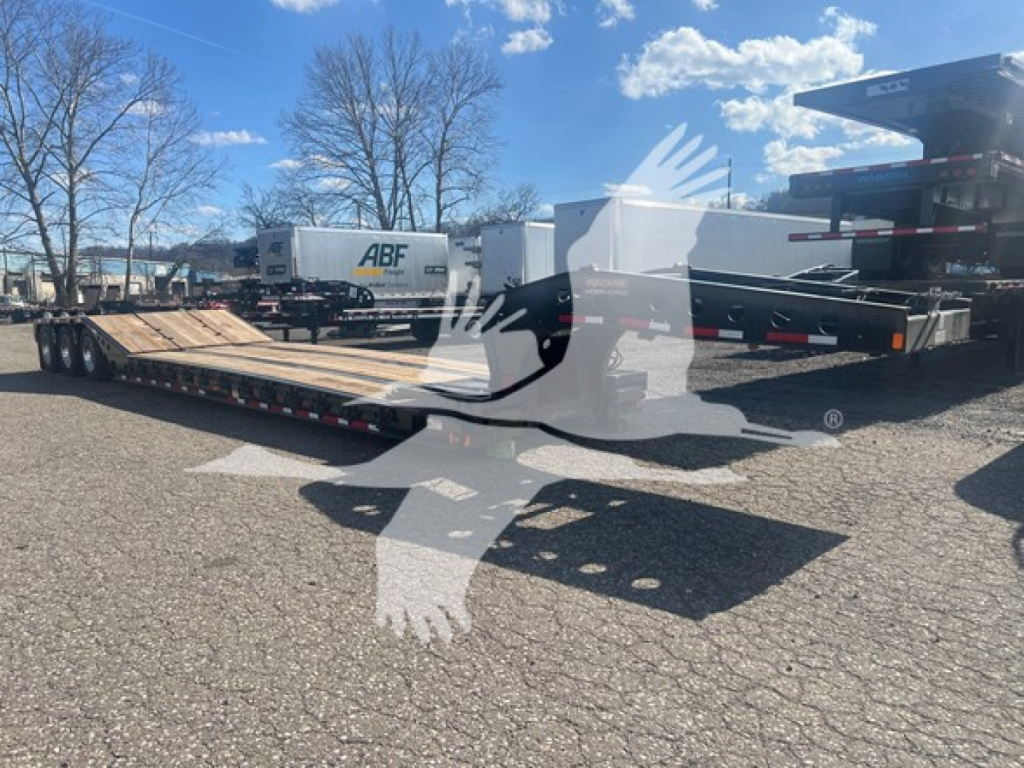
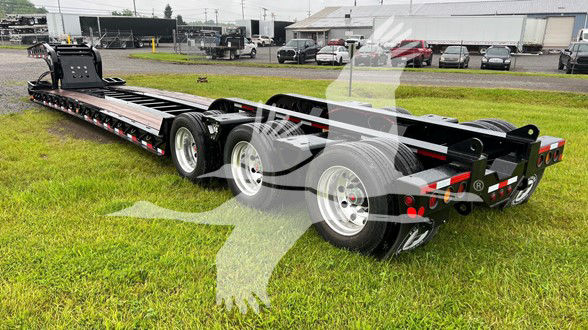
For buyers focused on heavy equipment transport, Fontaine lowboys and detachable gooseneck models are where the brand stands out. Models in the Magnitude and Renegade lines are built for high-capacity hauling with features such as hydraulic detachable necks, low deck heights, outriggers, D-rings, flip axle compatibility, air-ride suspension, dump valves, and modular or expandable configurations. Key specs to compare include ton rating in the well, loaded deck height, closed and open deck length, neck style, axle count, lift axle arrangement, and whether the trailer is designed to accept neck extensions, spreader bars, or flip boxes. Those details determine how well the trailer fits paving equipment, excavators, dozers, cranes, and other concentrated-load freight.
In Pennsylvania, trailer selection also tends to be influenced by terrain, state bridge considerations, and the type of freight moving through industrial, construction, energy, and agricultural corridors. A buyer comparing 2026 Fontaine trailers should pay close attention to suspension brand, tire size, wheel material, lighting package, deck flooring such as aluminum or Apitong, and tie-down layout. The right Fontaine spec is less about the badge alone and more about matching trailer weight, deck configuration, and securement hardware to the lanes and commodities you actually haul.
Frequently Asked Questions about 2026 Fontaine Trailers in Pennsylvania
What types of trailers does Fontaine commonly build?
Fontaine is best known for flatbed trailers, combo flatbeds, drop decks, and heavy-haul lowboy or detachable gooseneck trailers. The brand has a strong presence in open-deck freight and equipment transport because it offers lightweight aluminum designs for payload-focused work as well as specialized low-deck configurations for oversize and concentrated loads.
What should I compare first when shopping for a Fontaine trailer?
Start with the application. For general freight, compare deck length, floor construction, axle spread, suspension type, winch track layout, and overall tare weight. For equipment hauling, focus on ton rating, deck height, axle count, neck design, outriggers, D-ring placement, and compatibility with flip axles or deck extensions. Those specs will have more impact on day-to-day usefulness than model name alone.
Are Fontaine flatbeds and combo trailers good for payload-sensitive operations?
Yes. Fontaine has a strong reputation in aluminum and combo construction, which can reduce trailer weight compared with all-steel alternatives. That matters for operators hauling legal-weight freight such as lumber, steel products, palletized material, and machinery where every pound of trailer tare can affect revenue payload. The tradeoff is that the best spec depends on how much dock contact, forklift traffic, and jobsite abuse the trailer will see.
Why do deck height and axle configuration matter on a Fontaine lowboy?
Deck height directly affects how easily tall equipment can move under legal height limits, while axle configuration affects both capacity and weight distribution. A lower deck can make a major difference for excavators, pavers, and other tall machines. Axle count, lift axle design, and flip axle compatibility also determine how the load is spread, which matters for permitting, bridge law compliance, and how the trailer performs in tight jobsite conditions.
What trailer features are especially useful for Pennsylvania operations?
Pennsylvania buyers often benefit from specs that support mixed highway and secondary-road use, including air-ride suspension, durable flooring, strong securement options, and axle layouts that help with bridge and weight distribution concerns. For open-deck freight, practical features include winch tracks, sliding winches, and nailing strips. For heavy haul, removable outriggers, hydraulic detachable necks, and adaptable axle configurations are valuable for construction, industrial, and infrastructure work across the state.