
2026 Fontaine Trailers For Sale in Ohio
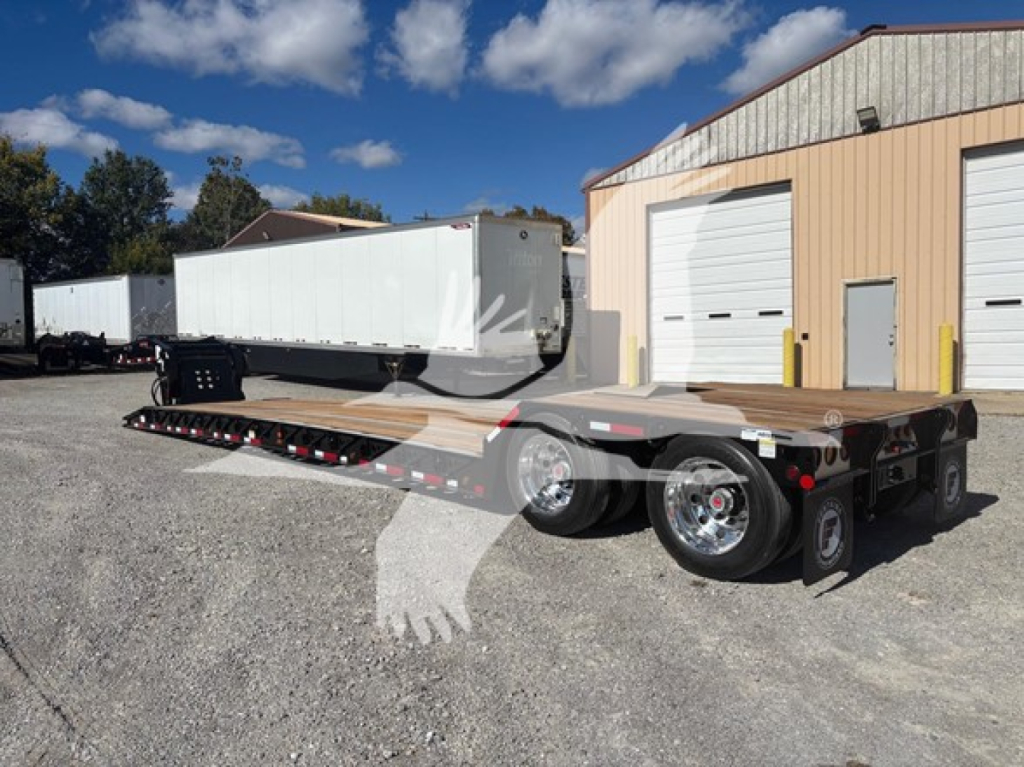
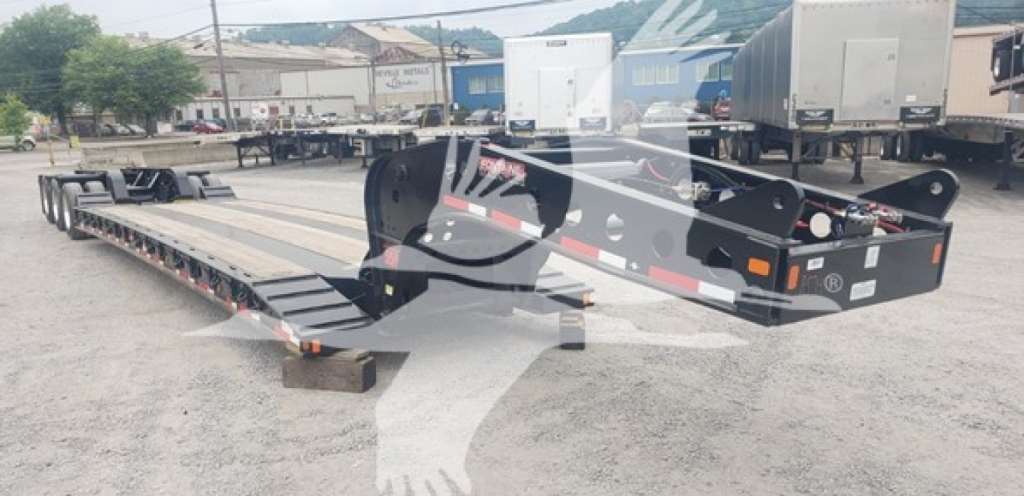
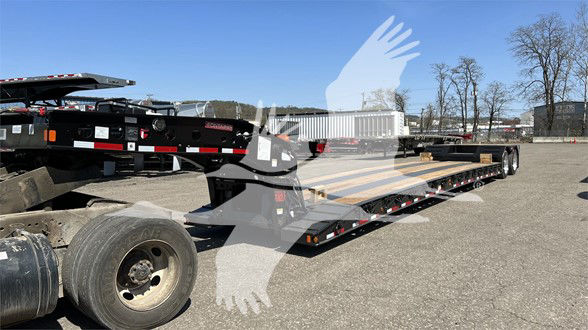
Have 2026 fontaine trailer to sell? List it here to reach thousands of buyers.
2026 Fontaine Trailers in Ohio
The first decision is usually trailer style and rated capacity. In this category, buyers often compare 30-ton, 40-ton, and 55-ton class Fontaine trailers, along with deck length, loaded deck height, and ground clearance. A lower loaded deck height can be critical for taller iron, while a longer main deck helps with machines that have wide track spacing or longer wheelbases. Many Fontaine heavy-haul designs use air ride suspensions, 102-inch overall width, concentrated load ratings over a specified deck section, and detachable neck systems that simplify loading without long rear ramps. Hydraulic detachable neck trailers tend to suit fleets loading multiple times per week, while mechanical detachable designs can reduce complexity for some operations.
Specification details matter more than the badge once the trailer is assigned to a real job. Buyers should pay close attention to kingpin settings, loaded fifth wheel height range, axle spacing, crossmember centers, swing radius, and whether the trailer is prepped for a flip axle or booster arrangement. Tie-down layout is another major consideration. D-rings, chain slots, removable swing outriggers, flag holders, and hammer plates all affect how efficiently the trailer can secure mixed equipment. Deck flooring also varies, with apitong and nominal wood common in this class. Suspension brand, ride height control, dump valves, lift axle configuration, tire size, and wheel material also influence maintenance cost and day-to-day usability.
For Ohio operation, practical buying factors include bridge law planning, permit routing, seasonal road conditions, and compatibility with the tractors already in the fleet. A Fontaine lowboy or double drop that matches your existing fifth wheel heights and axle strategy will save time every week. Buyers hauling asphalt equipment, agricultural machinery, or compact but tall construction units should also consider front approach design, rear bogie layout, and deck transitions, since those details affect loading angle and undercarriage clearance. The right 2026 Fontaine trailer is not just about tonnage on paper. It is about getting the proper deck length, neck style, securement package, and axle provisions for the exact freight mix the trailer will carry.
Frequently Asked Questions about 2026 Fontaine Trailers in Ohio
What types of 2026 Fontaine trailers are most common for heavy-haul work?
The most common Fontaine trailer types in this category are lowboy trailers, hydraulic detachable gooseneck trailers, mechanical detachable double drops, mini-deck lowboys, and flip axle-compatible heavy-haul platforms. These designs are built for hauling construction and industrial equipment that exceeds the practical height or loading limits of standard flatbeds. Buyers usually choose among them based on machine height, loading frequency, required capacity, and whether future axle expansion is needed for permits or concentrated loads.
How do I choose between a hydraulic detachable neck and a mechanical detachable neck Fontaine trailer?
A hydraulic detachable neck trailer is generally preferred when loading and unloading is frequent and speed matters. It gives the operator easier front-loading capability and can improve efficiency on jobs with multiple moves per week. A mechanical detachable neck trailer is often simpler in design and may appeal to buyers who want fewer hydraulic components to service. The right choice depends on shop support, operator preference, loading environment, and how often the trailer will be detached in normal use.
What capacity range should I look for in a Fontaine lowboy trailer?
Capacity should be matched to the actual equipment being hauled, not just the heaviest single machine in the fleet. In this class, 30-ton, 40-ton, and 55-ton ratings are common reference points, but the rating is tied to a specific length in the deck. A buyer should verify concentrated load rating, deck length, axle group, and whether a flip axle or additional axle option is available. That matters because a trailer rated for a certain tonnage over 13 feet may perform very differently from one rated over 16 feet.
Why do deck height and ground clearance matter so much on a Fontaine heavy-haul trailer?
Deck height directly affects legal transport height and determines how much machine can be carried without creating permit issues. Ground clearance matters because a very low deck can create challenges on uneven jobsite entrances, railroad crossings, or steep transitions. Buyers need to balance the lowest possible loaded deck with enough clearance to avoid dragging or hang-ups. That balance is especially important for tall excavators, forestry machines, and other equipment that quickly pushes overall height limits.
What specs should I review before buying a 2026 Fontaine trailer in Ohio?
For Ohio use, buyers should closely review axle count, axle spacing, loaded fifth wheel height, kingpin setting, swing radius, deck length, deck height, and whether the trailer accepts a flip axle. Securement features such as D-rings, chain slots, and outriggers are also important if the trailer will carry different machine types. In addition, suspension type, dump valve setup, tire size, and wheel configuration should be checked against the fleet's maintenance practices. These details have a direct impact on permit flexibility, loading efficiency, and long-term operating cost.