
Fontaine Trailers For Sale in Colorado
Shop Fontaine trailers for sale, including flatbed and drop deck models with combo construction, air ride suspensions, and hauling-ready specs.
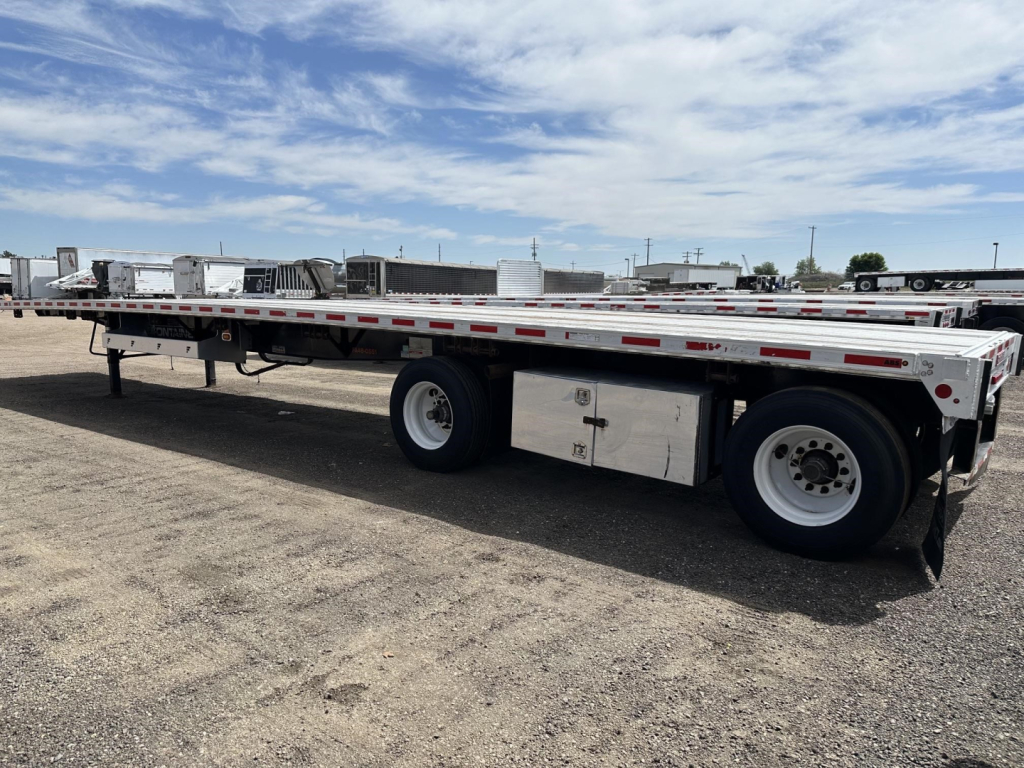
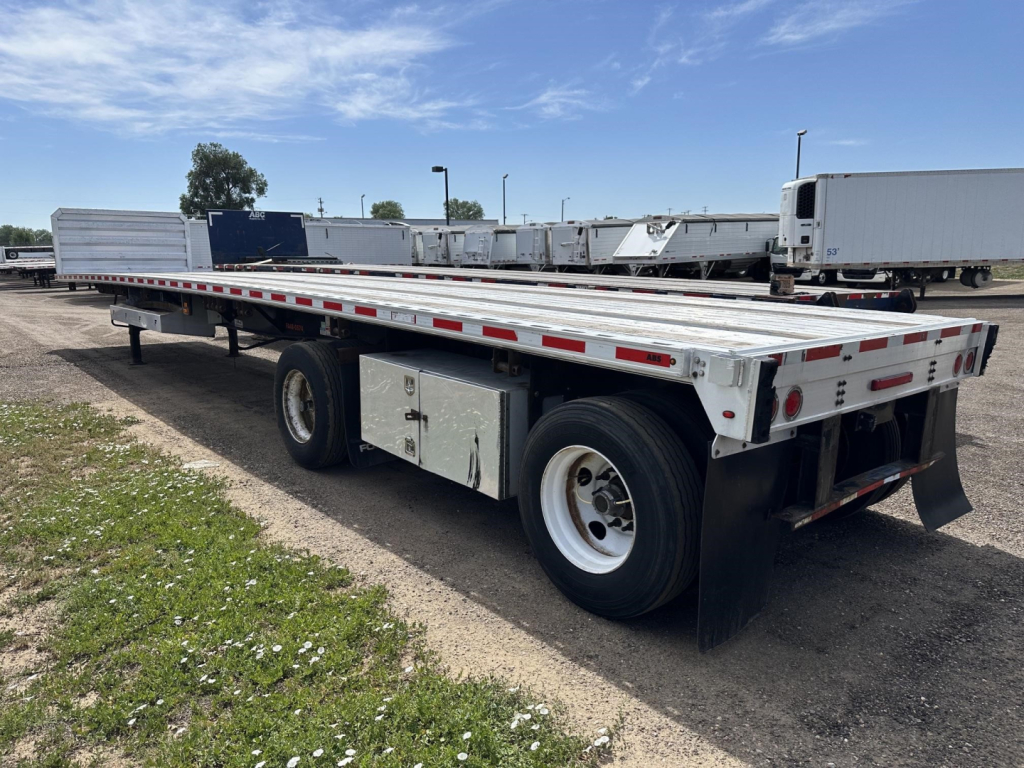
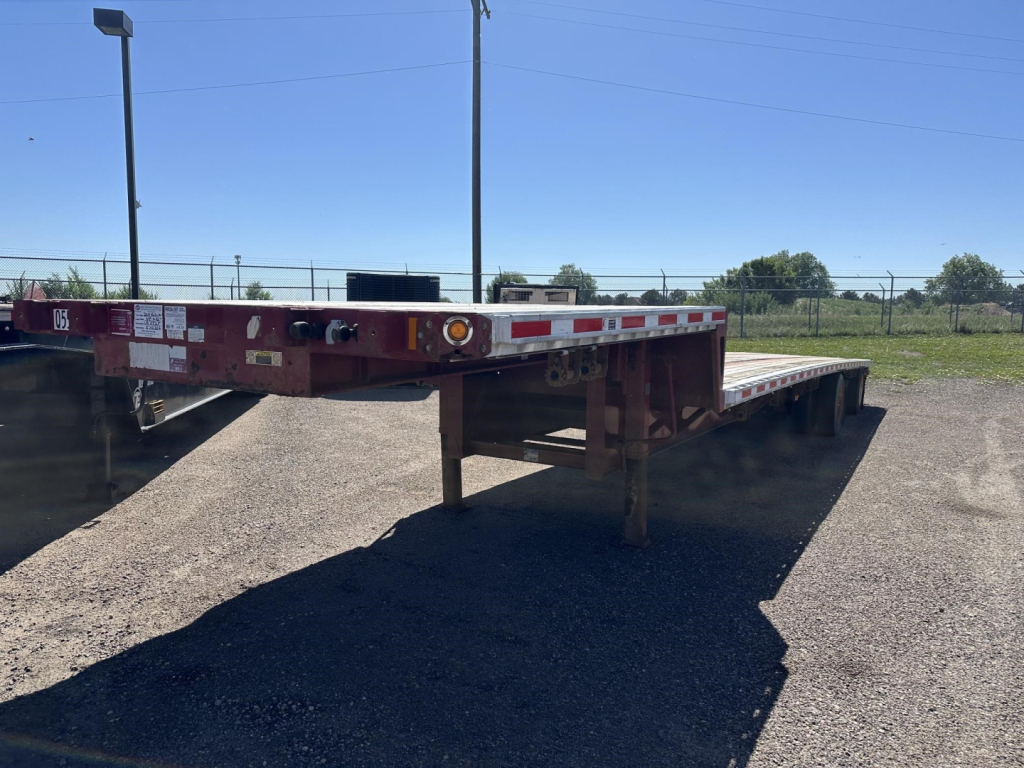
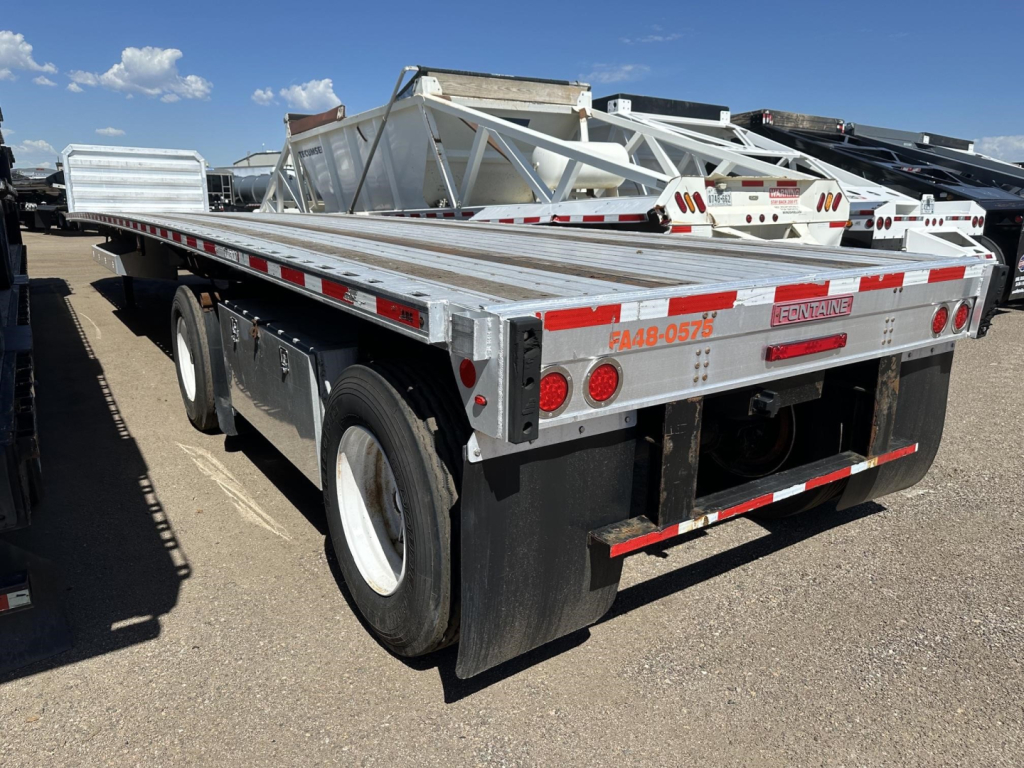
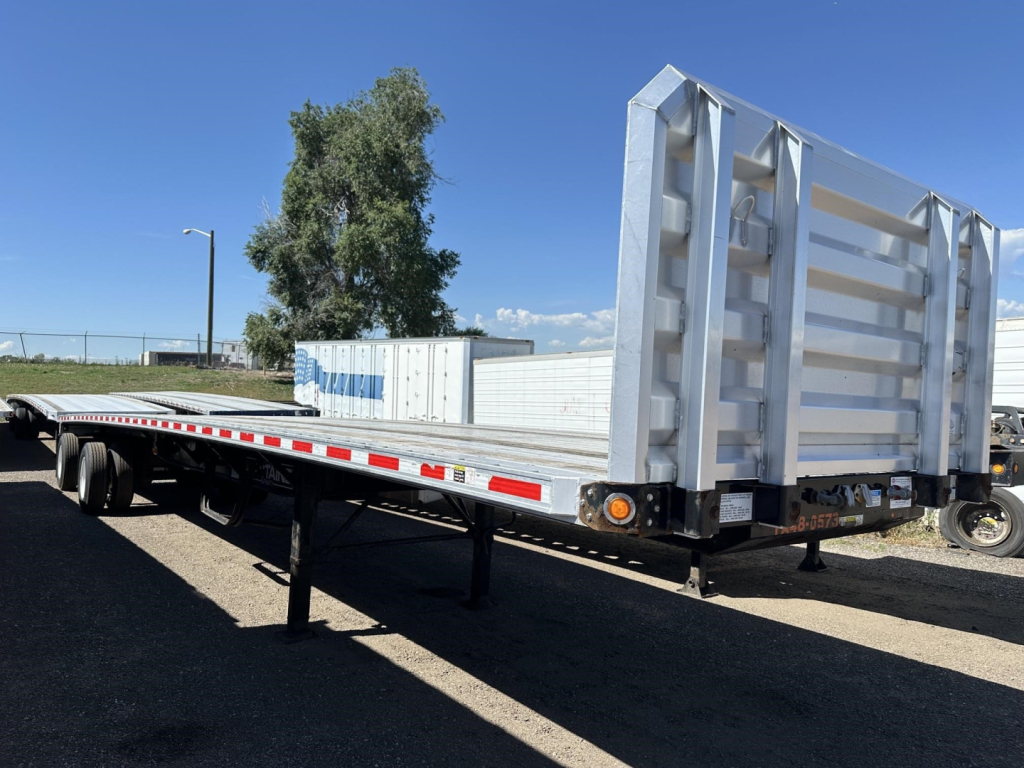
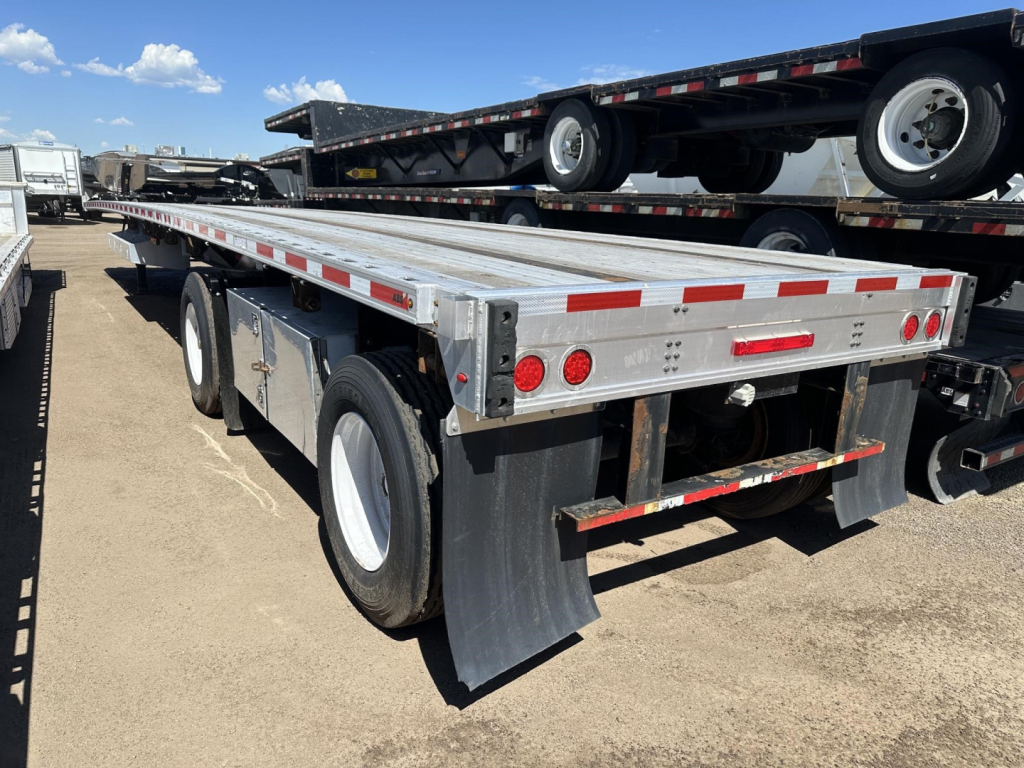
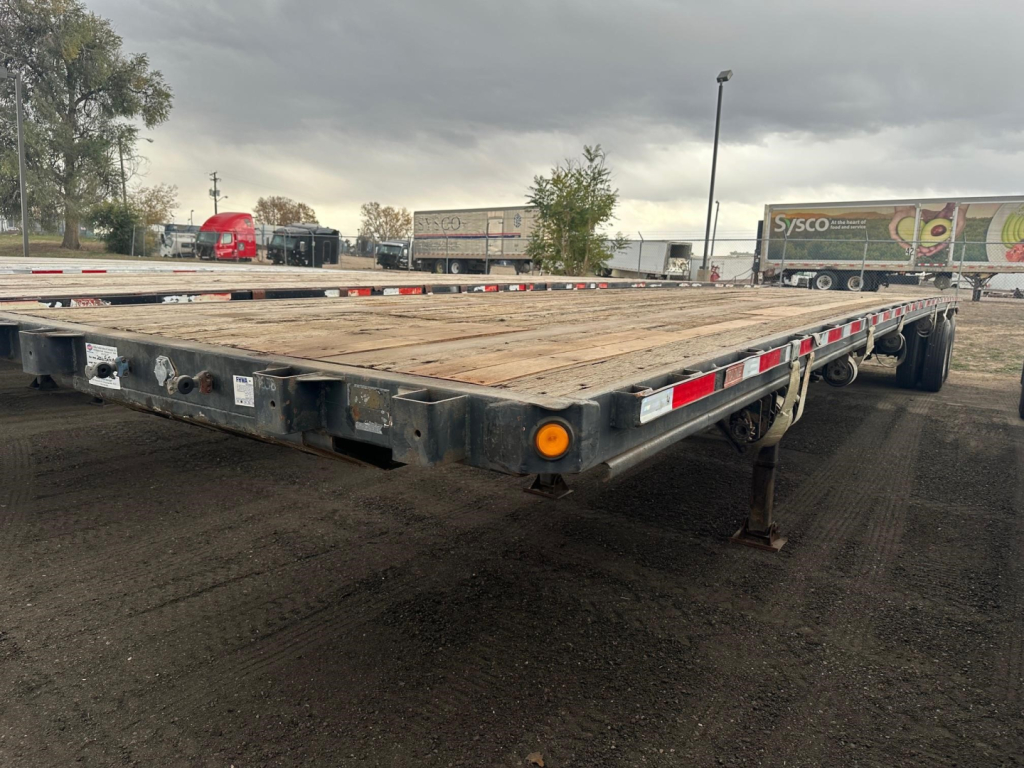
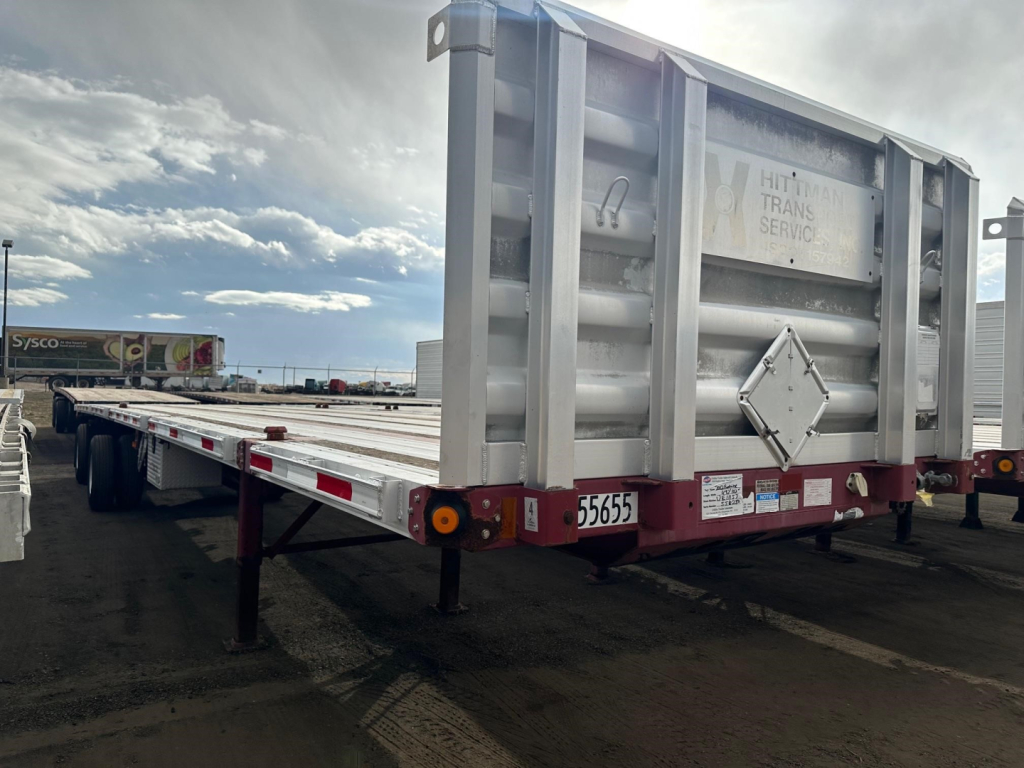
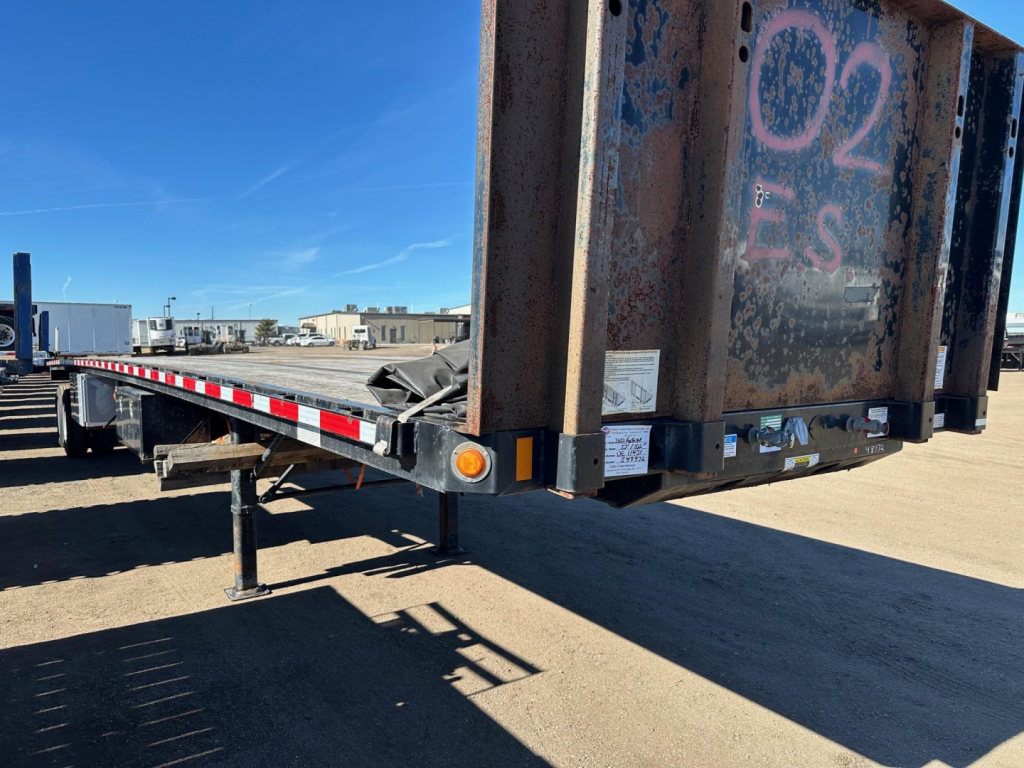
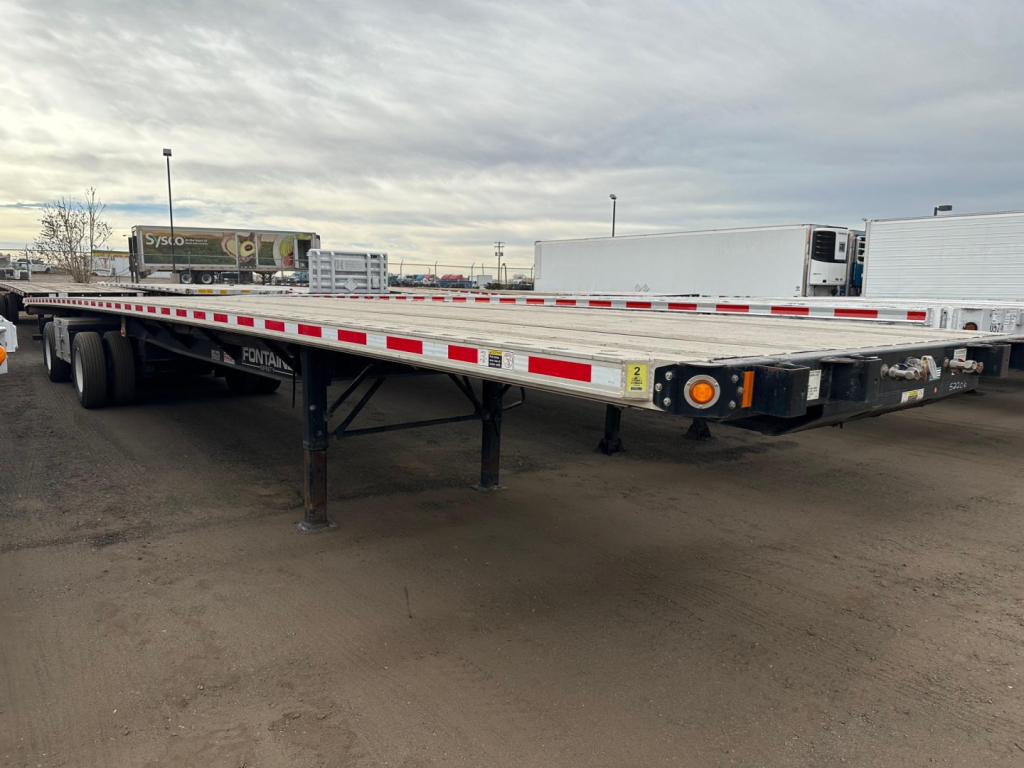
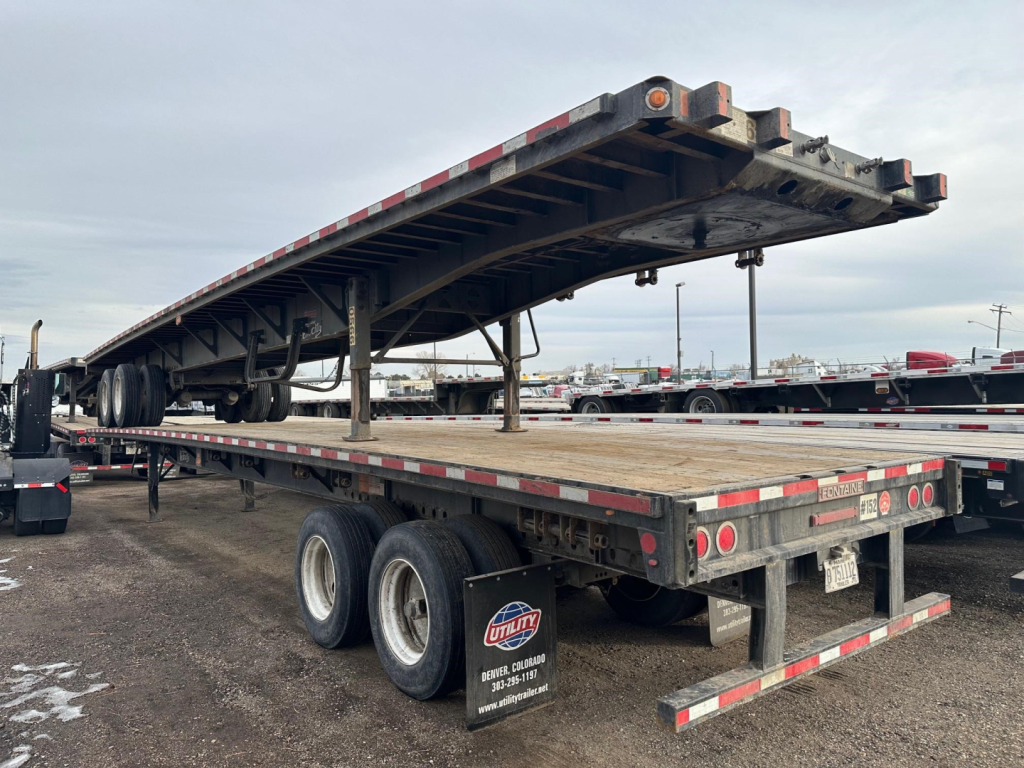
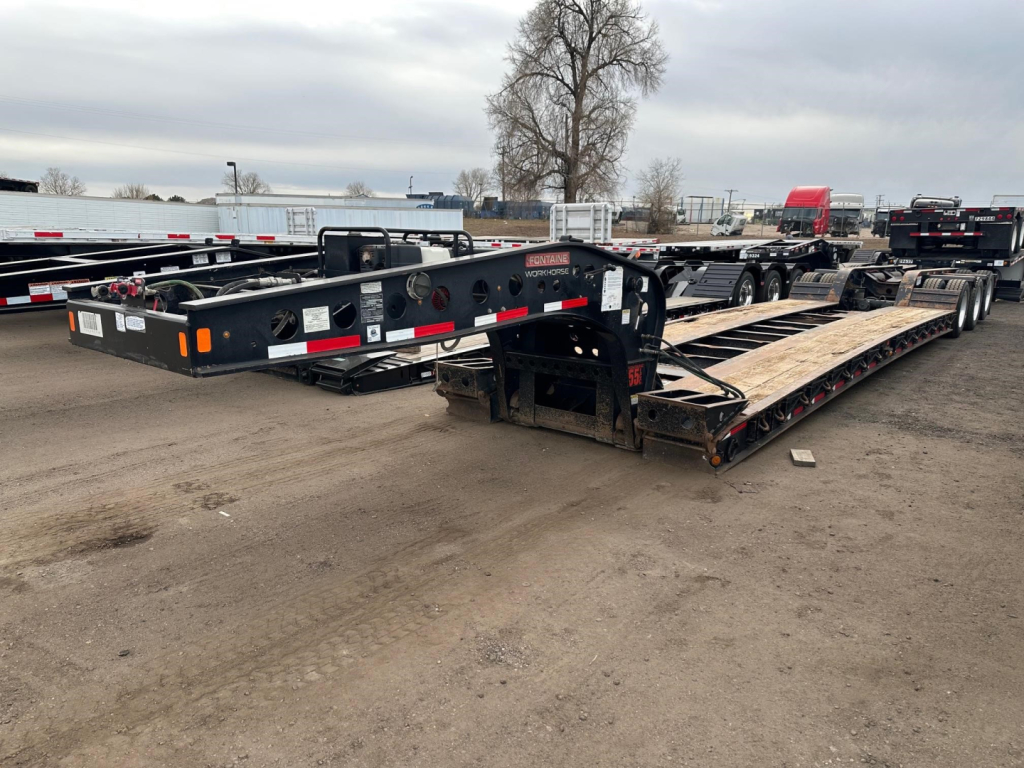
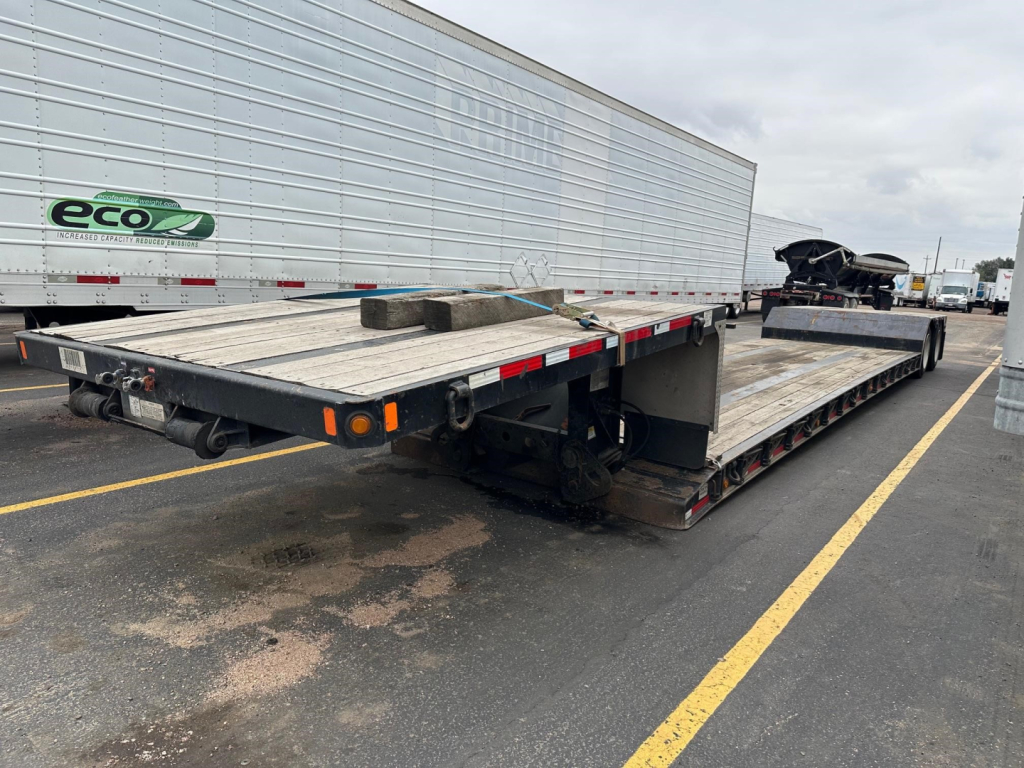
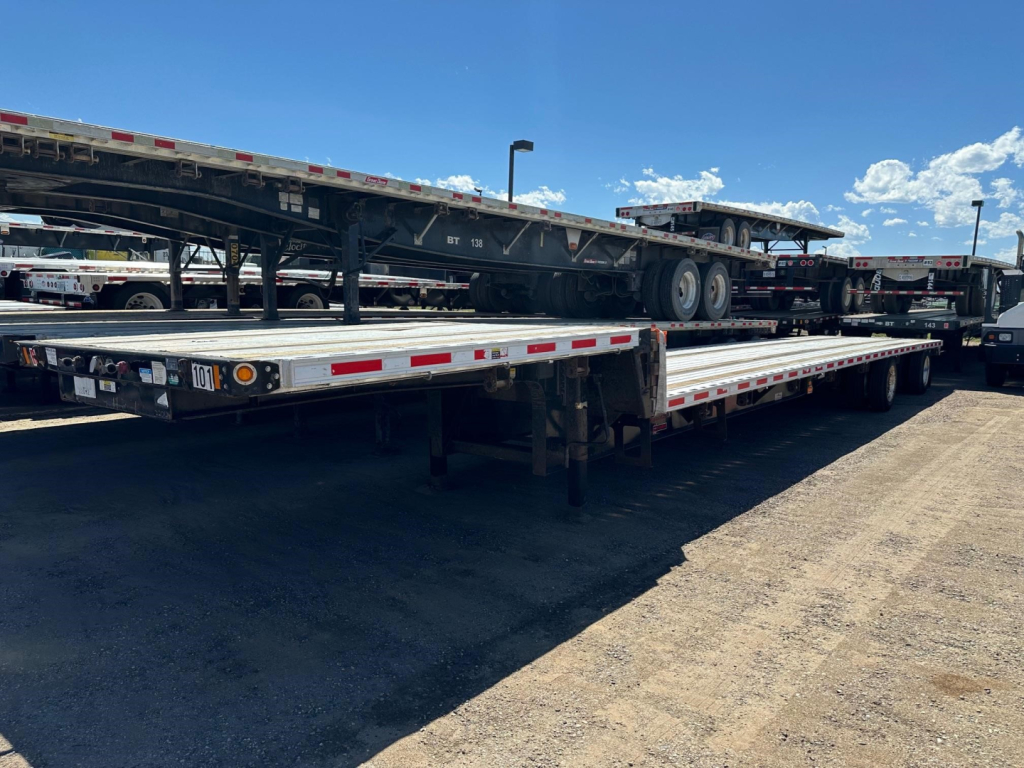
Selling a fontaine trailer? List your fontaine trailer for sale and reach thousands of commercial buyers.
Fontaine Trailers in Colorado
For many buyers, the first decision is flatbed versus drop deck. A Fontaine flatbed is the better fit for standard-height freight, simpler loading patterns, and dock-friendly work. A Fontaine drop deck, also known as a step deck trailer, gives you lower deck height for taller cargo that still needs to stay within legal height limits. Common lengths include 48-foot and 49-foot configurations in 102-inch width, with tandem, spread axle, fixed spread, or slider setups depending on the trailer. In Colorado and other western states, axle spacing, bridge law compliance, and ride quality matter, so air ride spread configurations are especially attractive for sensitive freight and for operators who want a smoother platform over longer distances.
Construction details matter as much as category. Fontaine combo trailers often use steel beams with aluminum floors, rails, and other components, while some flatbeds are all steel with wood or Apitong flooring. Aluminum floor and combo designs can improve payload capacity, but buyers should still inspect crossmember spacing, deck condition, rail wear, and past repairs around the gooseneck, suspension hangers, and rear frame. If the trailer has a coil package, look closely at bunks, securement points, and deck integrity in that section. Sliding winches, bulkheads, tire size, landing gear condition, and the presence of toolboxes or spare tire carriers all affect how well the trailer matches your freight mix.
A well-matched Fontaine trailer comes down to freight profile and operating style. Steel flatbeds with spring suspension can be a solid fit for rugged, repetitive material hauling where simplicity matters. Combo drop decks with air ride are often the better choice for higher-value or more height-sensitive freight. Buyers comparing listings should pay close attention to deck length, loaded deck height, axle layout, suspension type, floor material, and securement package, because those specs determine legal flexibility, cargo protection, and long-term maintenance costs more than brand name alone.
Frequently Asked Questions about Fontaine Trailers in Colorado
What types of Fontaine trailers are most common on the used market?
The most common Fontaine trailers buyers will find are flatbeds and drop decks, including combo drop deck trailers. Flatbeds are used for general open-deck freight, while drop decks are preferred for taller freight that needs additional height clearance. Many Fontaine trailers are spec'd with steel main beams and aluminum components, plus freight-focused options such as stake pockets, pipe spools, sliding winches, and coil packages.
What is the difference between a Fontaine flatbed and a Fontaine drop deck?
A Fontaine flatbed has a single-level deck and is best for standard-height cargo, easier forklift loading, and general building material or machinery hauling. A Fontaine drop deck, also called a step deck trailer, has an upper deck and a lower main deck that reduces cargo height relative to the road. That lower deck helps operators haul taller equipment or palletized freight while staying within legal overall height limits.
Are Fontaine combo trailers a good choice for payload-sensitive operations?
Fontaine combo trailers are often a strong choice when payload matters because they typically use steel for structural strength and aluminum for weight savings in the deck or rails. That construction can reduce trailer tare weight compared with a full steel trailer, which may leave more legal payload available. Buyers should still compare actual empty weight, floor condition, repair history, and intended freight because equipment condition can matter as much as the original build design.
What should I inspect first on a used Fontaine trailer?
Start with the structural areas that carry the most stress, including the main beams, crossmembers, gooseneck, suspension mounts, axle alignment, and rear frame. Then inspect the deck material, side rails, winch track, stake pockets, pipe spools, landing gear, and any bulkhead or coil package components. Tire wear, bushing condition, brake condition, and signs of previous welding or cracking are especially important because they directly affect safety, maintenance cost, and how quickly the trailer can be put to work.
Which axle and suspension setup is best on a Fontaine trailer?
The best setup depends on freight and operating region. Air ride suspensions are often preferred for more delicate loads, better ride quality, and some premium freight applications. Spring ride can be simpler and durable for tougher day-to-day material hauling. Tandem sliders offer flexibility for axle positioning, while fixed spread axles can improve weight distribution and are common on drop decks, but they may be less maneuverable in tight yards or urban deliveries.