
Fontaine Flatbed Trailers For Sale in Colorado
Shop Fontaine flatbed trailers for sale, including combo and steel models with common specs, securement features, and hauling applications.
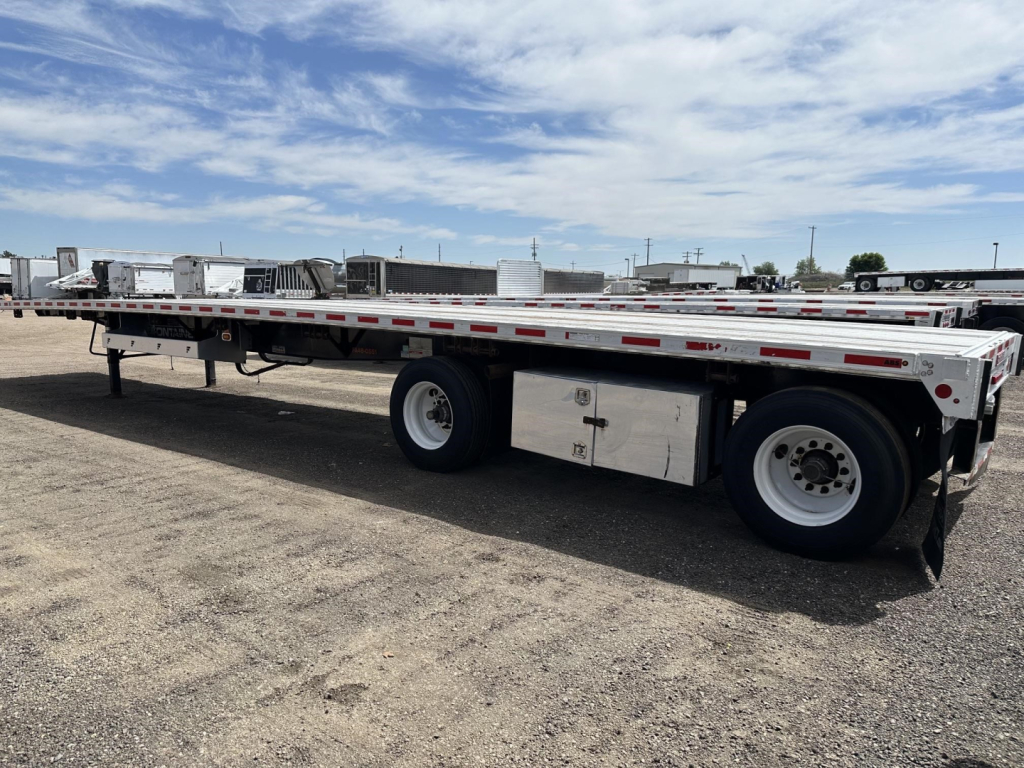
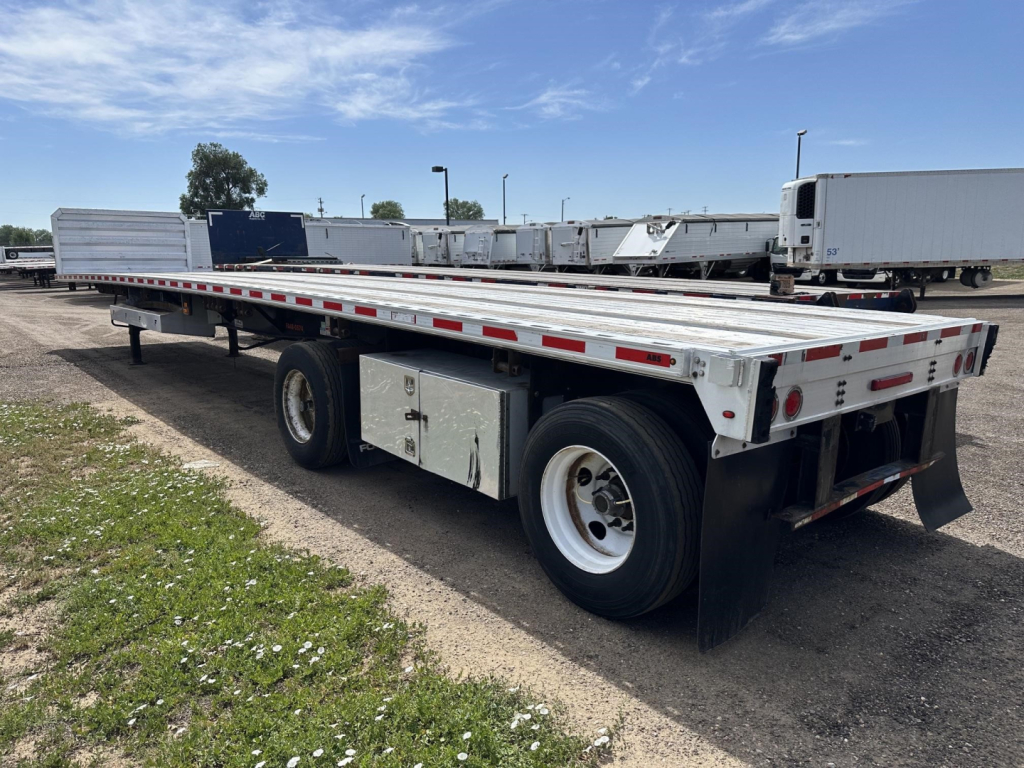
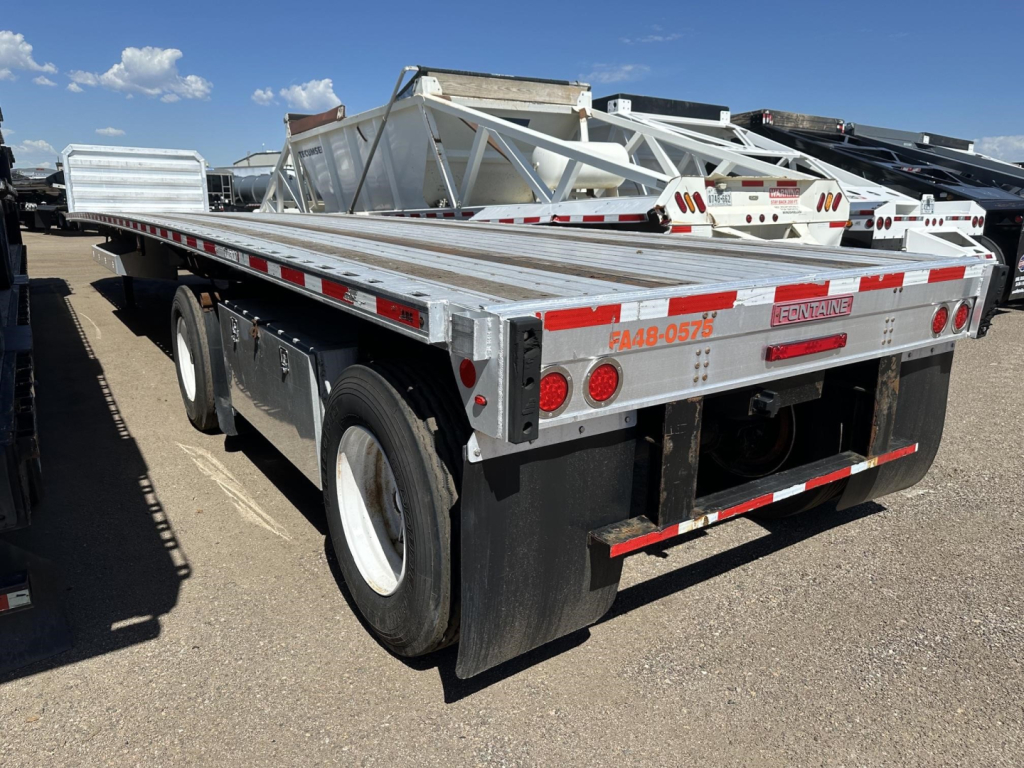
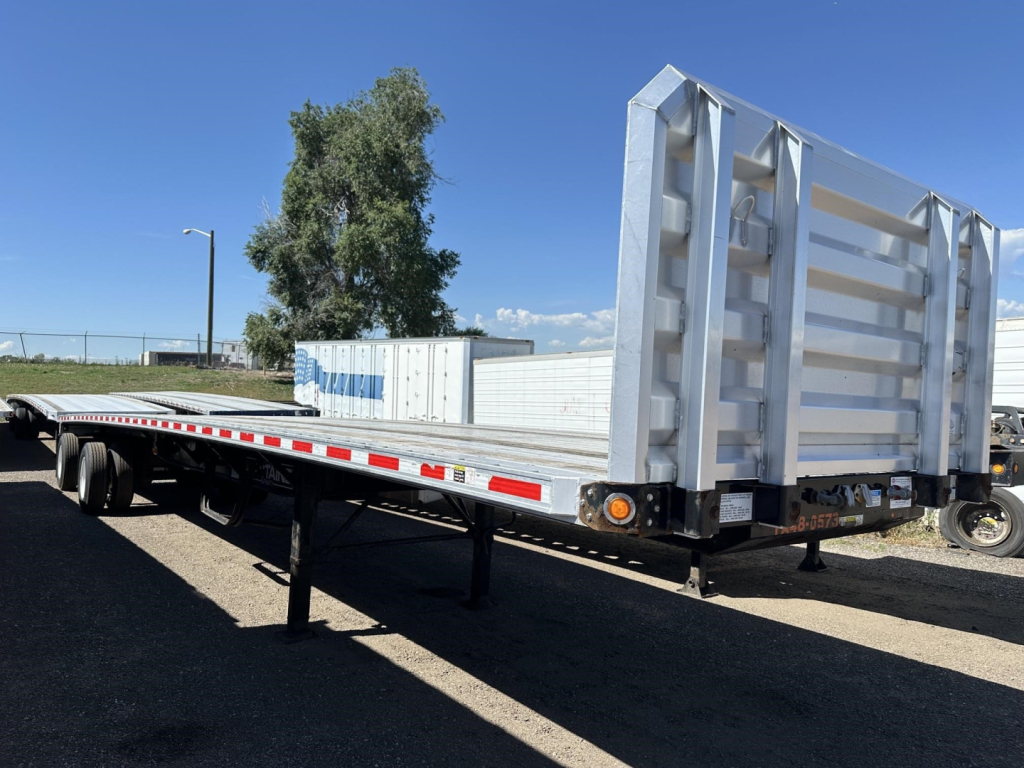
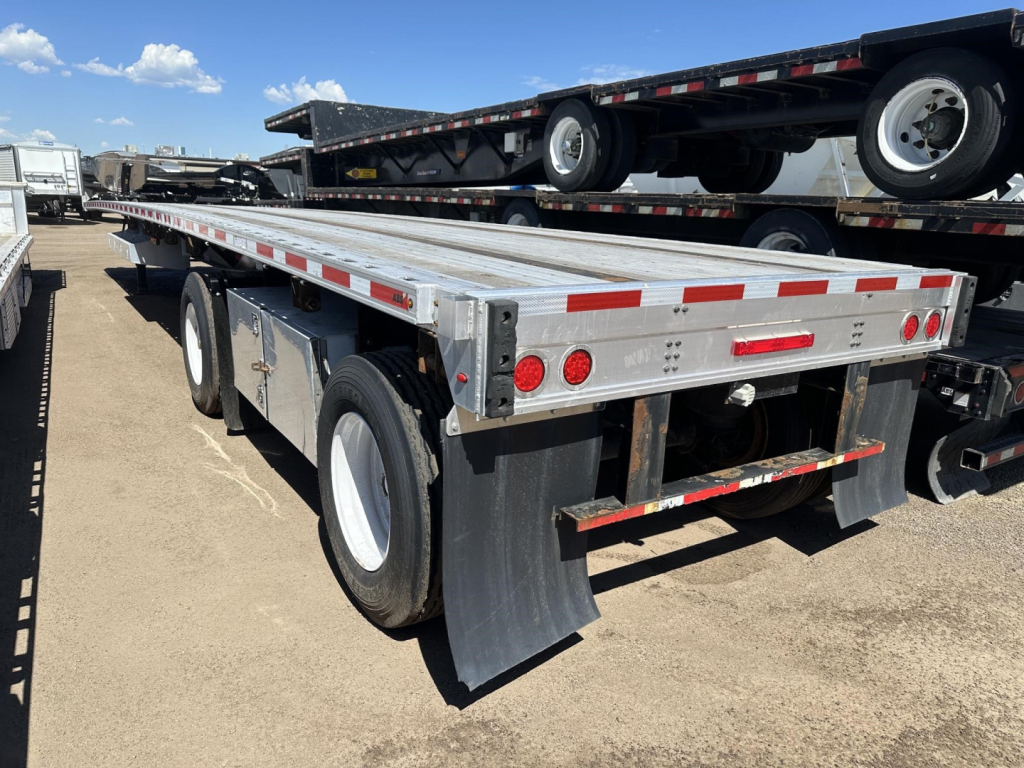
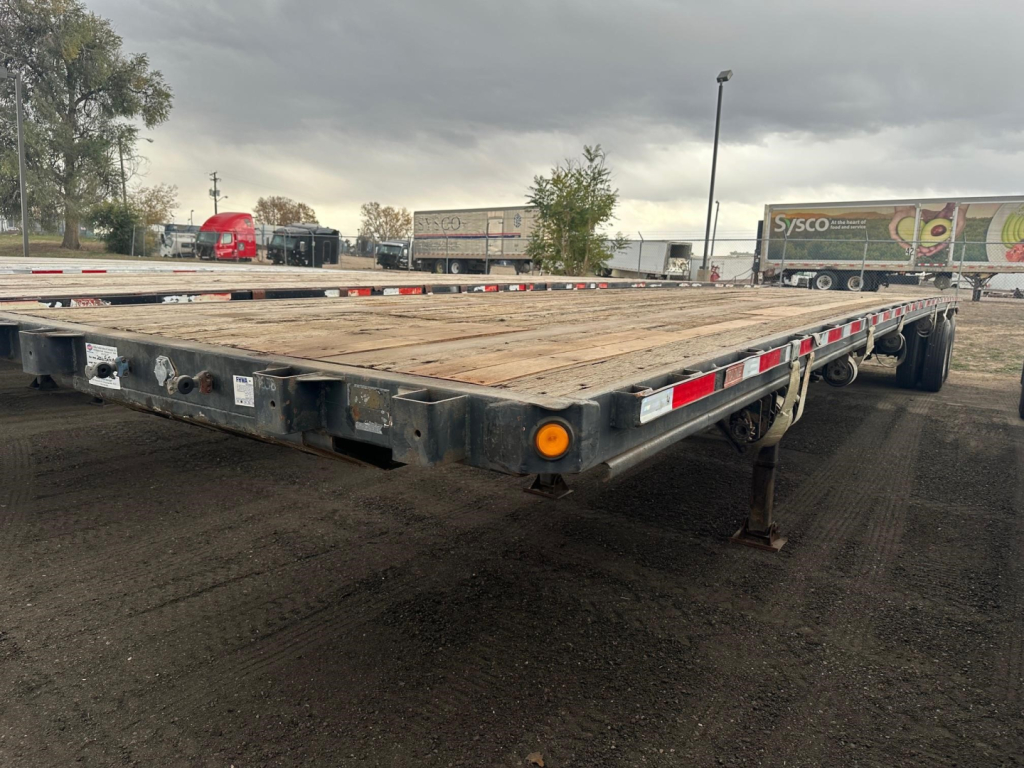
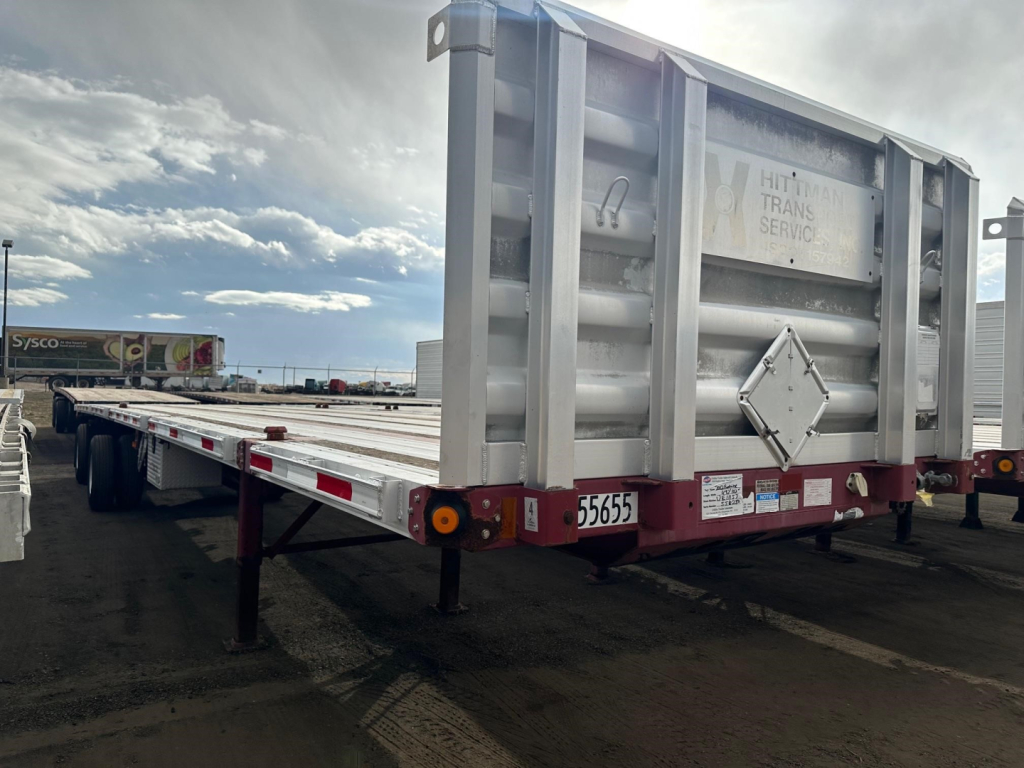
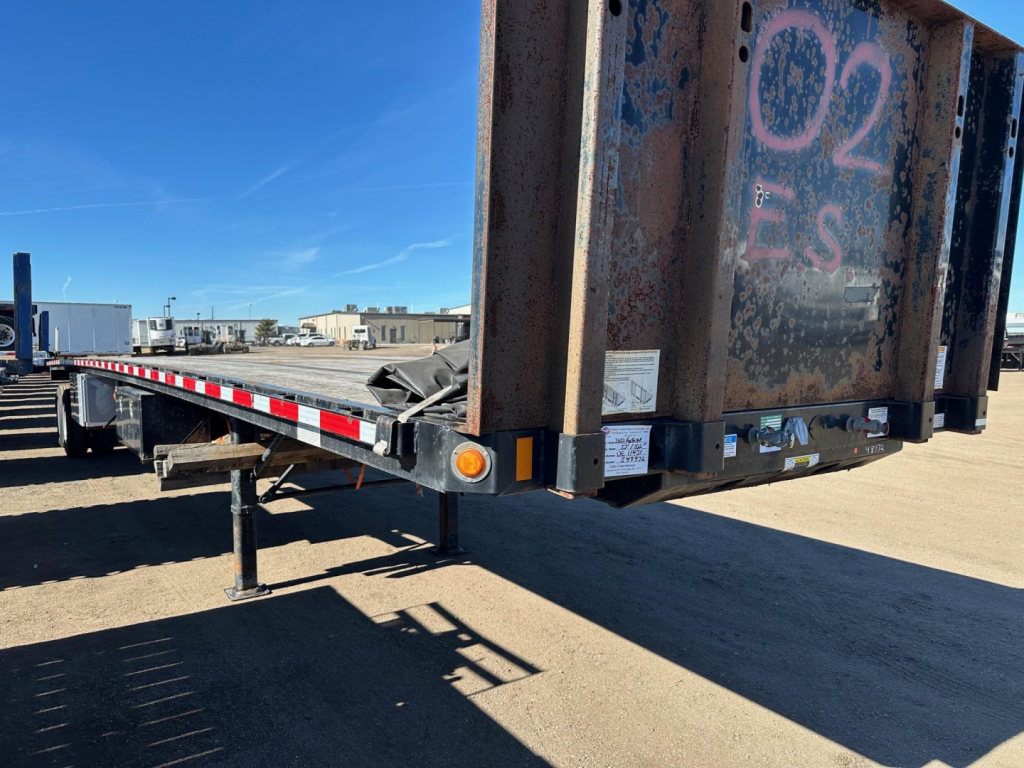
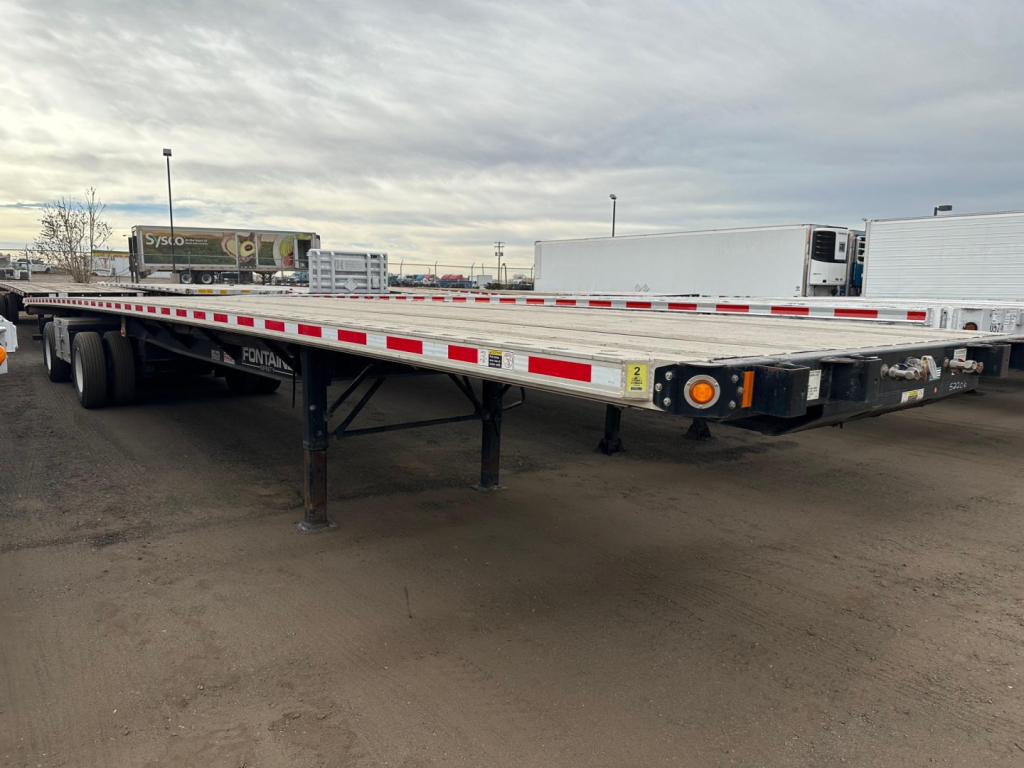
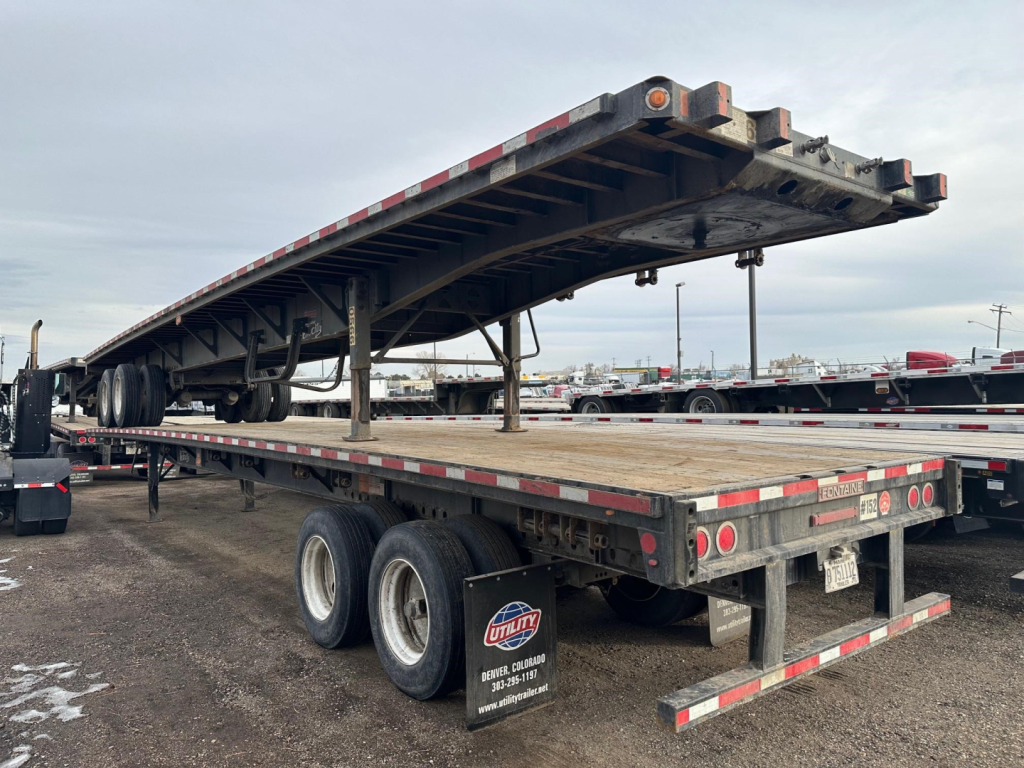
Selling a fontaine flatbed trailer? List your fontaine flatbed trailer for sale and reach thousands of commercial buyers.
Fontaine Flatbed Trailers in Colorado
The first buying decision is usually deck construction and empty weight. A combo Fontaine flatbed can make sense if payload matters and the trailer will spend a lot of time hauling palletized freight, crated machinery, pipe, or mixed open-deck loads where every pound counts. A steel flatbed is often the better fit for tougher loading environments, frequent forklift traffic, and fleets that value straightforward structural repair. Common deck setups include aluminum deck systems on combo trailers and Apitong or other wood decks on steel models. Wood is still favored by many operators for traction, forklift friendliness, and ease of board replacement, while aluminum decks help cut tare weight but should be evaluated for wear pattern and prior damage.
Securement specs matter as much as the frame. Many Fontaine flatbeds are equipped with stake pockets, pipe spools, sliding winches, pull-up chain ties, bulkheads or headache racks, coil packages, nail strips, and dunnage racks. Those details determine how quickly a trailer can be loaded and how flexible it is across freight types. A coil package is important for carriers moving steel coil because it gives you the proper bunks and securement layout for concentrated load placement. Sliding winches and chain tie options improve versatility for lumber, steel products, and machinery. Some trailers also include recessed container locks, which can add intermodal flexibility for specialized operations. Suspension and axle layout also deserve attention. Spread axle air ride flatbeds are common for stability and load distribution, while closed tandem slider setups can be easier when axle bridge laws, loading docks, or tighter delivery points are part of the job.
For Colorado buyers, operating conditions add another layer to the decision. Mountain grades, weather exposure, and mixed highway and yard use put extra emphasis on brake condition, tire type, suspension wear, deck integrity, and corrosion around crossmembers, rear impact guards, and lighting harnesses. Low-profile 22.5 tires are frequently seen on Fontaine flatbeds and can help with deck height, but tread condition and matching tire wear still need close review. On used trailers, pay attention to rail damage from side-loading, cracked winch track areas, loose or damaged scuff protection, floor fastener condition, and signs of concentrated-load stress near the coil area. A well-spec'd Fontaine flatbed should match the freight first, then the terrain, then the maintenance culture behind it.
Frequently Asked Questions about Fontaine Flatbed Trailers in Colorado
What is the difference between a Fontaine Infinity and a Fontaine Velocity flatbed?
The Fontaine Infinity is generally known as a combo flatbed, typically built with steel main beams and aluminum components to reduce tare weight. The Fontaine Velocity is commonly a steel flatbed built for demanding service and simpler structural repair. Buyers usually choose Infinity models when payload and lighter weight are priorities, while Velocity models are often preferred for rougher loading conditions, frequent forklift use, and heavy-duty general freight work.
What trailer length and width are most common for Fontaine flatbeds?
The most common specification in this category is 48 feet long by 102 inches wide. That size works for a broad range of legal open-deck freight, including lumber, steel, palletized materials, pipe, and equipment. It is also the most familiar format for drivers, shippers, and load planners, which helps when maximizing reload opportunities.
Which securement features should I look for on a used Fontaine flatbed trailer?
The right securement package depends on the freight, but many buyers look for stake pockets, sliding winches, pipe spools, pull-up chain ties, a bulkhead or headache rack, and a coil package if steel hauling is part of the operation. Nail strips, dunnage racks, and tool boxes also add day-to-day utility. A trailer with the right factory or fleet spec will usually be more efficient and safer to load than a bare platform that needs retrofitting.
Is a spread axle or closed tandem better on a Fontaine flatbed?
A spread axle flatbed can improve load distribution and stability, and it is a common choice for fleets hauling heavier or more variable open-deck freight. A closed tandem with a slider can be more flexible in states and delivery situations where bridge compliance, turning radius, dock approach, or axle adjustment matters. The better setup depends on your lanes, freight density, and how often the trailer has to adapt to different shipping points.
What should I inspect first on a used Fontaine flatbed in Colorado?
Start with the deck, main beams, crossmembers, suspension, brakes, tires, and all cargo securement hardware. In Colorado service, weather and elevation changes can accelerate wear on lighting systems, air components, and corrosion-prone areas around the rear frame and understructure. Also inspect for damage from concentrated steel loads, forklift impact along the side rails, and any repairs near the winch track, coil area, or rear impact guard.