
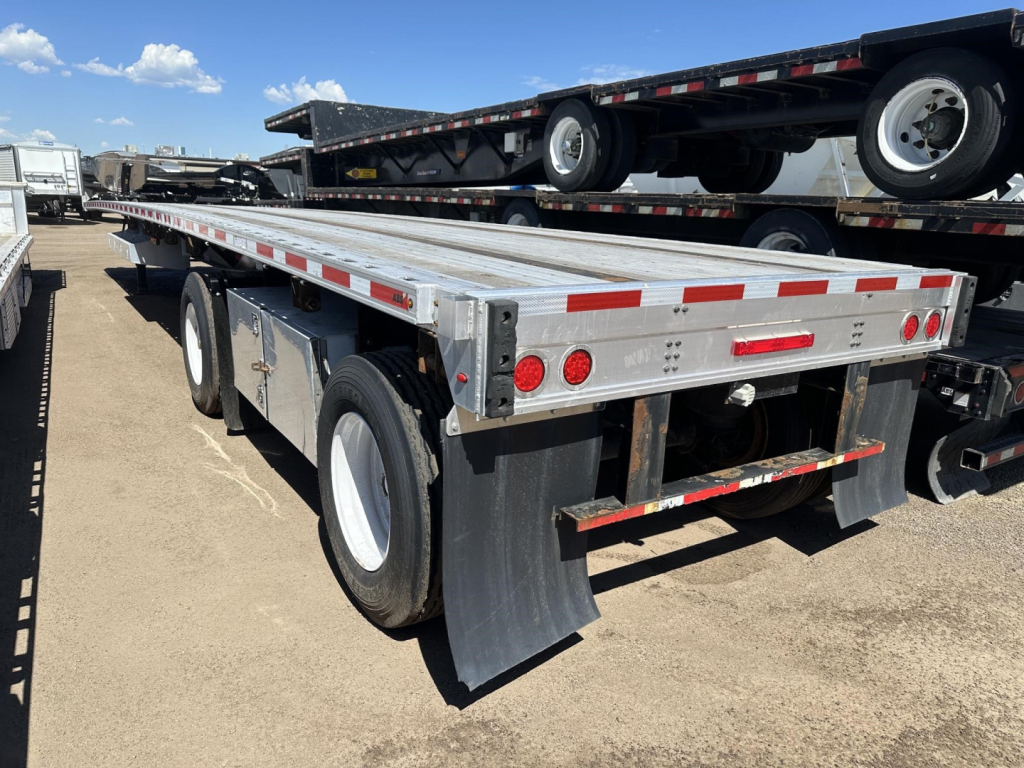
2020 Fontaine Flatbed Trailers For Sale in Colorado
Shop 2020 Fontaine flatbed trailers for sale, including combo and steel models with common specs, tie-down features, and hauling applications.
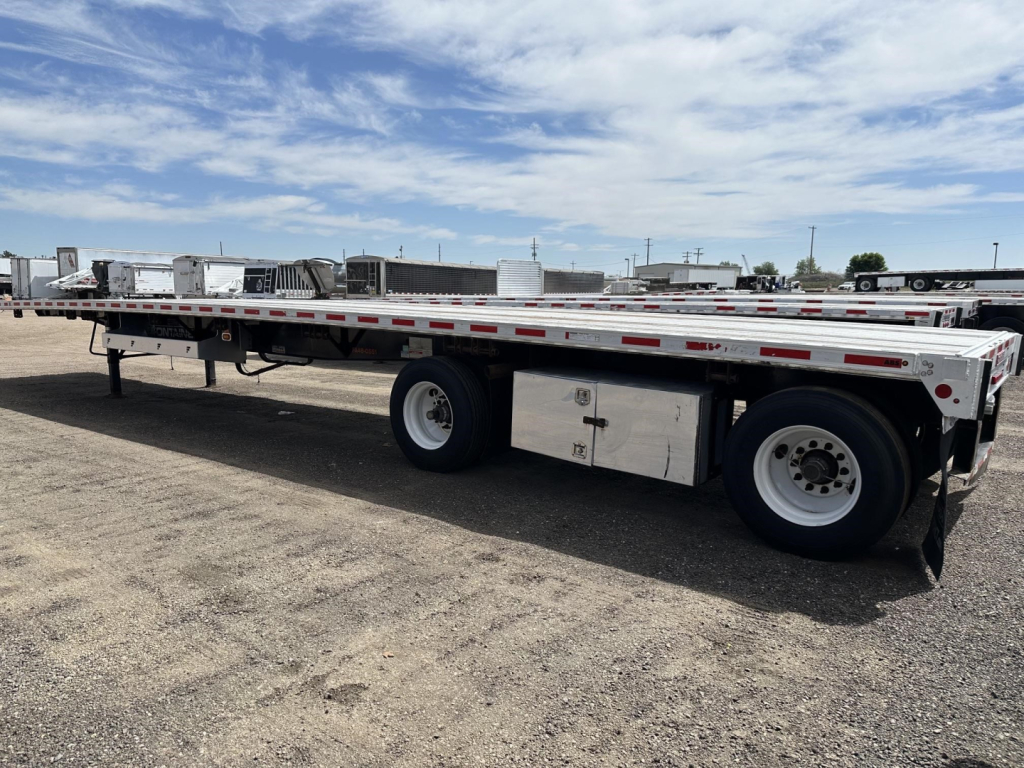
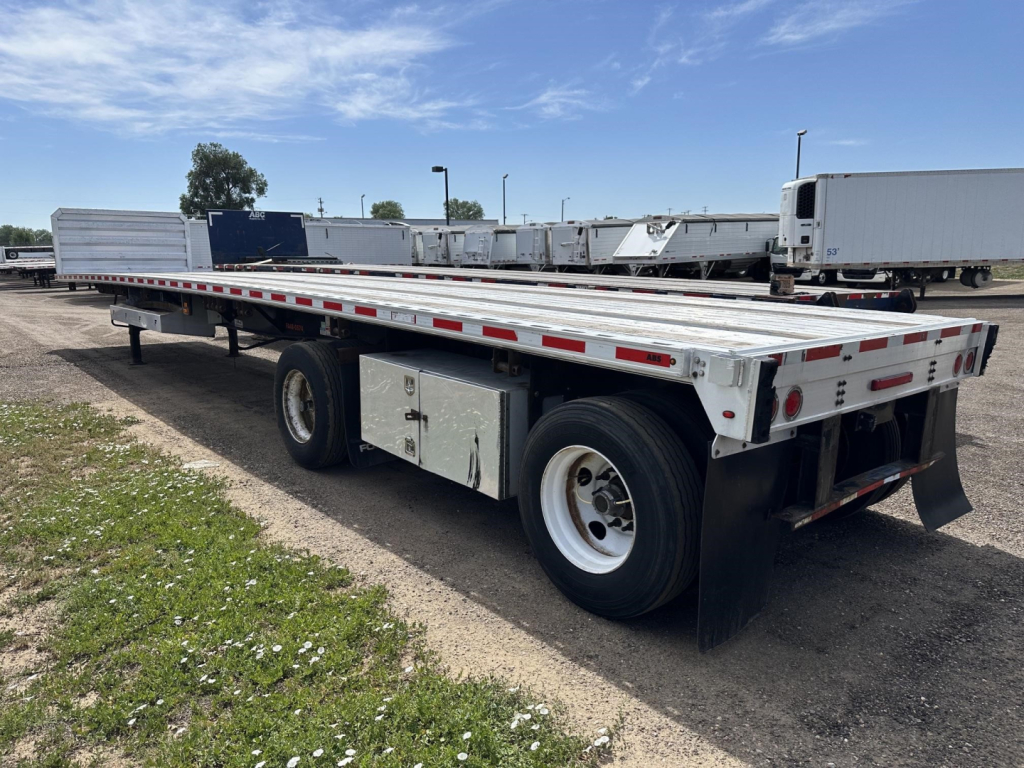
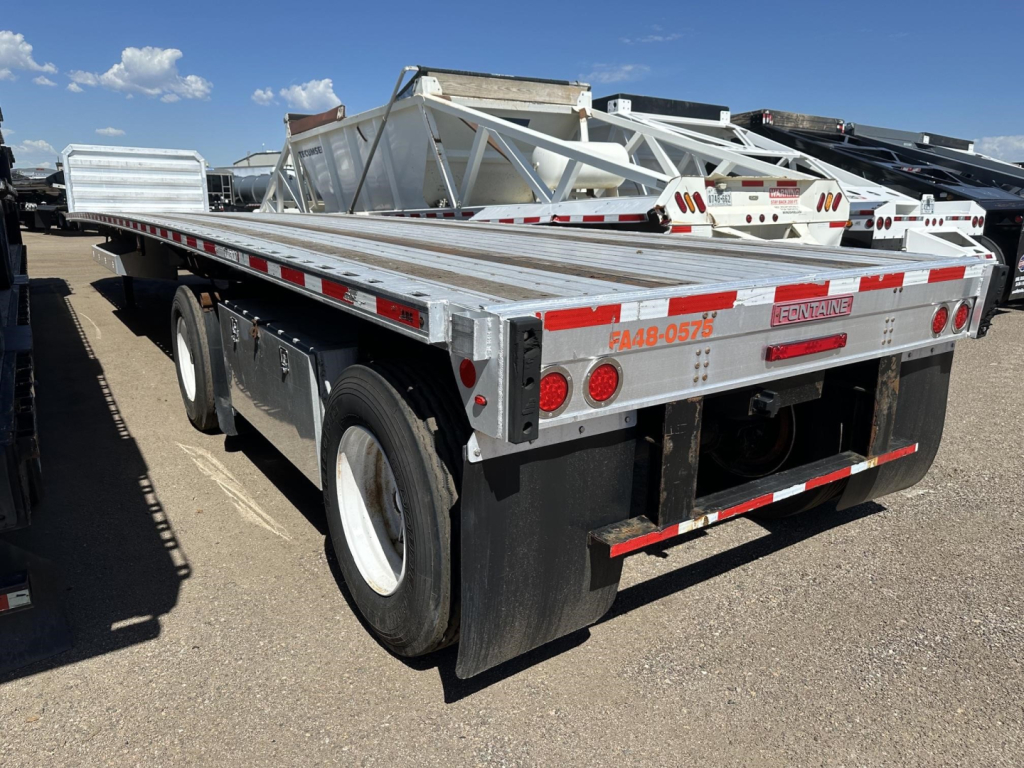
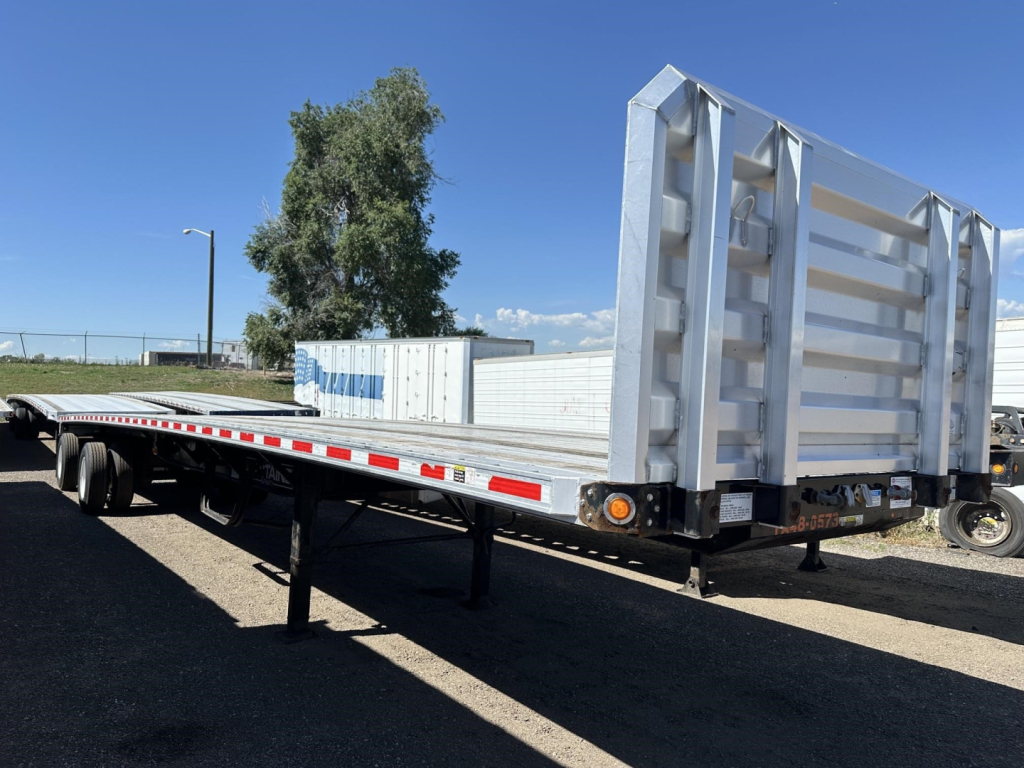
Selling a 2020 fontaine flatbed trailer? List your 2020 fontaine flatbed trailer for sale and reach thousands of commercial buyers.
2020 Fontaine Flatbed Trailers in Colorado
Tie-down setup is a major buying point on this category. Many 2020 Fontaine flatbeds are spec'd with sliding winches, stake pockets, pipe spools, nail strips, and coil packages, and those details directly affect how many commodity types a trailer can handle efficiently. A coil package is important for carriers hauling concentrated steel coil loads, while RASR rails, pull-up chain ties, bulkheads, and dunnage racks improve day-to-day utility for mixed freight. Buyers should look closely at deck condition, crossmember integrity, winch track wear, and how the trailer was used. A flatbed that spent its life on lightweight building products can present very differently from one that hauled dense steel on short regional turns.
Suspension and axle configuration also deserve close attention, especially in Colorado where terrain, weather, and bridge-law considerations can influence trailer selection. Fixed spread air ride setups are common on Fontaine combo flats and can help with ride quality and load distribution, while closed tandem slider configurations may appeal to operations that need more flexibility in axle placement. Tire size, wheel material, tire inflation systems such as PSI, and brake condition all affect operating cost after purchase. Low-profile 22.5 tires are common in this segment, and buyers should confirm axle ratings, kingpin setting, overall deck height, and any California-legal or weight-sensitive specifications if they run multi-state freight.
Fontaine has long been a recognized name in open-deck equipment, and 2020 flatbed trailers from this make are often evaluated on the balance between weight, durability, and resale appeal. A combo flatbed generally suits carriers trying to maximize legal payload without giving up too much structural longevity, while an all-steel flatbed may make sense for tougher loading environments and rougher freight cycles. The best choice usually comes down to freight profile, loading method, securement demands, and how much emphasis you place on tare weight versus long-term repair simplicity.
Frequently Asked Questions about 2020 Fontaine Flatbed Trailers in Colorado
What is the difference between a Fontaine combo flatbed and a steel flatbed?
A Fontaine combo flatbed typically uses steel main beams with aluminum components such as the deck and side rails, which lowers trailer weight compared with a full steel design. That usually helps increase legal payload and can improve fuel efficiency over time. A steel flatbed is generally heavier but may be preferred in severe-duty applications where impact resistance, simpler metal repair, and long-term ruggedness matter more than tare weight.
What should I inspect on a used 2020 Fontaine flatbed trailer?
Key inspection points include the main beams, crossmembers, rear frame, suspension mounts, landing gear, and the deck surface. Buyers should also examine winch tracks, stake pockets, pipe spools, bulkhead mounts, and coil package areas for distortion or fatigue from repeated heavy securement. Tire condition, brake wear, air system leaks, wheel-end maintenance, and any signs of frame damage or poor repairs are just as important as the spec sheet.
Are 48-foot or 53-foot Fontaine flatbeds better for most operations?
A 48-foot flatbed remains common for general freight and can be a strong fit for steel, machinery, lumber, and regional open-deck work. A 53-foot flatbed provides more deck space and may better suit longer building products or customers that regularly load to full platform length. The better choice depends on your freight mix, state regulations, customer requirements, and how often extra deck length translates into billable utilization.
Why does a coil package matter on a flatbed trailer?
A coil package is designed to support the safe transport of steel coils by reinforcing and configuring part of the trailer for concentrated load placement. If your operation hauls coil freight, this feature can be essential for proper securement and legal load positioning. Even for mixed-use fleets, a trailer with a coil package can add versatility, but buyers should still verify the trailer's rating and condition before using it for dense commodity loads.
Is air ride important on a flatbed trailer?
Air ride suspension is widely valued on flatbeds because it improves ride quality and can reduce cargo shock compared with spring ride setups. That can be especially useful for freight that is sensitive to vibration or for carriers running varied road conditions and longer distances. It also tends to be favored in resale, although maintenance costs and suspension component condition should be evaluated carefully on any used trailer.