
2016 Fontaine Trailers For Sale
Shop 2016 Fontaine trailers for sale, including flatbed and specialized configurations built for durability, payload efficiency, and demanding freight.
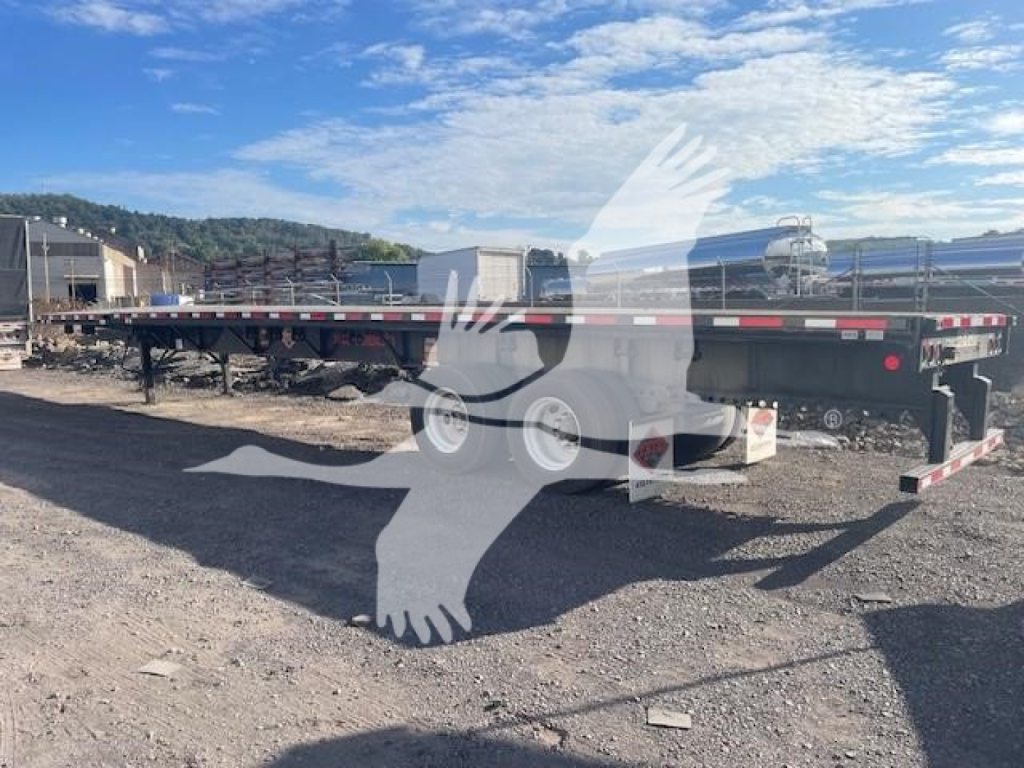
Selling a 2016 fontaine trailer? List your 2016 fontaine trailer for sale and reach thousands of commercial buyers.
2016 Fontaine Trailers
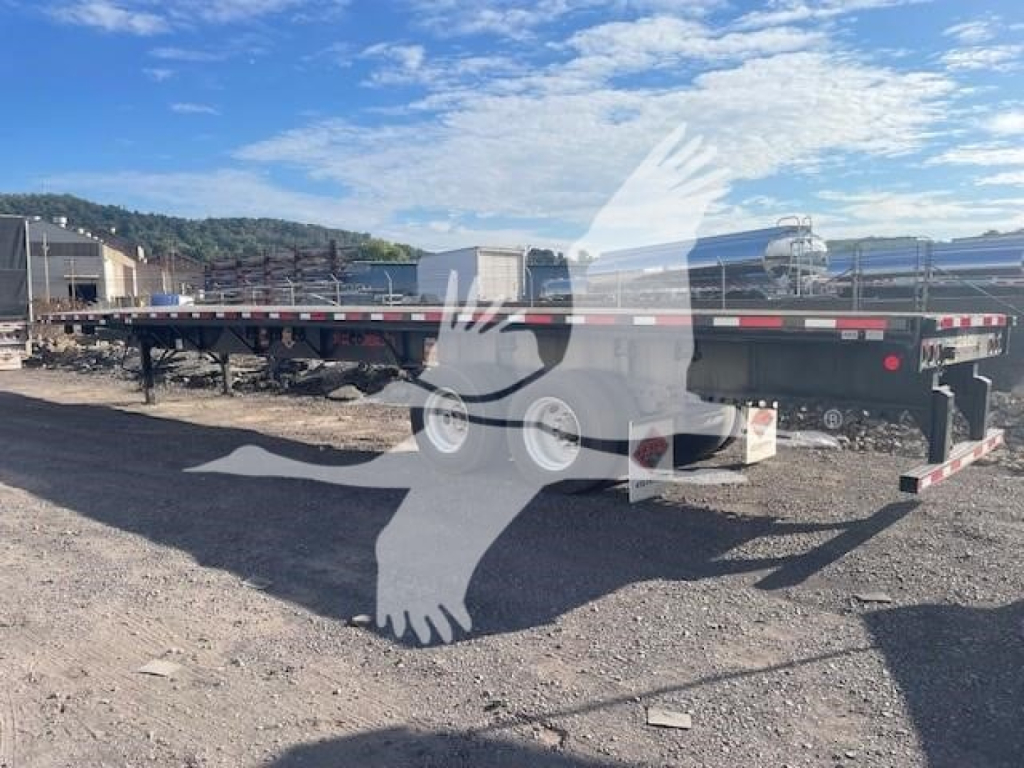
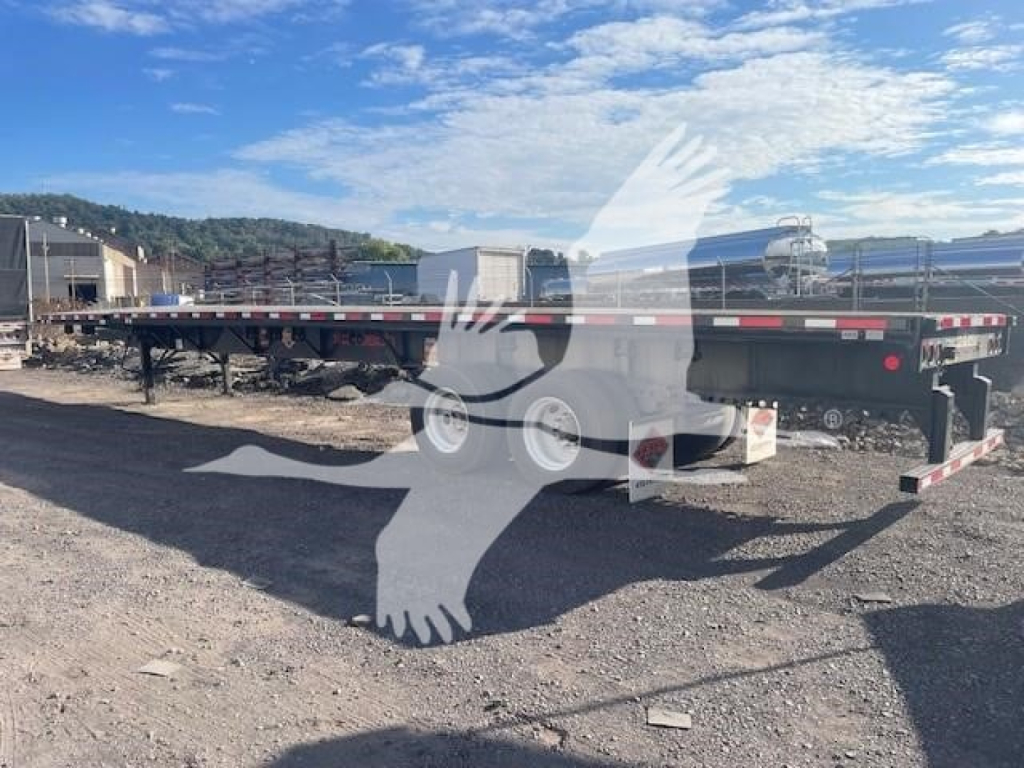
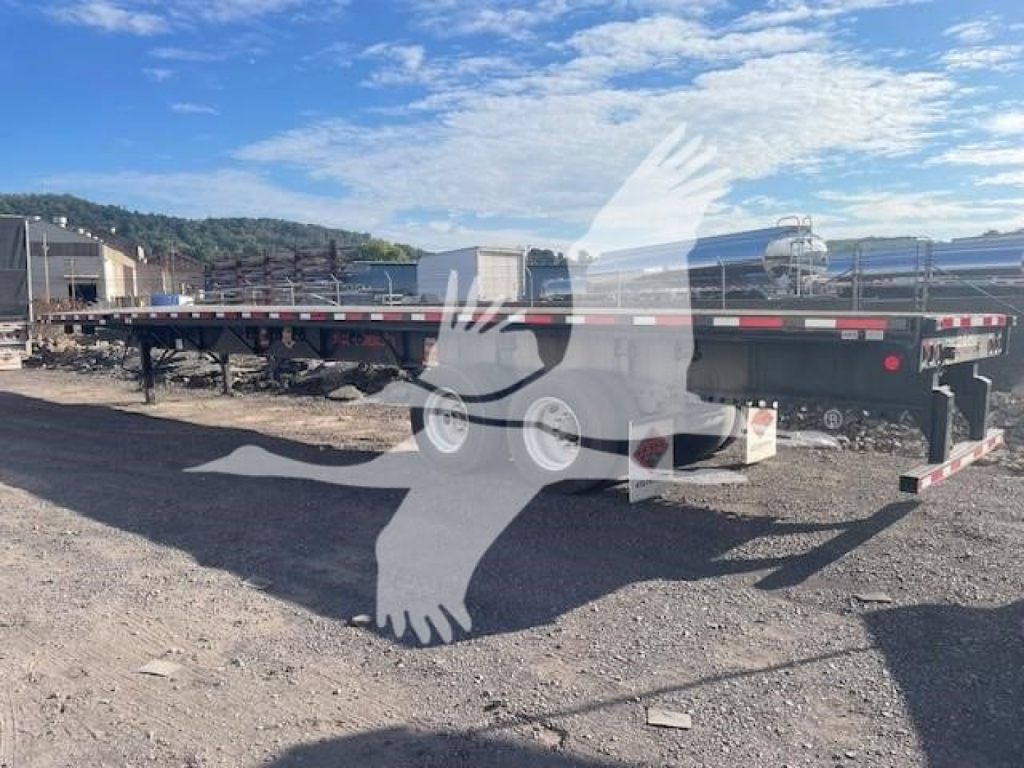
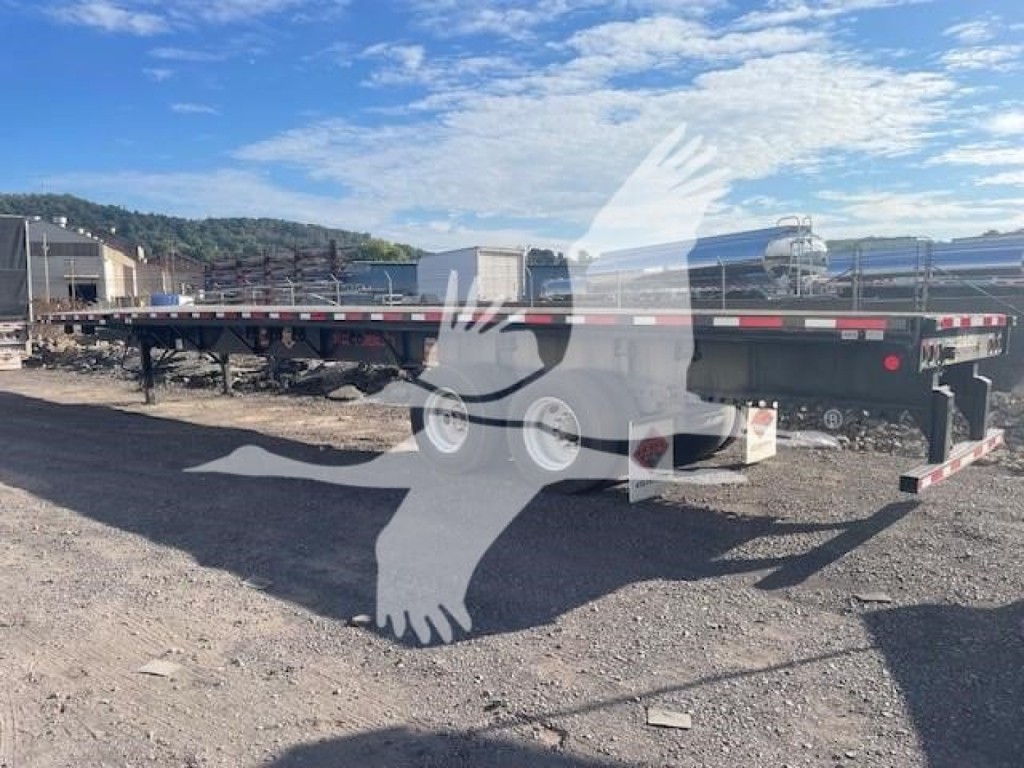
In flatbed applications, 48-foot by 102-inch configurations are common, with aluminum or combo construction favored for lighter tare weight and steel versions preferred when abuse resistance matters more than every pound of payload. Apitong flooring remains a common spec because it holds up well under concentrated loads from forklifts, steel coils, and machinery skids. Buyers comparing 2016 Fontaine flatbeds should look closely at crossmember spacing, winch track setup, sliding winches, side rail condition, landing gear integrity, and axle arrangement. A spread axle can help with bridge law and load distribution, while a sliding tandem offers more flexibility for varying freight and dock situations.
If the trailer is an extendable flatbed, deck range and extension design become the key buying points. A 2016 Fontaine extendable may be set up to stretch in fixed increments for long steel, pipe, pre-cast material, or structural components that would not fit a standard deck. On these trailers, inspect the main beam condition, lock pin engagement, extension wear points, wiring and air line routing, and how the trailer behaves both retracted and fully extended. Suspension type also changes the trailer’s use case. Spring ride is simple and durable, while air ride is often preferred for higher-value freight or cargo that benefits from better road isolation.
For buyers considering a 2016 Fontaine specialized trailer such as a lowboy or double drop, the important specs shift to loaded deck height, ground clearance, axle spread, neck style, and legal capacity by axle group. Fontaine specialized platforms are common in heavy haul because they are engineered around real-world loading needs such as outriggers, flip axle compatibility, and concentrated weight placement. The right 2016 Fontaine trailer depends on the freight lane and permit environment as much as the trailer itself. A buyer hauling general building products needs a different setup than one moving excavators, fabricated tanks, or over-length structural freight. The best comparison is not just year and price, but tare weight, deck configuration, suspension, axle setup, and how well the trailer’s spec matches the freight it will haul every week.
Frequently Asked Questions about 2016 Fontaine Trailers
What types of trailers did Fontaine commonly build in 2016?
In 2016, Fontaine was active in several major trailer segments, including flatbeds, extendable flatbeds, lowboys, double drops, and other specialized heavy haul configurations. The brand is especially recognized for platform and specialized trailers used in construction, machinery transport, steel hauling, and over-dimensional freight. When shopping this model year, buyers will often see both general freight trailers and more purpose-built equipment designed for longer, taller, or heavier loads.
Is a 2016 Fontaine combo flatbed better than a steel flatbed?
It depends on the freight. A combo flatbed uses both aluminum and steel to reduce tare weight while maintaining strength in key areas, which can improve payload capacity for legal weight freight. A steel flatbed usually gives up some payload but can be the better fit for harsh loading conditions, concentrated point loads, and operations where durability and repair simplicity are the priority. The better choice comes down to cargo type, loading method, and how much value your operation places on every pound saved.
What should I inspect on a used 2016 Fontaine extendable flatbed?
Focus on the extension system first. Check lock pins, wear pads, slider structure, and beam alignment in both the closed and extended positions. Then inspect the frame for cracks or repairs, evaluate flooring condition, review the suspension and axle setup, and make sure the wiring and air lines are protected through the extension range. On any extendable trailer, structural condition and extension function matter more than appearance because those areas determine safety, service life, and how well the trailer handles long freight.
What axle and suspension setups are common on 2016 Fontaine trailers?
Many 2016 Fontaine trailers were built with tandem or spread axle layouts, depending on the application. Flatbeds often appear with sliding tandems or fixed spread axles, while specialized trailers may use tri-axle or other heavy haul groupings. Suspension can include spring ride or air ride. Spring ride is straightforward and durable, while air ride generally provides better cargo protection and ride quality. The right setup depends on bridge law requirements, freight profile, and the roads the trailer runs most often.
Are 2016 Fontaine trailers a good fit for specialized hauling?
Yes, many are. Fontaine has a strong reputation in specialized hauling because its trailers are commonly engineered for low deck height, concentrated load support, and axle configurations that work in heavy haul service. A 2016 Fontaine can be a strong fit for machinery, steel, construction materials, and over-length freight if the trailer’s exact spec matches the job. Buyers should verify deck dimensions, legal capacity, neck style, and attachment points for accessories such as outriggers or flip axles before making a final decision.