
2016 Fontaine Flatbed Trailers For Sale
Shop 2016 Fontaine flatbed trailers with specs buyers want, including combo or aluminum construction, coil packages, winch tracks, and air ride.
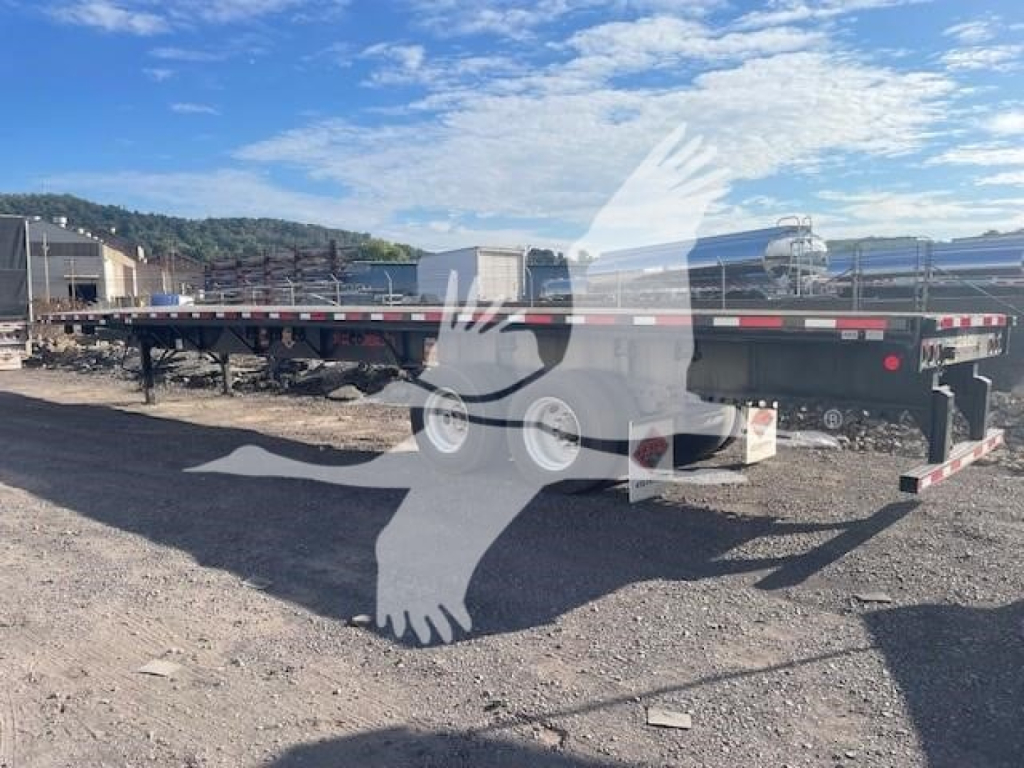
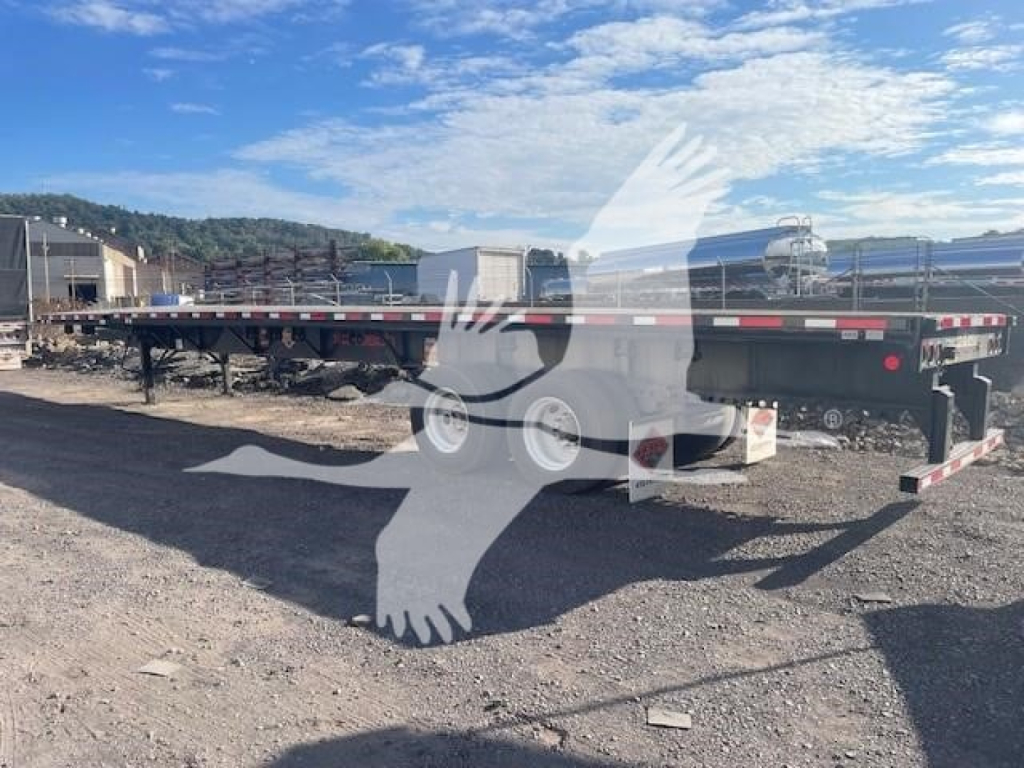
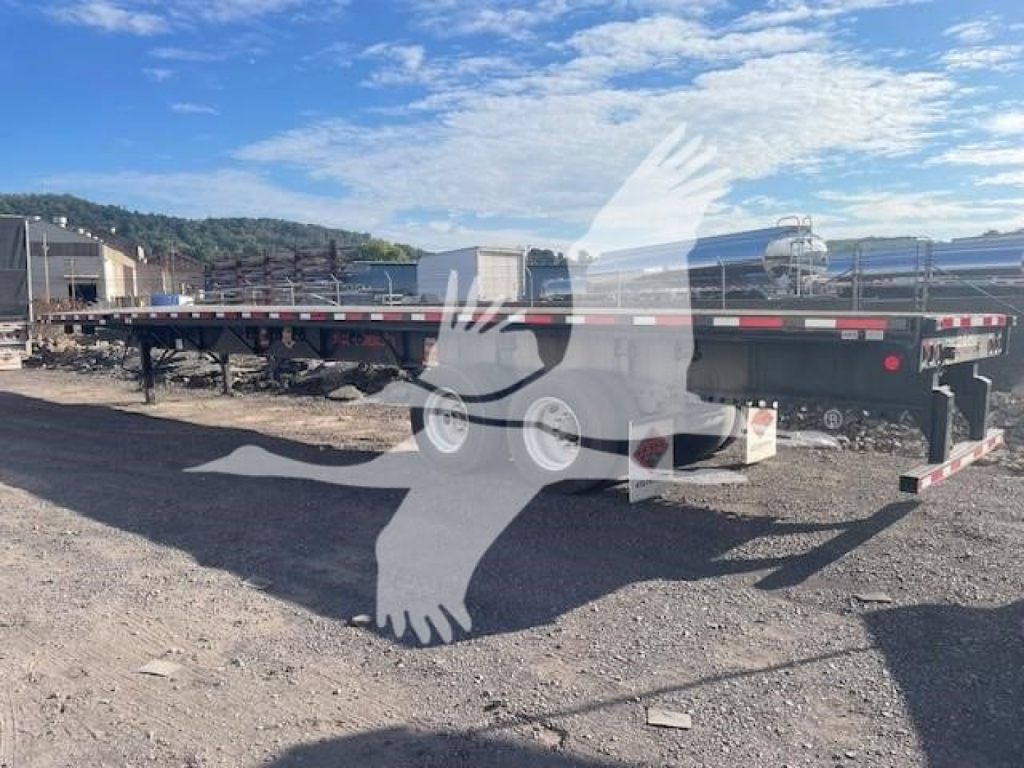
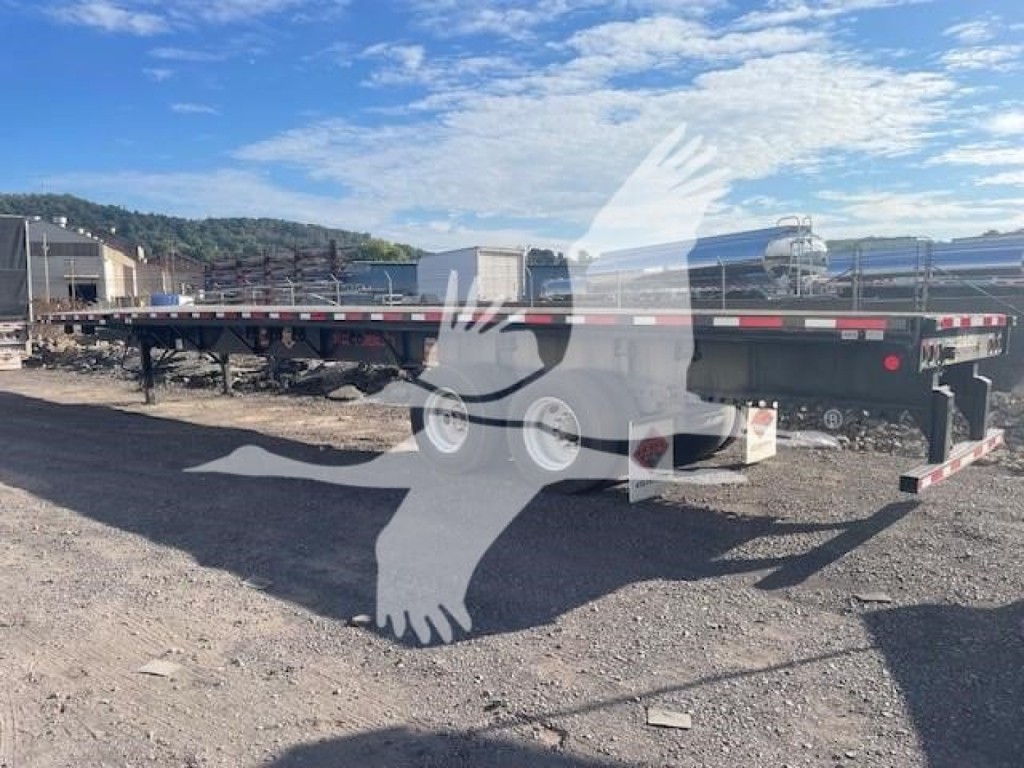
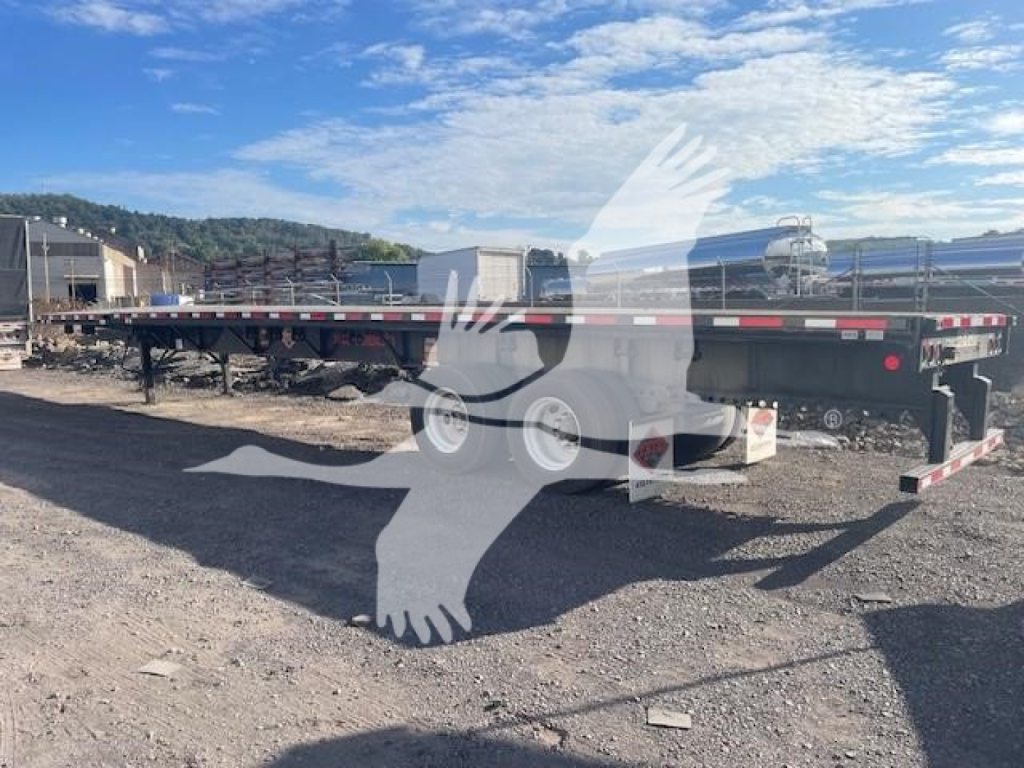
Selling a 2016 fontaine flatbed trailer? List your 2016 fontaine flatbed trailer for sale and reach thousands of commercial buyers.
2016 Fontaine Flatbed Trailers
The first decision usually comes down to construction and application. A combo flatbed can make sense for fleets hauling concentrated loads such as steel, coils, or equipment because the steel beam structure offers strong point-load performance while keeping overall weight competitive. An all-aluminum trailer is often favored when payload and corrosion resistance matter most, especially in regional or over-the-road freight that rewards every pound saved. On a 2016 Fontaine, key specs to compare include kingpin setting, axle spacing, air ride versus spring ride suspension, rear axle slide, crossmember spacing, and frame rating. Many buyers also look closely at 55,000-pound-in-4-foot ratings, which matter if the trailer will see dense freight instead of lighter dimensional loads.
Load securement details are just as important as the base frame. Common flatbed features in this category include routed aluminum side rails, double-L winch tracks, sliding winches, stake pockets, pipe spools, pop-up chain ties, nail strips, and coil packages. A true coil package is especially important for steel haulers because it supports safer positioning and securement of concentrated coil loads. Bulkheads or headache racks, recessed container locks, toolboxes, dunnage racks, and aluminum or steel wheel setups also show up on many Fontaine trailers and can materially affect day-to-day usability. Buyers should inspect deck condition, side rail wear, winch track integrity, landing gear bracing, suspension condition, brake life, and tire size and remaining tread, especially on used 2016 models that may have worked in demanding freight lanes.
A well-spec'd 2016 Fontaine flatbed trailer can still be a strong revenue trailer if the configuration matches the freight. General freight carriers may prioritize lower tare weight and more winch capacity, while steel and industrial haulers may put more value on coil bunks, tighter crossmember spacing, and stronger concentrated load ratings. For buyers comparing listings, the most important question is not just length or price. It is how the trailer was built and whether its securement package, frame design, and suspension layout fit the loads it will haul every week.
Frequently Asked Questions about 2016 Fontaine Flatbed Trailers
What should I look for first on a 2016 Fontaine flatbed trailer?
Start with the trailer’s construction type, frame rating, and securement package. A 2016 Fontaine may be a combo trailer with steel main beams and aluminum components or an all-aluminum design. After that, confirm deck length, kingpin setting, axle spread, suspension type, and whether it has the right features for your freight, such as a coil package, sliding winches, chain ties, stake pockets, and toolboxes. Condition items like deck wear, side rail damage, tire age, brake percentage, and landing gear integrity should be checked before cosmetic details.
Is a combo Fontaine flatbed better than an all-aluminum Fontaine flatbed?
It depends on the freight mix. A combo flatbed is often preferred for heavier concentrated loads because the steel beam structure can offer strong durability and point-load support. An all-aluminum flatbed usually wins on tare weight and corrosion resistance, which can improve payload and long-term operating efficiency. Buyers hauling steel, coils, or equipment often lean toward combo construction, while general freight and weight-sensitive operations may favor all-aluminum.
Do 2016 Fontaine flatbeds commonly come with coil packages?
Yes, many Fontaine flatbeds in this age range were ordered with coil packages, especially units used in steel-hauling regions. A coil package typically includes the structural support and securement layout needed for hauling concentrated coil loads safely. If coils are part of the intended work, verify that the trailer has the proper coil bunks or coil area, chain tie configuration, and frame rating rather than assuming every flatbed is set up for that application.
What trailer length is most common for a 2016 Fontaine flatbed?
The most common lengths are 48 feet and 53 feet, both typically at 102 inches wide. A 48-foot flatbed remains a very common choice for general open deck freight and steel-related applications because it is versatile and widely accepted by shippers. A 53-foot flatbed offers more deck space for lighter or longer freight, but the right choice depends on route requirements, weight distribution, and the type of loads being booked.
How important is suspension type on a used 2016 Fontaine flatbed trailer?
Suspension type matters because it affects ride quality, cargo protection, maintenance profile, and resale appeal. Air ride is common on higher-spec flatbeds because it helps protect sensitive freight and is often preferred by fleets and owner-operators hauling mixed commodities. Spread axle and sliding axle setups also influence bridge compliance and load positioning. On any used 2016 trailer, inspect suspension components closely for wear, alignment issues, bushing condition, and evidence of uneven tire wear.