
2024 Dump Body Parts For Sale
Shop 2024 dump body parts and body components, including steel and aluminum bodies, hoists, doors, tarps, crossmembers, and hitch setups.
Learn more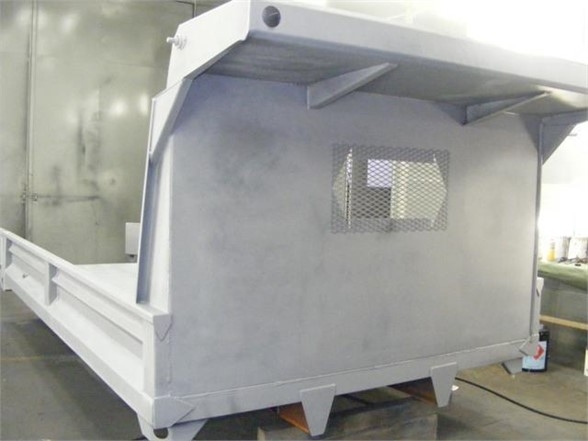
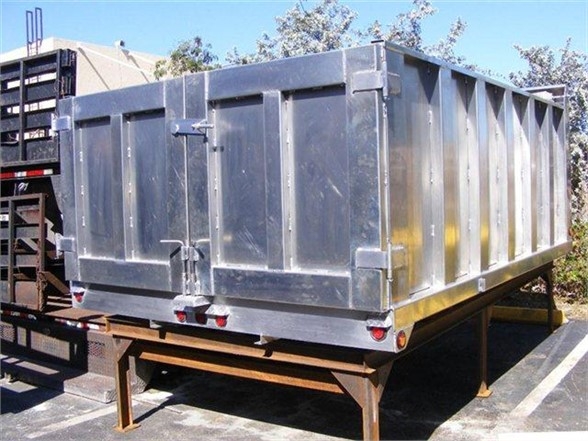
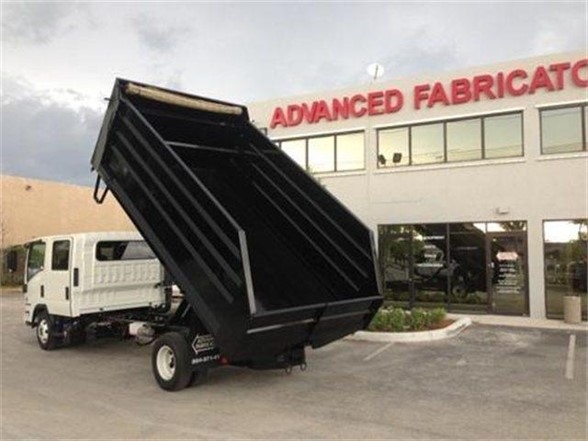
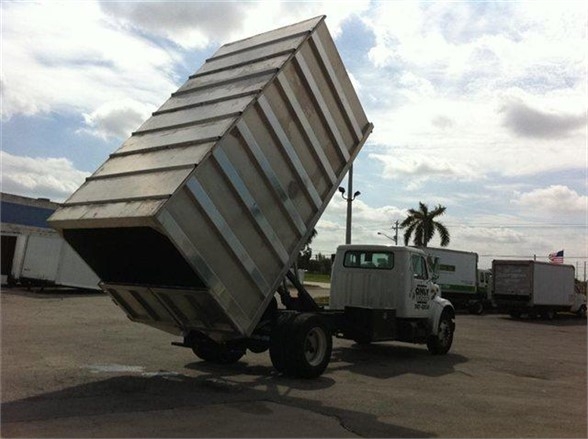
Have 2024 dump body part to sell? List it here to reach thousands of buyers.
About 2024 Dump Body Parts
Body dimensions and wall configuration drive how a dump body performs in daily service. Common lengths in this class include 12-foot, 14-foot, and 16-foot bodies, often built on 8-foot-wide platforms. Floor thickness around 3/16 inch is typical on work-oriented bodies, while side wall height can range from low 14-inch sides on material haulers to 48-inch, 56-inch, or 72-inch sides for landscape, trash, and chipper applications. Buyers should look closely at crossmember spacing, channel size, longsill design, and whether the sides are smooth, sloped, seam-free, or reinforced with V-stamps and posts. Those details affect rigidity, body life, and how well the body stands up to repeated loading, uneven material distribution, and off-road use.
Hoist and rear-door configuration matter just as much as the shell. Electric-over-hydraulic hoists are common on dump body packages because they simplify operation and fit many medium-duty chassis, but capacity, mounting geometry, and hydraulic compatibility still need to match the truck. Rear access is usually handled by barn doors, combination gates, or high-swing setups depending on whether the truck is hauling mulch, debris, brush, or loose bulk material. A cab protector, bulkhead window, tarp system, side steps, grab handles, mud flaps, and FMVSS 108-compliant lighting are not minor add-ons. They directly affect safety, load control, cleanup time, and DOT readiness.
For buyers sourcing 2024 dump body parts, fitment is the main decision point. The body has to match cab-to-axle measurement, frame width, axle placement, hoist clearance, and intended PTO or electric hydraulic setup. It is also worth checking hitch requirements, brake connector provisions, and rear structure if towing support is part of the job. Landscaping fleets, tree service operators, municipal users, and general contractors often need different side heights, roof designs, and door openings even when the nominal body length is the same. The best choice is the one built around material type, loading method, chassis specs, and how many dump cycles the truck will see each week.
Frequently Asked Questions
What are the most important specs to compare when buying dump body parts or a replacement dump body?
The key specs are body length, width, floor thickness, side height, material type, crossmember spacing, longsill size, hoist compatibility, and rear-door configuration. Buyers should also verify cab-to-axle fit, frame rail compatibility, body weight, and whether the truck will use electric-over-hydraulic or PTO-driven hydraulics. These details determine payload, durability, installation complexity, and how well the body matches the chassis.
Is a steel or aluminum dump body better?
Steel dump bodies are usually the better choice for severe-duty hauling, abrasive material, and demolition-related work because they resist impact and wear. Aluminum dump bodies are lighter and help maximize legal payload, which makes them popular for chipper, trash, and landscape applications. The right material depends on what the truck hauls most often, how rough the loading conditions are, and whether lower tare weight or higher abuse tolerance matters more.
What side height is best for a dump body?
Low sides are better for dense material like gravel, sand, and dirt because they help control overall load volume and keep the center of gravity lower. Taller sides are more practical for mulch, brush, leaves, trash, and other light materials that need more cubic capacity. Buyers should match side height to material density, loading equipment, and whether the truck needs to stay versatile across multiple jobs.
What is included in many dump body assemblies besides the body shell itself?
Many dump body assemblies include components such as the hoist, bulkhead, barn doors, tarp system, cab protector, lights, mud flaps, hitch hardware, side steps, and grab handles. Some bodies also include reinforced posts, stamped side panels, and specific rear electrical provisions like a 7-way plug. Knowing what is included is important because operating components and installation hardware can significantly affect total project cost.
How do I know if a dump body will fit my truck chassis?
Fitment starts with the truck’s cab-to-axle measurement, frame dimensions, axle placement, and available clearance for the hoist and subframe. Buyers should also confirm body length, mounting method, hydraulic power source, and rear overhang requirements. A dump body that is correct on paper for length still may not install properly if the frame rail spacing, suspension layout, or hydraulic setup does not match the body design.