
2027 Heil Gasoline - Fuel Trailers For Sale
Shop Heil gasoline-fuel trailers with DOT 406 specs, multi-compartment tanks, aluminum piping, vapor recovery, and petroleum delivery features.
Have 2027 heil gasoline - fuel trailer to sell? List it here to reach thousands of buyers.
2027 Heil Gasoline - Fuel Trailers
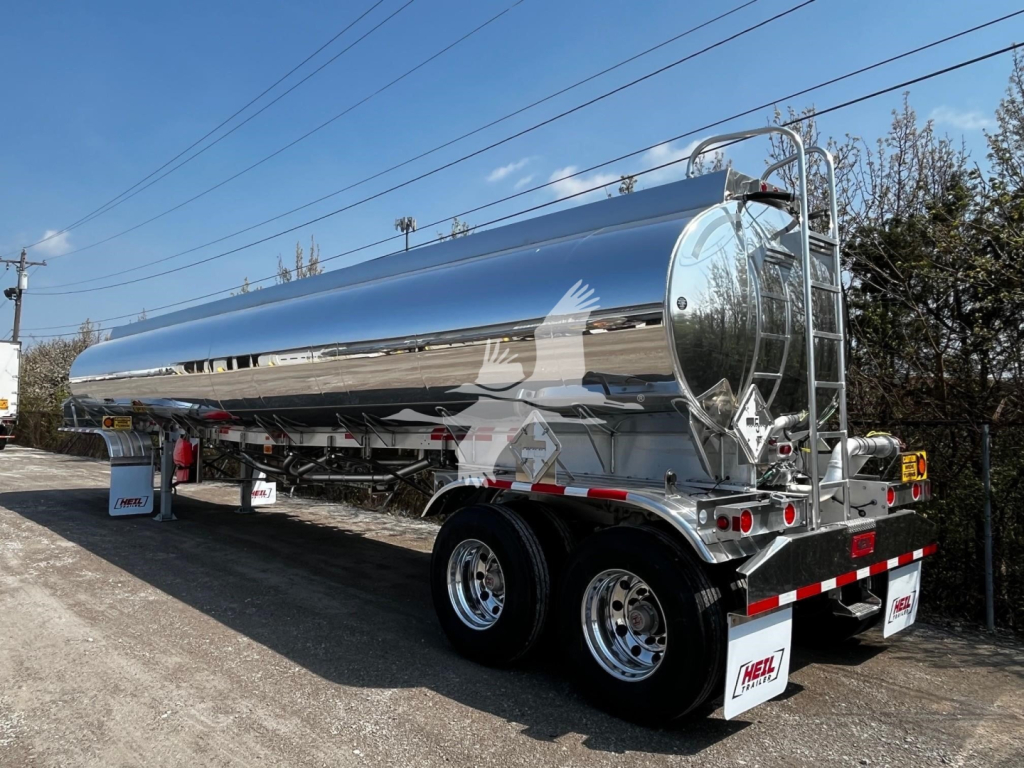
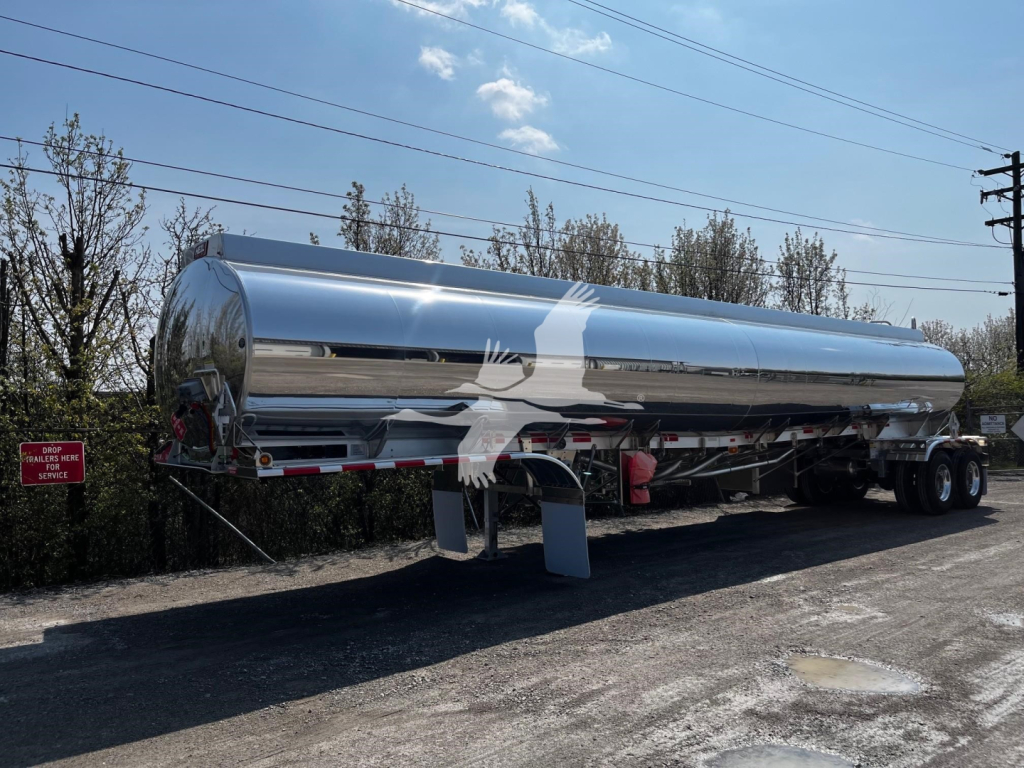
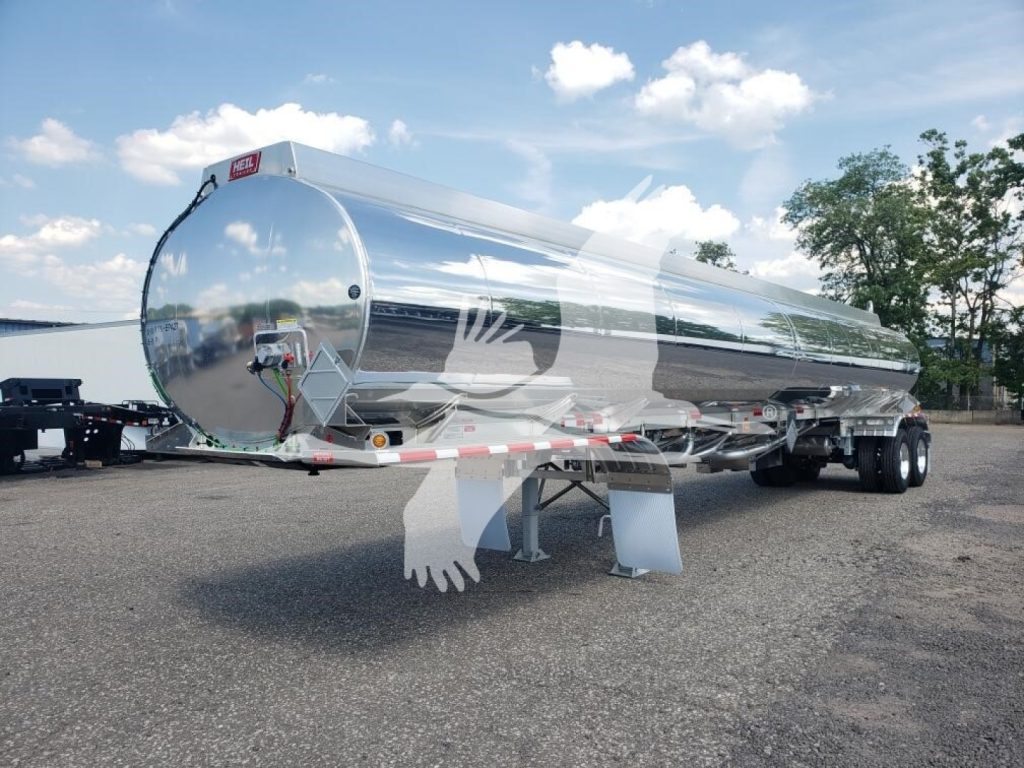
A key buying decision is compartment sizing. A trailer with balanced compartment splits can improve dispatch flexibility and reduce heel product on multi-stop routes, while larger lead compartments may fit high-volume regular unleaded drops better. Buyers should also compare bulkhead construction, internal drain trough design, vapor recovery layout, and overfill systems from suppliers such as Civacon or Flo-Tech. Aluminum piping, 4-inch API discharge hardware, openable adapters, emergency air-operated valves, EVO cabinets, and multi-sided commodity indicators are all common on Heil petroleum tanks because they support fast, compliant unloading at retail fuel sites.
Running gear and serviceability are just as important as tank spec. Most Heil fuel trailers in this class are tandem axle units with air ride suspension, often Hendrickson Intraax, aluminum wheels, and either drum or disc brakes. Tire size can vary between low-profile 445/50R22.5 and more conventional 11R22.5, so fleet standardization and replacement cost should be considered. Suspension setting, kingpin setting, landing gear, hose tray design, cabinet size, rear or front ladder placement, and work light placement all affect day-to-day usability. Disc brakes, roll stability systems, ABS packages, galvanized hangers, and aluminum suspension frames are especially valuable for fleets focused on uptime and corrosion resistance.
For used units, test dates, barrel condition, brake life, tire condition, and the exact overfill and vapor recovery equipment deserve close attention because petroleum compatibility and compliance history matter more than general trailer age. For newer 2027 Heil gasoline trailers, buyers typically compare tare weight, FET treatment in pricing, tank geometry, and the unloading package that best matches terminal and customer requirements. A well-matched Heil fuel trailer should deliver legal payload, reliable compartment management, and straightforward maintenance while meeting the operational demands of convenience store, cardlock, and commercial fuel delivery.
Frequently Asked Questions about 2027 Heil Gasoline - Fuel Trailers
What is the typical capacity of a Heil gasoline-fuel trailer?
Most Heil gasoline-fuel trailers in this category fall in the 9,200 to 9,500 gallon range. Actual usable capacity depends on the barrel design, compartment layout, and product loading practices. Buyers should look beyond total gallons and focus on how the compartment sizes match their delivery pattern, since a better split can be more valuable than slightly higher overall capacity.
What does DOT 406 or MC-406 mean on a fuel trailer?
DOT 406, formerly MC-406, refers to the cargo tank specification commonly used for transporting gasoline and other refined petroleum products. It defines the design and safety requirements for this trailer class, including tank construction and related equipment. For a buyer, it is a baseline spec that confirms the trailer is built for the intended petroleum service, but the exact piping, vapor recovery, overfill protection, and unloading hardware still need to be evaluated unit by unit.
How many compartments should a gasoline trailer have?
That depends on the number of products and stop patterns on the route. A 4-compartment trailer can work well for simpler delivery schedules with larger drops, while a 5-compartment trailer gives more flexibility for hauling multiple grades, ethanol blends, or split loads to several stations. More compartments can improve dispatch options, but they also make sizing more critical because underused compartments can reduce efficiency.
What specs matter most when comparing used Heil fuel trailers?
The most important items are current test status, tank condition, prior product service, overfill system type, vapor recovery configuration, emergency valve operation, brake condition, tire condition, and overall discharge equipment condition. Buyers should also verify cabinet condition, lighting, placards, hose storage, and suspension wear. On petroleum trailers, compliance equipment and unloading functionality usually matter more than appearance.
Are disc brakes worth it on a petroleum trailer?
Disc brakes are often worth serious consideration for fleets that prioritize stopping performance, easier inspection access, and reduced brake fade in repeated stop-and-go fuel delivery service. They can improve maintenance consistency and may shorten service time compared with some drum brake setups. The tradeoff is parts cost and fleet standardization, so the best choice depends on the maintenance program and how the rest of the fleet is spec'd.