
Heil Gasoline - Fuel Trailers For Sale
Shop Heil gasoline-fuel trailers for petroleum delivery, with common DOT 406 specs, compartment layouts, vapor recovery, and bottom-load features.
Selling a heil gasoline - fuel trailer? List your heil gasoline - fuel trailer for sale and reach thousands of commercial buyers.
Heil Gasoline - Fuel Trailers
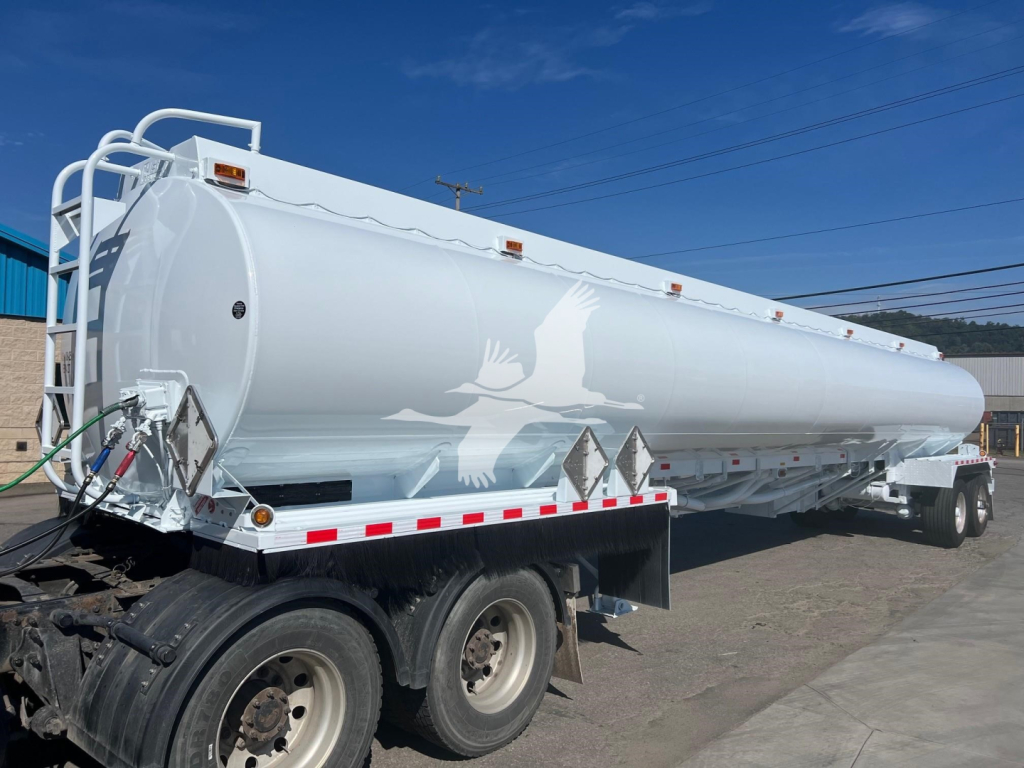
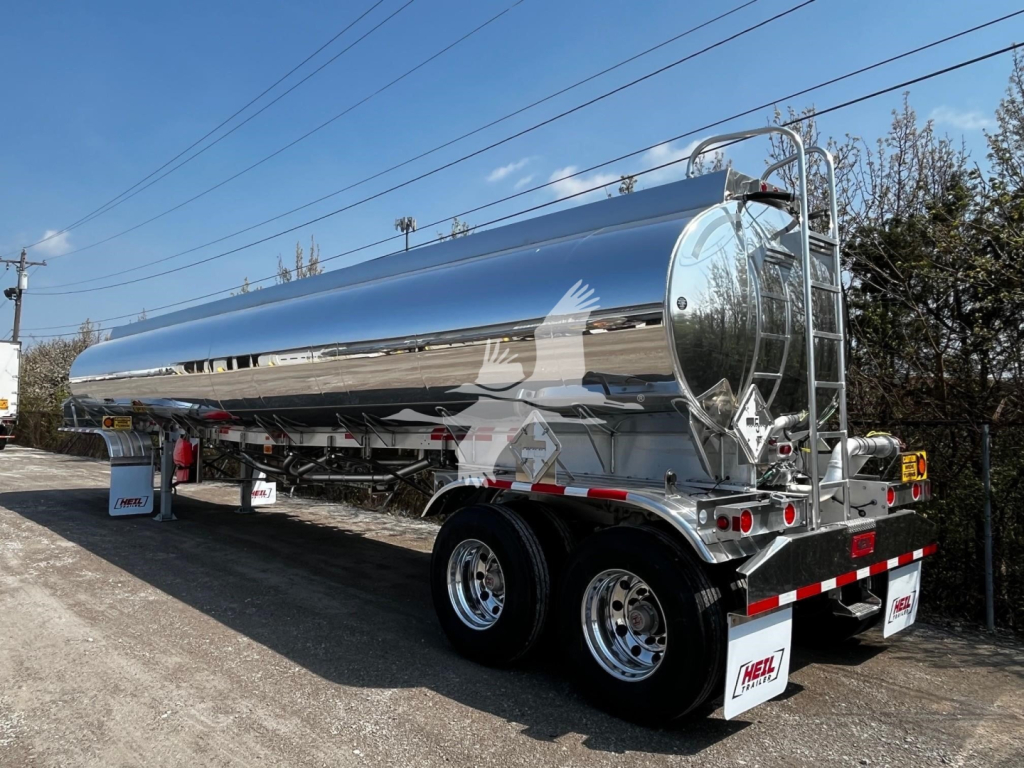
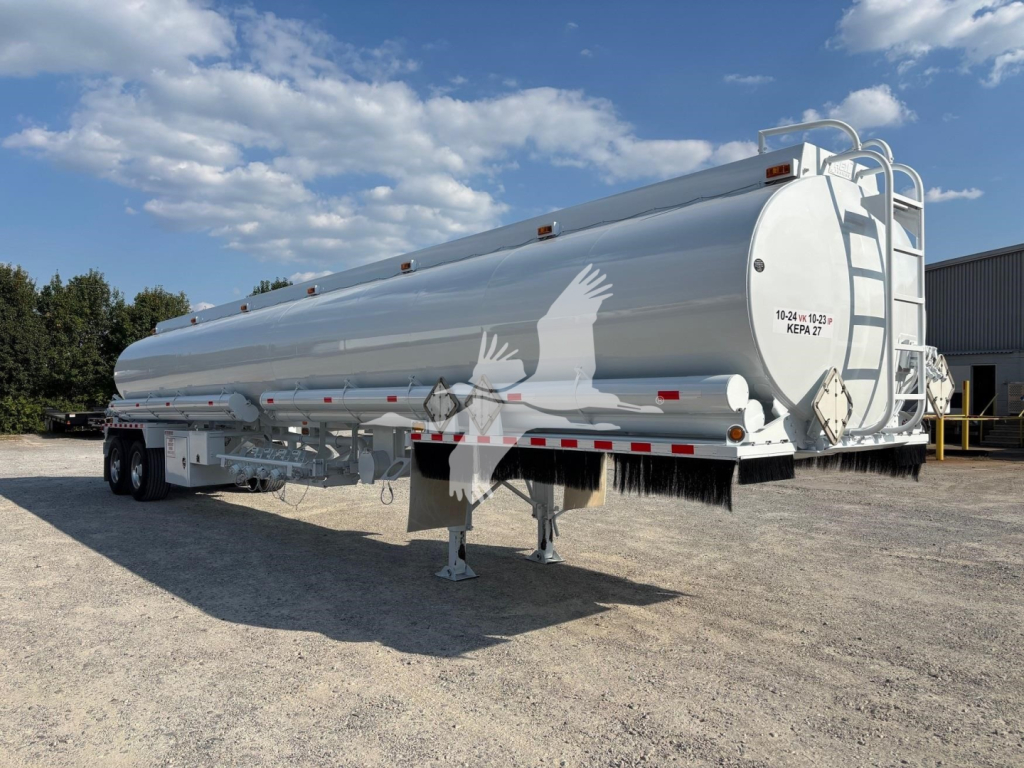
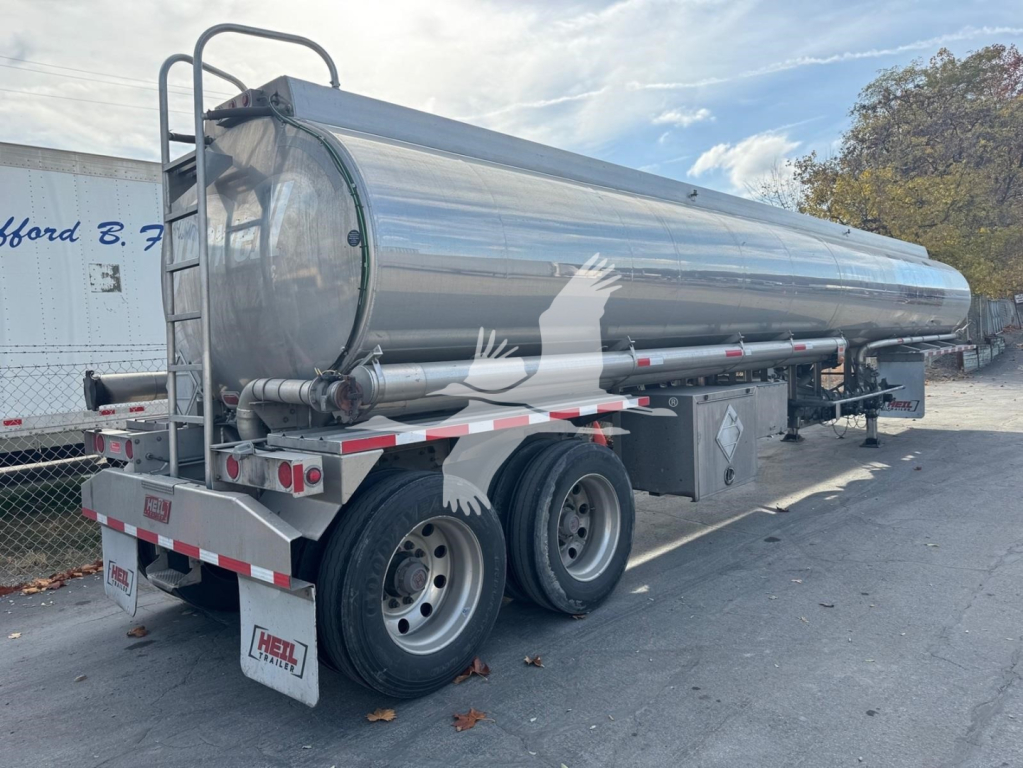
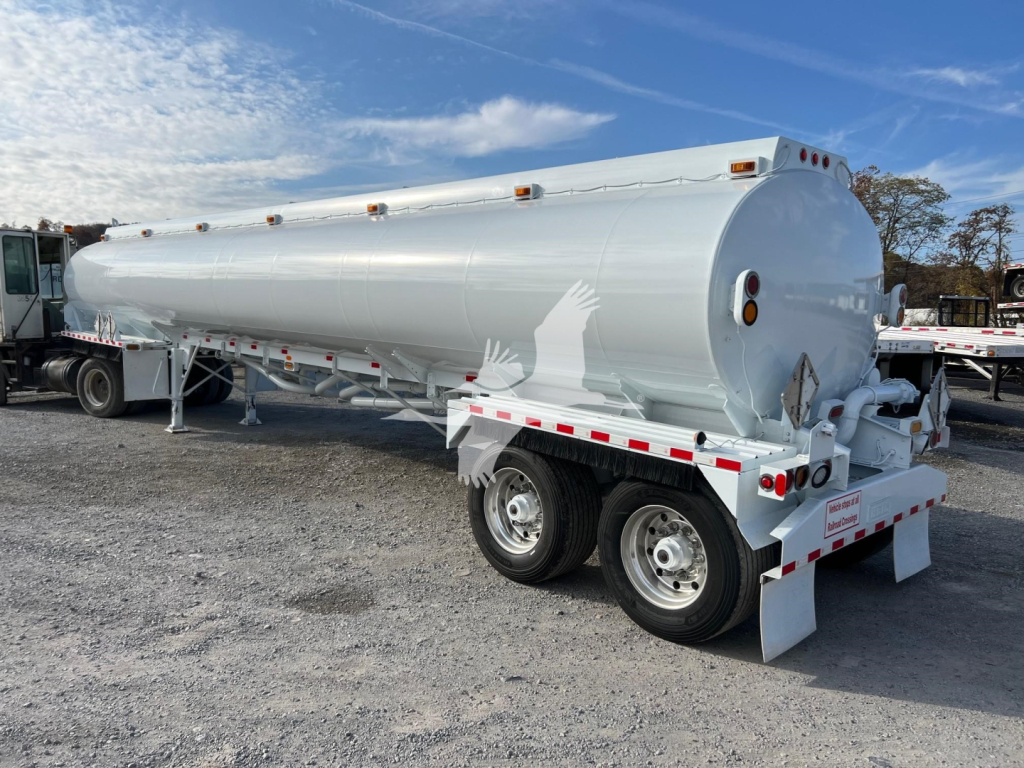
Compartment layout is one of the first decisions to get right. Heil fuel trailers in this class are commonly set up with four or five compartments, often in split sizes such as 3200-2300-1100-2600 or 2500-2100-1000-1500-2100. That matters if you are dropping multiple grades at one stop or running mixed gasoline and diesel routes. Buyers should also pay attention to bulkhead design, trough bottom or drain trough construction, internal drains, and product indicator hardware. A trough bottom petro tank can improve cleanout and product evacuation, which is important for operators managing frequent compartment turnover. Rear ladder versus front ladder placement, hose tube count, cabinet size, and stick tube location also affect day-to-day usability more than many first-time buyers expect.
On the compliance side, the major items are vapor recovery, overfill protection, emergency valve controls, and current test status. Many Heil petroleum trailers are equipped with Civacon overfill systems such as ROM II, ROM III, or ROMLink, along with top and bottom probes, internal vapor recovery, air-operated emergency valves, and EVO cabinets. ABS and roll stability systems from Bendix or WABCO are common on later units, and some newer trailers are spec'd with disc brakes and galvanized suspension hangers for lower maintenance. It is worth verifying annual inspection, leakage, pressure, and thickness-related requirements as applicable to your operation and jurisdiction, along with compatibility at the rack if you load through specific terminal systems.
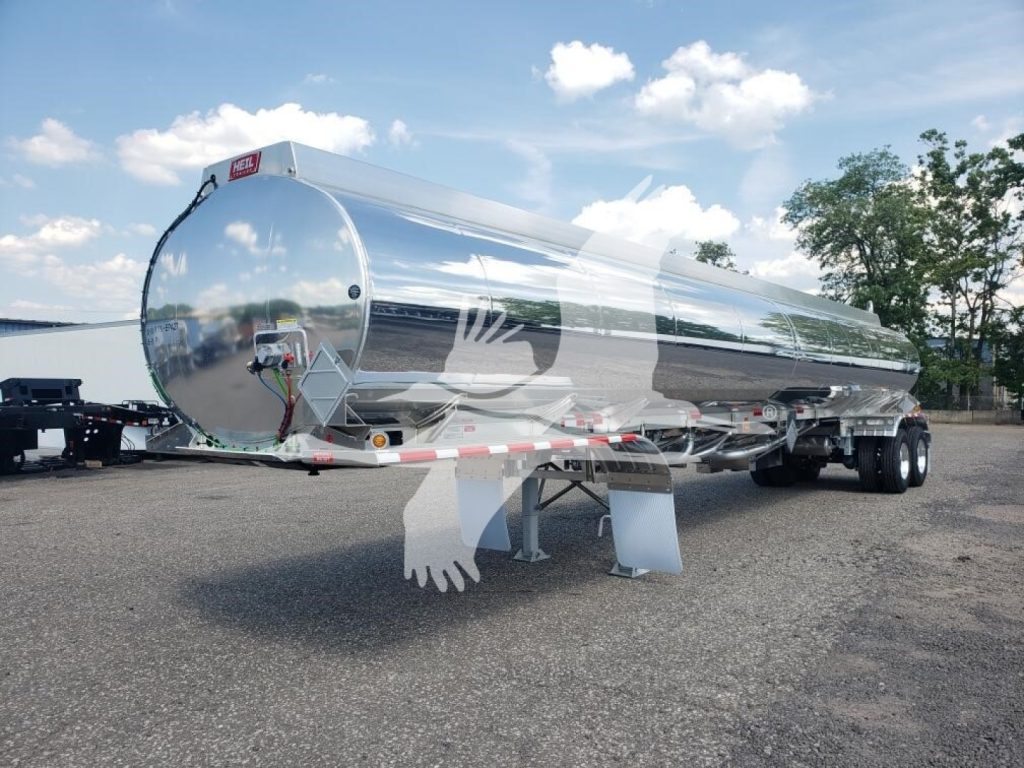
Suspension and tire spec should match your lanes and service model. Heil fuel trailers are often found with Hendrickson Intraax tandem air ride suspensions, 49-inch settings, and either low-profile 445- or 455-series tires or 11R22.5 rubber depending on ride height and maintenance preference. Kingpin setting, axle track, landing gear, cabinet layout, and discharge hardware all affect how the trailer works with your tractor fleet and delivery sites. A lighter aluminum trailer can help maximize legal payload, but practical value comes from the full package: compartment sizing, brake package, vapor system design, rack compatibility, and the condition of the barrel, valves, and suspension components.
Frequently Asked Questions about Heil Gasoline - Fuel Trailers
What is the most common Heil gasoline-fuel trailer configuration?
A very common Heil petroleum trailer spec is a DOT 406 aluminum tandem axle unit with about 9,200 gallons of total capacity. Many are built with an elliptical barrel, bottom-loading plumbing, vapor recovery, air ride suspension, and either four or five compartments. That configuration is popular because it fits typical retail and commercial fuel delivery routes while keeping the trailer light enough to support strong legal payload.
How do I choose between a 4-compartment and 5-compartment Heil fuel trailer?
The right compartment count depends on the products and stop pattern on your routes. A 4-compartment trailer can work well for simpler gasoline delivery schedules with fewer product splits and slightly larger drops per compartment. A 5-compartment trailer gives more flexibility for multiple grades, diesel, ethanol blends, or smaller-volume stop planning. The best choice usually comes down to how often you need to segregate products versus how much volume you want available in each compartment.
What safety and compliance equipment should I check on a Heil DOT 406 trailer?
Key items include the overfill system, vapor recovery setup, emergency valves, ABS or roll stability, and the current inspection and test status. Many Heil trailers use Civacon ROM-series overfill protection with top and bottom probes, plus internal vapor recovery and air-operated emergency valves housed in an EVO cabinet. Buyers should also confirm terminal loading compatibility, valve condition, brake type, and that required inspections are current for the trailer's intended service.
Are trough bottom Heil petro trailers better for fuel delivery?
A trough bottom design can be a strong advantage in petroleum service because it promotes more complete drainage and efficient product evacuation during unload. That can help with compartment turnover, reduce retained product, and simplify operations on multi-stop routes. It is especially useful for fleets that need clean compartment management and dependable flow characteristics across different product types.
What operating specs matter most when comparing Heil fuel trailers?
The most important comparison points are total gallons, compartment sizes, barrel construction, suspension type, brake package, tire size, kingpin setting, and the discharge and vapor system layout. Cabinet arrangement, hose storage, ladder placement, and fittings access also matter because they affect driver efficiency and serviceability. A trailer that looks similar on paper can perform very differently if the rack interface, compartment split, or running gear spec does not match your operation.