
Heil Gasoline - Fuel Trailers For Sale in Ohio
Shop Heil gasoline and fuel trailers, including DOT 406 petroleum tank trailers with multi-compartment options for refined fuel hauling.
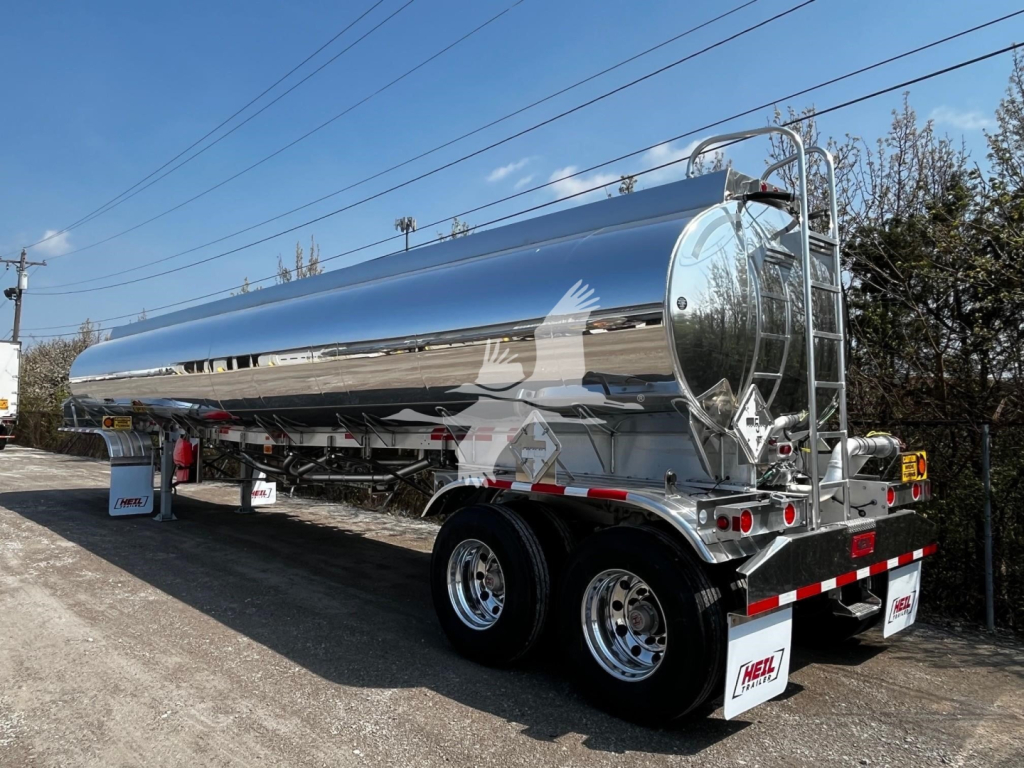
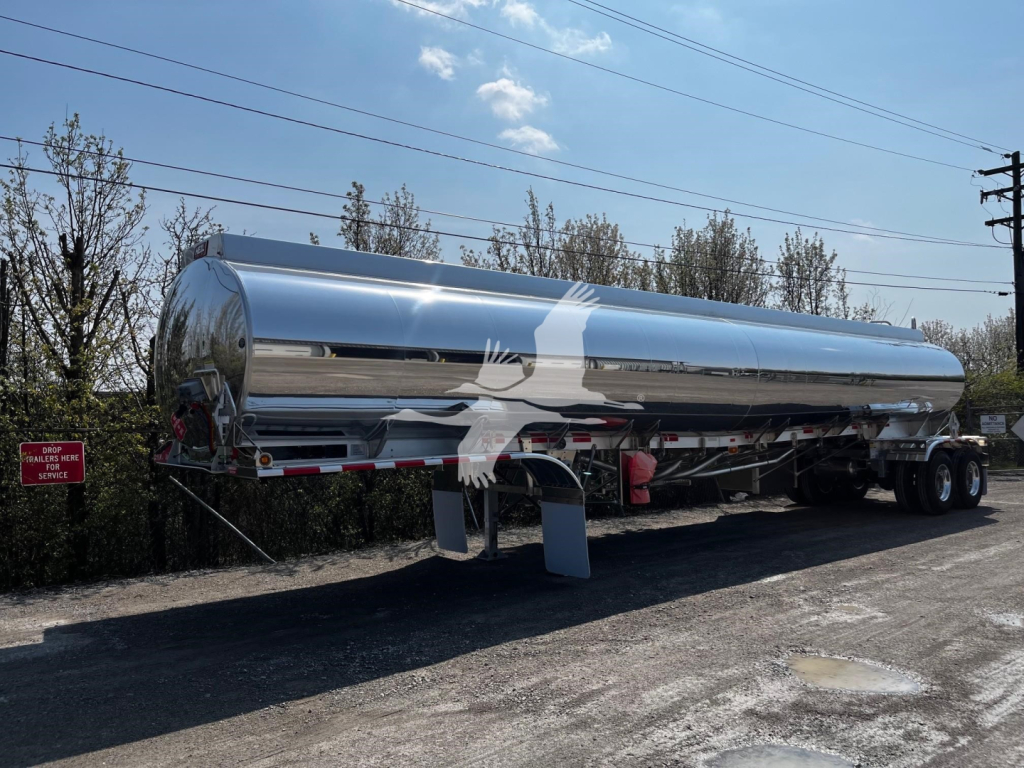
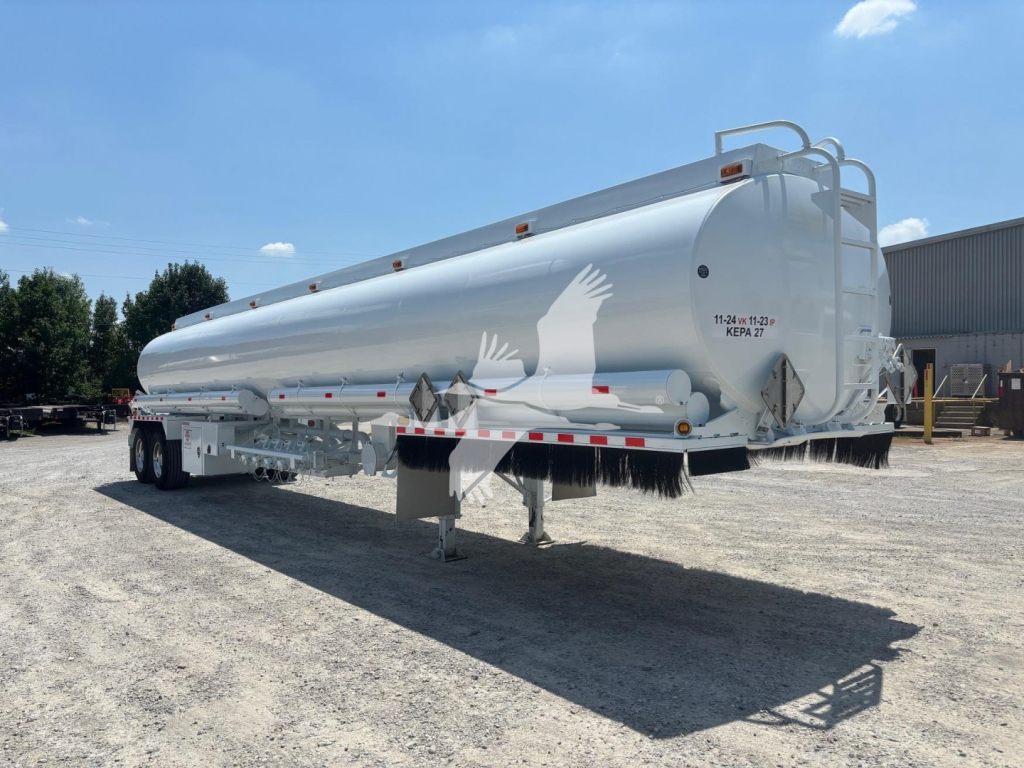
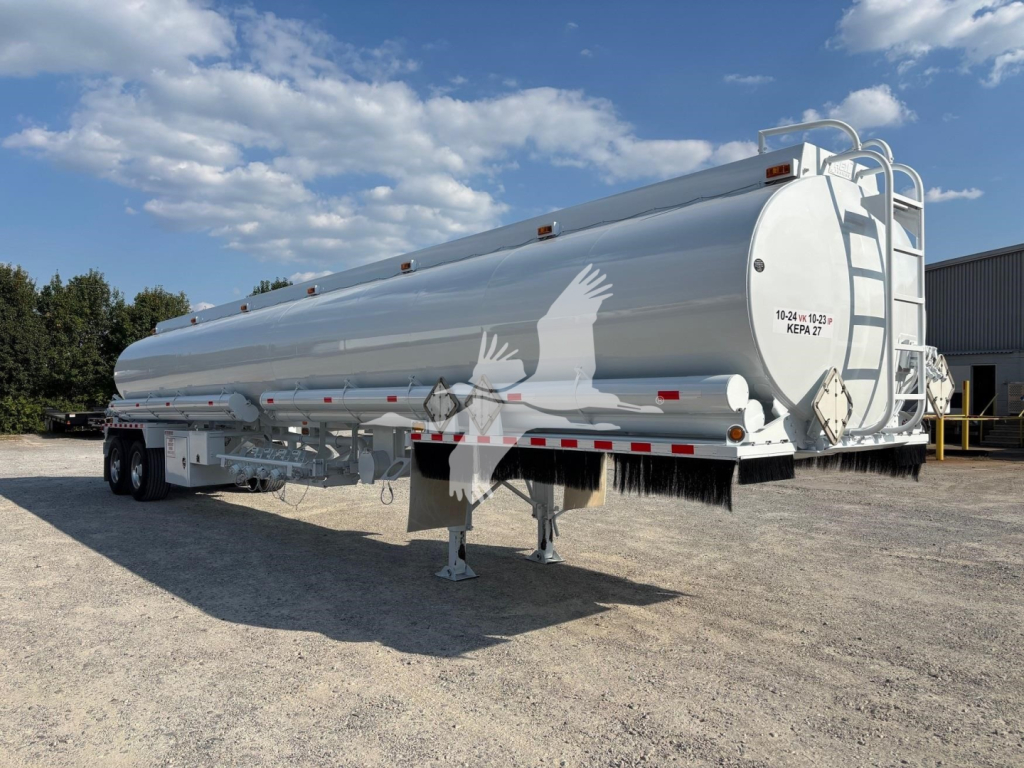
Selling a heil gasoline - fuel trailer? List your heil gasoline - fuel trailer for sale to reach thousands of commercial buyers.
Heil Gasoline - Fuel Trailers in Ohio
A serious buying decision in this category starts with the tank and product handling package. Compartment sizes can vary widely, and that affects how efficiently a trailer fits your delivery mix. Buyers should look closely at bulkhead design, sump layout, internal drains, internal vapor lines, and the number and style of vapor recovery outlets. Aluminum piping, API discharge valves, drop adapters, sight glasses, emergency valves, and overfill systems such as Flo-Tech or Civacon are standard points of comparison. If the trailer will run with modern loading racks and electronic monitoring, verify optic sensors, top and bottom probe compatibility, and the condition or age of the overfill equipment.
Heil fuel trailers are also known for the practical details that affect daily driver use and maintenance. Hose tube placement, fittings cabinet size, EVO cabinet access, ladder position, placard layout, work lights, spill kit storage, and cone holders all make a difference on store deliveries and tight unloading sites. Suspension and brake specs deserve close attention too. Tandem air ride suspensions from Hendrickson are common, along with aluminum wheels, wide-base or 11R22.5 tire setups, and in many cases disc brakes with ABS and roll stability. Kingpin setting, axle track, landing gear, and fender style should match the fleet's tractor spec and the routes the trailer will actually run.
For used Heil gasoline trailers, test dates and inspection status are critical. Buyers should confirm current V and K tests, I and P tests, DOT inspection status, barrel condition, and the working order of vapor, emergency, and overfill systems before putting a unit into service. Also check the condition of the discharge plumbing, cabinet doors, suspension frame, paint, and underframe components, especially on trailers that have spent years in high-cycle retail fuel service. A well-spec'd Heil DOT 406 trailer can be a strong fit for petroleum distributors, convenience store fuel fleets, and private carriers that need safe, efficient multi-product hauling with equipment that drivers and mechanics already know well.
Frequently Asked Questions about Heil Gasoline - Fuel Trailers in Ohio
What is the typical capacity of a Heil gasoline-fuel trailer?
A common Heil gasoline trailer in this category falls in the 9,200 to 9,500 gallon range, usually with a 4-compartment configuration. Exact capacity depends on tank shape, compartment split, and axle layout. Many fleets choose this size because it balances delivery flexibility with legal payload management for refined fuel service.
Are Heil gasoline trailers usually built to DOT 406 specification?
Yes. Most Heil gasoline and refined fuel trailers in this class are DOT 406 petroleum trailers designed for hauling gasoline and other light liquid fuels. DOT 406 construction is the standard spec buyers expect for this type of work, but the exact compliance equipment still needs to be verified, including vapor recovery, emergency valves, overfill protection, and current test documentation.
What should I check first on a used Heil fuel trailer?
Start with the current test and inspection dates, then move to the tank barrel, bulkheads, plumbing, valves, overfill system, and vapor recovery components. The condition of the suspension, brakes, tires, landing gear, and underframe also matters because these trailers often run frequent stop-and-drop delivery cycles. A trailer may look clean and still need work in the discharge system or safety electronics, so operational readiness is more important than appearance alone.
Why do compartment sizes matter on a gasoline trailer?
Compartment sizes determine how well the trailer fits your delivery profile. A 4-compartment trailer can carry multiple fuel grades on one route, but the actual gallon split affects how efficiently you serve retail stations, cardlocks, or private tanks without shorting one product or carrying excess of another. Buyers should match the compartment layout to their average drop sizes, not just total tank capacity.
What suspension and brake setups are common on Heil fuel trailers?
Air ride tandems are common, especially Hendrickson suspensions, because they help protect the tank and improve ride quality on variable route conditions. Many units also use aluminum wheels and either wide-base tires or standard 11R22.5 tires depending on fleet preference. Disc brakes, ABS, and roll stability systems are increasingly desirable because they improve stopping performance and safety in fuel hauling applications.