
Heil Gasoline - Fuel Trailers For Sale in Pennsylvania
Shop Heil gasoline and fuel trailers for petroleum delivery, with MC-406 specs, multi-compartment tanks, vapor recovery, and air-ride tandems.
Selling a heil gasoline - fuel trailer? List your heil gasoline - fuel trailer for sale and reach thousands of commercial buyers.
Heil Gasoline - Fuel Trailers in Pennsylvania
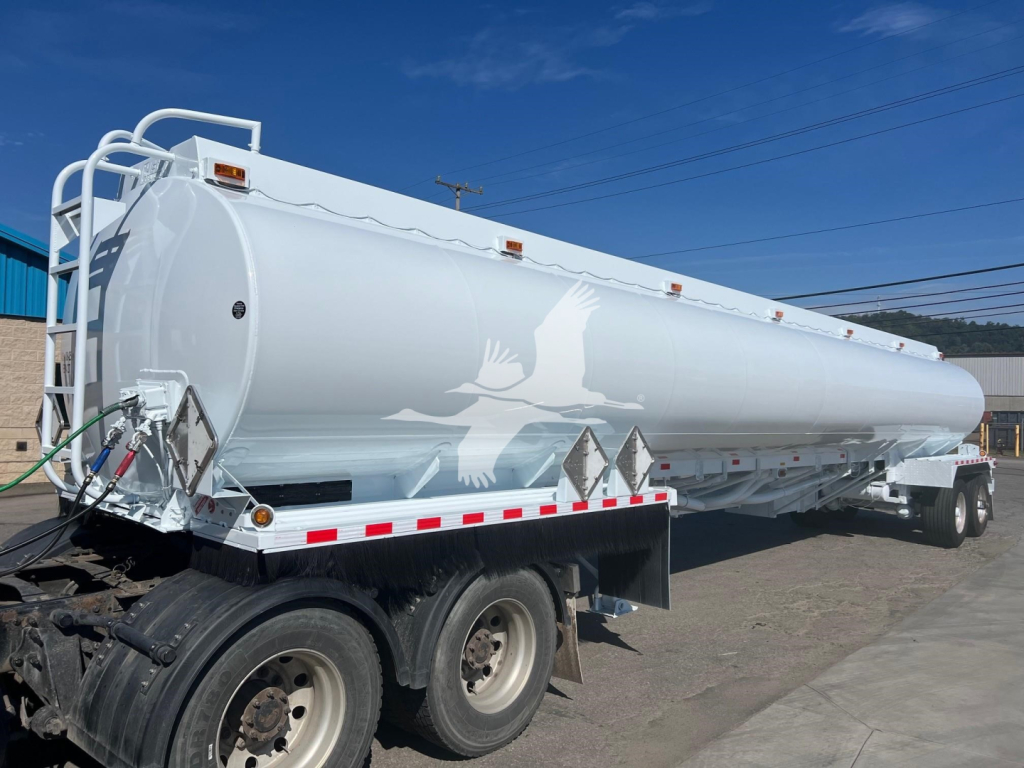
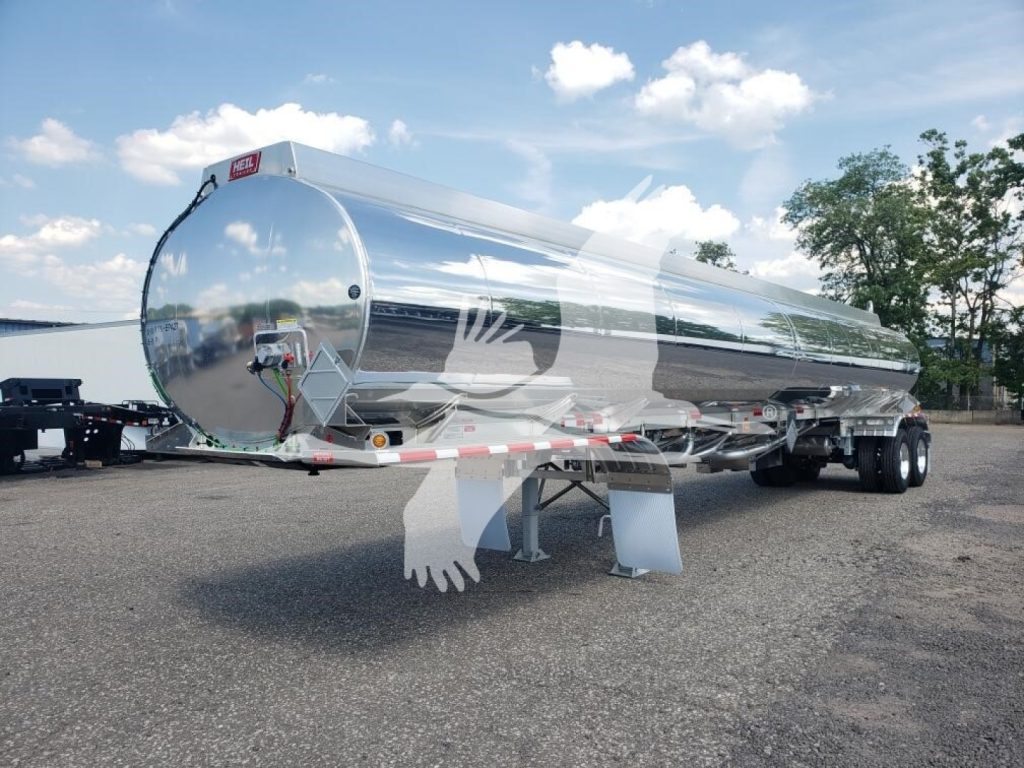
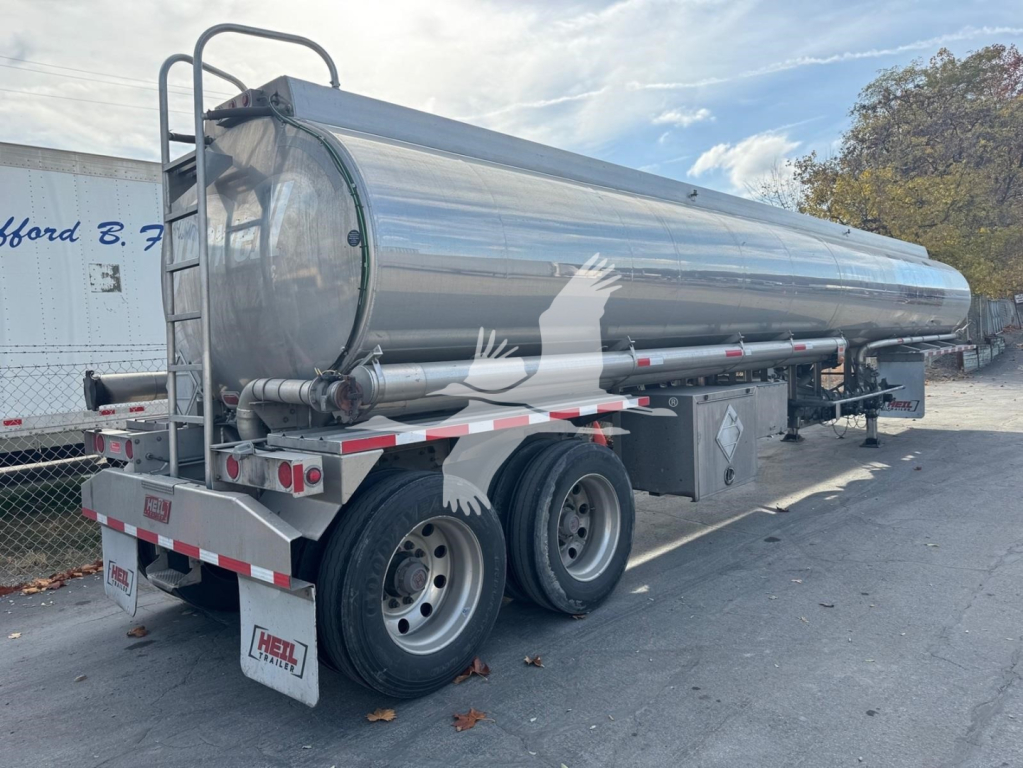
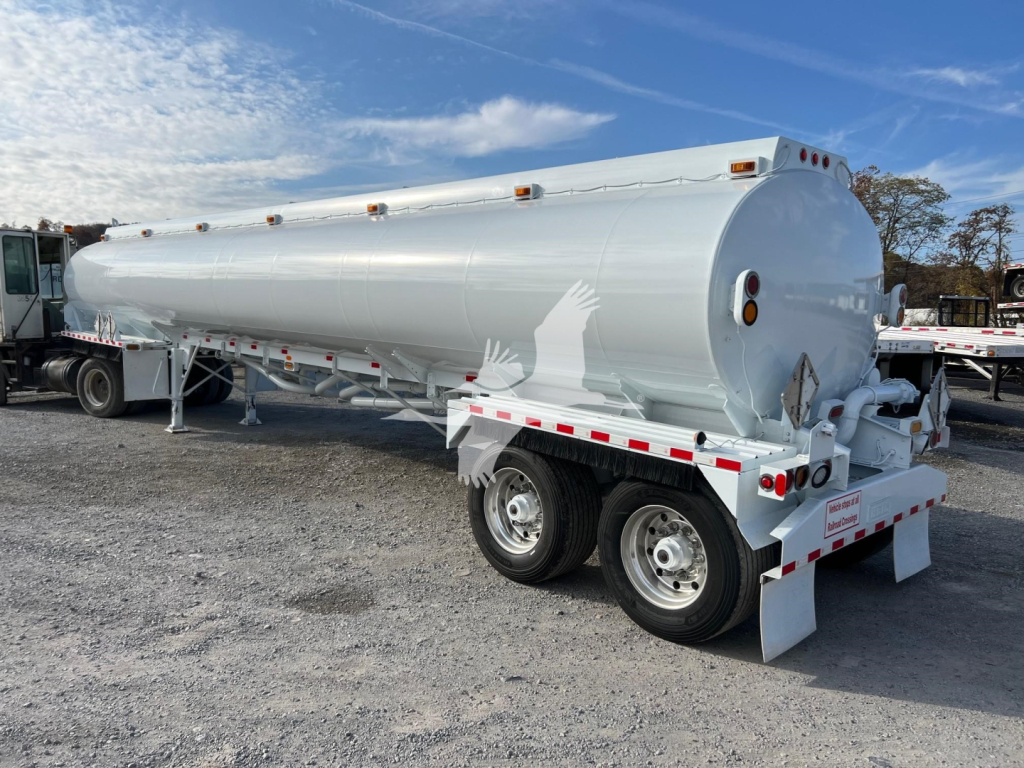
A major buying decision is the tank configuration. Many Heil fuel trailers use 4- or 5-compartment layouts such as 3200/2300/1100/2600 or 2500/2100/1000/1500/2100, and that layout has a direct effect on route flexibility and unload speed. Buyers should look closely at bulkhead arrangement, trough bottom or sump design, internal vapor recovery, and overfill systems such as Civacon ROM II or ROM III. Openable adaptors, bubble sight glasses, commodity indicators, EVO cabinets, hose tube placement, and fittings cabinet size all affect day-to-day usability at the rack and on delivery stops. If the trailer will spend most of its time on convenience store and retail station work, details like rear versus front ladder placement, hose tray length, spot lights, and discharge area access can make a real difference to driver efficiency and safety.
Running gear and weight are just as important as the tank barrel. Common specs in this class include Hendrickson Intraax air-ride suspensions, 49-inch tandem settings, aluminum suspension frames, aluminum wheels, and either 11R22.5 or low-profile 22.5/24.5 tire packages. Some newer Heil petroleum trailers are equipped with disc brakes, WABCO 4S/2M ABS with roll stability, and galvanized suspension hangers for corrosion resistance, which is especially relevant in Pennsylvania and other Northeast markets where winter road treatment is hard on undercarriage components. Buyers comparing used trailers should pay attention to brake percentage, tire condition, landing gear condition, fifth wheel wear, and the age and status of required inspections such as V and K, I and P, and tank certifications.
For regional fuel hauling, Heil trailers are often chosen because they balance capacity, serviceability, and familiar petroleum-spec hardware. The best fit depends on terminal compatibility, delivery profile, and maintenance preferences. A buyer running shorter multi-stop retail routes may prioritize compartment count and hose storage, while a fleet focused on heavier-volume wholesale drops may care more about discharge layout, axle spec, tare weight, and stability systems. On used units, barrel condition, prior product history, and test documentation should carry as much weight as cosmetic appearance. On newer specs, pay close attention to vapor recovery configuration, overfill electronics, kingpin setting, and brake package because those details affect both compliance and long-term operating cost.
Frequently Asked Questions about Heil Gasoline - Fuel Trailers in Pennsylvania
What is the typical capacity of a Heil gasoline-fuel trailer?
Many Heil gasoline-fuel trailers in petroleum service are spec'd around 9,000 to 9,200 gallons, often as MC-406 aluminum tank trailers with multiple compartments. That size is popular because it gives good payload flexibility for retail fuel delivery without making the trailer too specialized for common terminal and station work. Exact legal payload will still depend on axle spacing, tare weight, product density, and state bridge rules.
What should I check first on a used Heil fuel trailer?
Start with test and inspection status, barrel condition, and the actual petroleum equipment spec. A used fuel trailer should be reviewed for current cargo tank test dates, emergency valve operation, overfill protection components, vapor recovery layout, discharge equipment, tire and brake condition, suspension wear, and signs of corrosion or repair around the barrel, subframe, and cabinets. Product history also matters because a trailer that hauled gasoline only may be different operationally from one used for mixed fuel service.
Why do compartment sizes matter on a gasoline trailer?
Compartment sizes determine how efficiently the trailer can handle multi-product and multi-stop deliveries. A five-compartment trailer with smaller split tanks can be a strong fit for convenience store routes and branded fuel programs where different grades must be dropped in controlled quantities. Larger compartment layouts may work better for wholesale or simpler route structures with fewer products and higher-volume drops. The right layout reduces leftover product, short drops, and unnecessary terminal returns.
What safety and compliance features are common on Heil petroleum trailers?
Common features include MC-406 construction, air-operated emergency valves, overfill protection systems such as Civacon ROM II or ROM III, internal vapor recovery, ABS, and in some cases roll stability control. Many also include EVO cabinets, commodity indicators, placard holders, sight glasses, and organized hose storage to support safe loading and unloading. Compliance requirements can vary by operation and jurisdiction, so buyers should confirm that the trailer's equipment matches current terminal, state, and fleet standards.
Are Heil fuel trailers a good fit for Pennsylvania and Northeast operation?
They can be a strong fit, especially when spec'd with corrosion-conscious components such as galvanized hangers, aluminum wheels, aluminum suspension frames, and modern brake packages. In Pennsylvania and surrounding states, buyers should pay extra attention to winter-related wear on suspension parts, brake components, wiring, and lighting systems. Inspection status and undercarriage condition are especially important in this region because seasonal road chemicals can accelerate deterioration even when the barrel itself remains in good condition.