
Gasoline - Fuel Trailers For Sale in Ohio
Browse gasoline fuel trailers for sale in Ohio, including DOT 406 petroleum tank trailers with multi-compartment tanks and bottom-load systems.
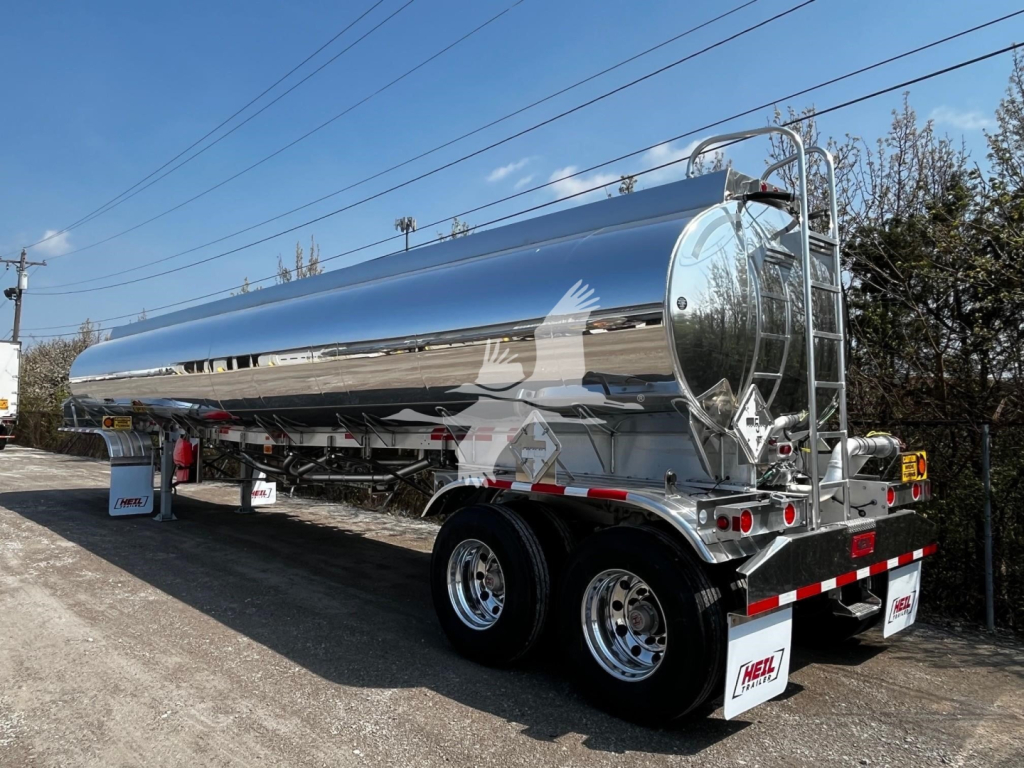
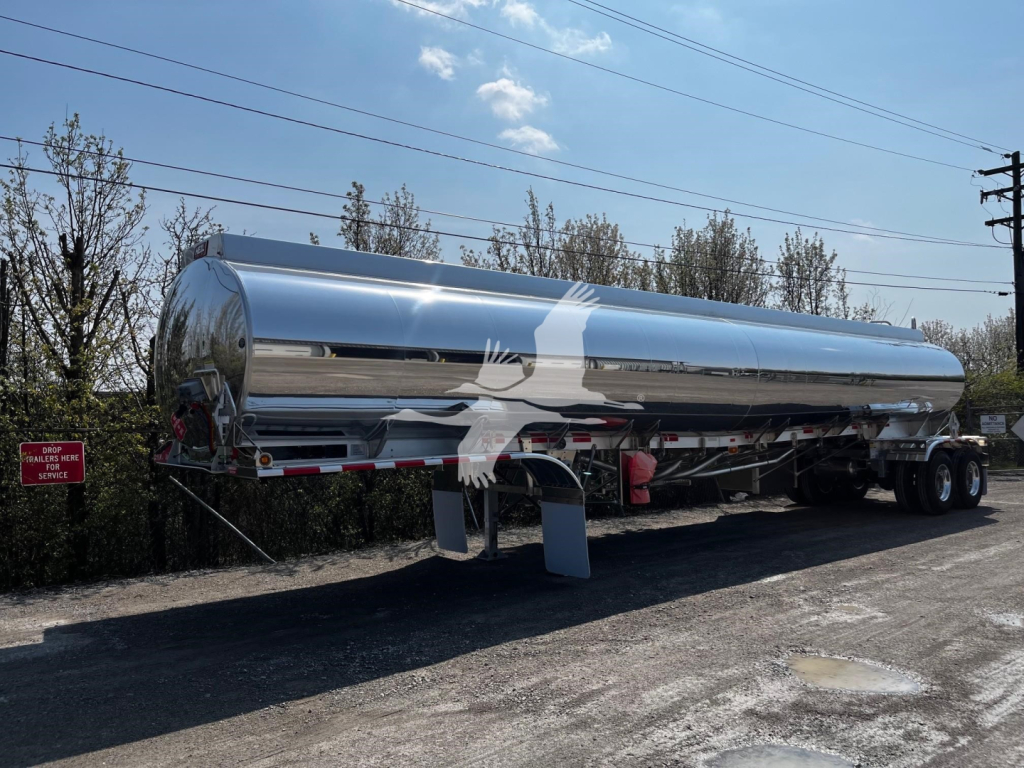
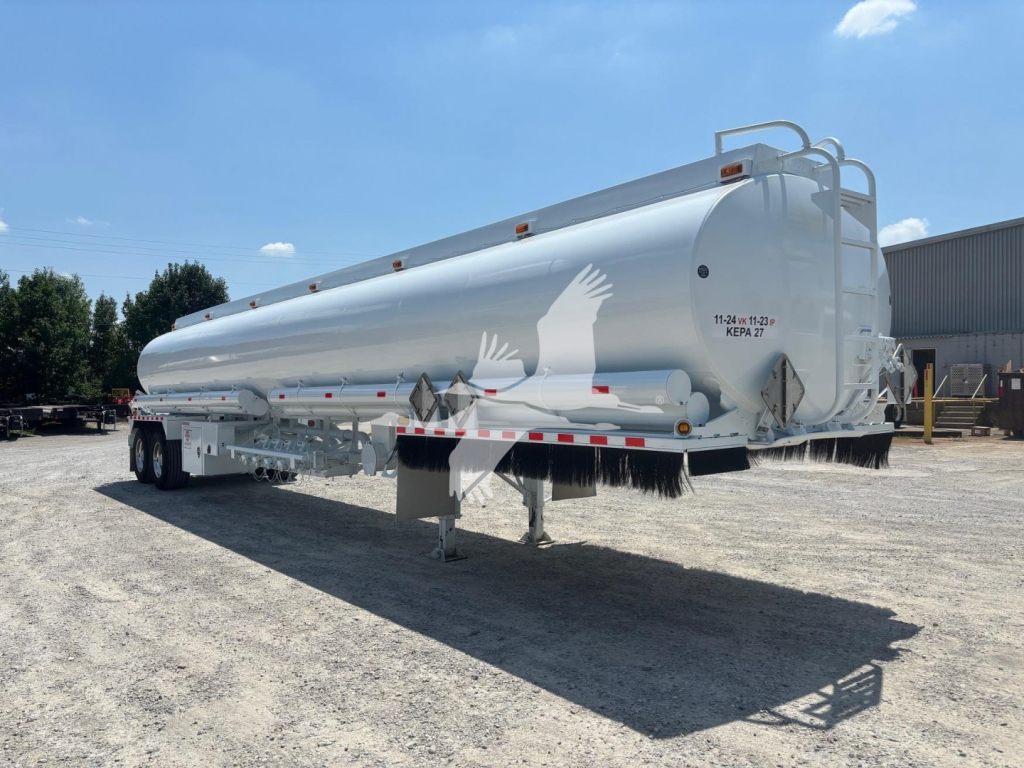
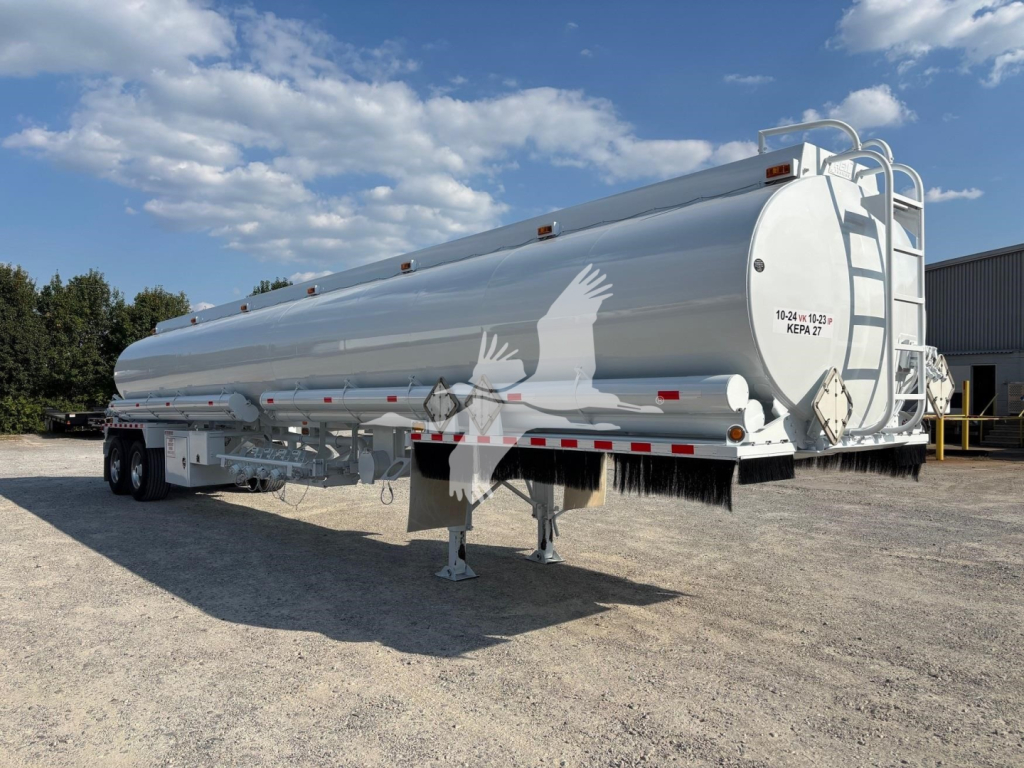
Looking for the easiest place to sell your gasoline - fuel trailer? List it here to reach thousands of buyers.
Gasoline - Fuel Trailers in Ohio
The spec decisions that matter most start with tank code, compartment sizing, and loading system. A typical gasoline trailer in this class uses an elliptical aluminum barrel, internal piping, air-operated emergency valves, overfill protection, and bottom-load adaptors. Buyers should pay close attention to compartment capacities, bulkhead configuration, trough or sump design, and vapor recovery plumbing because those details affect product segregation, unload efficiency, and compliance at modern terminals. Equipment such as Civacon overfill systems, internal vapor lines, discharge cabinets, hose tubes, and clearly marked commodity indicators is standard on many late-model petroleum trailers and should be evaluated for condition and compatibility with your loading racks.
Running gear and chassis spec are just as important as the tank itself. Tandem axle setups with air ride suspension are common, often paired with aluminum wheels, wide-base 445/50R22.5 tires, disc brakes, ABS, and roll stability systems. Kingpin setting, tandem location, and overall length all influence bridge law compliance, turning radius, and how the trailer balances when compartments are loaded unevenly. In Ohio, many buyers are focused on regional fuel delivery, c-store work, and terminal-to-station routes, so suspension condition, brake life, tire percentage, and current inspection status can carry as much weight as model year.
A good gasoline tank trailer should be evaluated as a compliance asset first and a hauling asset second. Check current V and K testing, inspection dates, vapor recovery components, emergency shutoff operation, landing gear condition, cabinet integrity, and any signs of internal contamination or barrel repairs. Also confirm the trailer matches your terminal requirements for probes, grounding, and rack interface. For fleets hauling branded fuel or servicing multiple retail locations, a clean DOT 406 trailer with the right compartment package, dependable valves, and documented test history can be a very efficient piece of equipment for daily petroleum distribution.
Frequently Asked Questions about Gasoline - Fuel Trailers in Ohio
What is a DOT 406 gasoline fuel trailer?
A DOT 406 gasoline fuel trailer is a cargo tank trailer built to transport flammable refined petroleum products such as gasoline and diesel. These trailers are commonly aluminum, use bottom-loading systems, and include safety equipment such as vapor recovery, overfill protection, emergency valves, and compartmented tanks for handling multiple products or grades on the same run.
What size gasoline fuel trailer is most common?
A common size in this category is about 9,200 gallons with four compartments, although exact capacity and compartment splits vary by application. This setup is popular because it gives fuel haulers flexibility to carry multiple products while still managing axle weights, route delivery needs, and terminal loading requirements.
Why do compartment sizes matter on a fuel trailer?
Compartment sizes determine how much of each product can be loaded and delivered on a route. A four-compartment gasoline trailer can be configured to haul different grades of gasoline, ethanol blends, or diesel in separate sections, which helps a carrier serve multiple tanks at retail locations without cross-contamination or unnecessary return trips.
What features should buyers inspect on a used gasoline trailer?
The most important areas are the current test and inspection status, barrel condition, valve operation, overfill system, vapor recovery components, brake condition, tire condition, suspension, and cabinet hardware. Buyers should also verify the tank code, emergency valve controls, internal piping condition, and compatibility with terminal rack equipment, especially probe systems and bottom-load hardware.
Are gasoline fuel trailers different from general liquid tank trailers?
Yes. Gasoline fuel trailers are engineered specifically for flammable petroleum service and must meet stricter hazardous-material requirements than many general-purpose liquid tank trailers. They typically include compartmented tanks, bottom loading, vapor recovery, emergency shutoffs, spill-control provisions, and petroleum-specific fittings that are not found on every liquid tank trailer.