
Gasoline - Fuel Trailers For Sale in Pennsylvania
Shop gasoline fuel trailers in Pennsylvania, including MC-406 petroleum tank trailers with multi-compartment designs and bottom loading systems.
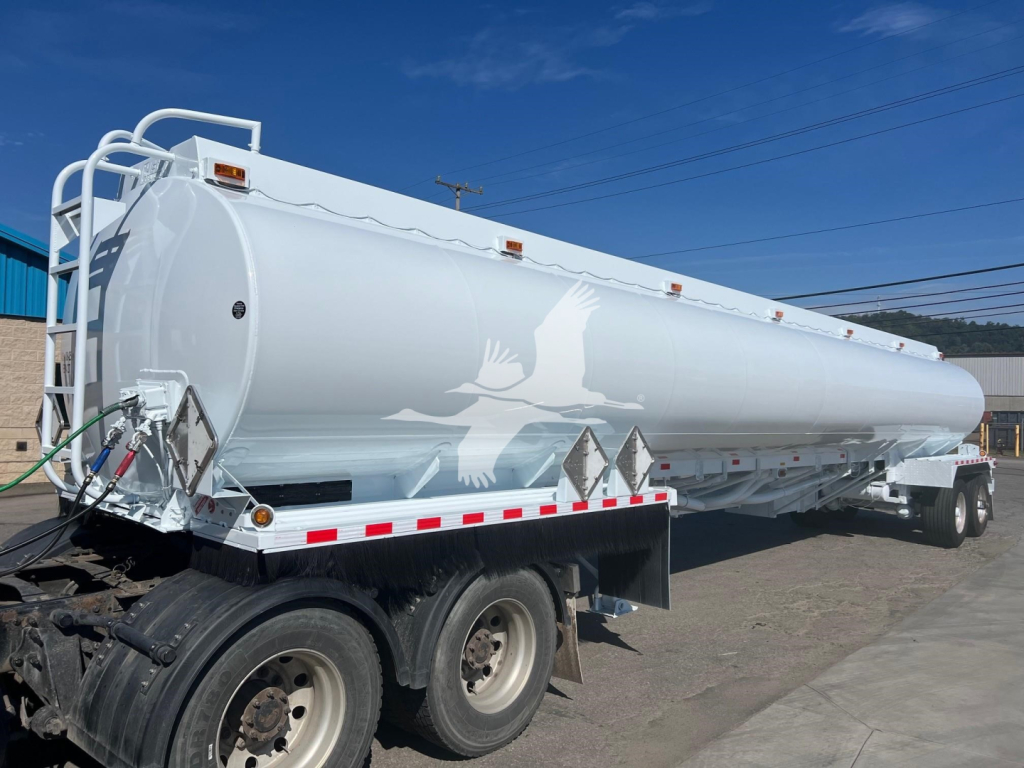
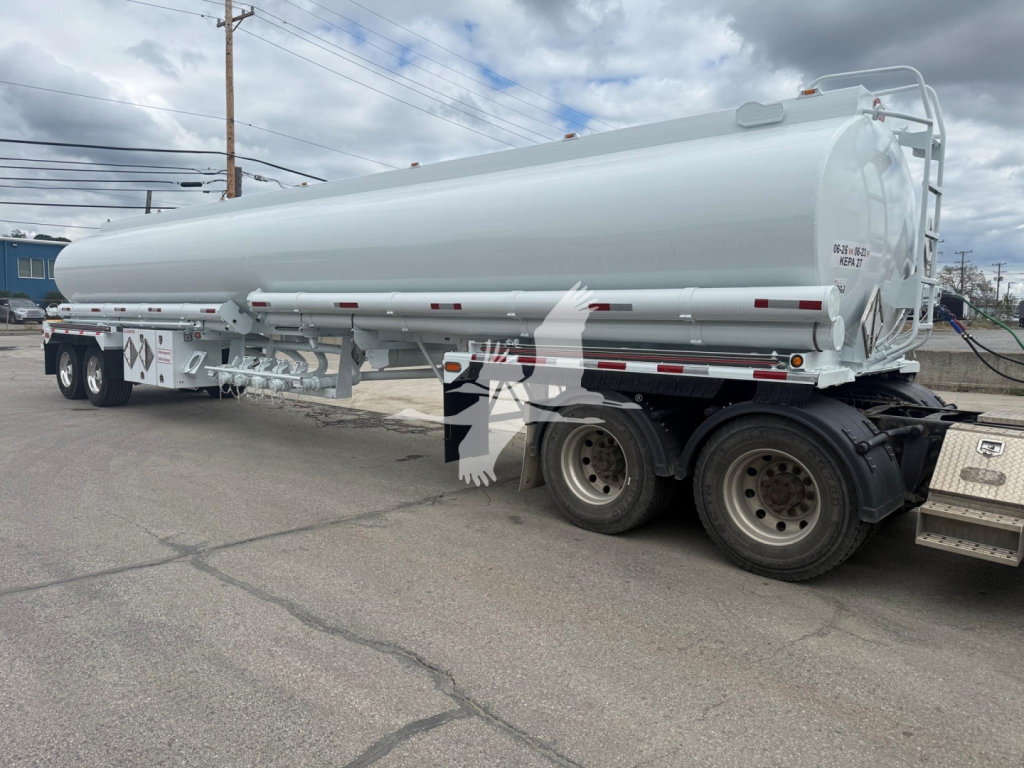
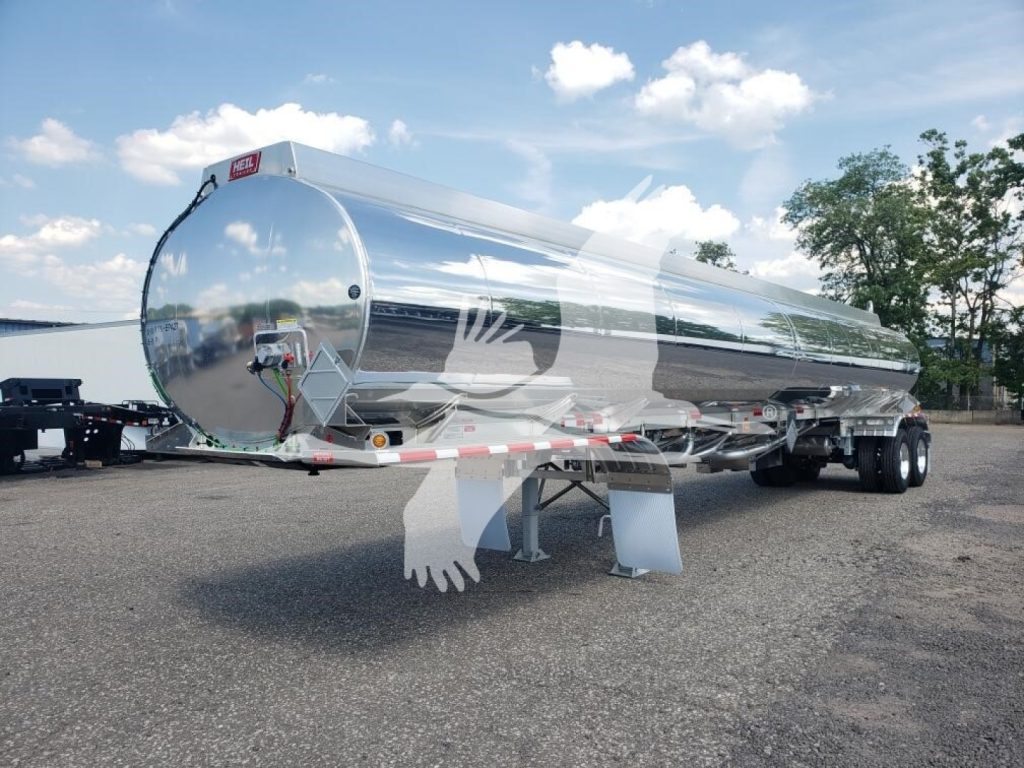
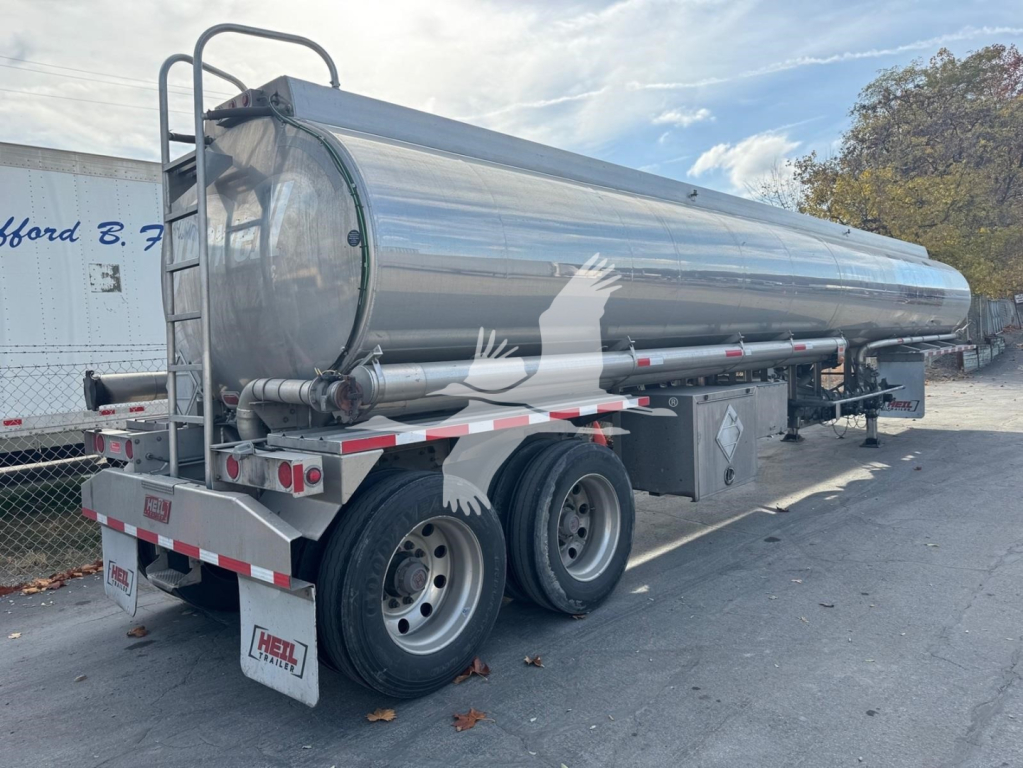
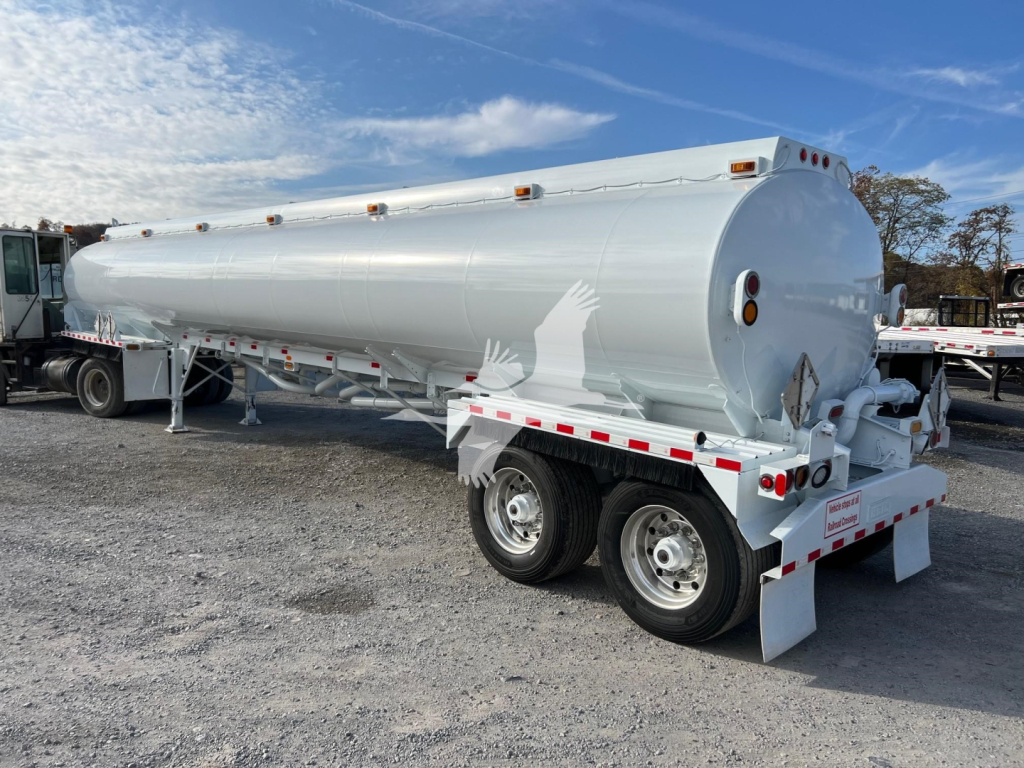
Selling a gasoline - fuel trailer? List your gasoline - fuel trailer for sale and reach thousands of commercial buyers.
Gasoline - Fuel Trailers in Pennsylvania
A common spec in this category is around 9,200 gallons with 4- or 5-compartment layouts. That size works well for fuel distribution because it balances legal payload, route flexibility, and the ability to carry multiple products or grades on one load. Compartment sizing matters more than many buyers expect. A 4-compartment trailer may suit higher-volume drops with simpler product splits, while a 5-compartment trailer gives dispatch more flexibility for regular, premium, diesel, and additive-blended deliveries. Buyers should also compare single versus combination bulkheads, trough bottom or sump design, and internal drain layout because these features affect product evacuation, cross-contamination control, and unloading efficiency.
The delivery package is just as important as the shell. Many gasoline trailers are equipped with aluminum piping, openable adaptors, internal vapor recovery, overfill systems such as Civacon ROM II or ROM III, and EVO cabinets that centralize emergency valve controls. Look closely at the number of vapor outlets, discharge valve configuration, sight glasses, commodity indicators, hose tube capacity, and cabinet space. For fleet operators making frequent station drops, practical details such as ladder placement, spill kit storage, lighting at the discharge area, placard style, and cabinet access can make a noticeable difference in day-to-day safety and driver productivity. Suspension specs also deserve attention, especially Hendrickson air ride setups, disc brakes, ABS with roll stability, kingpin setting, and tire size, because these affect maintenance cost, maneuverability, and compatibility with your tractors and service network.
On used gasoline tank trailers, inspection status and barrel condition should carry real weight in the buying decision. In Pennsylvania, current V&K and I&P testing, overfill equipment condition, emergency valve operation, brake life, tire condition, and any signs of barrel or piping repairs are key checkpoints. Aluminum construction helps keep tare weight down and resists corrosion, but buyers still need to inspect the tank, subframe, hangers, cabinets, and trough areas carefully. The best trailer for the job is usually the one with the right compartment recipe, current test status, sound loading and vapor systems, and a spec that matches your delivery lanes rather than simply the newest model year.
Frequently Asked Questions about Gasoline - Fuel Trailers in Pennsylvania
What is an MC-406 gasoline fuel trailer?
An MC-406 gasoline fuel trailer is a DOT-spec petroleum tank trailer designed to haul flammable refined fuels such as gasoline and diesel. These trailers are typically aluminum, multi-compartment, and equipped with bottom loading, vapor recovery, emergency shutoff systems, and overfill protection. In day-to-day fleet use, MC-406 is the standard spec buyers look for when they need a highway trailer for retail fuel delivery and other petroleum distribution work.
How many compartments should a gasoline trailer have?
The right compartment count depends on your delivery pattern. A 4-compartment fuel trailer is common for straightforward gasoline and diesel routes with larger drops, while a 5-compartment trailer gives more flexibility for multiple grades, ethanol blends, or smaller split loads. Buyers should match compartment sizes to their actual customer mix because a trailer with the wrong compartment recipe can limit dispatch efficiency even if total gallon capacity looks right on paper.
What features matter most on a used gasoline tank trailer?
On a used unit, test status and operating systems matter more than cosmetic appearance. Buyers should verify current V&K and inspection documentation, check the condition of the barrel, piping, emergency valves, vapor recovery, and overfill system, and inspect brake wear, tire condition, suspension components, and cabinet integrity. It is also important to look for signs of previous repairs around troughs, sumps, hangers, and discharge equipment because those areas see heavy service in petroleum delivery applications.
Why is vapor recovery important on a gasoline trailer?
Vapor recovery is a core safety and compliance feature on gasoline fuel trailers. It manages fuel vapors during loading and unloading, helping reduce emissions and supporting compatibility with terminal and customer-site requirements. Buyers should pay attention to whether the trailer uses internal vapor recovery and how many outlets it has, because that can affect operational flexibility and acceptance at different loading racks and delivery locations.
What gallon capacity is most common for gasoline fuel trailers in Pennsylvania?
Around 9,200 gallons is a very common capacity for tandem axle gasoline fuel trailers in this market. That size is popular because it offers a strong balance of payload, maneuverability, and compartment flexibility for petroleum distribution work. It fits well with regional delivery routes where operators need enough total volume for efficiency but still need multiple compartments for different fuel grades and customer drop sizes.