
2025 Harbinger Step Van Trucks For Sale in Colorado
Shop 2025 Harbinger step van trucks, including all-electric delivery chassis with walk-in bodies built for urban and last-mile routes.
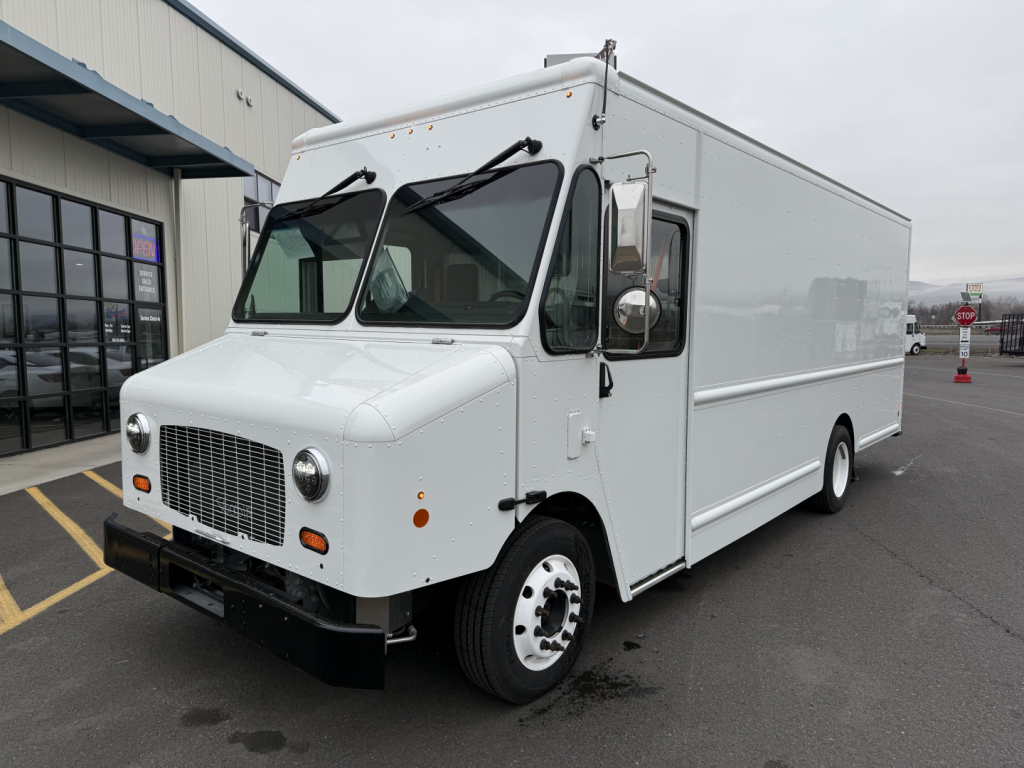
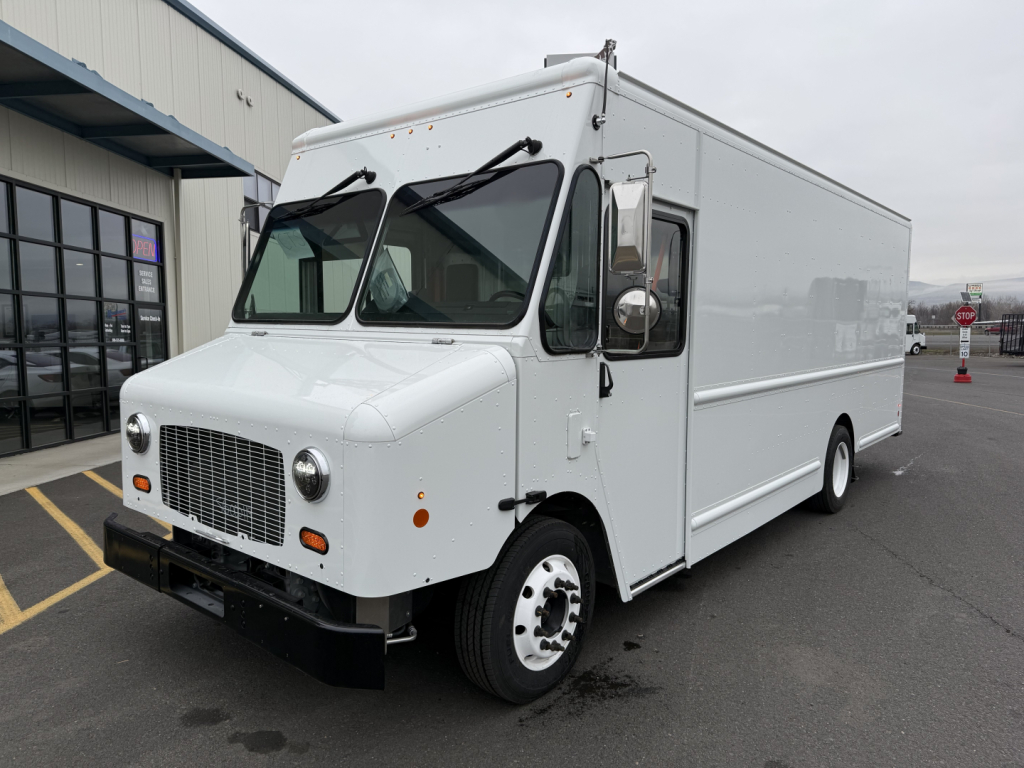
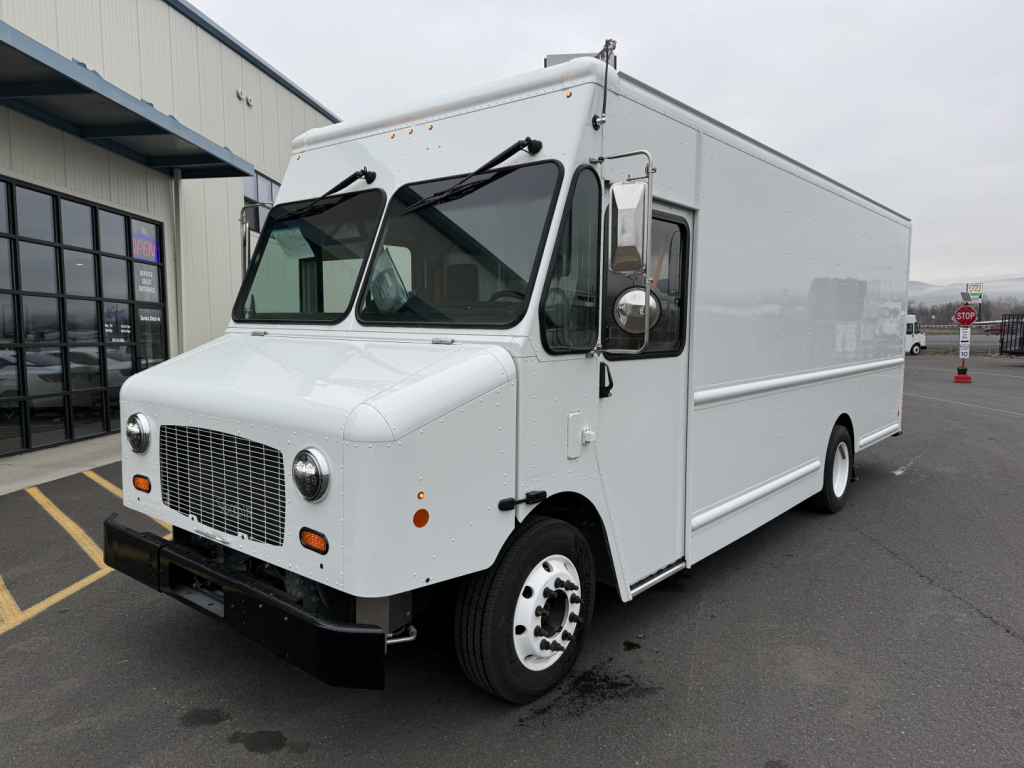
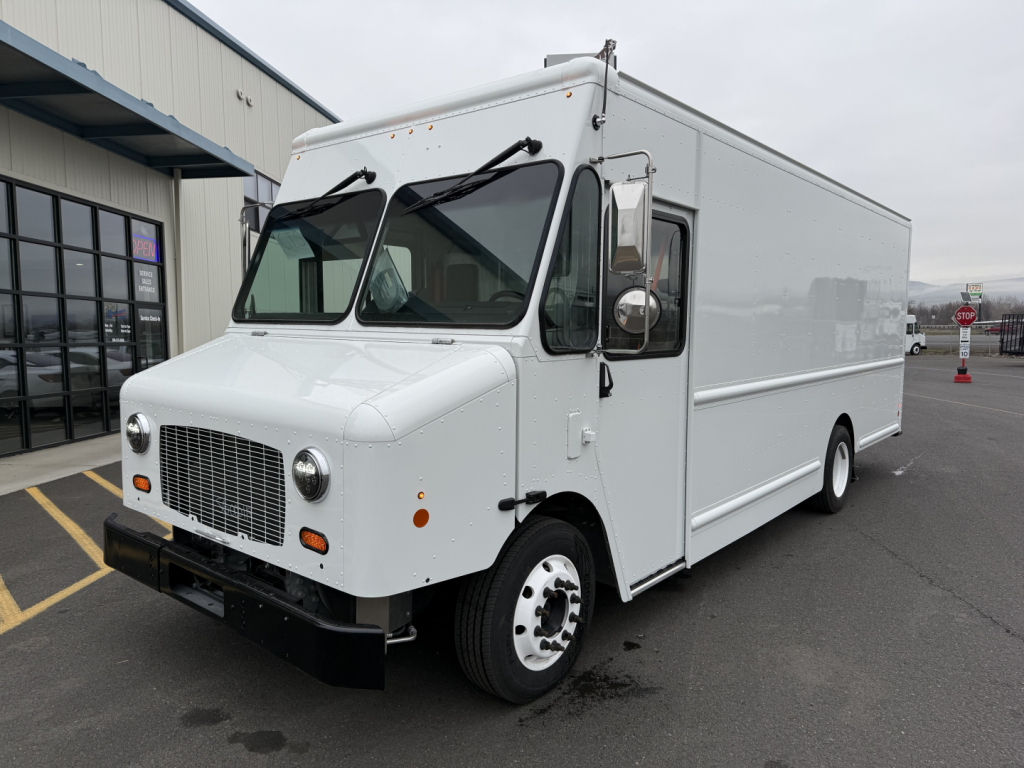
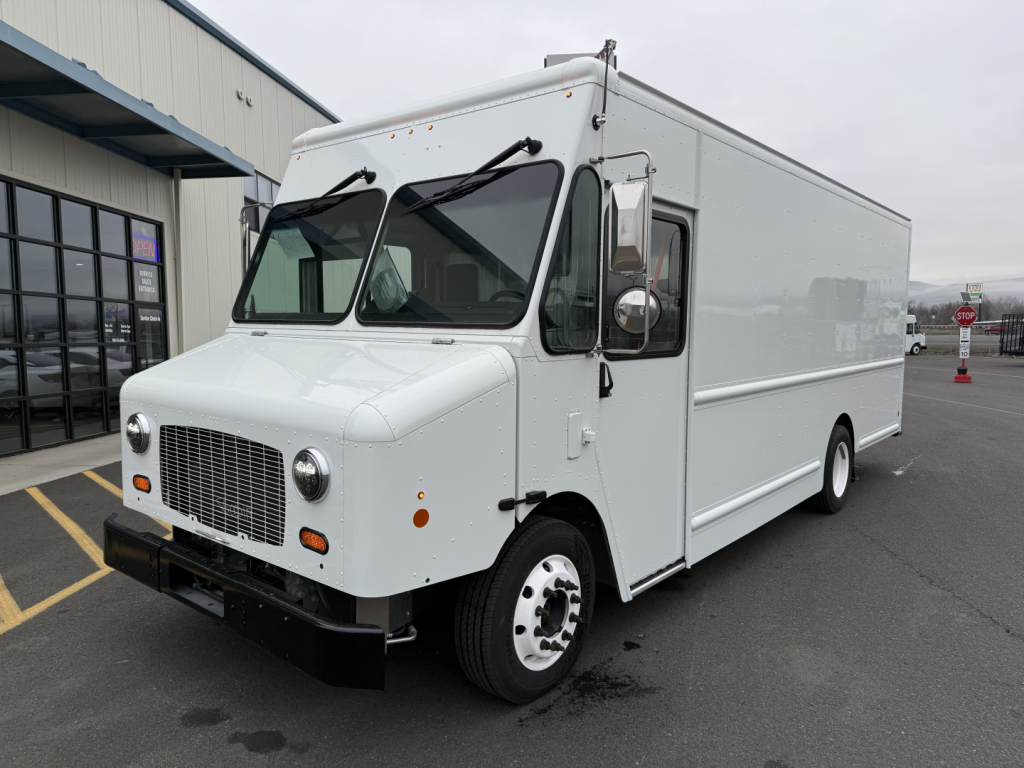
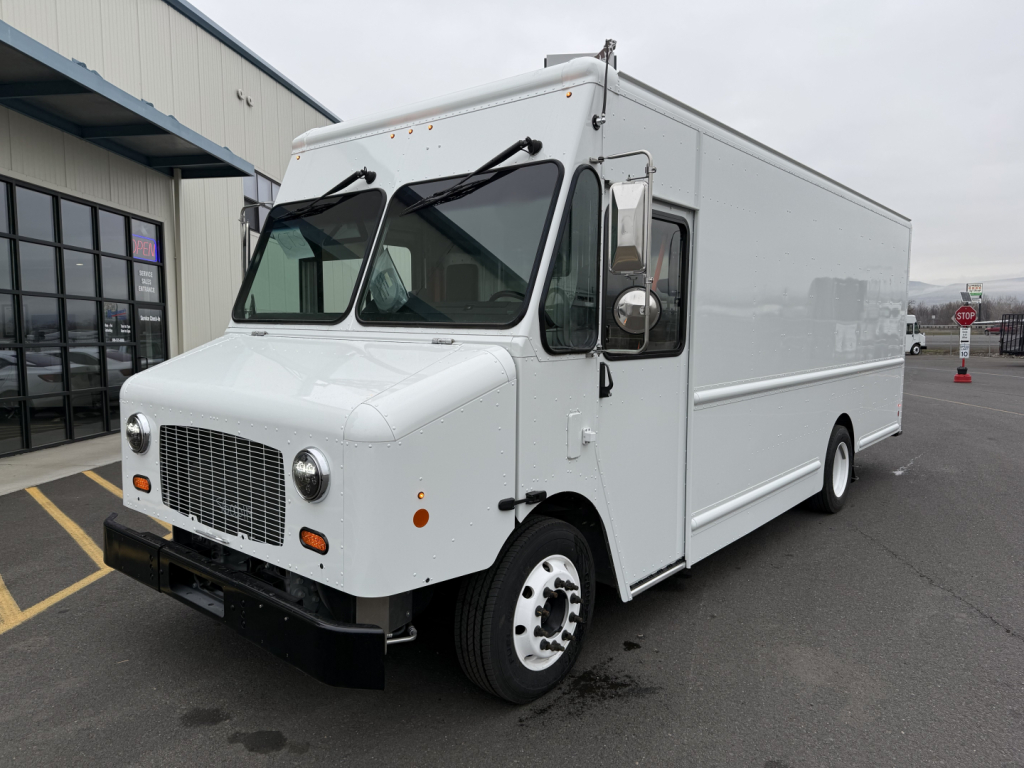
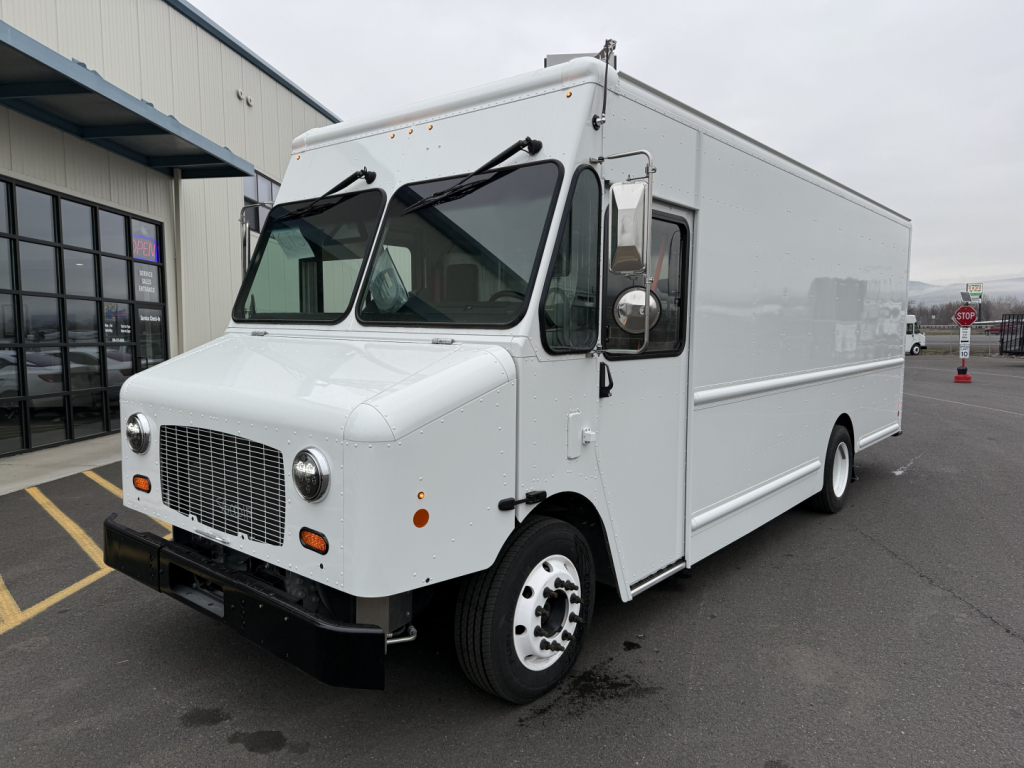
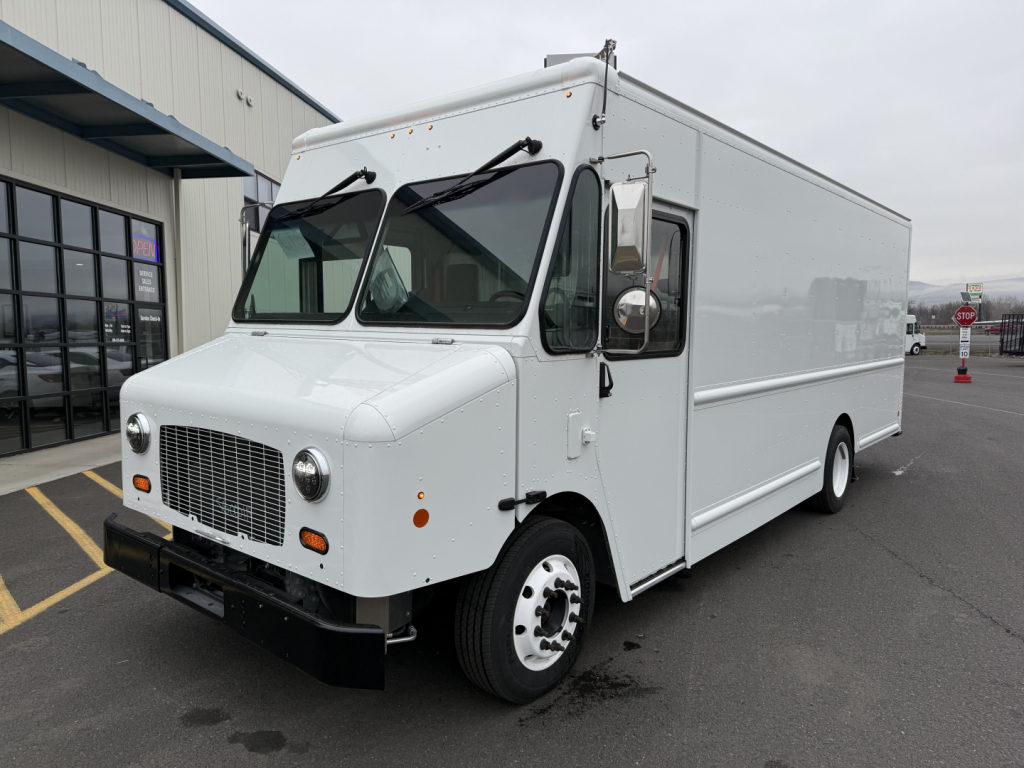
Selling a 2025 harbinger step van truck? List your 2025 harbinger step van truck for sale and reach thousands of commercial buyers.
2025 Harbinger Step Van Trucks in Colorado
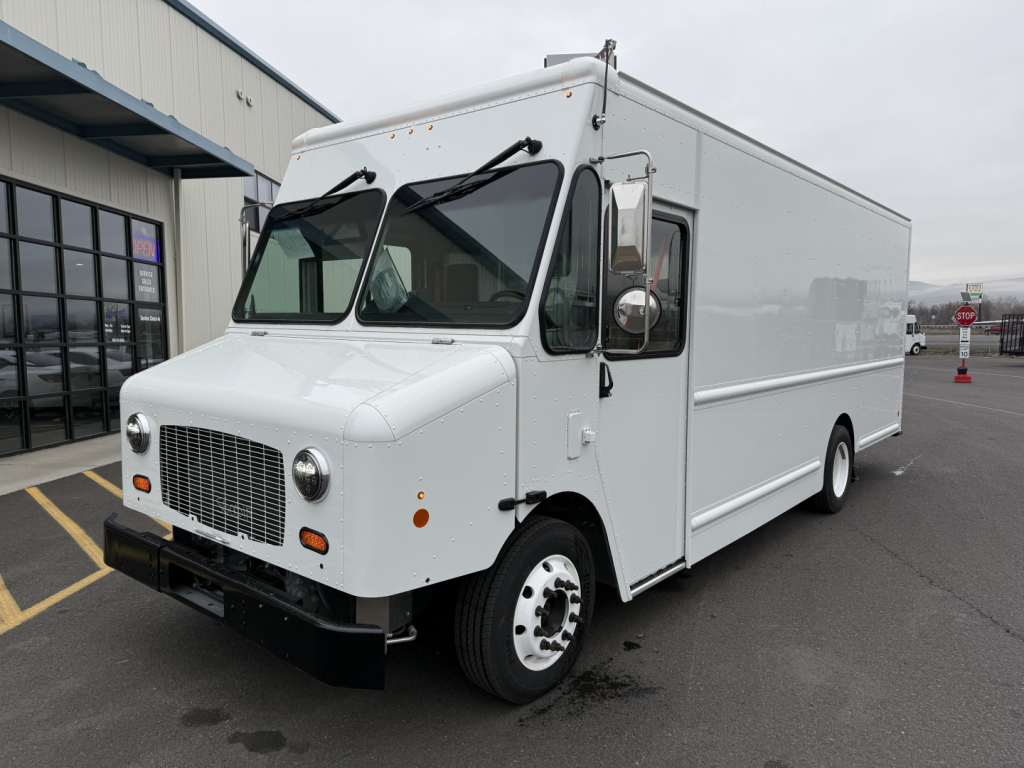
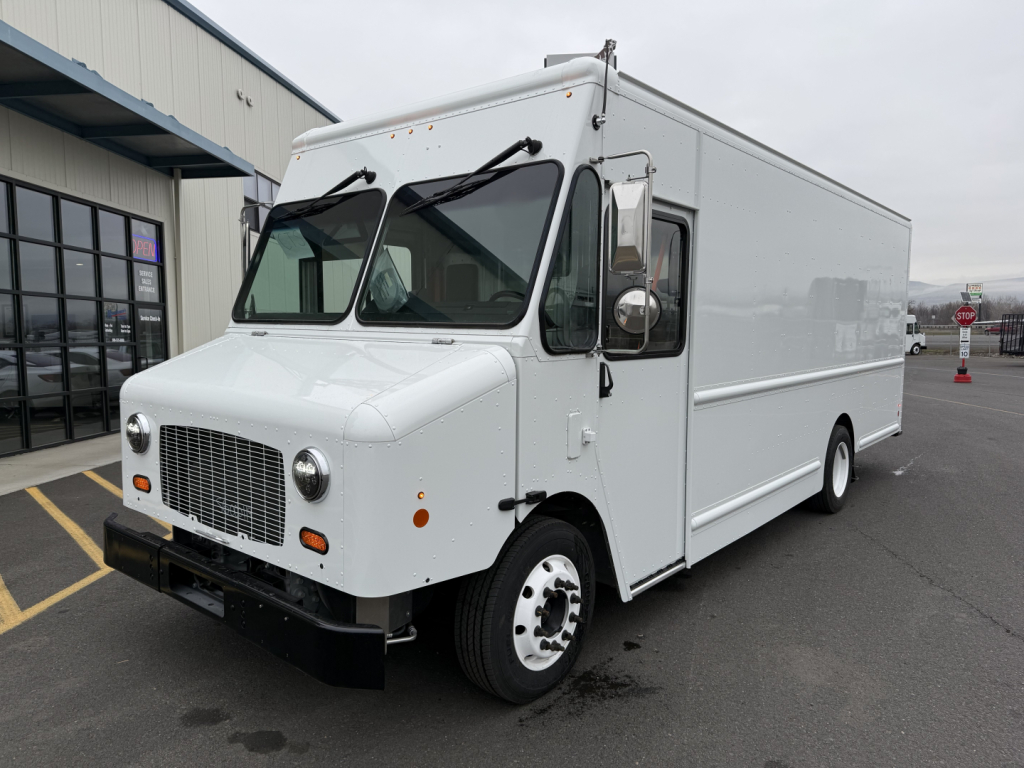
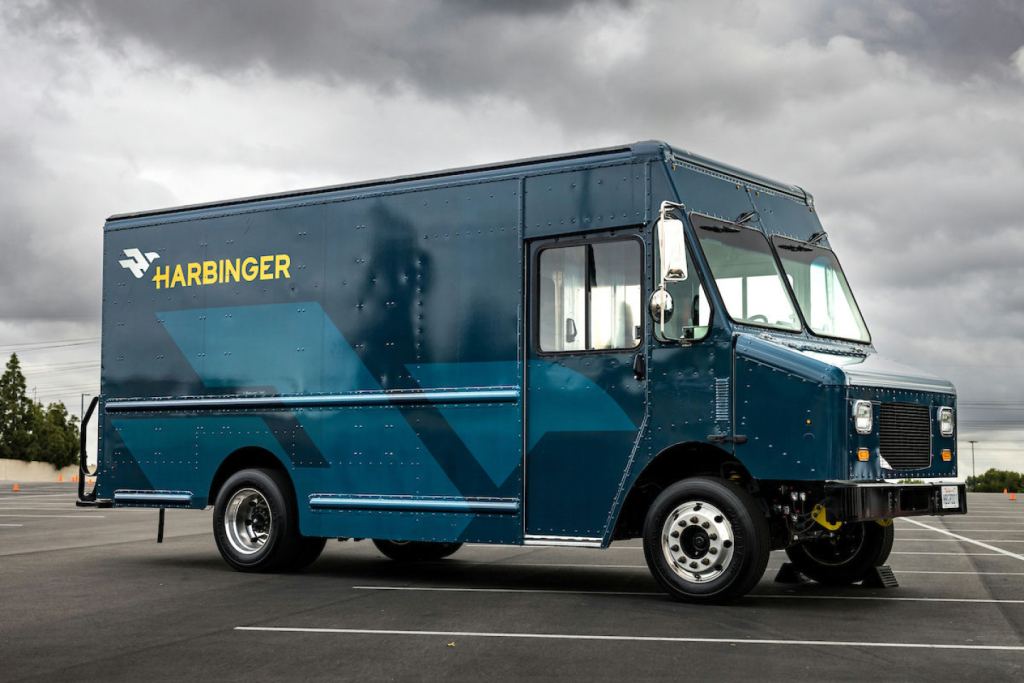
Buyers comparing Harbinger step vans should pay close attention to body length, payload target, wheelbase, and route profile before focusing on price alone. Sample configurations in this category include models such as the S534 and S655, with examples showing 20-foot Morgan Olson step van bodies. That body style is a proven fit for package delivery and route sales because it gives the driver a full walk-through cargo area, shelving potential, and straightforward loading from dock or curbside. On an electric step van, battery range, charging compatibility, and expected daily miles are core spec decisions. The right setup depends on cargo weight, HVAC demand, terrain, and how much idle time your current route typically burns.
A Harbinger electric step van can make sense for fleets trying to reduce fuel spend and maintenance compared with a conventional gasoline or diesel walk-in van. The stop-and-go duty cycle is where electric trucks often perform best, with regenerative braking helping in urban service. Buyers should still evaluate practical details such as GVWR, interior cargo dimensions, door configuration, upfitter support, charging infrastructure, and service access in their operating region. For Colorado operations, altitude, cold-weather performance, and mountain-route energy use deserve extra attention, especially if the truck will run beyond Front Range city delivery and into mixed terrain.
The best category match is usually a buyer who knows the route first and the truck second. If the unit will spend its life on dense delivery loops with predictable return-to-base charging, a 2025 Harbinger step van is a strong fit. If the application involves long rural mileage, heavy cube and payload demands, or irregular charging windows, the buyer should verify real-world range and body weight carefully. A well-spec'd step van in this class can be a productive fleet tool, but the value comes from matching battery capacity, body design, and daily duty cycle to the job.
Frequently Asked Questions about 2025 Harbinger Step Van Trucks in Colorado
What is a Harbinger step van typically used for?
A Harbinger step van is typically used for last-mile delivery, parcel distribution, route service, food and bakery delivery, linen routes, and other applications that require frequent stops and easy driver access to the cargo area. The walk-in body layout speeds up loading and unloading, and the electric platform is especially well suited to urban and suburban routes with predictable daily mileage.
What should buyers compare first on a 2025 Harbinger step van?
The first items to compare are route length, payload, body size, and charging plan. Those factors determine whether a given configuration will perform well in daily service. After that, buyers should look at GVWR, wheelbase, body manufacturer, cargo access, battery range expectations, and how the truck will be charged between shifts or overnight.
Are electric step vans a good fit for Colorado delivery fleets?
Electric step vans can be a very good fit for Colorado fleets operating in metro delivery environments such as Denver and the Front Range, where routes are shorter and charging can be planned around a depot. Buyers should account for colder temperatures, cabin heat demand, elevation changes, and mountain driving, all of which can affect real-world range. Route modeling is important before purchase.
Why does body manufacturer matter on a step van?
The body manufacturer matters because cargo access, interior layout, long-term durability, and repair support are tied to the body as much as the chassis. A well-known walk-in body builder such as Morgan Olson is familiar to many fleet buyers and service providers. Buyers should confirm interior dimensions, door setup, shelving compatibility, and parts support for the body they are considering.
How is a step van different from a cargo van or box truck?
A step van is designed around walk-in access and repeated stops, with a driver-focused layout that makes entering the cargo area quick and efficient. A cargo van is usually smaller and may limit interior movement, while a box truck is more common for larger payloads or dock-based freight. Step vans are generally the better choice for high-stop route work where delivery speed and driver ergonomics matter.