
2014 International Cab and Chassis Trucks For Sale
Shop 2014 International cab and chassis trucks. Compare 4300 specs, GVWR, cab-to-axle lengths, engines, transmissions, and body upfit options.
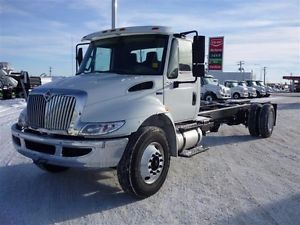
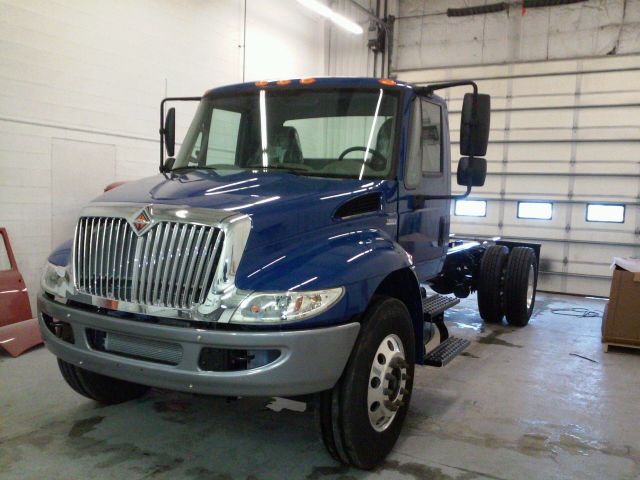
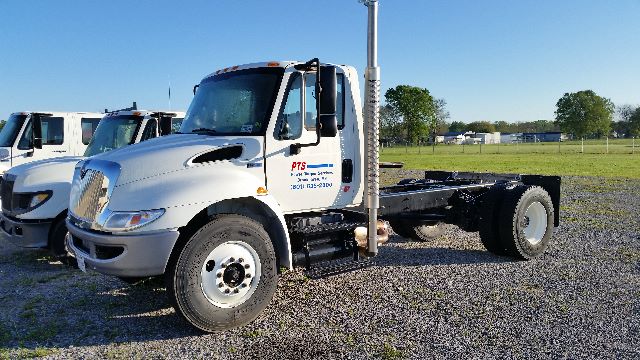
Selling a 2014 international cab and chassis truck? List your 2014 international cab and chassis truck for sale and reach thousands of commercial buyers.
2014 International Cab and Chassis Trucks
On 2014 models, common specs often include GVWRs in the Class 6 to Class 7 range, manual or automatic transmissions, air or hydraulic brake setups, and single-axle 4x2 configurations. Many examples are equipped with International diesel engines such as the MaxxForce DT or MaxxForce 7, with horsepower ratings commonly around the mid-200s. Buyers should pay close attention to emissions-system history on this model year, especially if the truck still has original aftertreatment components or limited service documentation. If the truck is intended for local delivery, municipal work, or short-route vocational service, a lower-mile chassis with the correct CA and rear axle ratio may matter more than peak horsepower.
Body planning matters more on a cab and chassis than on a straight truck that is already built. A 138-inch CA, for example, may suit certain van bodies or utility installations, while longer dimensions open the door for larger dry freight or specialized vocational equipment. Check frame condition behind the cab and over the rear suspension for signs of previous upfit work, added holes, corrosion, or frame modifications. Locking differentials, PTO provisions, air brakes, suspension type, and fuel tank placement can all affect what body can be installed and how expensive the build will be. If you are replacing an existing work truck, matching axle spread, frame height, and cab-to-axle can save significant upfit time.
A well-matched 2014 International cab and chassis can still be a practical fleet truck if the specifications line up with the intended body and duty cycle. Buyers comparing listings should focus on wheelbase, CA, GVWR, brake type, engine family, transmission model, and any evidence of prior vocational use. These trucks are best evaluated as a foundation for an upfit, not just as a cab with rails. The right chassis can lower installation cost, reduce downtime, and give you a truck that fits the route, payload, and body requirements from day one.
Frequently Asked Questions about 2014 International Cab and Chassis Trucks
What is the most common 2014 International cab and chassis model?
The 2014 International 4300 is the model most buyers will encounter in this category. It is a medium-duty cab and chassis used for a wide range of upfits, including box trucks, flatbeds, service bodies, and municipal bodies. Its popularity comes from broad parts availability, familiar serviceability, and a chassis layout that works across many Class 6 and Class 7 applications.
What specs matter most when buying a 2014 International cab and chassis?
The most important specs are cab-to-axle length, wheelbase, GVWR, rear axle rating, brake type, engine, and transmission. Those items determine what body can be mounted, how much payload the truck can legally carry, and whether the chassis fits your intended application. Buyers should also confirm PTO compatibility, frame condition, suspension type, and any locking differential if the truck will be used in vocational or off-pavement work.
Are 2014 International cab and chassis trucks good for upfitting?
Yes, if the chassis dimensions match the body you need to install. A cab and chassis is designed specifically to accept vocational or delivery bodies, but the fit has to be correct. Cab-to-axle length, frame rail condition, fuel tank placement, exhaust routing, and electrical provisions all affect the ease and cost of the upfit. A truck with the wrong dimensions can turn a straightforward body install into an expensive rework.
What should buyers know about the engines in 2014 International cab and chassis trucks?
Many 2014 International units in this category use MaxxForce-series diesel engines, commonly the MaxxForce DT or MaxxForce 7. Buyers should review maintenance records carefully and pay attention to emissions-related repairs, injector history, cooling-system service, and any documented engine updates. A strong service history is more important than advertised horsepower alone, especially on trucks that will be used for daily commercial duty.
Is air brake or hydraulic brake better on a 2014 International cab and chassis?
It depends on the application and GVWR. Air brakes are often preferred on heavier medium-duty trucks and in fleets that already service air-brake equipment, especially for vocational use or higher gross weights. Hydraulic brakes can be suitable for lighter medium-duty work and may be simpler for some local applications. The right choice depends on licensing requirements, payload, terrain, and the type of body being installed.