
International Grapple Trucks For Sale
Shop International grapple trucks for debris, waste, scrap, and storm cleanup. Compare Durastar and 7000-series chassis, boom reach, and body specs.
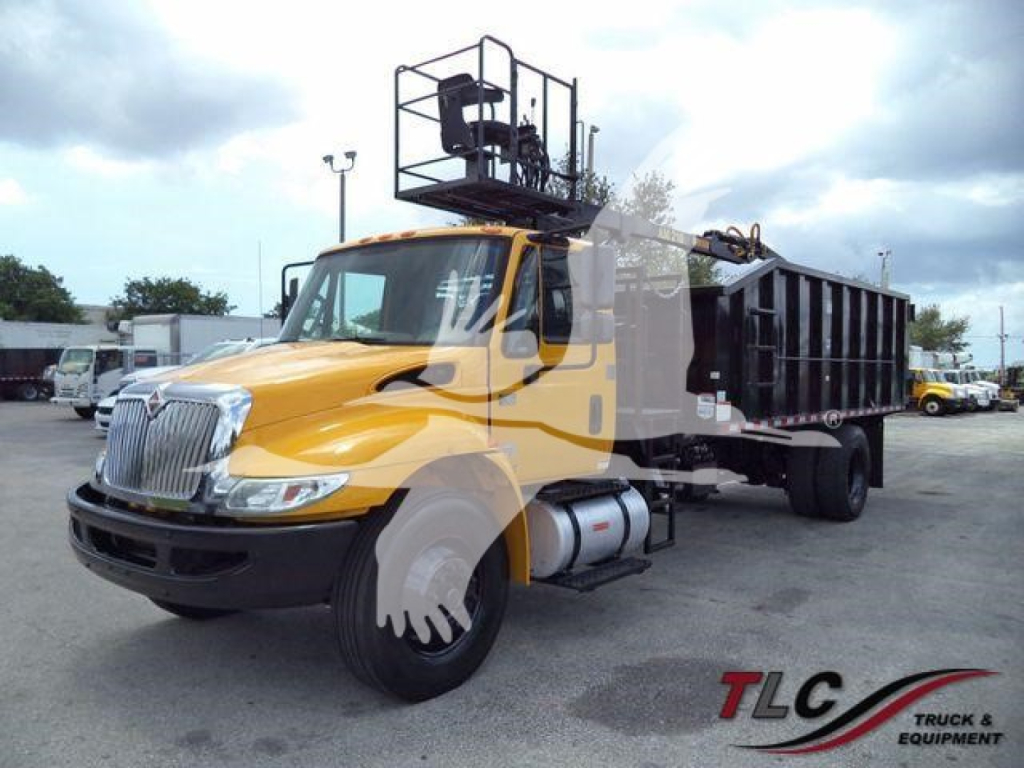
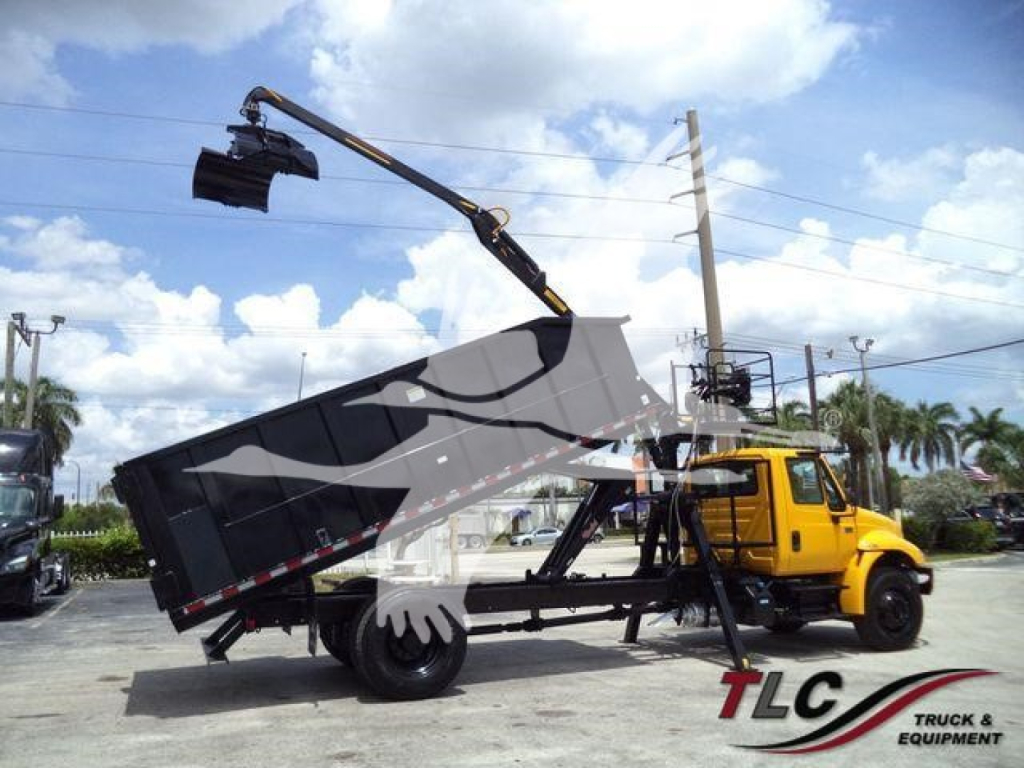
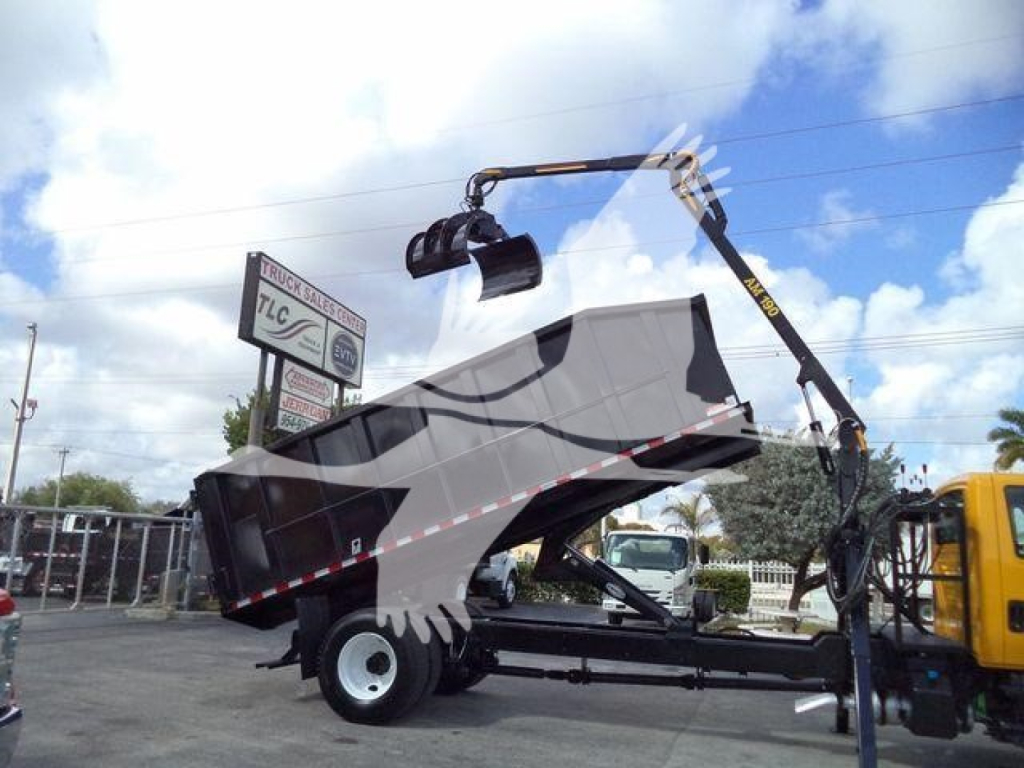
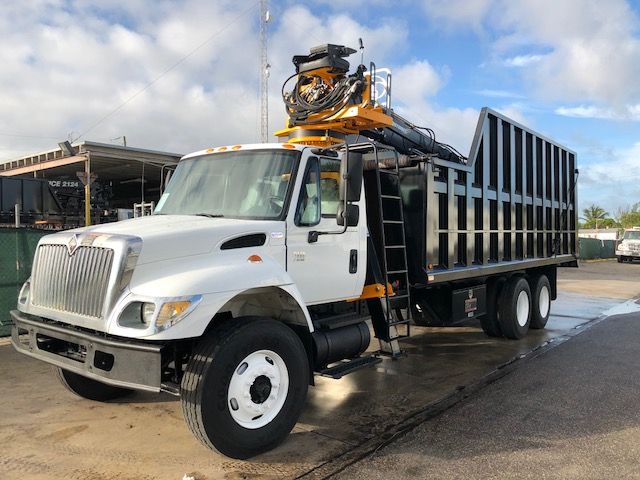
Selling a international grapple truck? List your international grapple truck for sale and reach thousands of commercial buyers.
International Grapple Trucks
A buyer should focus first on the relationship between chassis rating, body size, and loader capacity. Many International grapple trucks are equipped with dump bodies in the 18 to 21 foot range, often around 20 to 50 cubic yards depending on application and sidewall height. Loader specs matter more than headline body volume. Boom reach in this class is often around 20 to 21 feet, with lift capacity dropping as the boom extends. A truck may lift several thousand pounds at mid-reach but far less at full extension, so brush, bulky waste, C&D debris, and scrap handling all place different demands on the loader. Common upfit brands include Petersen, Rotobec, and other knuckleboom-style or lightning loader systems, with turret controls or manual control stations depending on configuration.
Powertrain choices on International grapple trucks vary by year and GVWR, but buyers will commonly run into DT466, HT570, and Cummins diesel engines paired with Allison automatics or manual transmissions such as an 8LL on heavier vocational setups. Allison automatics are especially common in stop-and-go refuse or municipal service because they reduce driver fatigue and simplify operation. Check PTO engagement, hydraulic response, boom pin and bushing wear, outrigger condition if equipped, and hoist performance under load. On used units, the condition of the hydraulic system can be as important as engine miles. Look closely at cylinder seepage, hose age, turntable play, grapple jaw wear, subframe integrity, and cracks around body mounts or loader pedestals.
Spec details should match the work cycle. A 26,000 GVWR International grapple truck can be attractive for operations trying to avoid CDL requirements in some jurisdictions, but payload and body durability still need to fit the material being hauled. Tandem-axle 7400 and 7500 models usually make more sense for heavy debris, sustained municipal work, and high-cycle loading. Suspension type, axle rating, brake spec, and frame reinforcement all matter on a grapple truck because the chassis sees repeated side-loading and concentrated stress from the loader. Buyers comparing International grapple trucks should also consider control layout, visibility from the operator station, tailgate style, and how easily the truck can be serviced in a mixed vocational fleet.
Frequently Asked Questions about International Grapple Trucks
What are International grapple trucks commonly used for?
International grapple trucks are commonly used for municipal brush collection, storm debris removal, waste and recycling pickup, scrap handling, and construction debris loading. The exact application depends on the body size, grapple style, and loader capacity. Single-axle units are often chosen for tighter routes and lighter debris streams, while tandem-axle models are better suited for heavier payloads and more demanding duty cycles.
What is the difference between an International Durastar 4300 and a 7400 or 7500 grapple truck?
The Durastar 4300 is typically a lighter single-axle vocational chassis, often used where maneuverability, lower GVWR, or urban routing is important. The 7400 and 7500 are heavier-duty platforms with stronger axle, frame, and payload capability, and they are more commonly paired with larger dump bodies and higher-capacity grapple loaders. For heavy municipal debris or sustained production work, the 7400 or 7500 is usually the better fit.
What grapple truck specs matter most when buying used?
The most important used grapple truck specs are boom reach, lift capacity at working radius, body size, chassis GVWR, axle configuration, and hydraulic system condition. On the truck itself, buyers should verify engine and transmission pairing, PTO operation, hoist performance, and brake and suspension condition. On the loader, check for turntable looseness, cylinder leaks, cracked welds, grapple jaw wear, and excessive play in pins and bushings because those items directly affect safety and repair cost.
Are Allison automatic transmissions common in International grapple trucks?
Yes. Allison automatic transmissions are very common in International grapple trucks, especially in municipal, refuse, and debris applications with constant stop-and-go operation. They are popular because they are easy to operate, reduce driver fatigue, and generally match well with PTO-driven hydraulic equipment. Manual transmissions do appear on some heavier vocational trucks, but automatics are often preferred for route work.
How do I match boom reach and lift capacity to the job?
Boom reach and lift capacity need to be evaluated together because maximum reach usually means lower lifting ability. A truck handling light brush or loose trash can work effectively with a longer reach and moderate capacity, while scrap, dense C&D material, or heavier storm debris may require a stronger loader even if the reach is shorter. Buyers should compare the loader's rated capacity at full extension and at mid-reach, then match those figures to the actual material type and loading pattern.