
2019 International Grapple Trucks For Sale
Shop 2019 International grapple trucks with Durastar specs, non-CDL 26,000 GVWR setups, hydraulic loaders, dump bodies, and refuse-ready upfits.
Selling a 2019 international grapple truck? List your 2019 international grapple truck for sale and reach thousands of commercial buyers.
2019 International Grapple Trucks
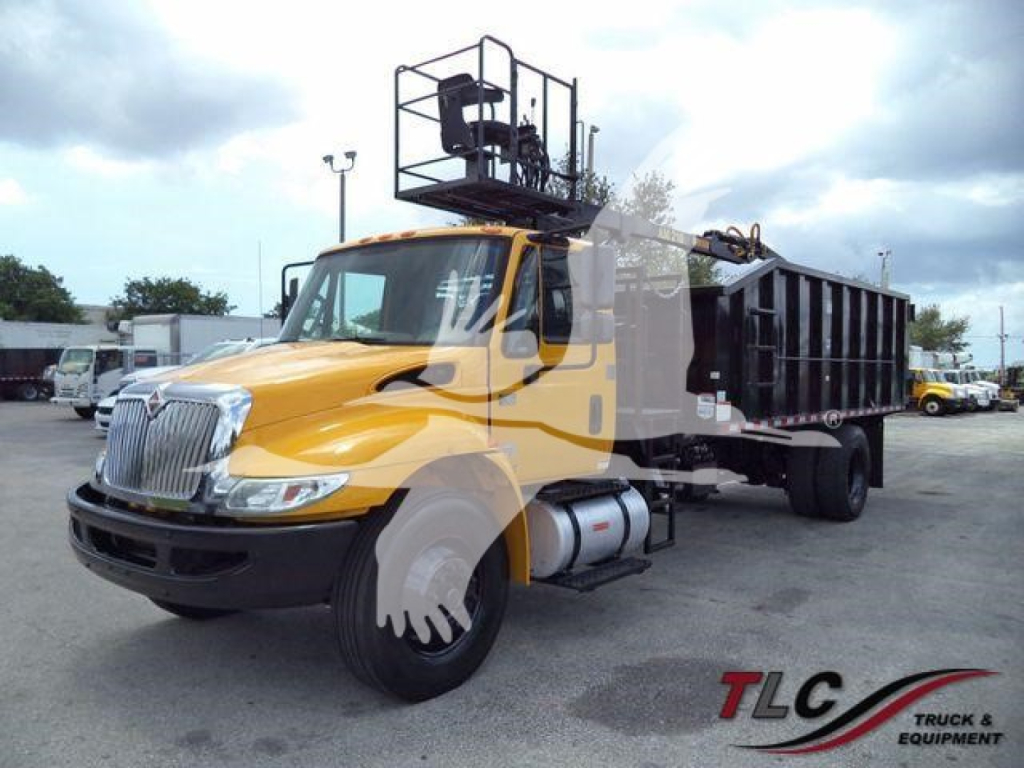
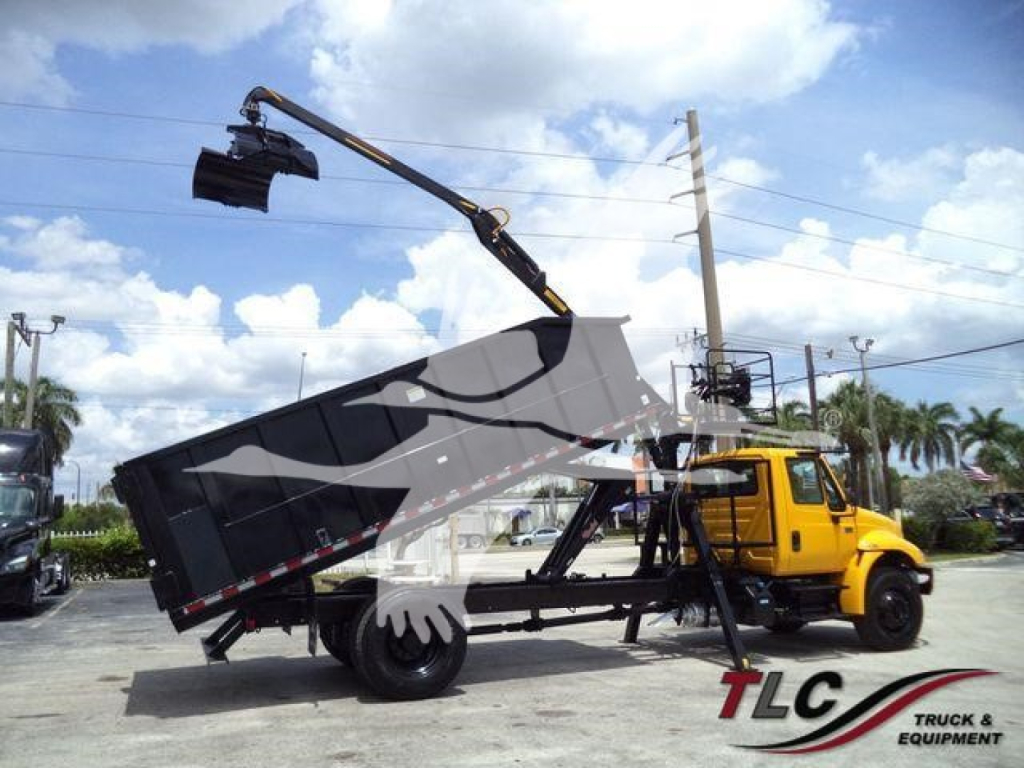
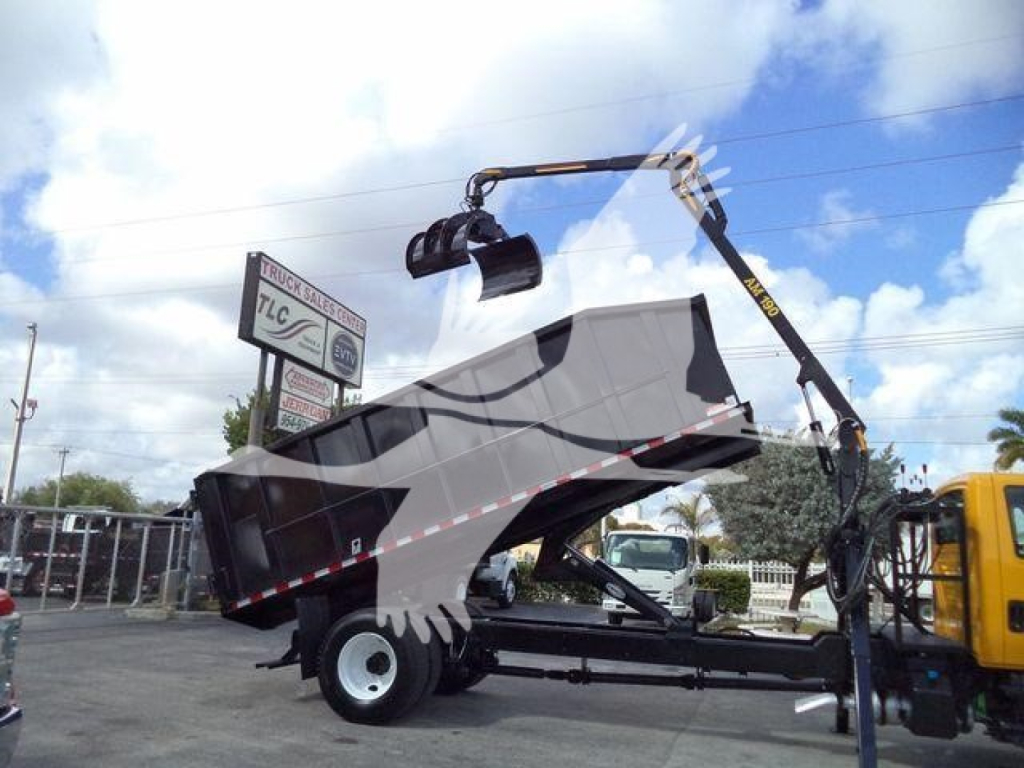
The upfit matters as much as the chassis. Common 2019 International grapple truck configurations include an 18-foot steel dump body in the 21-yard range, a PTO-driven hoist, and a rear-mounted or behind-cab hydraulic grapple loader. Sample specs in this category show boom reaches around 19 to 21 feet, with lift capacities that vary significantly by reach. Mid-reach capacity can be around 2,750 to 4,000 pounds, while max-reach capacity may drop to roughly 1,400 to 2,600 pounds. Buyers should read loader charts carefully instead of comparing only the headline lift number, because real productivity depends on how far the operator can safely pick and place material into the body.
Control layout is another major buying point. Some 2019 International grapple trucks use manual controls with a turret seat, while others use a platform or slide control bank that can improve visibility depending on the loading pattern. A 36-inch grapple with about a 48-inch opening is a common setup for brush, limbs, and mixed debris, but the right grapple style depends on material density and contamination. For municipal or refuse-related use, it also helps to verify body floor thickness, hoist rating, tailgate design, and how the loader is mounted, since these details affect durability when the truck is worked daily on uneven routes, transfer stations, and storm cleanup sites.
For buyers comparing 2019 International grapple trucks for sale, the key questions are payload after upfit, axle ratings, loader manufacturer support, and overall hydraulic condition. A truck may look similar on paper but perform very differently based on boom model, valve setup, body construction, and maintenance history. International's medium-duty chassis is widely used in vocational service, so parts access and shop familiarity are generally favorable. The best unit for the job is usually the one with a loader and body package matched to the material stream, route density, and driver licensing requirements, not simply the longest boom or largest body.
Frequently Asked Questions about 2019 International Grapple Trucks
What makes a 2019 International grapple truck a popular choice for non-CDL work?
Many 2019 International grapple trucks are spec'd at 26,000 GVWR, which allows operation in a non-CDL Class 6 configuration in many applications. That makes them attractive for tree crews, debris contractors, and municipal departments that want strong vocational capability without moving into a heavier licensing category. Buyers still need to account for the weight of the body, loader, fuel, and material, because available payload can shrink quickly once the truck is fully upfitted.
What boom reach and lifting capacity are common on a 2019 International grapple truck?
A common range is about 19 to 21 feet of boom reach, with lifting capacity changing substantially as the boom extends. Mid-reach ratings may be around 2,750 to 4,000 pounds, while full-extension capacity can drop to roughly 1,400 to 2,600 pounds depending on the loader model. The correct way to compare trucks is by reviewing the loader chart at actual working radius, not by looking at one published lift number.
What chassis and powertrain specs are typical on 2019 International grapple trucks?
The International Durastar 4300 is one of the most common chassis in this category. Typical specs include a 6.7L Cummins diesel, automatic transmission, air brakes, air suspension, 22.5-inch tires, and an aluminum fuel tank. This combination is widely accepted in medium-duty vocational service because it balances maneuverability, serviceability, and compatibility with hydraulic PTO-driven equipment.
What should buyers inspect on a used grapple truck besides the engine and transmission?
The hydraulic system and loader structure deserve as much attention as the drivetrain. Buyers should inspect the PTO operation, pump performance, control valves, cylinder leaks, hose condition, boom pins and bushings, turret rotation, outriggers if equipped, and cracks in the subframe or body mounts. It is also smart to check dump body floor wear, tailgate alignment, hoist condition, and signs of stress around the loader base, since these areas reveal how the truck was actually used.
Is a 21-yard body always better on a grapple truck?
Not necessarily. A larger body can improve route efficiency for light, bulky debris such as brush and storm cleanup material, but it also adds weight and can reduce legal payload margin. Body size should match the material being hauled, the loader's effective reach, and axle ratings. For dense material streams like mixed scrap or heavy demolition debris, buyers often benefit more from a stronger body and better payload balance than from maximum cubic capacity.