
International Trucks For Sale in Nebraska
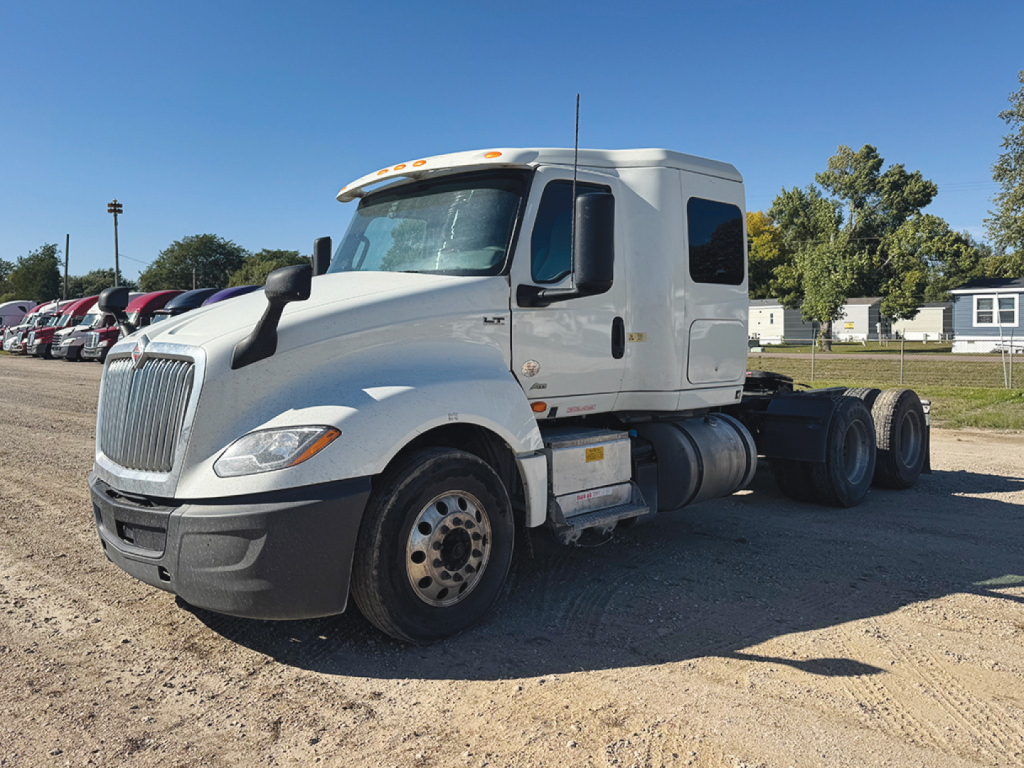
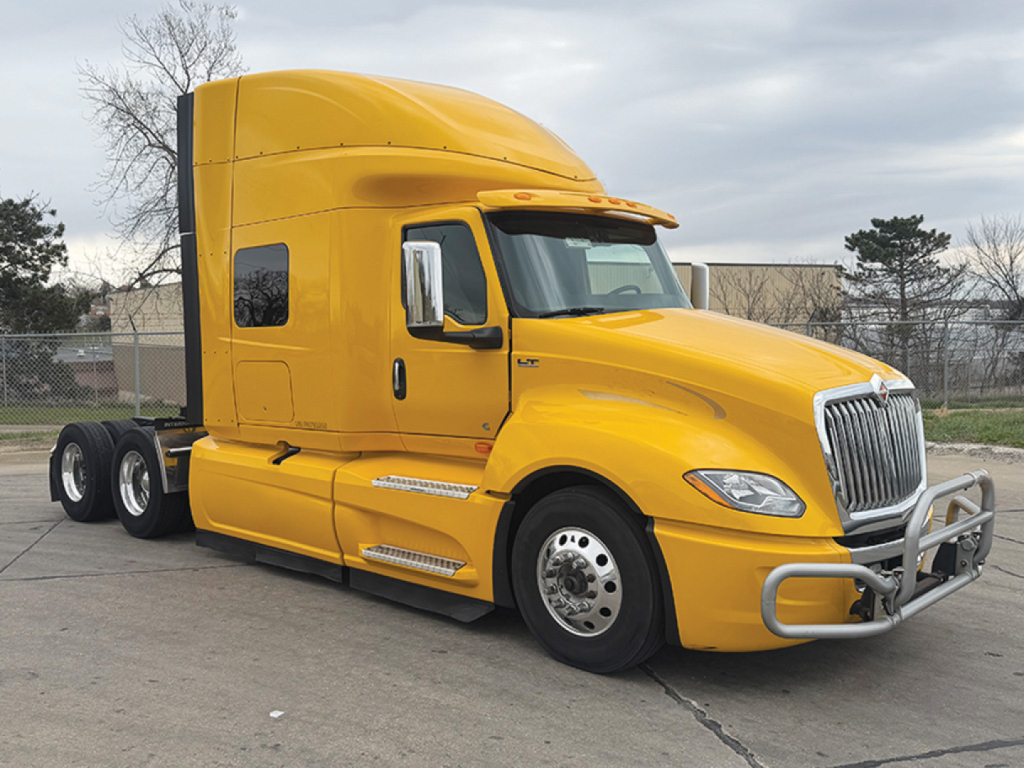
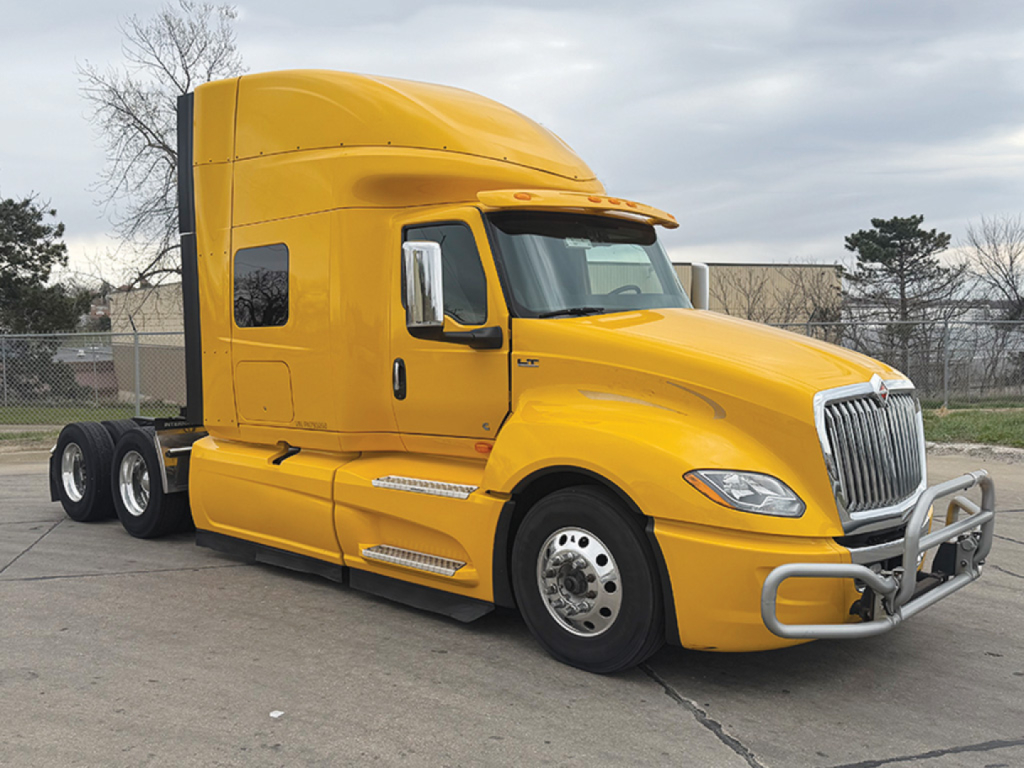
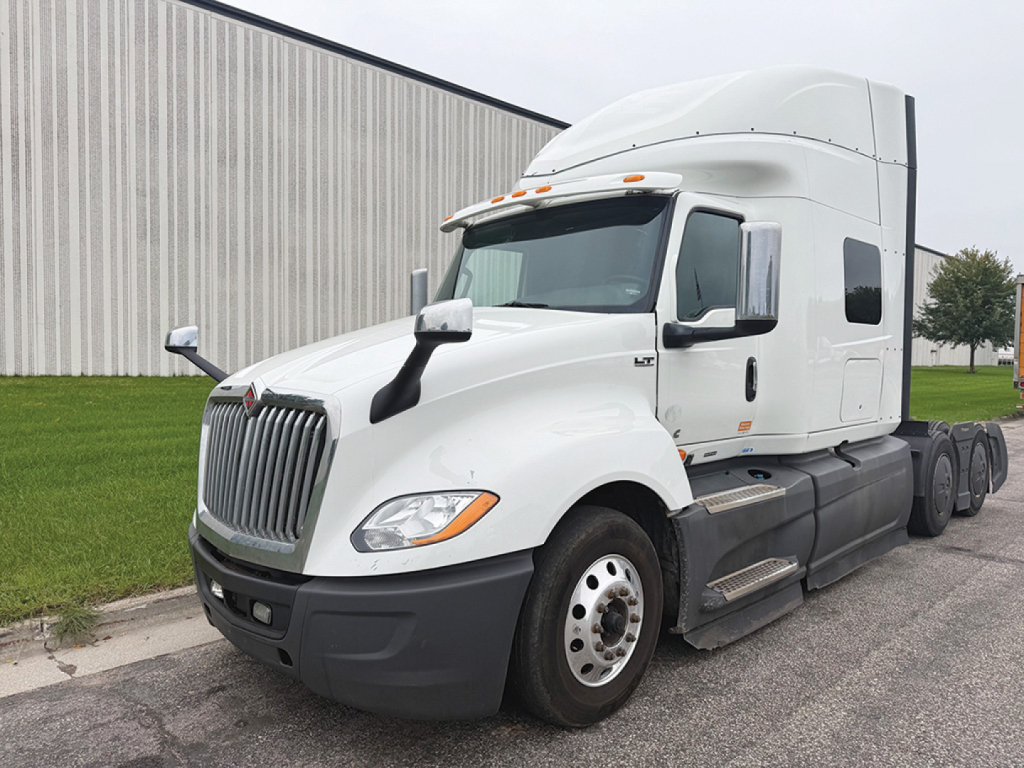
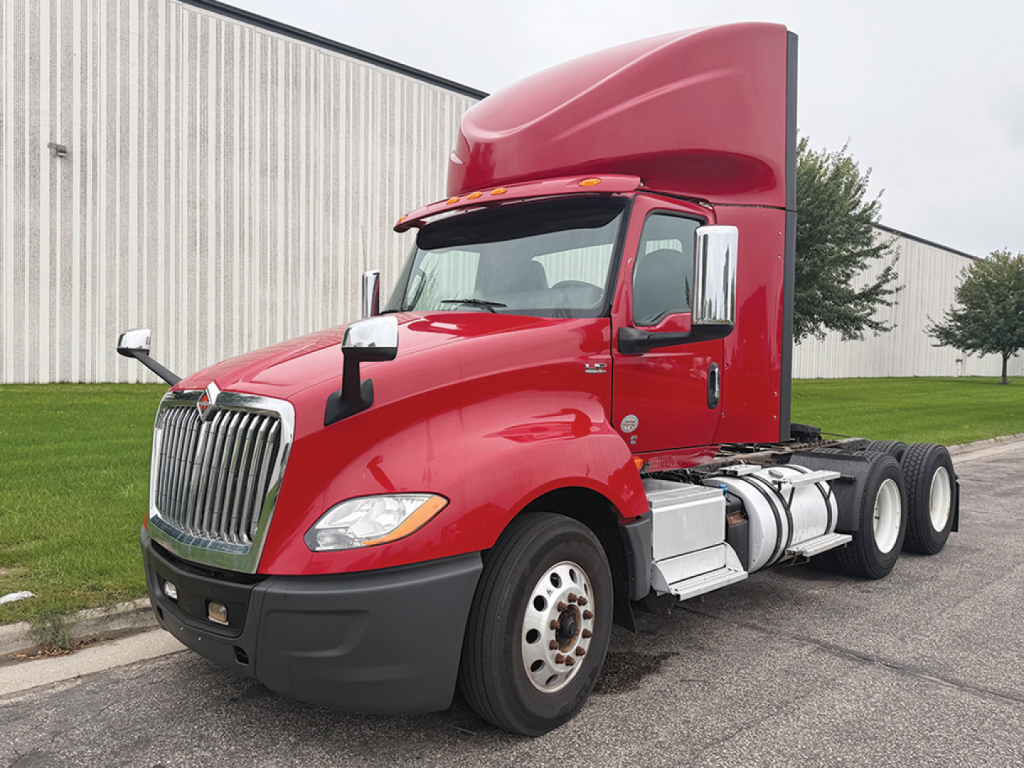
Browse International trucks for sale in Nebraska, including LT, RH, and 9400i models for regional, long-haul, vocational, and fleet use.
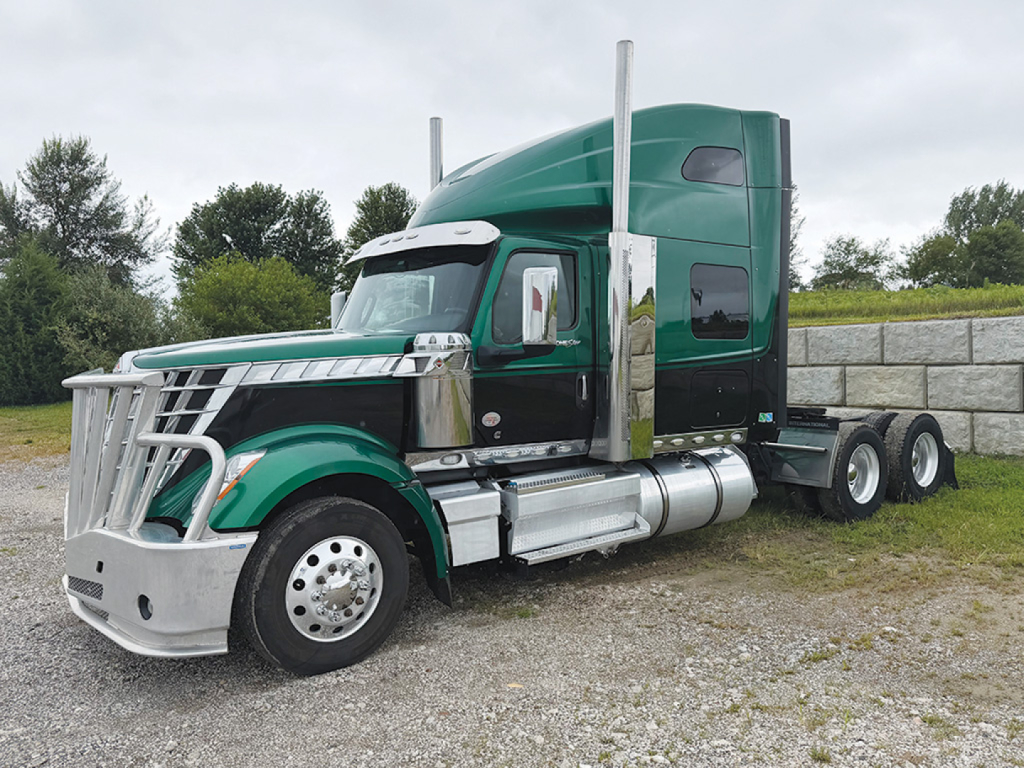
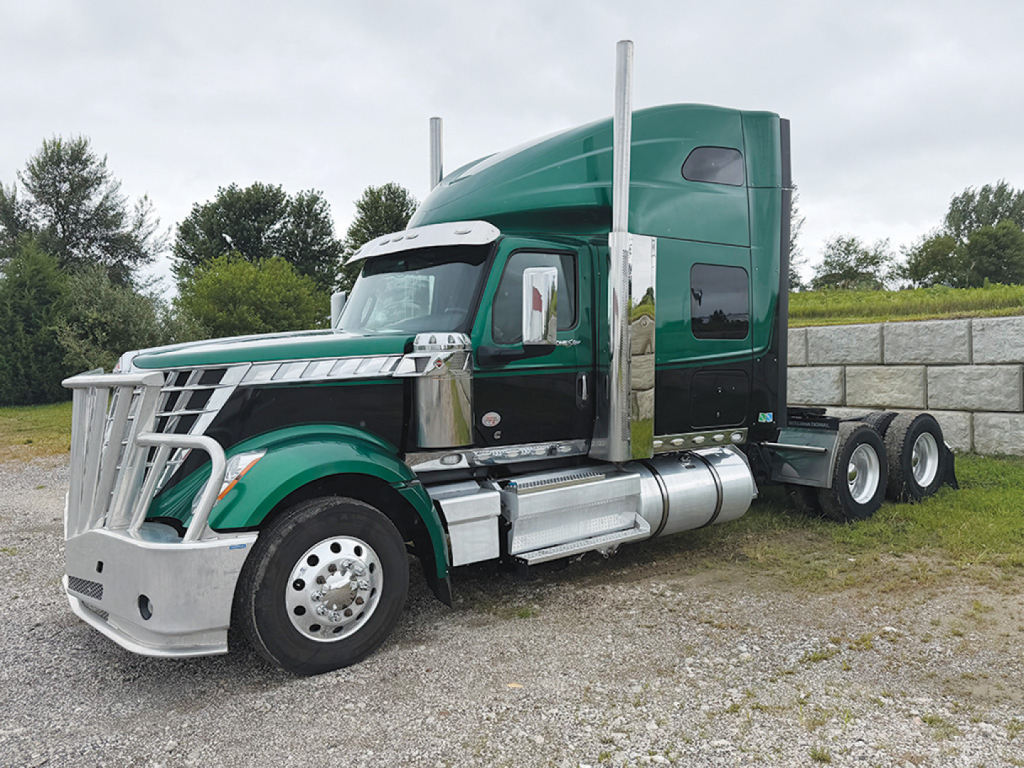
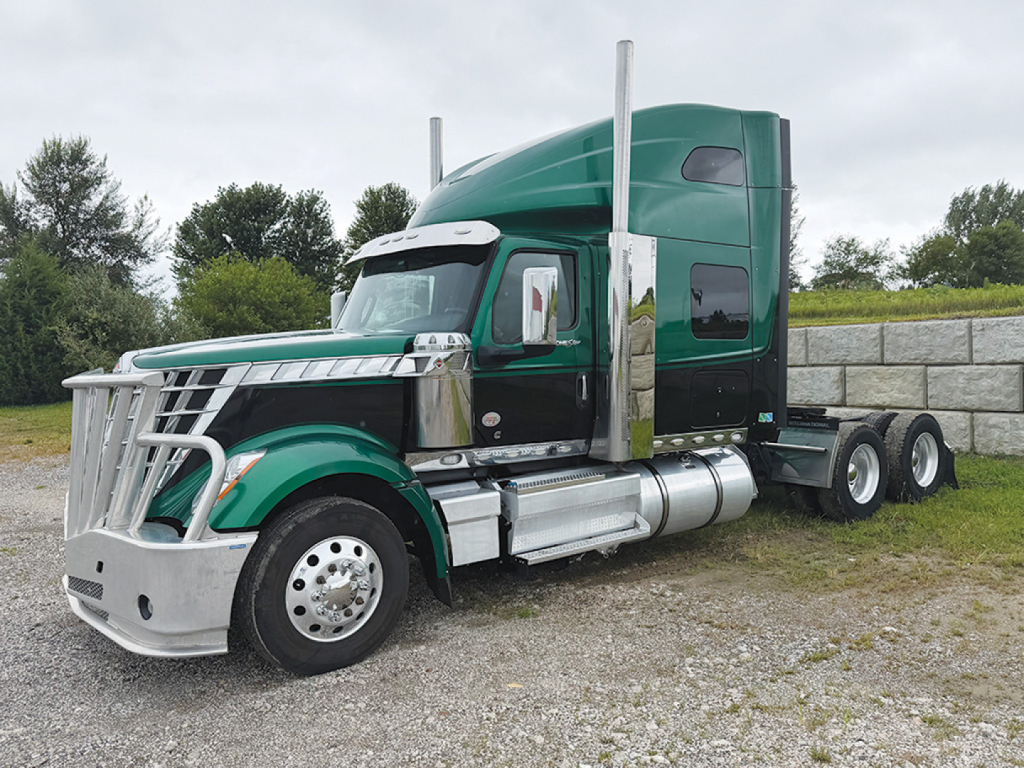
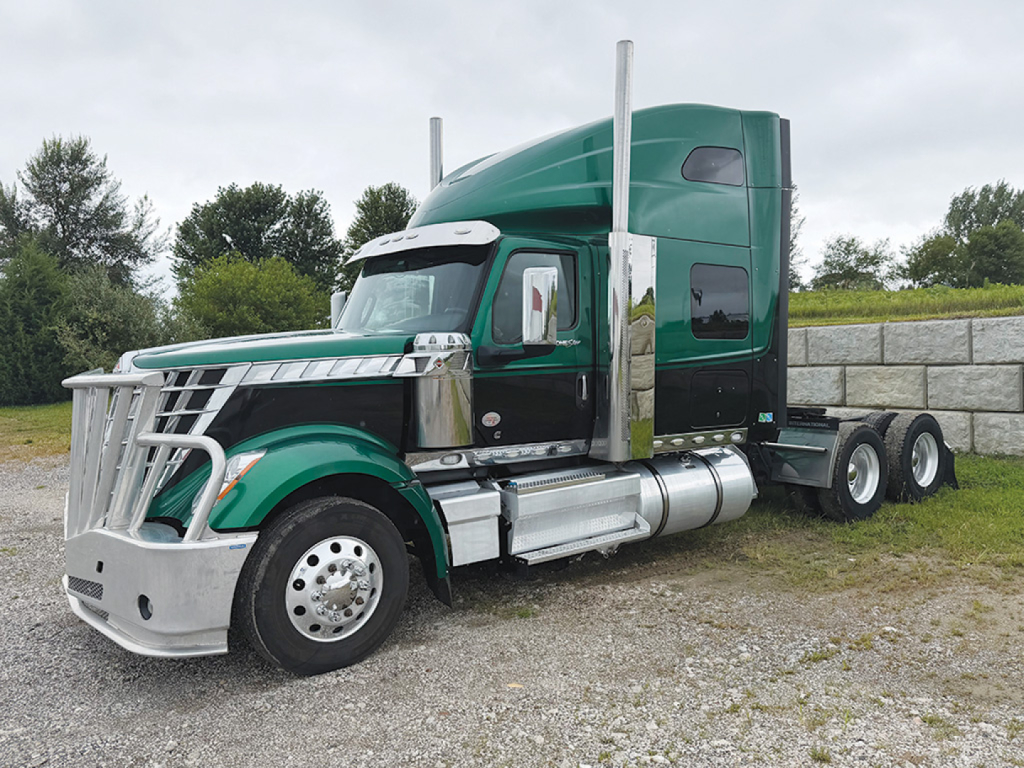
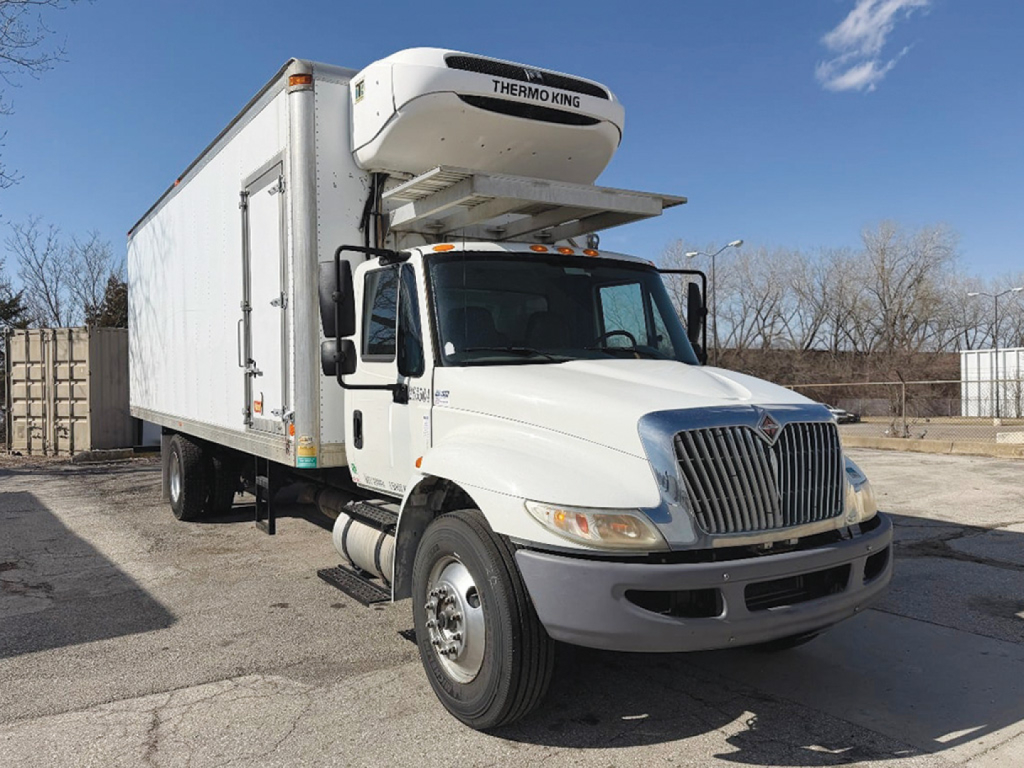
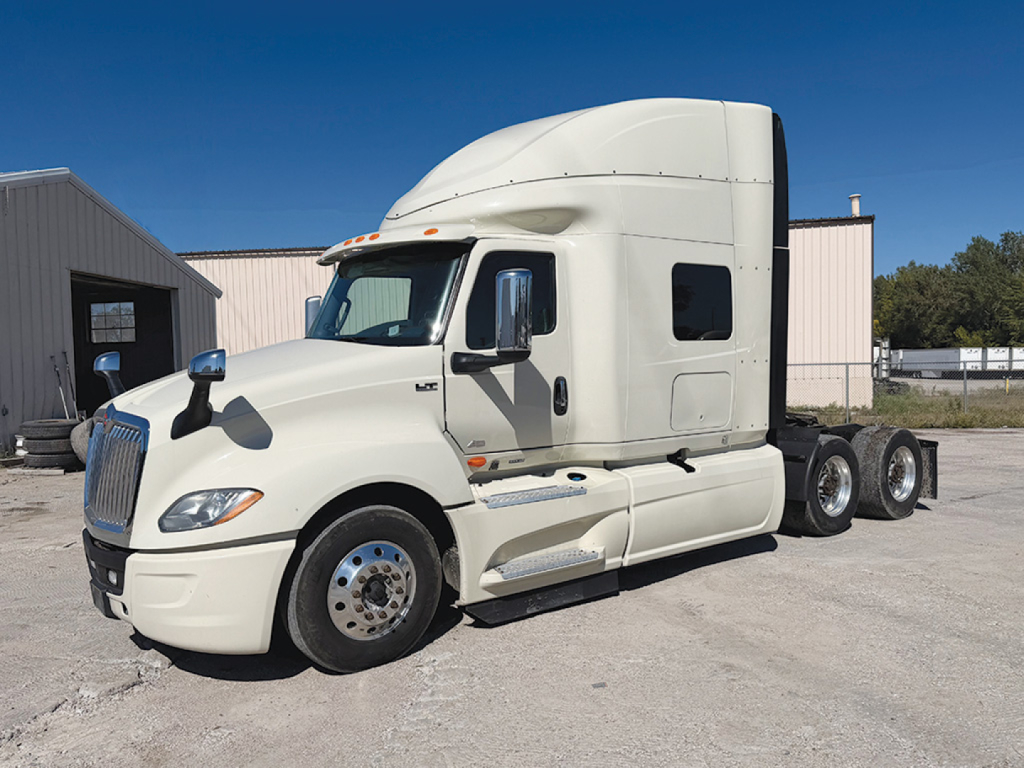
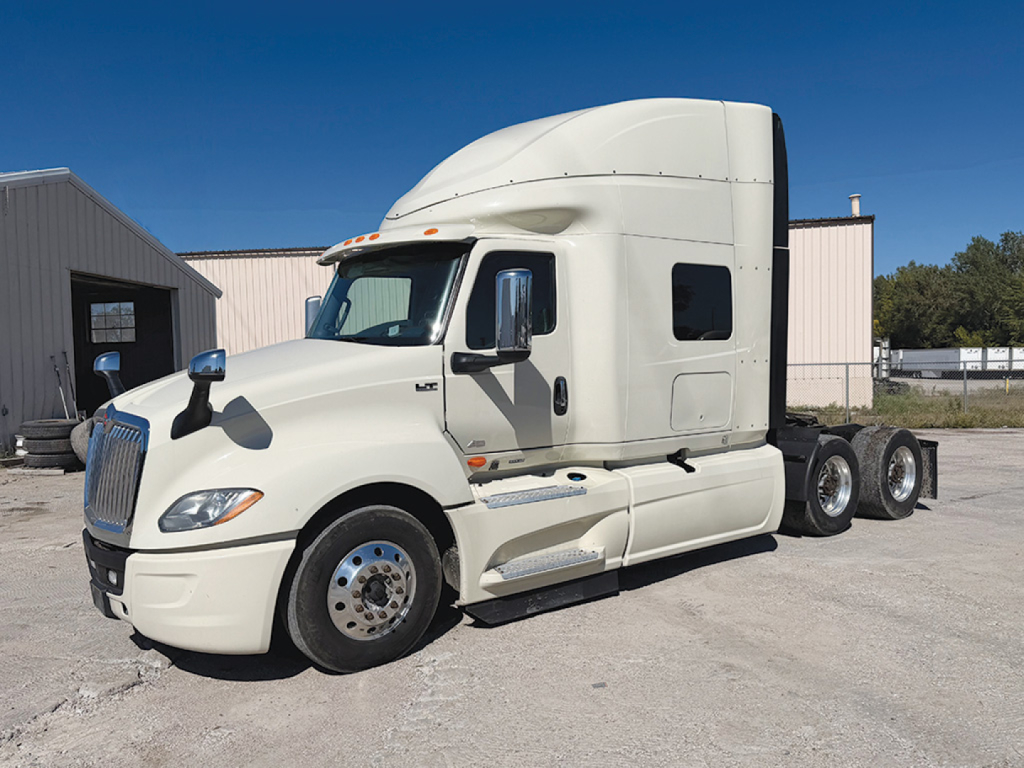
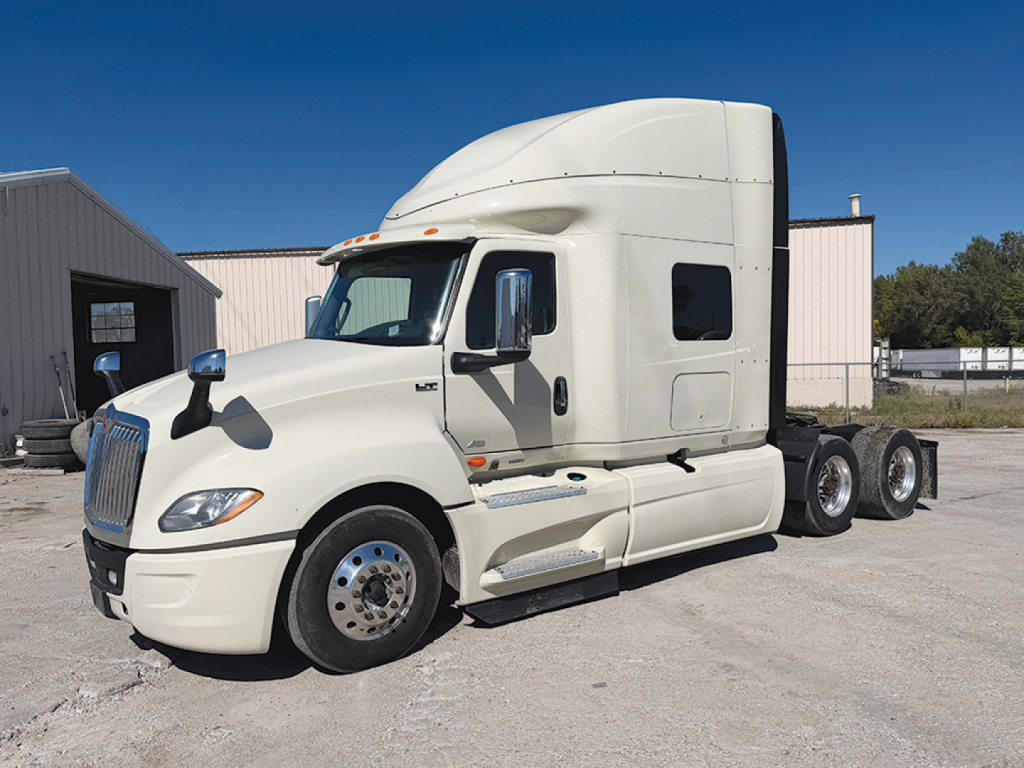

Selling a international truck? List your international truck for sale and reach thousands of commercial buyers.
International Trucks in Nebraska
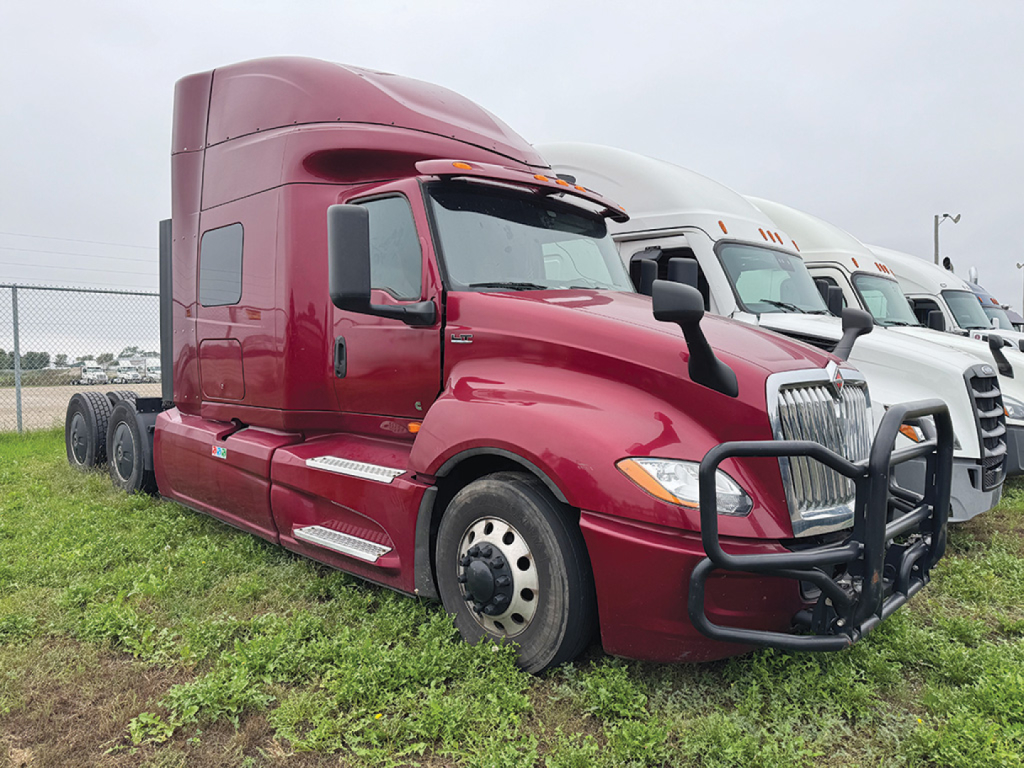
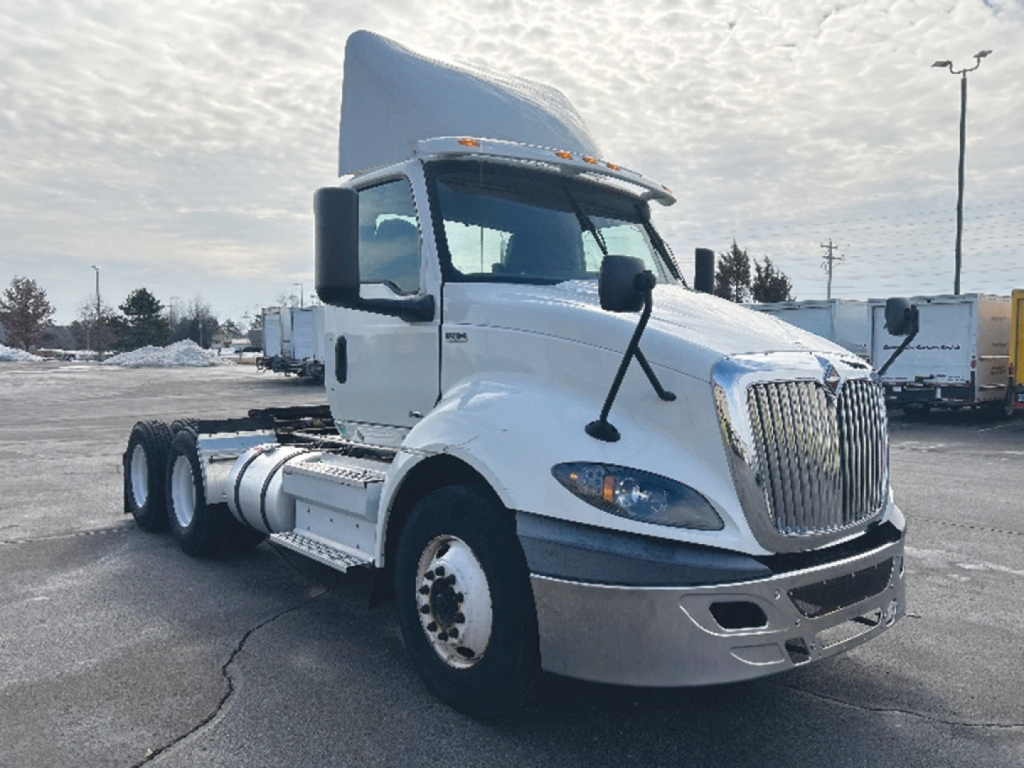
On the highway side, International day cabs and sleepers are commonly spec'd with Cummins X15 or Navistar A26 diesel engines, automated manual or full automatic transmissions, air ride suspension, and tandem rear axles rated around 40,000 pounds. Buyers comparing LT625, RH613, and older 9400i models should pay close attention to horsepower, rear axle ratio, wheelbase, and sleeper configuration. A 2.64 or 2.79 ratio generally favors fuel-efficient linehaul work, while a 3.25 or 3.36 ratio can be a better fit for heavier loads, mixed terrain, or more start-and-stop operation. Day cabs in the 175 to 180 inch wheelbase range are often better suited to regional freight and tighter maneuvering, while 230 inch plus sleeper trucks are more aligned with over-the-road use and onboard driver amenities.
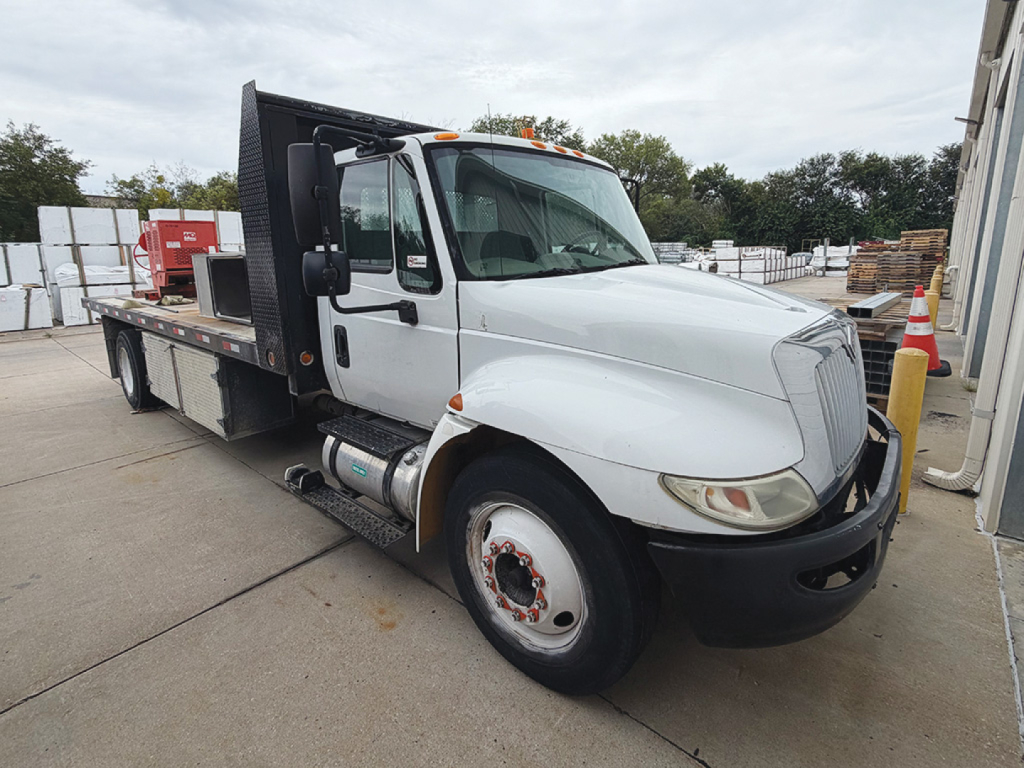
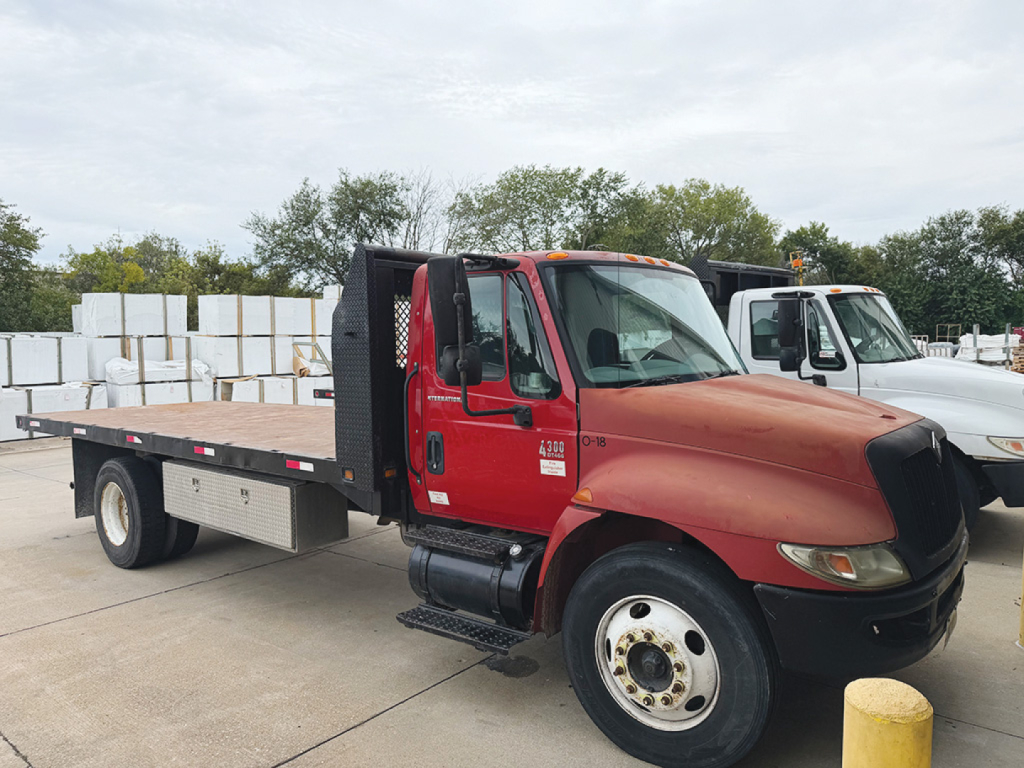
Cab and chassis details make a real difference in ownership cost and application fit. Common specs on International tractors include air slide fifth wheels, dual aluminum fuel tanks, disc or drum brake setups, low profile 22.5 tires, fairings, cab extenders, and engine brakes. On sleeper units, buyers should look at bunk size, roof height, APU presence, bunk heaters, and storage layout if the truck will stay out for extended periods. For vocational or specialty trucks, older International platforms remain relevant because they are simple, durable, and adaptable for bodies such as fire apparatus, service units, and municipal equipment. Suspension type, front axle capacity, PTO capability, and frame condition matter more on those trucks than aero features or sleeper amenities.
A used International truck should be evaluated by intended duty cycle first, then by powertrain history and chassis spec. In Nebraska, corrosion exposure may be lower than in coastal markets, but buyers still need to inspect frame rails, cab mounts, crossmembers, suspension wear points, brake components, and emissions system service records. On late-model trucks, confirm engine hours, idle time, aftertreatment maintenance, and software campaign status. On older mechanical or pre-emissions units, focus on driveline wear, cooling system condition, steering components, and parts availability for specialty bodies. The best International truck is the one with a spec package that matches the route, the load, and the maintenance plan.
Frequently Asked Questions about International Trucks in Nebraska
What are the most common International truck models for highway use?
The most common International highway tractors are typically the LT Series for long-haul and fleet linehaul work, the RH Series for regional hauling, and older 9000 Series models such as the 9400i that remain active in owner-operator and vocational crossover applications. The LT is known for aerodynamic design, sleeper and day cab availability, and modern powertrain options. The RH is often chosen for regional lanes, distribution work, and operations that need a tight, practical spec without a full long-haul sleeper setup.
Which engine and axle ratio combination is best in an International truck?
The right combination depends on the job. Cummins X15 and Navistar A26 engines are common in newer International tractors, with horsepower ratings often falling in the 400 to 450 horsepower range for general freight. Lower rear axle ratios such as 2.64 or 2.79 are typically selected for fuel economy at highway speed, while 3.25 or 3.36 ratios are more suitable for heavier loads, rolling terrain, or operations with frequent stops and starts. Buyers should match ratio, transmission, and tire size to cruise speed and gross combination weight, not just engine horsepower.
Are International day cabs or sleeper trucks better for Nebraska operations?
That depends on lane length and freight pattern. Day cabs are usually the better fit for regional freight, local grain and ag support, dedicated routes, and terminal-based operations where the truck returns regularly. Sleeper trucks are the stronger choice for over-the-road lanes, longer Midwest runs, or operations needing driver flexibility and overnight capability. In Nebraska, both configurations are common because fleets often balance interstate linehaul with shorter regional work across rural and urban routes.
What should I inspect first on a used International truck?
Start with the engine, transmission, rear axle ratio, and service records because those items define the truck's real operating fit and future maintenance exposure. After that, inspect the frame rails, suspension, steering, brakes, tire wear, wheel seals, and fifth wheel condition. On emissions-equipped trucks, verify diesel particulate filter and aftertreatment history, fault codes, and idle hours. On sleeper models, check HVAC performance, bunk systems, APU operation if equipped, and signs of water intrusion around seals and roof openings.
Are older International trucks still a good buy for vocational or specialty work?
Yes, many older International chassis remain viable for vocational service when the frame, driveline, and body integration are sound. Trucks such as older S-Series models are still used for fire apparatus, municipal support, farm service, and specialty body applications because of their simple design and durable chassis construction. The key is to evaluate the truck as a complete working platform, including pump or PTO equipment, suspension capacity, brake system condition, wheel and tire type, and replacement part support for both the chassis and the mounted body.