
International Conventional Daycab Trucks For Sale in Nebraska
Shop International conventional daycab trucks with specs for regional haul, local delivery, vocational work, axle ratios, wheelbases, and engine options.
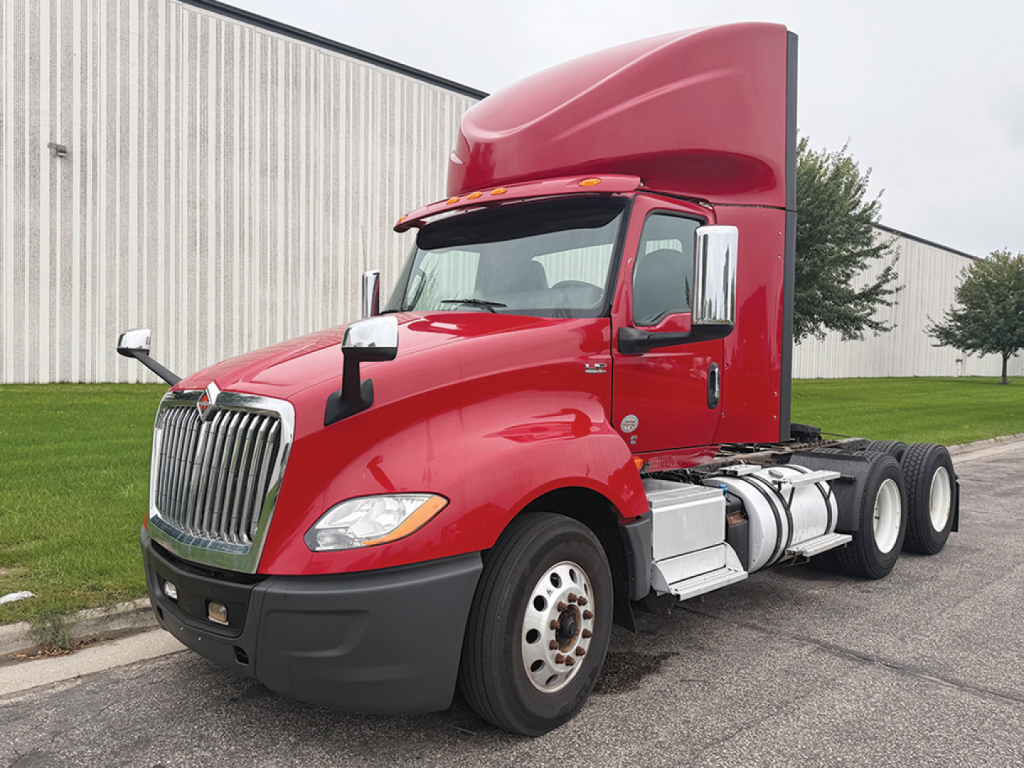
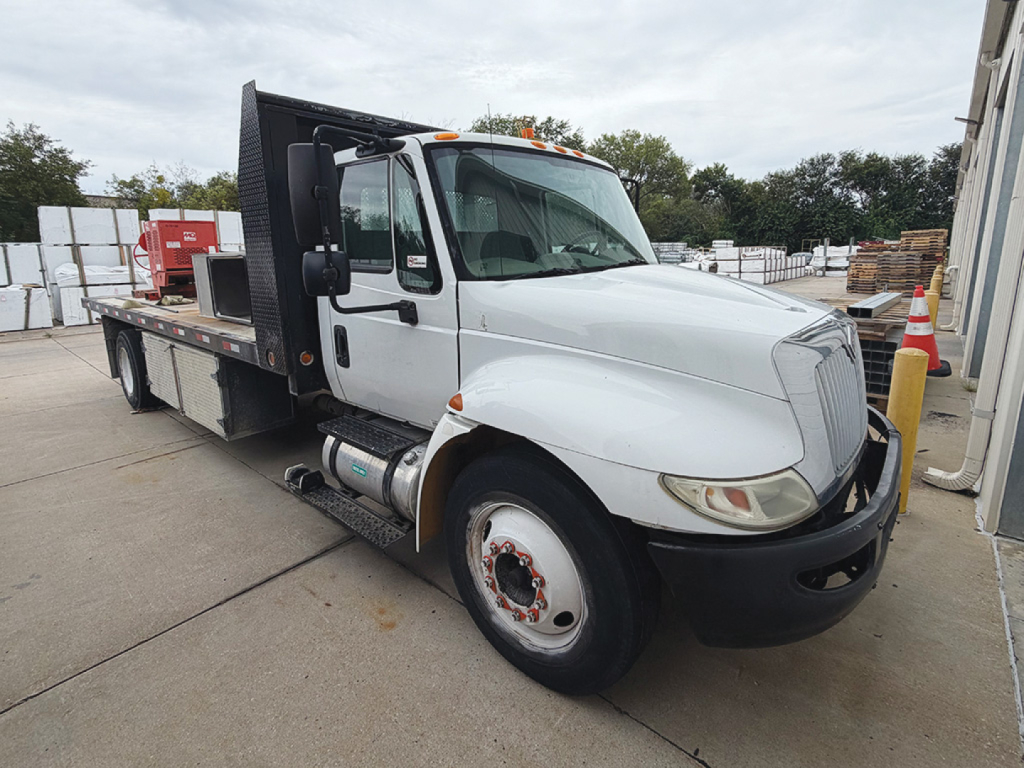
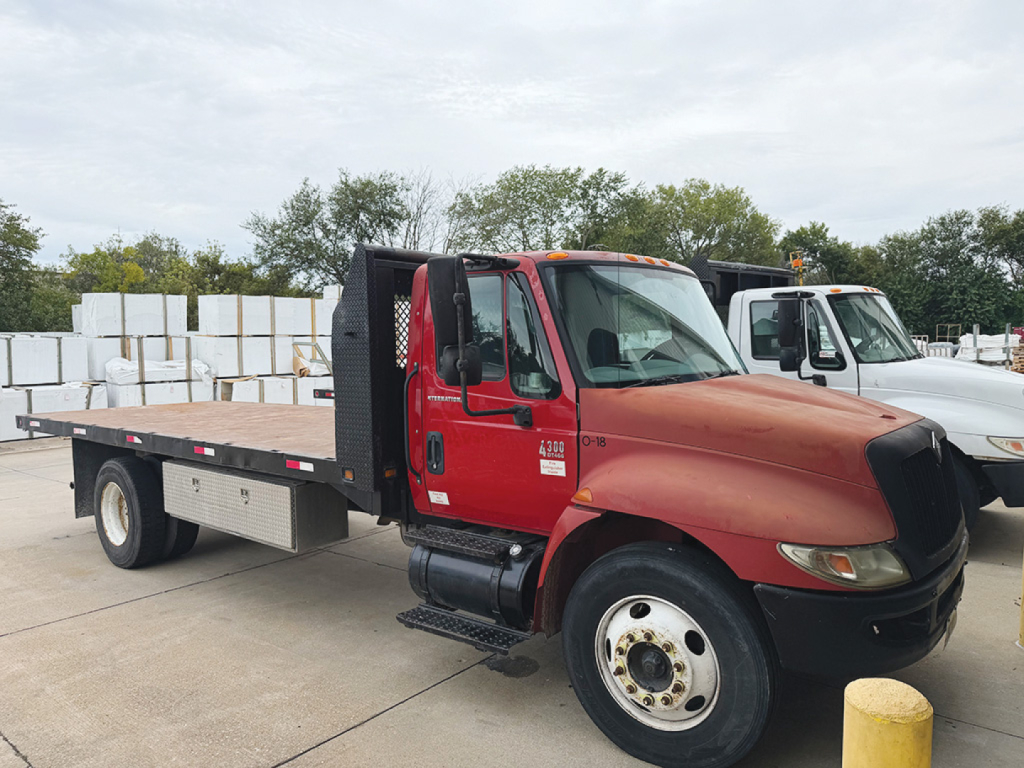
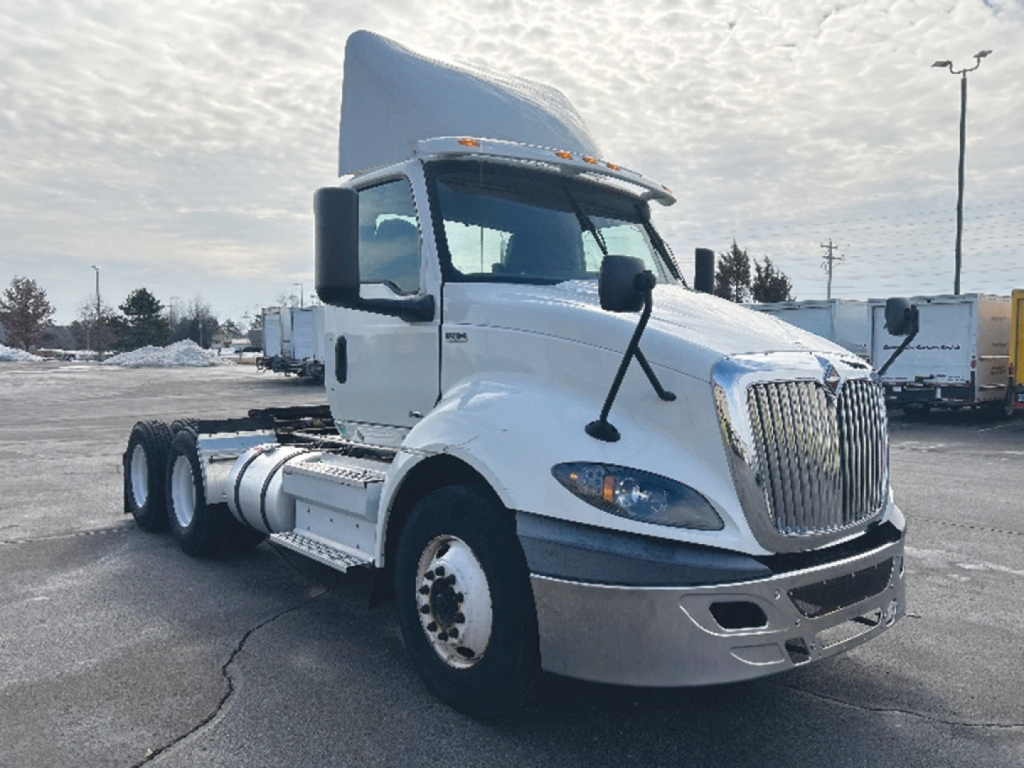

Selling a international conventional daycab truck? List your international conventional daycab truck for sale and reach thousands of commercial buyers.
International Conventional Daycab Trucks in Nebraska
The most important buying decision is matching the truck’s drivetrain to the job. International daycabs are commonly found with engines such as the Navistar N13, Cummins ISX15, and older Cummins M11, typically in the 330 to 450 horsepower range in used market inventory. Transmission choices often include 10-speed manuals and automated or full automatic options. Rear axle ratings around 40,000 to 46,000 pounds are common, along with ratios such as 2.47, 2.79, or 3.07. A tall highway ratio can make sense for fuel-conscious regional hauling, while a deeper ratio is better suited for heavier starts, vocational use, wet kit work, or shorter routes with more stop-and-go operation.
Wheelbase, fifth wheel setup, and suspension spec should be checked closely before comparing price. Many International conventional daycabs are spec'd in the 160 to 175 inch wheelbase range, which keeps them maneuverable while still giving enough back-of-cab room for fairings, tanks, and trailer swing clearance. Air ride suspension is common and usually preferred for freight protection and driver comfort. Buyers running multiple trailer lengths should pay attention to sliding or adjustable fifth wheels, while buyers in dump, belt trailer, or live floor service may want a hydraulic wetline kit and PTO already installed. Fuel tank size, horizontal versus vertical exhaust, and wheel type also affect how well the truck fits a specific operation.
Cab condition and emissions history matter as much as headline horsepower. On International daycabs, buyers should inspect DPF, SCR, and EGR service records on newer emissions-era trucks, confirm engine brake operation, and verify transmission calibration and clutch condition where applicable. Front axle set-back, bumper style, cab extenders, quarter fenders, and aerodynamic pieces can also influence both usability and operating cost. A well-matched International daycab can be a strong fit for fleets and owner-operators who need a practical Class 8 tractor for short to mid-range work without paying for sleeper truck real estate they do not use.
Frequently Asked Questions about International Conventional Daycab Trucks in Nebraska
What is an International conventional daycab truck best used for?
An International conventional daycab is best suited for local and regional hauling where the driver returns home daily and does not need sleeper space. Common applications include dry van, reefer, tanker, flatbed, grain, ag support, and dedicated shuttle work. Daycabs are also popular in vocational service because they are typically lighter, shorter, and easier to maneuver than sleeper tractors.
What engine and horsepower ranges are common in International daycab trucks?
International daycab trucks are commonly equipped with engines such as the Navistar N13, Cummins ISX15, and older Cummins M11. In used units, horsepower often falls in the 330 to 450 HP range, depending on whether the truck was ordered for fuel economy, regional freight, or heavier vocational pulling. Buyers should look beyond horsepower alone and confirm torque rating, emissions system history, and how the engine is paired with the axle ratio and transmission.
How do axle ratio and wheelbase affect an International daycab’s performance?
Axle ratio has a major effect on fuel economy, launch feel, cruise RPM, and gradeability. Ratios like 2.47 or 2.79 generally favor highway and regional efficiency, while something like 3.07 is better for heavier loads, more frequent starts, or vocational applications. Wheelbase affects turning radius, back-of-cab clearance, and trailer compatibility. A shorter wheelbase is easier in yards and city streets, while a slightly longer setup can improve ride and component space.
Should I choose a manual or automatic transmission in a used International daycab?
That depends on driver preference, route type, and maintenance priorities. A 10-speed manual remains common in fleet and owner-operator service because it is familiar, durable, and often easier to evaluate mechanically. Automated and automatic transmissions can improve driver consistency and reduce fatigue in urban or stop-and-go work, but buyers should verify software calibration, clutch actuator condition where applicable, and service history before purchase.
What should I inspect first on a used International conventional daycab?
Start with the engine and emissions records, then move to transmission operation, rear axle condition, suspension wear, and fifth wheel function. On emissions-era trucks, confirm DPF cleanings, SCR performance, EGR repairs, and any fault code history. Also inspect frame condition, cab mounts, steering components, brake wear, tire match, and any PTO or wet kit equipment if the truck was used in hydraulic applications. A daycab’s value comes from the full spec and maintenance history, not just the model year or advertised horsepower.