
International Conventional Sleeper Trucks For Sale in Nebraska
Shop International conventional sleeper trucks with LT625 specs, Cummins power, 73-inch sleepers, and long-haul features built for over-the-road work.
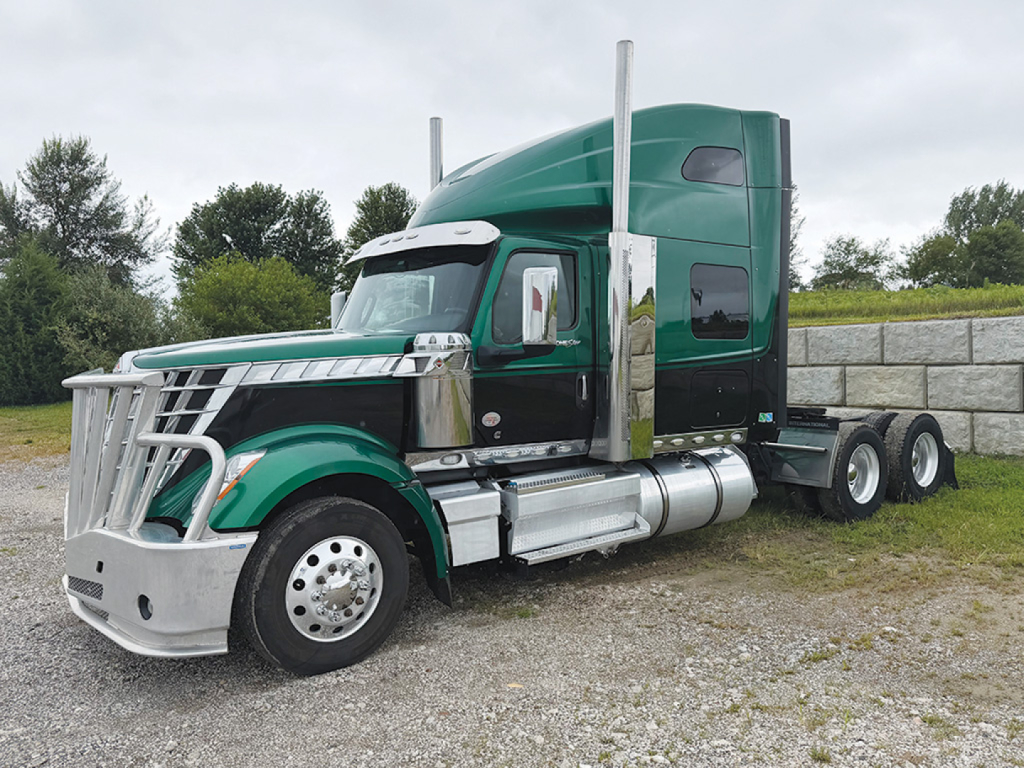
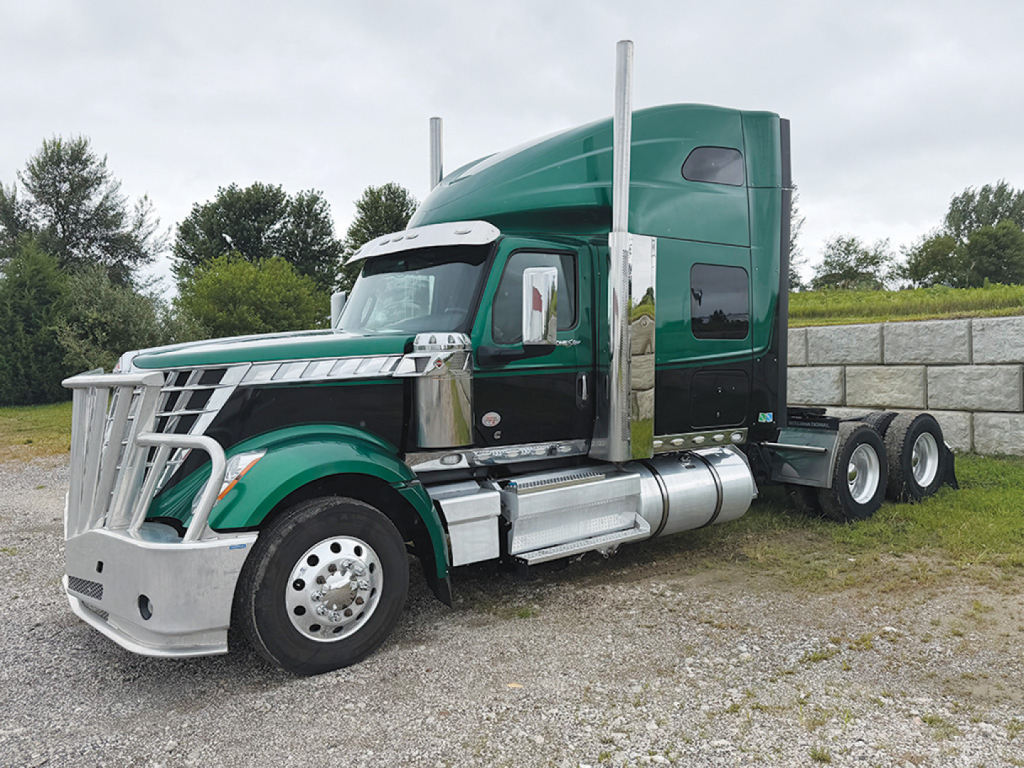
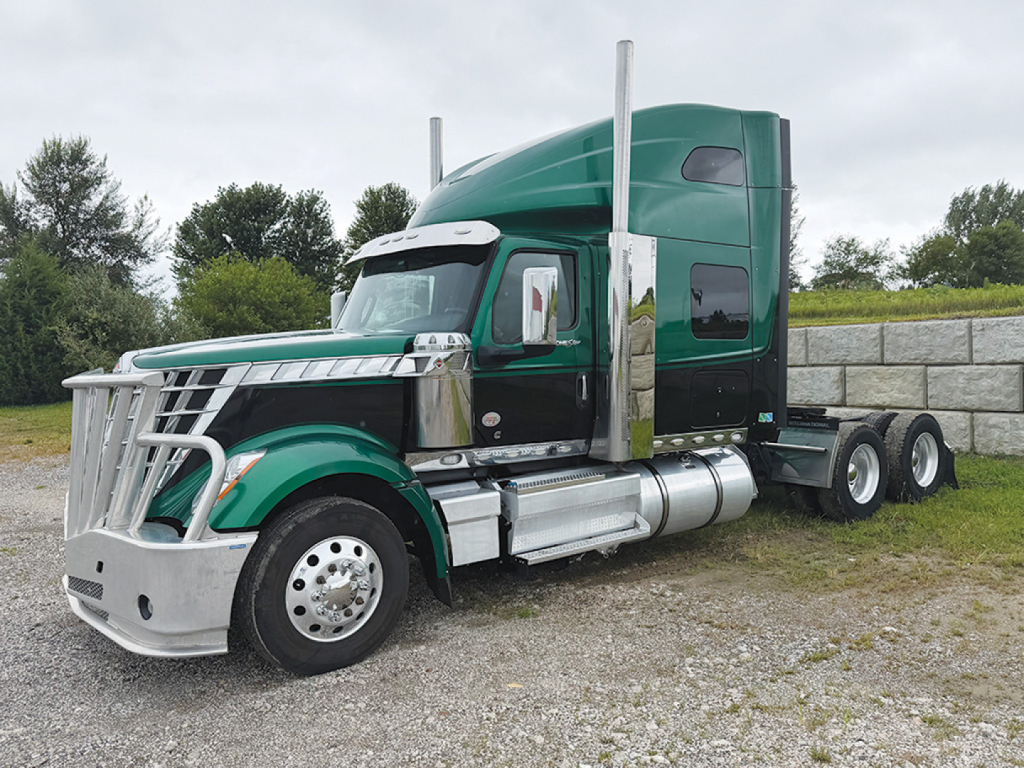
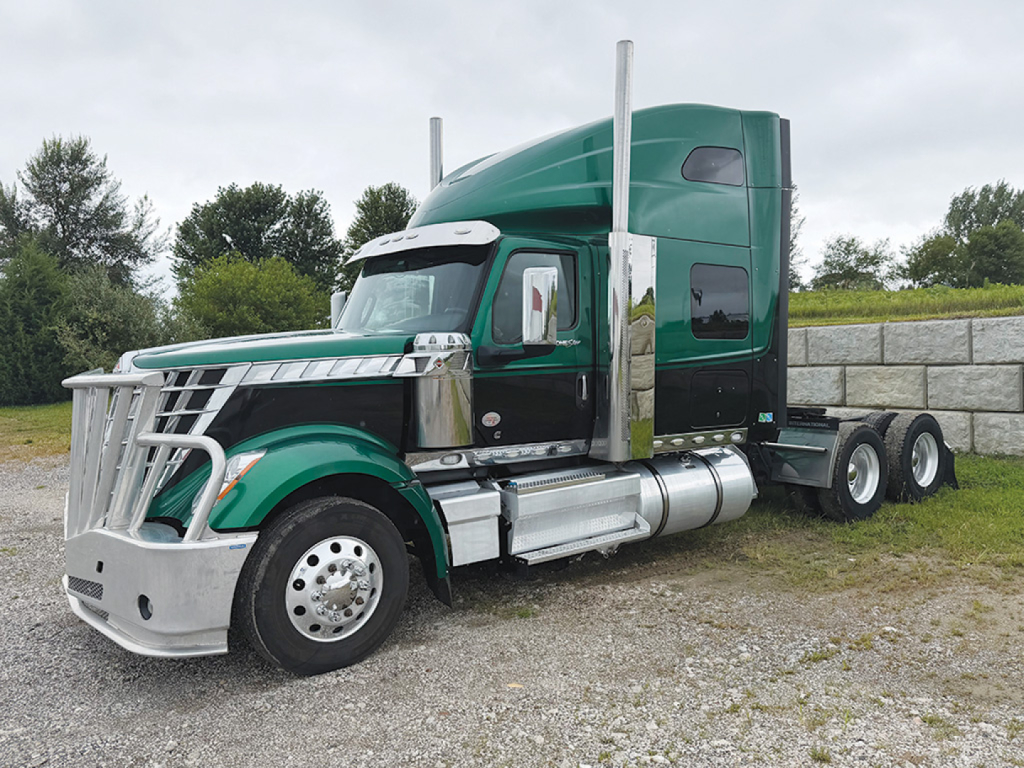
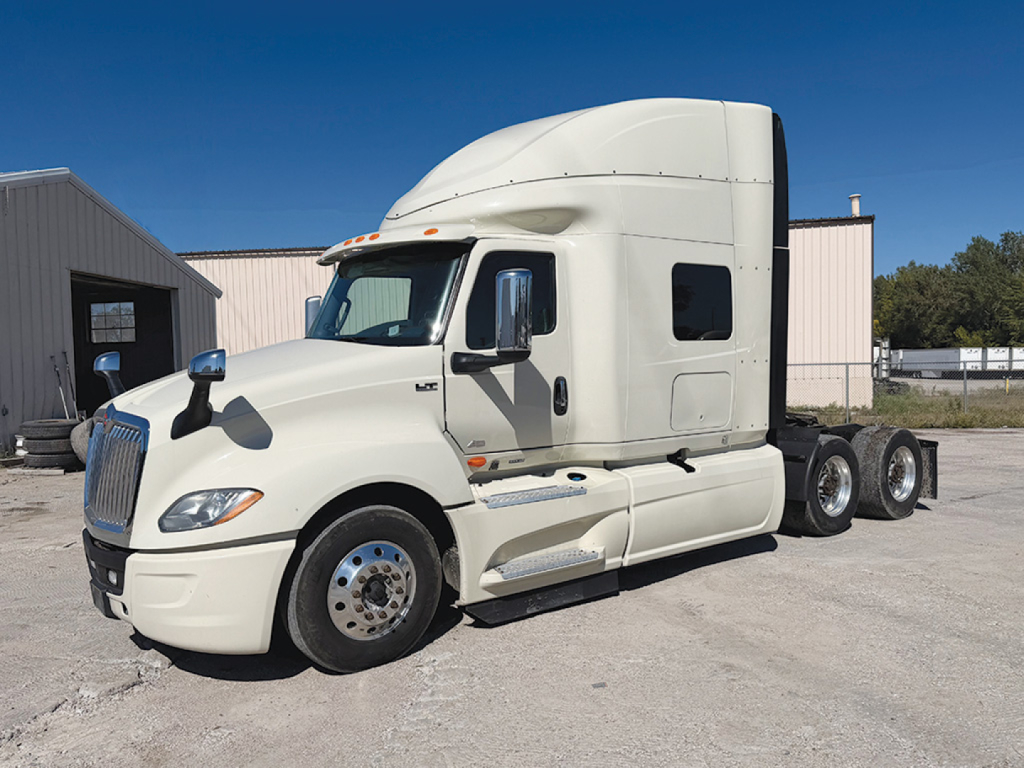
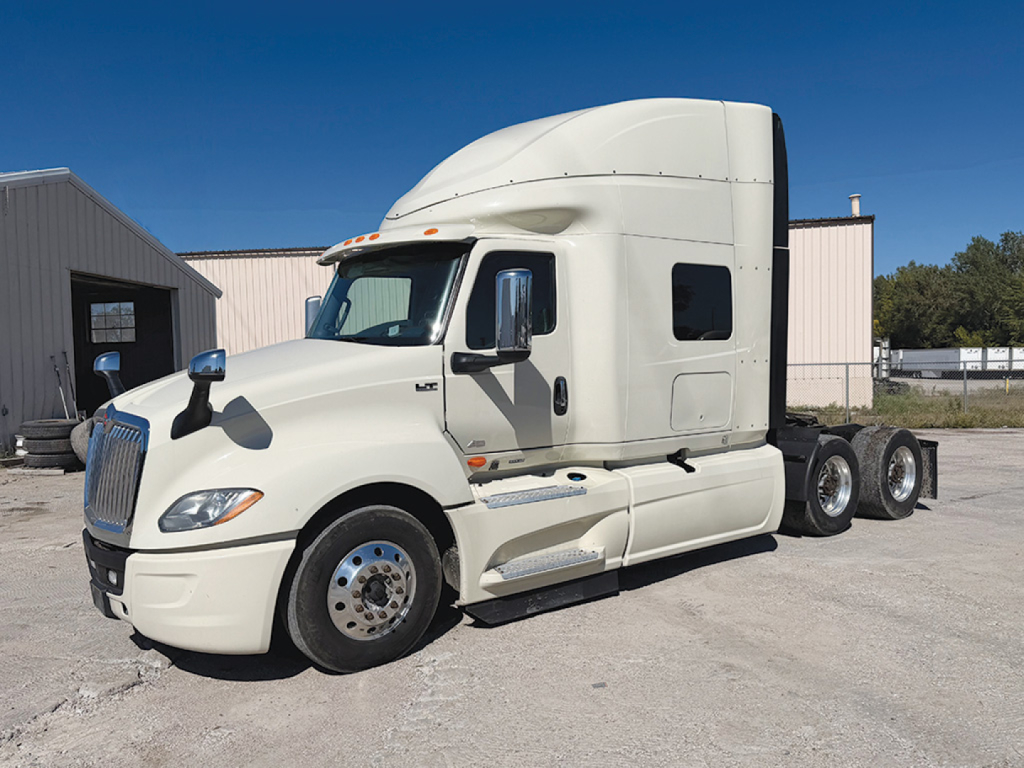
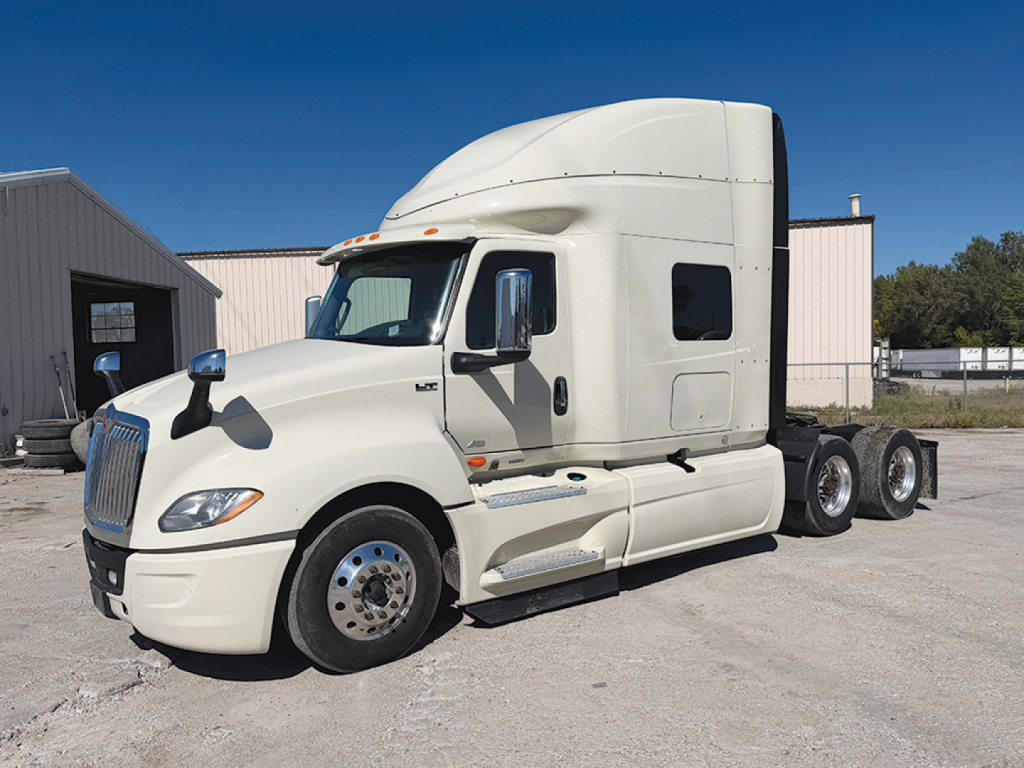
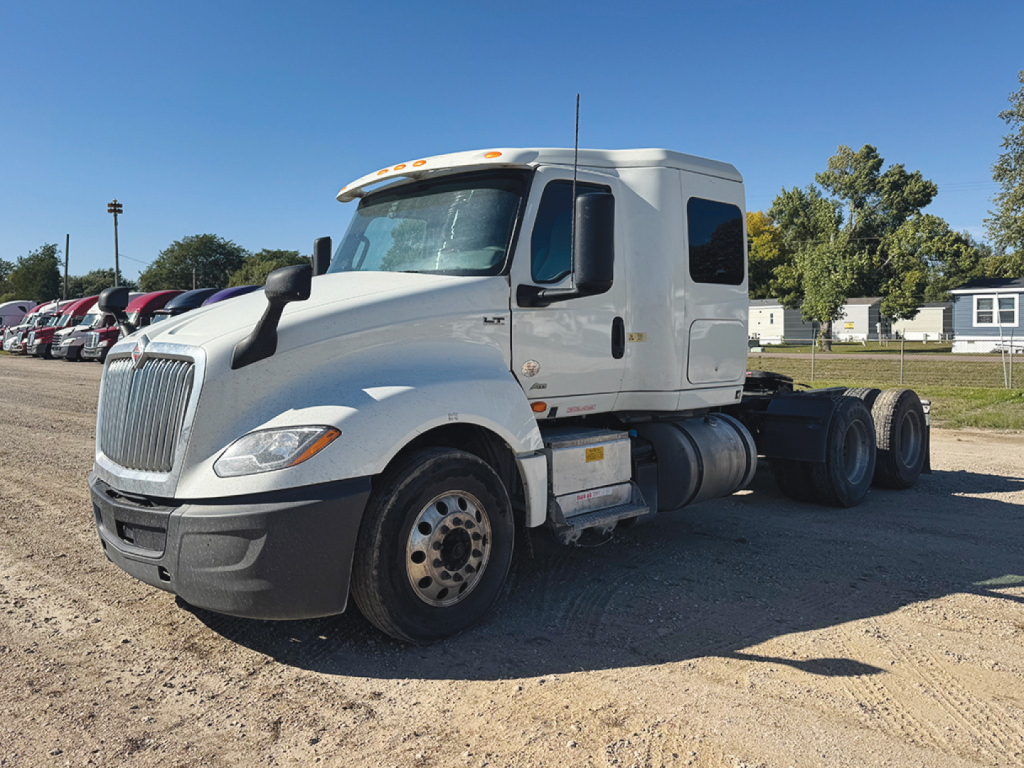
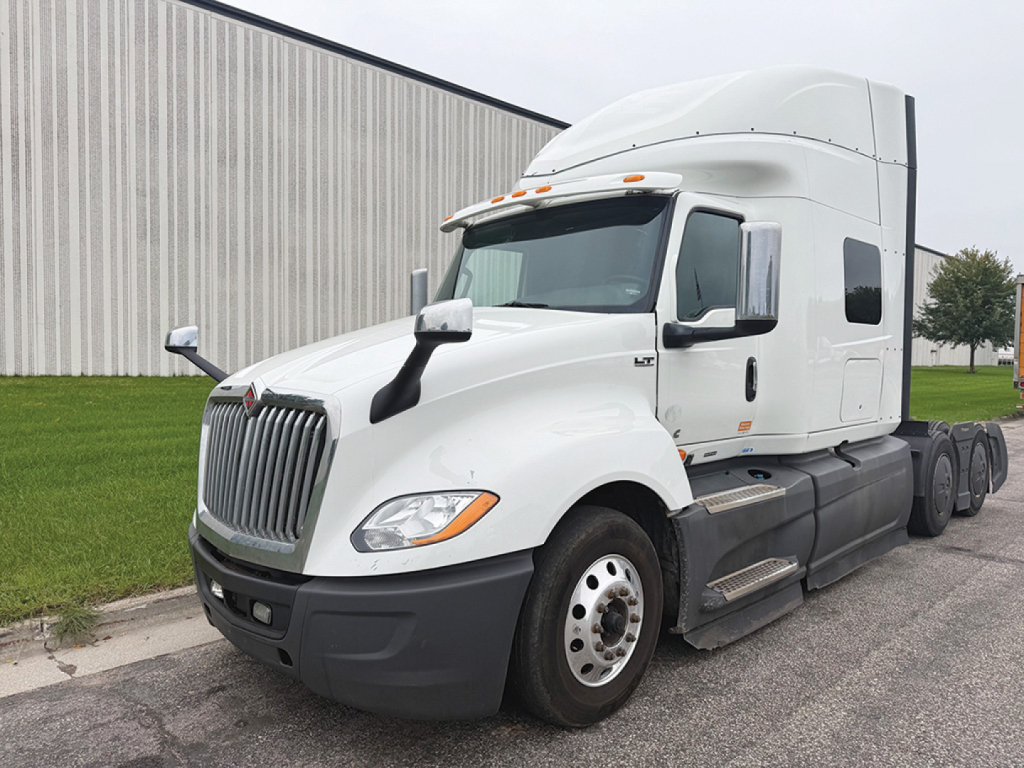
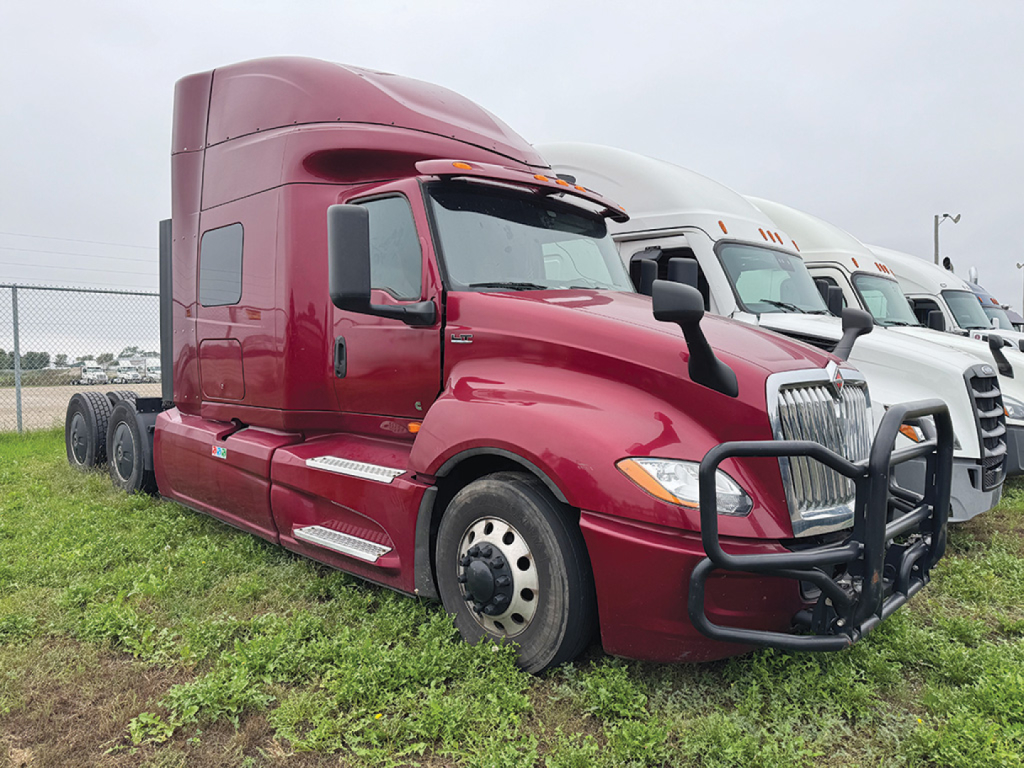

Selling a international conventional sleeper truck? List your international conventional sleeper truck for sale and reach thousands of commercial buyers.
International Conventional Sleeper Trucks in Nebraska
Powertrain choice is one of the biggest buying factors. Many International sleeper tractors are spec'd with the Cummins X15 in the 400 to 500 HP range, often paired with automated manual transmissions and 2.47 to 2.64 rear axle ratios for highway efficiency. A 40,000 lb tandem rear axle setup is common, along with air ride suspension, engine brakes, air slide fifth wheels, and wheelbases around the 228 to 230 inch range. Buyers comparing listings should look closely at horsepower, torque rating, transmission model, rear ratio, and whether the truck was ordered for fuel mileage, mixed freight, or heavier gross combination weights.
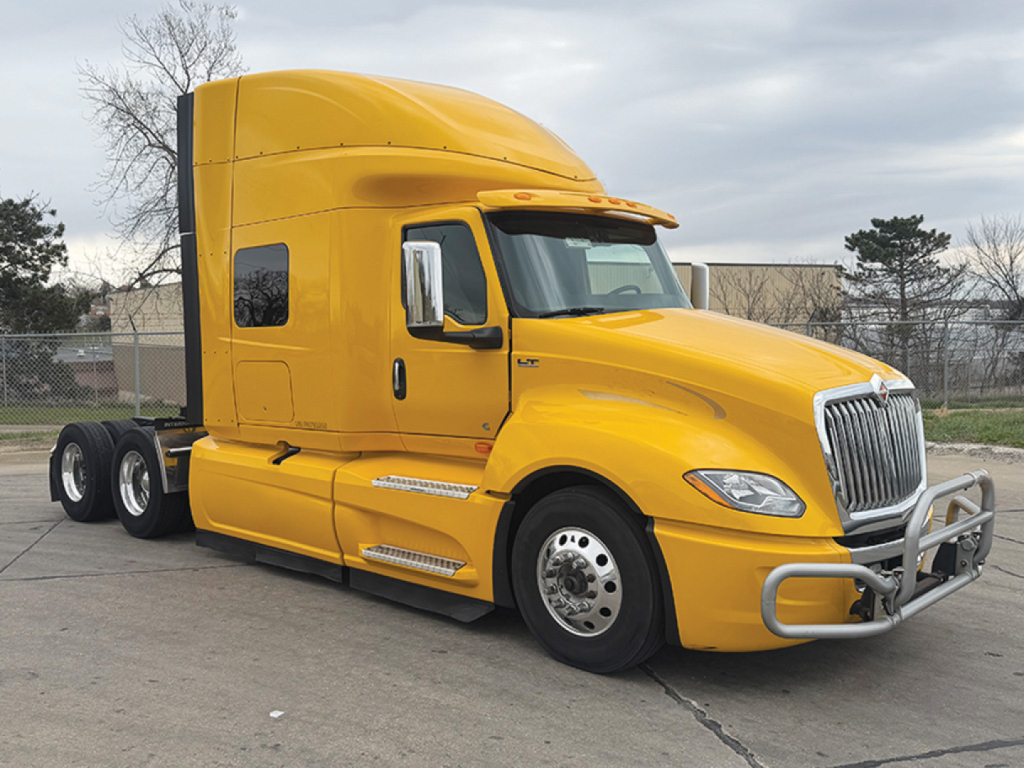
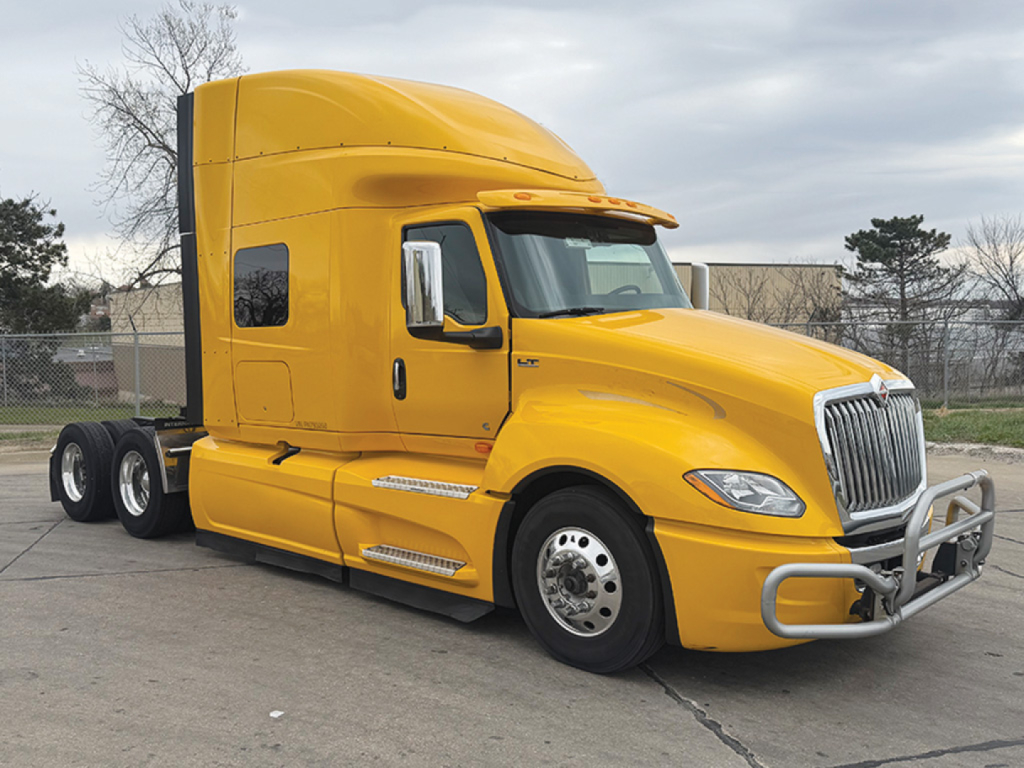
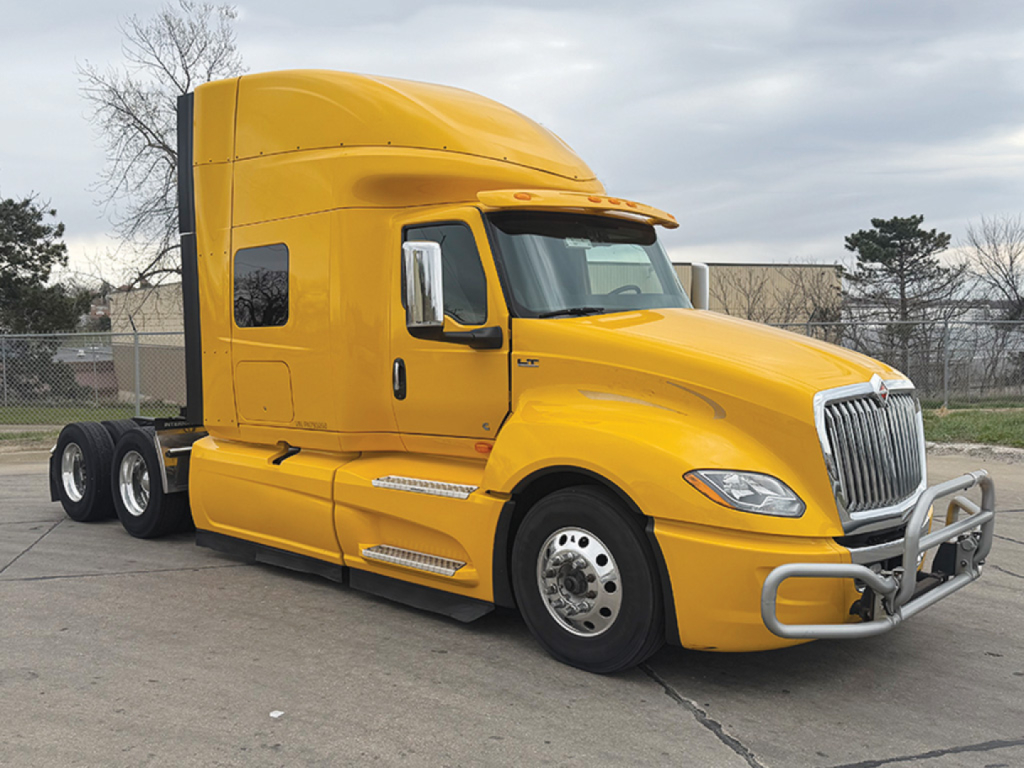
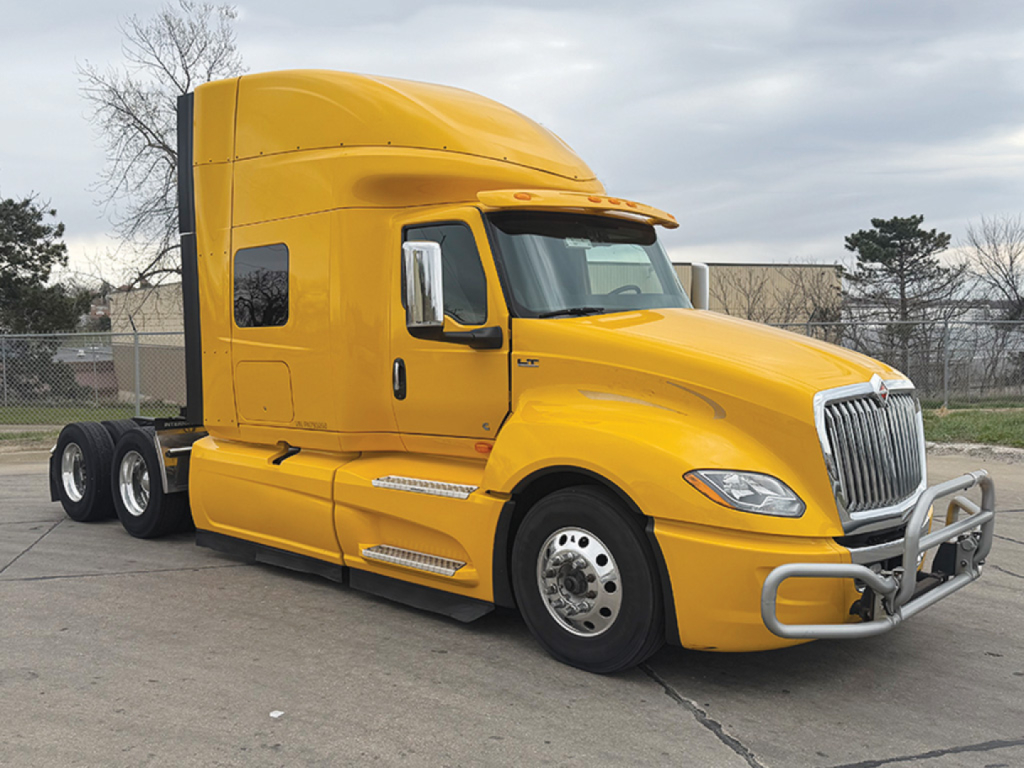
Sleeper configuration matters as much as drivetrain. International conventional sleepers are often equipped with 73-inch hi-rise sleepers that give drivers enough room for long trips and multi-day dispatches. Common amenities include APUs, refrigerators, storage cabinets, power accessories, and integrated HVAC controls. Exterior specs such as roof fairings, side extenders, quarter fenders, deer guards, and horizontal exhaust can also tell you a lot about the truck's intended duty cycle and how well it was set up for linehaul work in the Midwest and other high-mileage regions.
For buyers in Nebraska, an International sleeper truck is a practical fit for long stretches of interstate freight, agricultural support lanes, refrigerated freight, dry van, and general OTR applications. The main inspection points are the emissions system history, brake type, tire wear pattern, fifth wheel travel, suspension condition, and sleeper equipment operation. International's LT platform is well known for a tighter turning feel than some highway tractors, a driver-friendly dash layout, and specs that suit carriers looking for a cost-conscious long-haul tractor without giving up modern comfort and aerodynamics.
Frequently Asked Questions about International Conventional Sleeper Trucks in Nebraska
What engine is most common in International conventional sleeper trucks?
A common engine in late-model International conventional sleeper trucks is the Cummins X15. It is widely used in long-haul applications because it offers strong parts support, multiple horsepower ratings, and good compatibility with fuel-efficient axle ratios and automated transmissions. Buyers should confirm the exact horsepower, torque setting, and emissions configuration because the same X15 platform can be spec'd very differently depending on the truck's original job.
What sleeper size is typical on an International LT625?
A 73-inch hi-rise sleeper is one of the most common configurations on an International LT625. That size is popular for over-the-road work because it gives enough standing room and storage for extended trips without pushing the wheelbase into an impractical range. When comparing trucks, it is worth checking for added features such as an APU, refrigerator, bunk heater, cabinet layout, and inverter prep because these details affect driver comfort and idle time.
Are International conventional sleeper trucks good for fuel-efficient highway freight?
Yes, many International conventional sleeper trucks are spec'd specifically for fuel-efficient highway operation. Aerodynamic packages, automated transmissions, and taller rear axle ratios such as 2.47 or 2.64 are common on linehaul units. Fuel economy still depends on route profile, cruise speed, trailer type, and gross weight, so buyers should match the rear ratio and engine rating to the freight they actually plan to pull.
What should I inspect first on a used International sleeper tractor?
Start with the powertrain and operating systems that affect uptime. Review engine hours, idle hours, service records, aftertreatment history, transmission operation, and any fault code history if available. Then inspect the fifth wheel, suspension, brakes, tires, and sleeper accessories. On a highway tractor, uneven tire wear, loose fifth wheel travel, inoperative APU components, or unresolved emissions work can change the truck's real value quickly.
What trailers can an International conventional sleeper truck typically pull?
Most International conventional sleeper tractors in this class are set up to pull dry van, refrigerated, and many flatbed or general freight trailers, depending on the fifth wheel setup and drivetrain spec. A tandem axle highway tractor with a 40,000 lb rear axle rating is a standard configuration for interstate freight. The right match depends on kingpin setting, sliding fifth wheel travel, wheelbase, axle ratio, and the weight profile of the loads you plan to run.