
International Conventional Sleeper Trucks For Sale
International conventional sleeper trucks, including LT, ProStar and LoneStar. Engines, sleeper sizes, transmissions, fuel economy and safety tech insights.
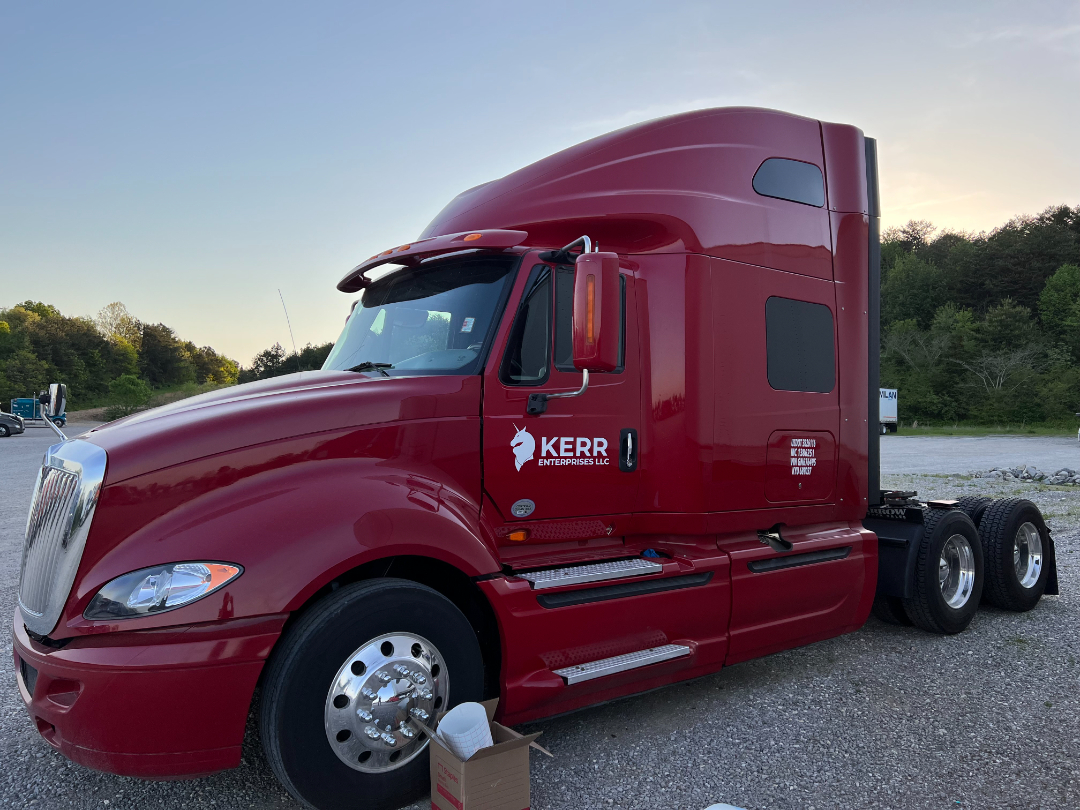
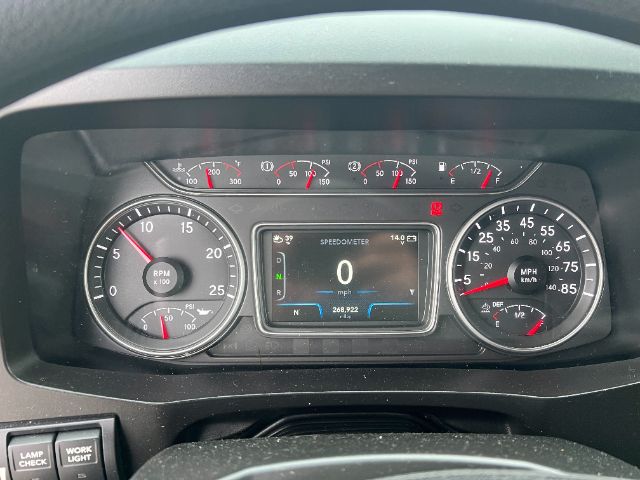

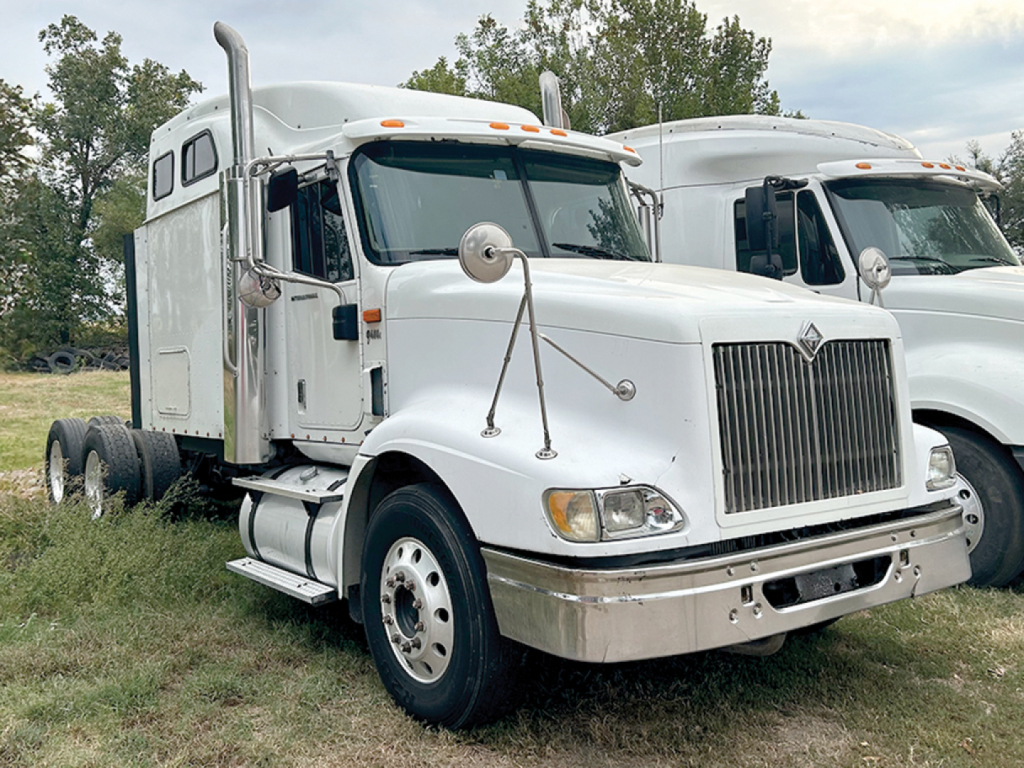
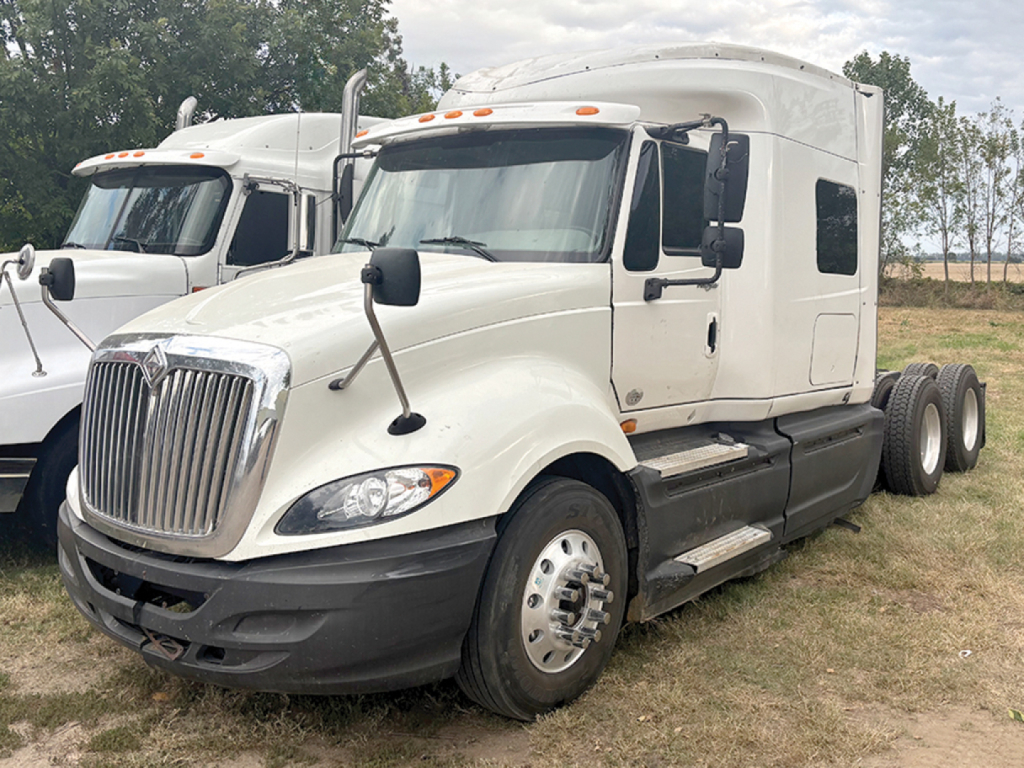
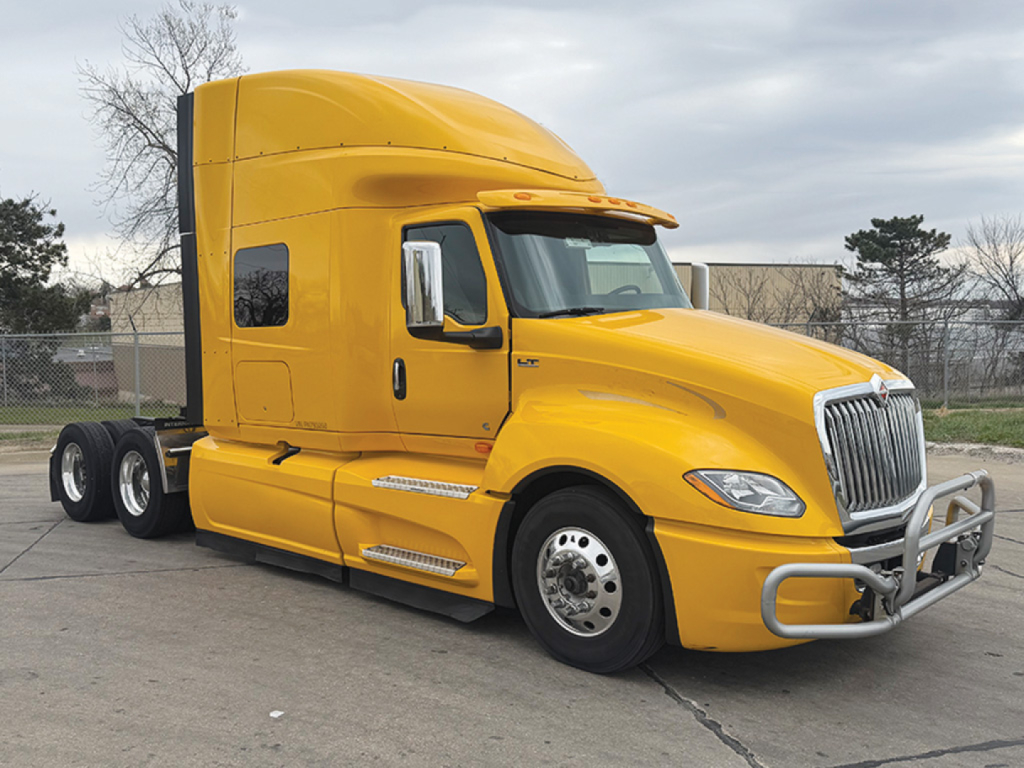
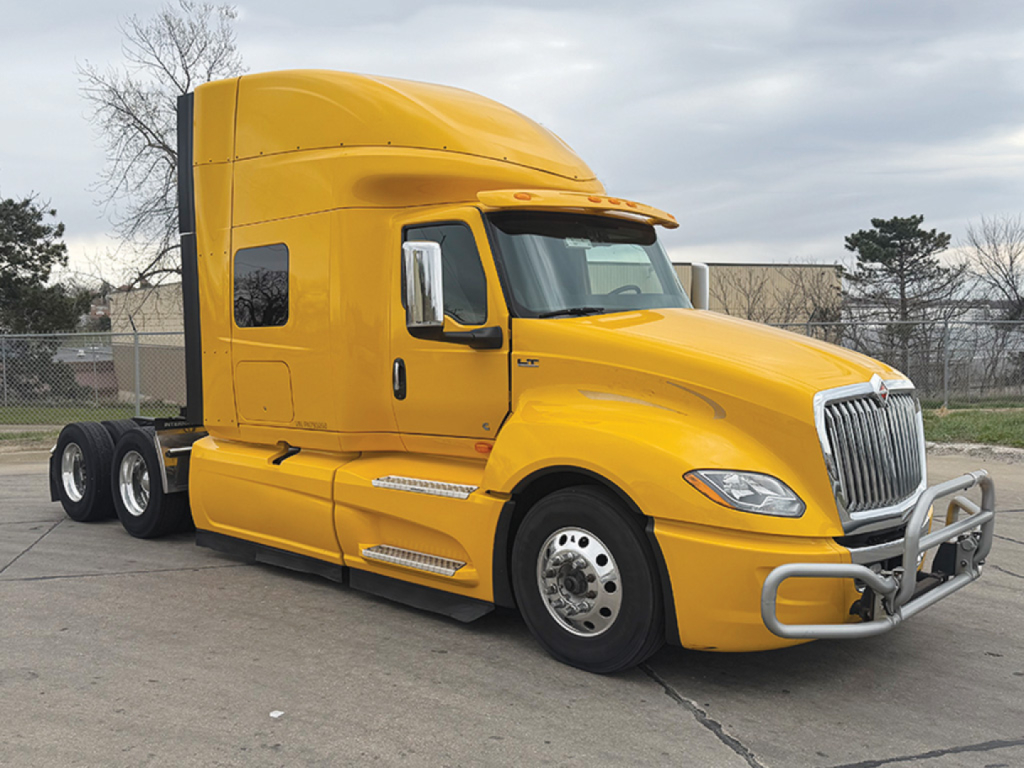
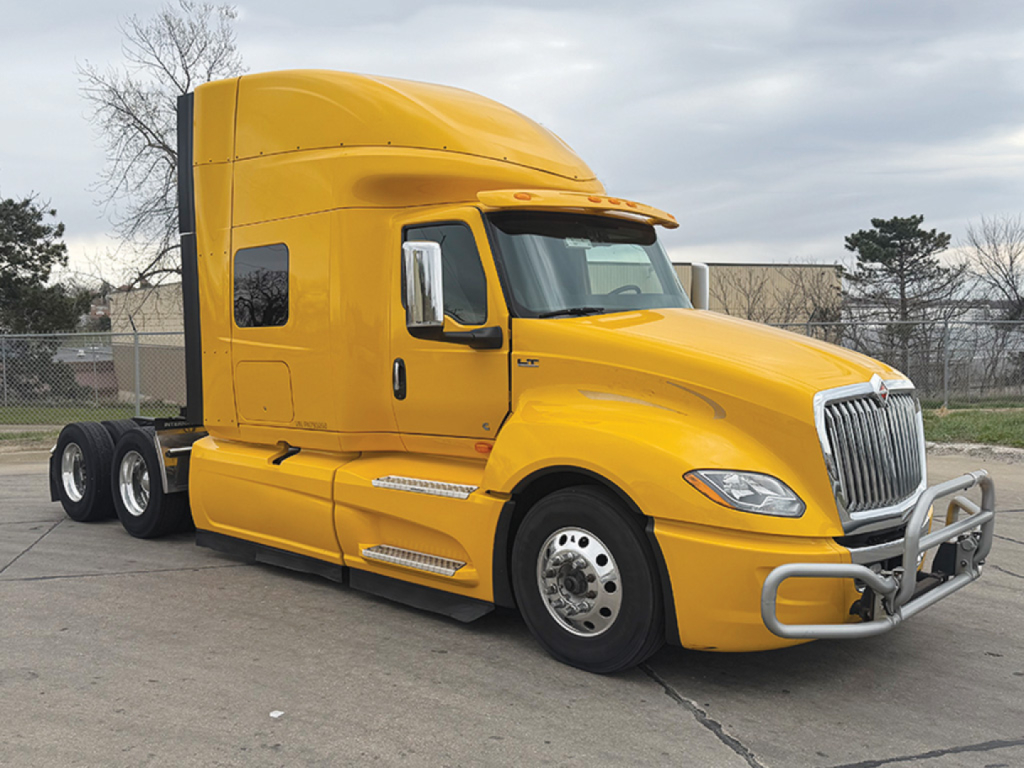
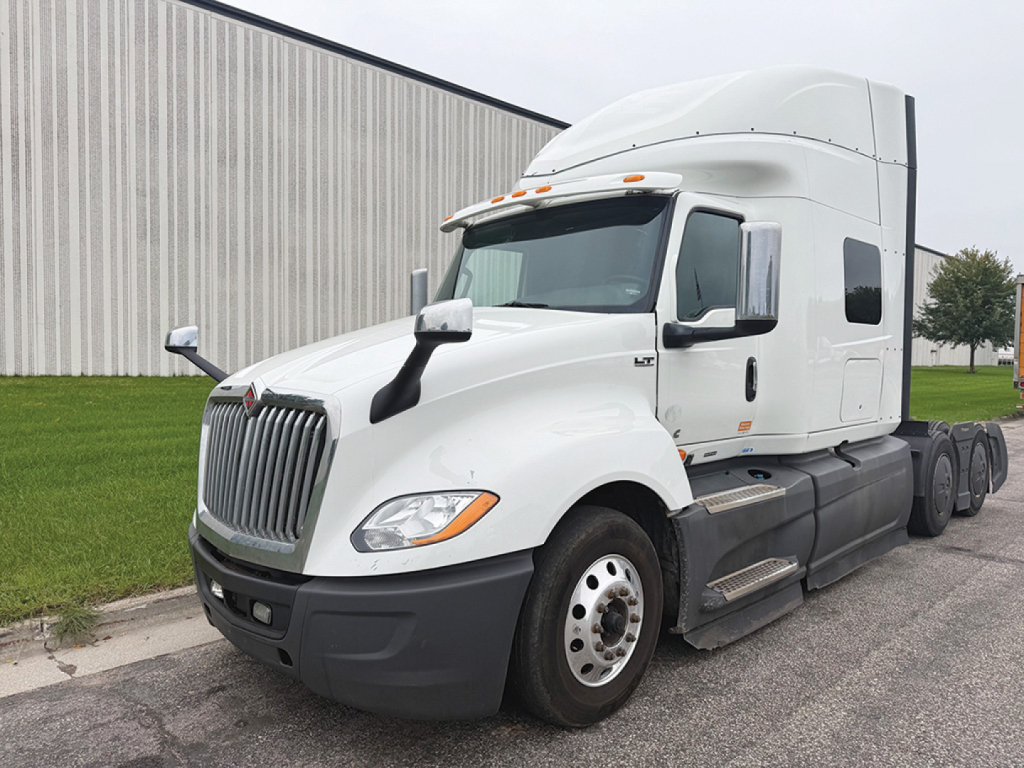
Showing 1 to 28 of 62 results
Selling a international conventional sleeper truck? List your international conventional sleeper truck for sale and reach thousands of commercial buyers.
International Conventional Sleeper Trucks
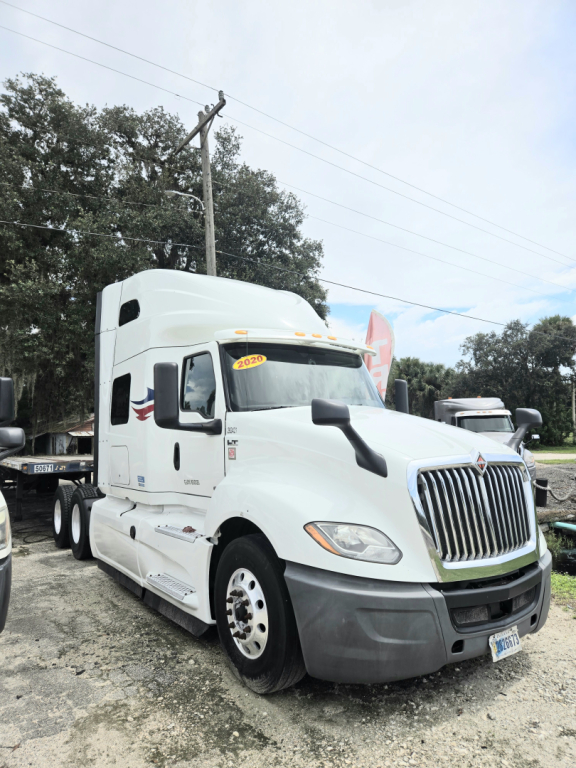
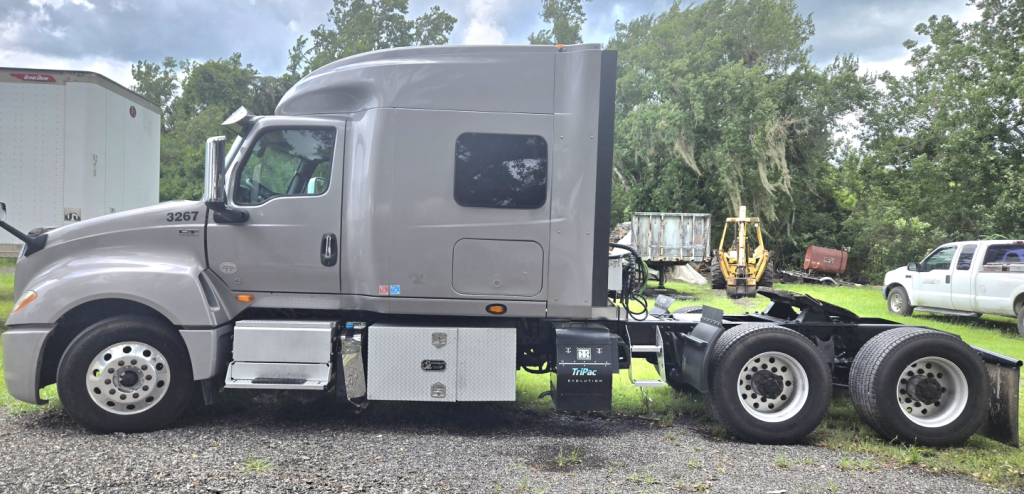
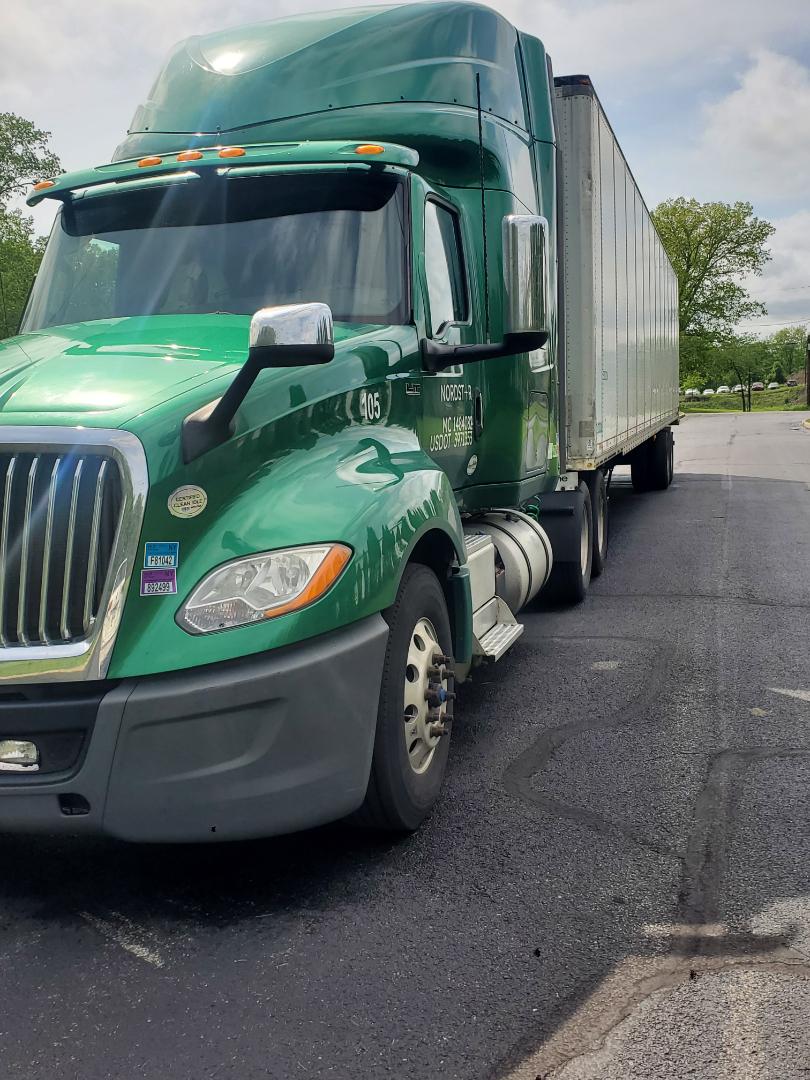
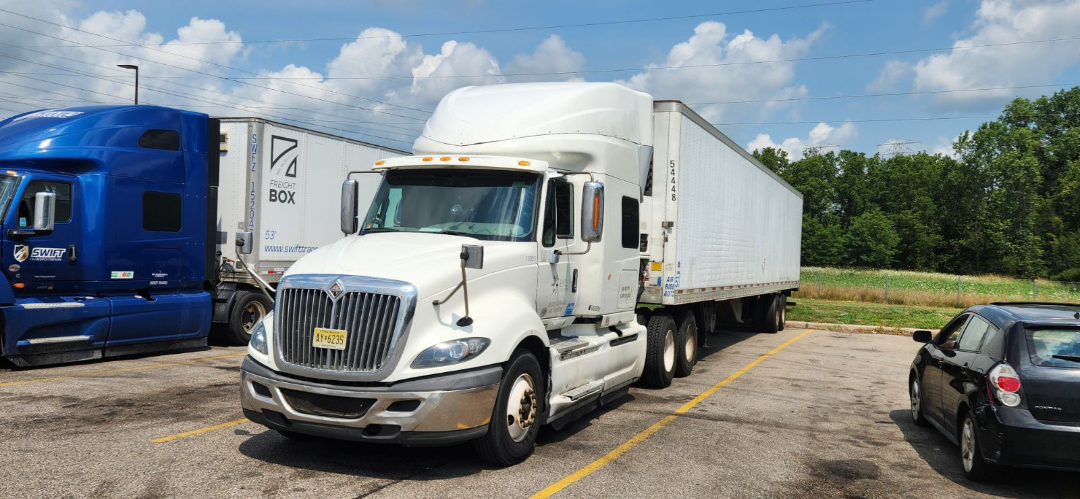
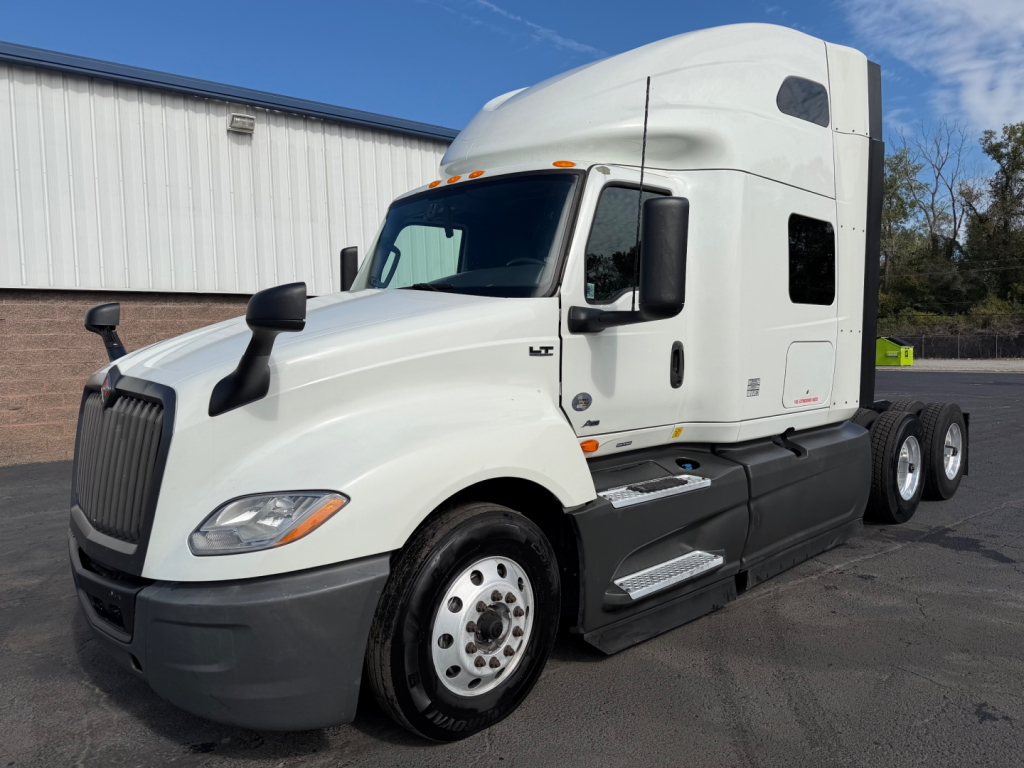
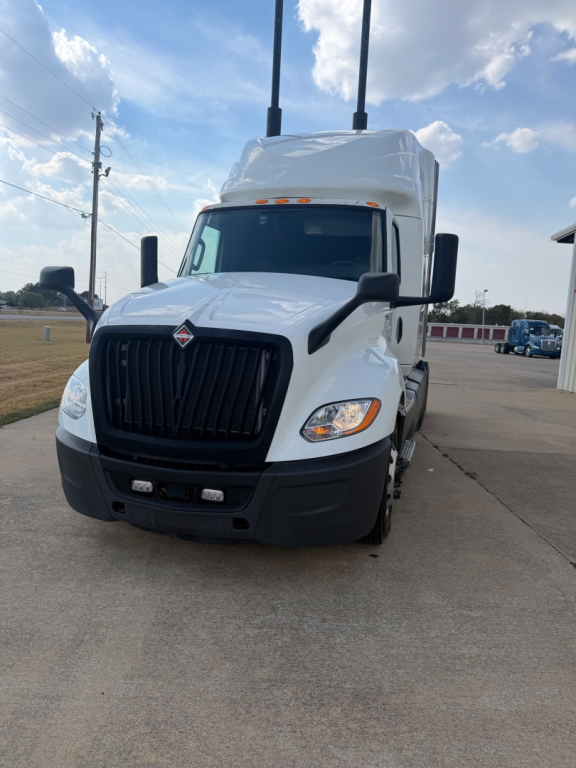
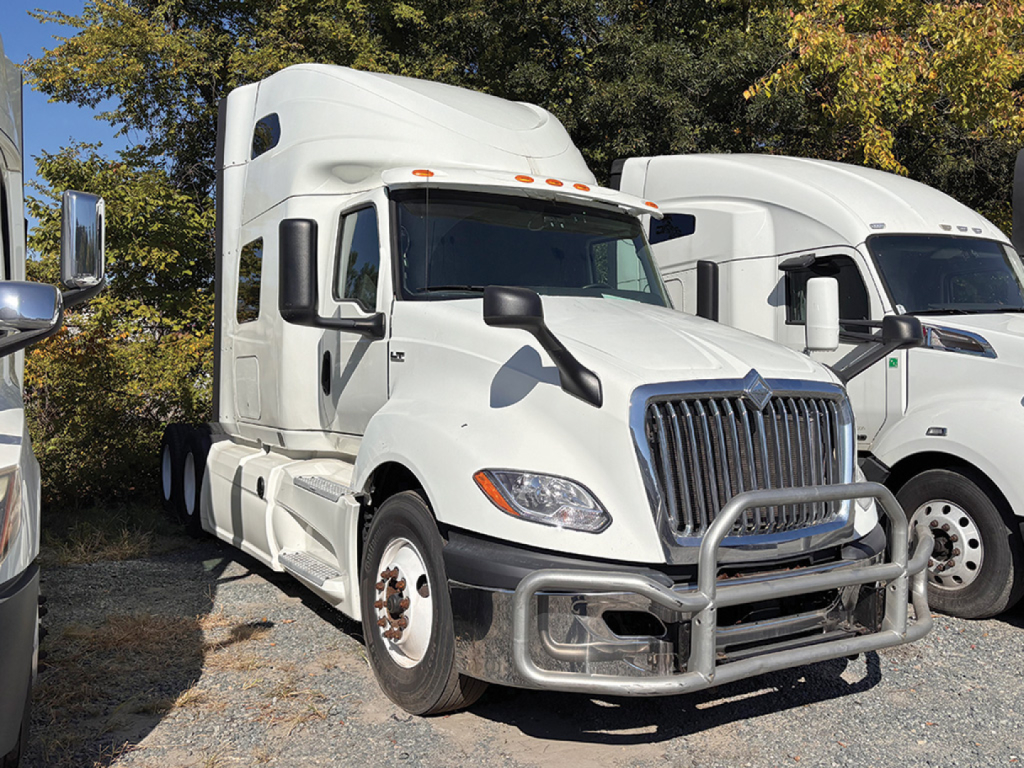
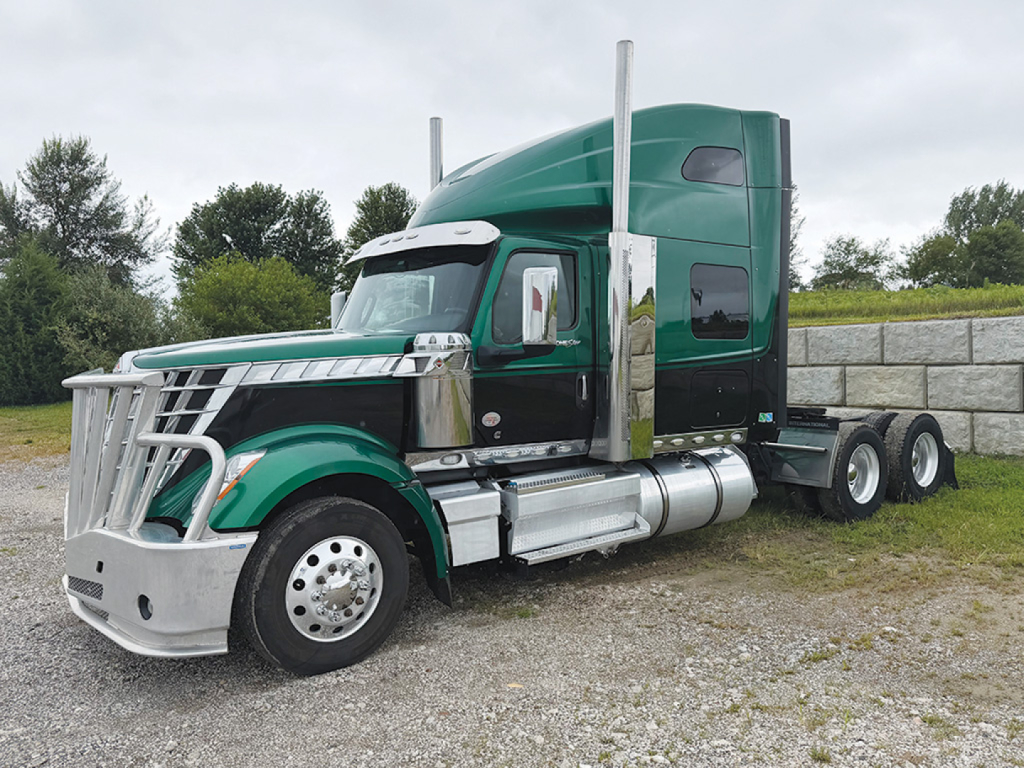
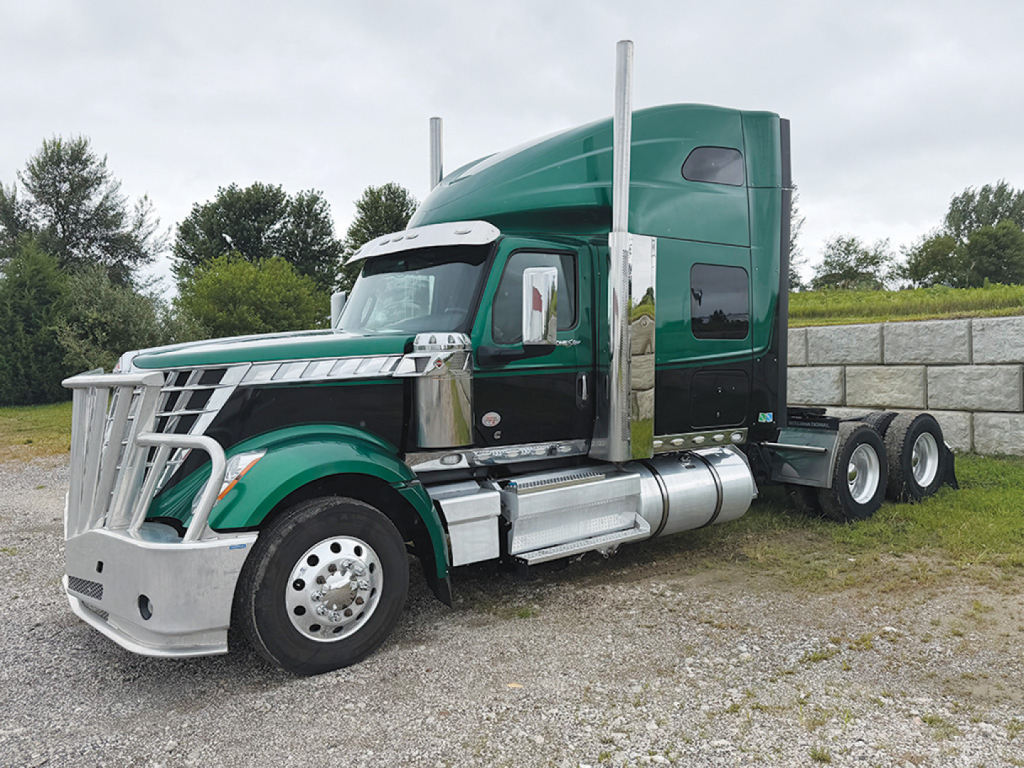
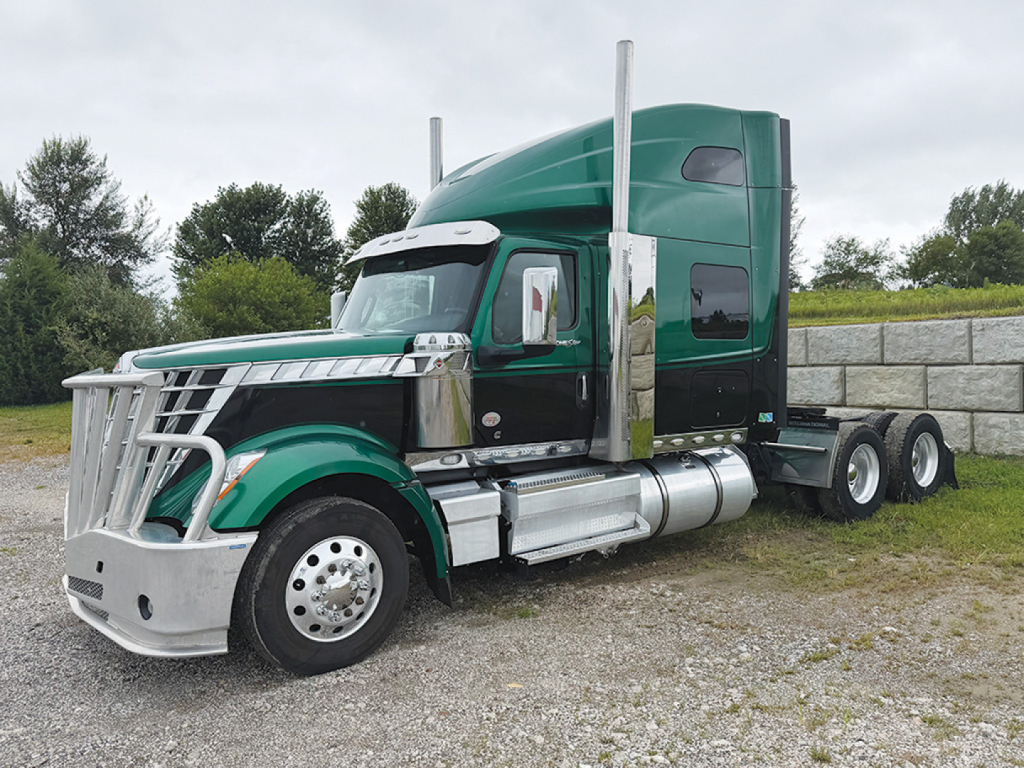
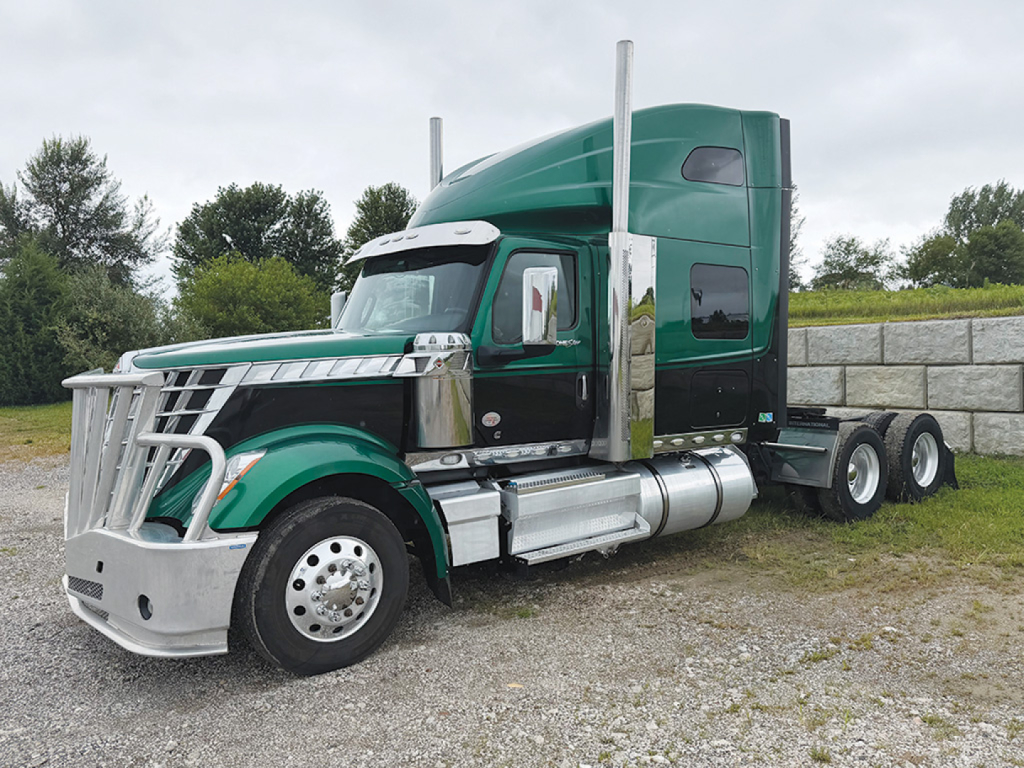
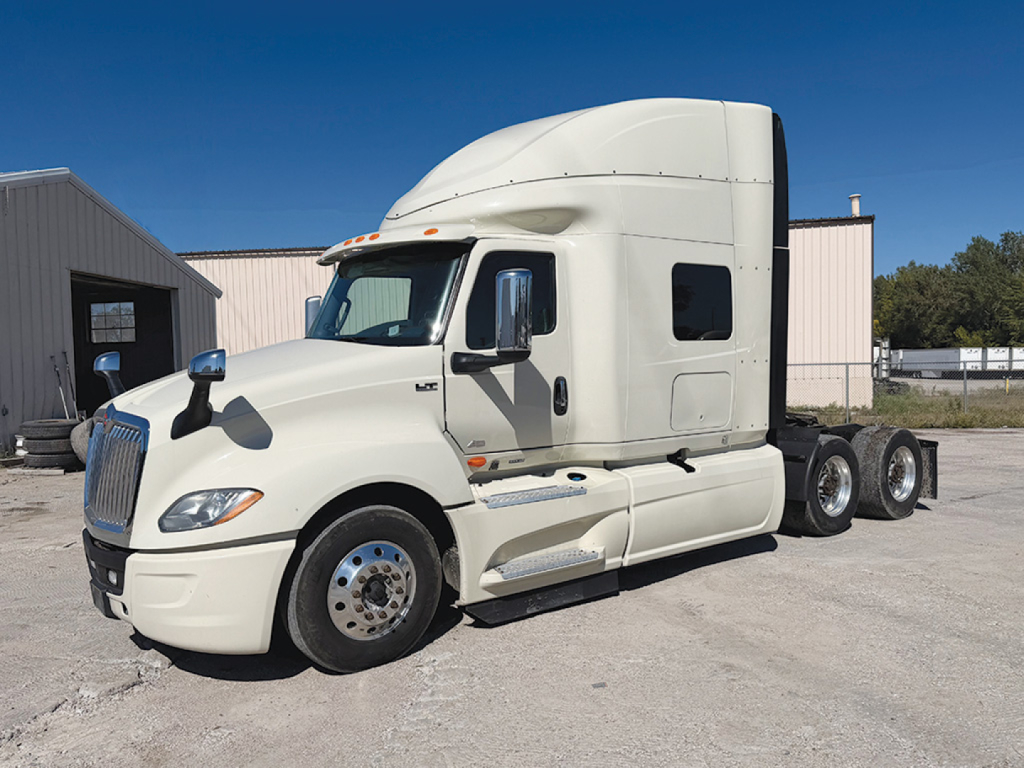
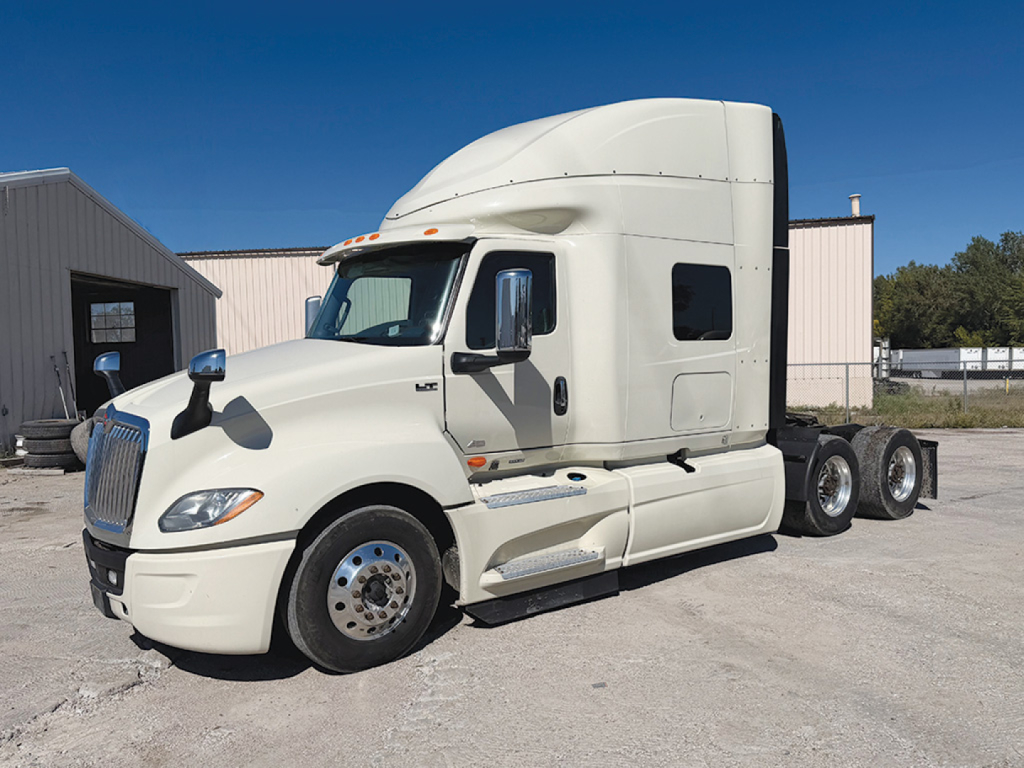
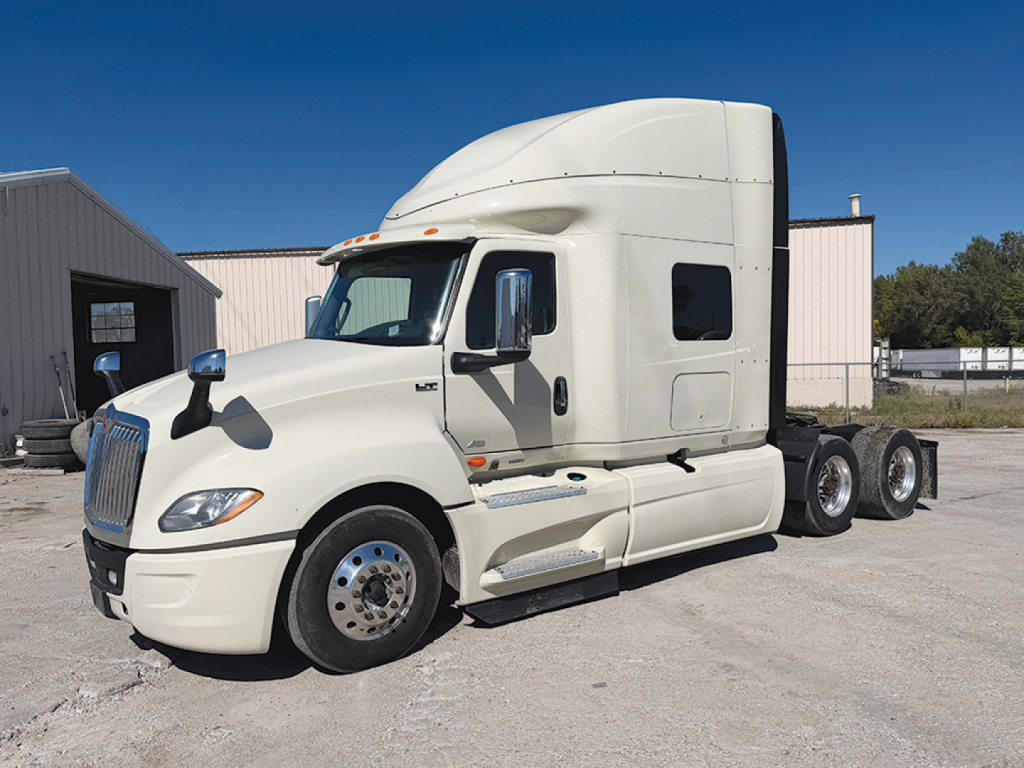
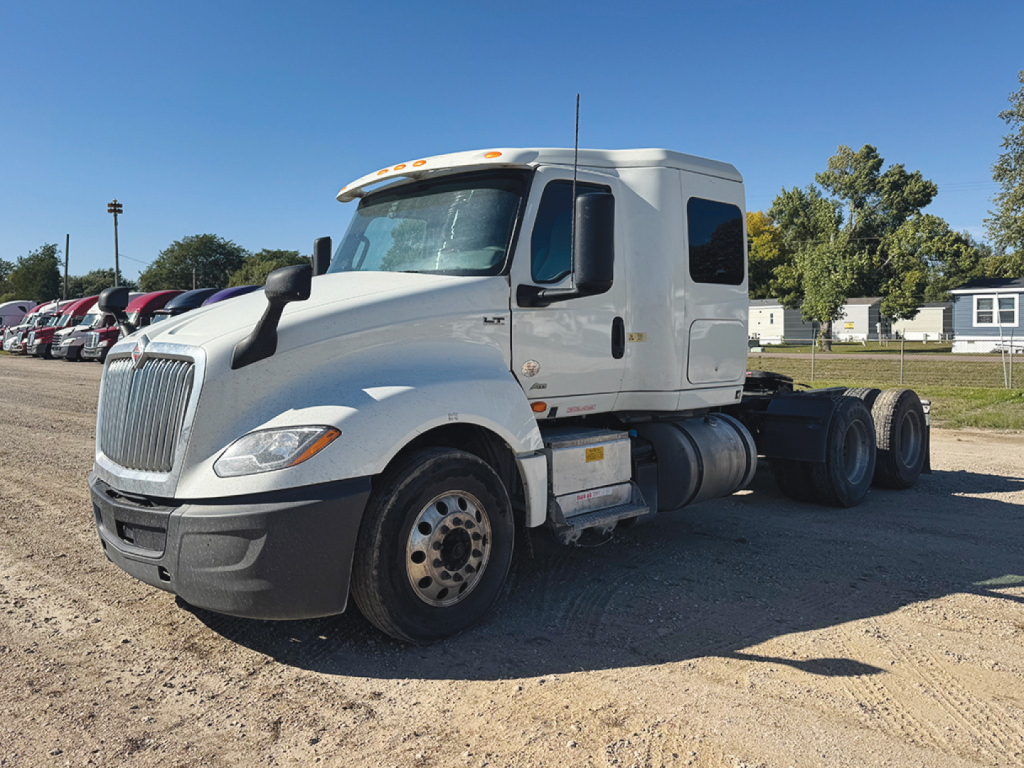
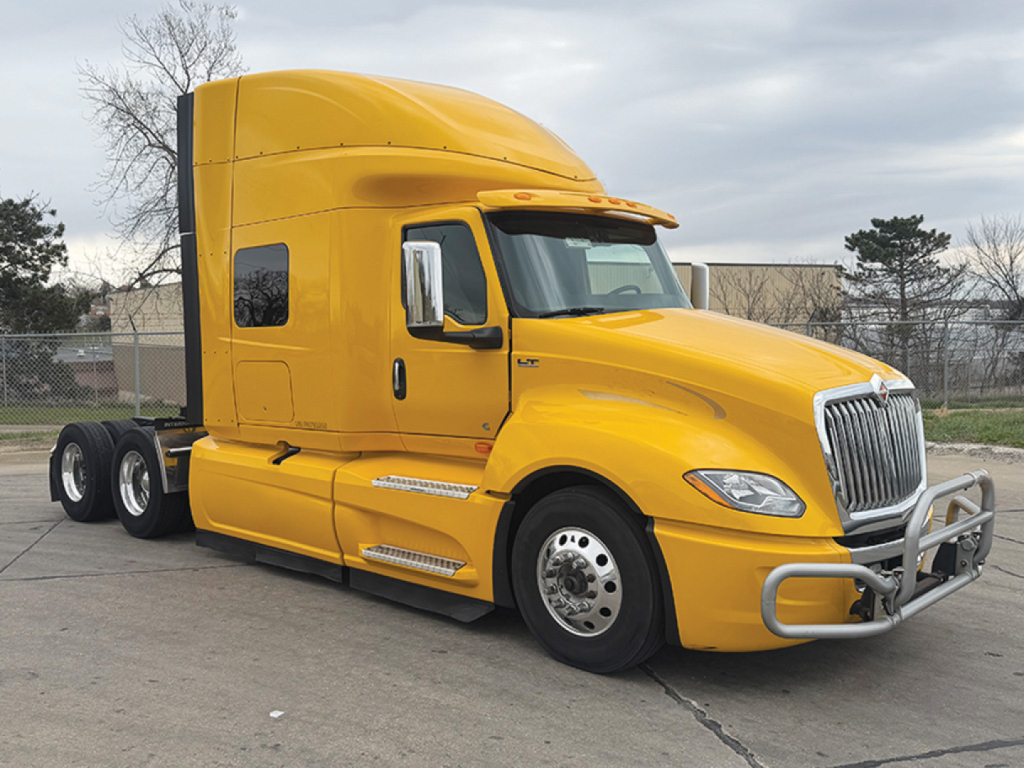
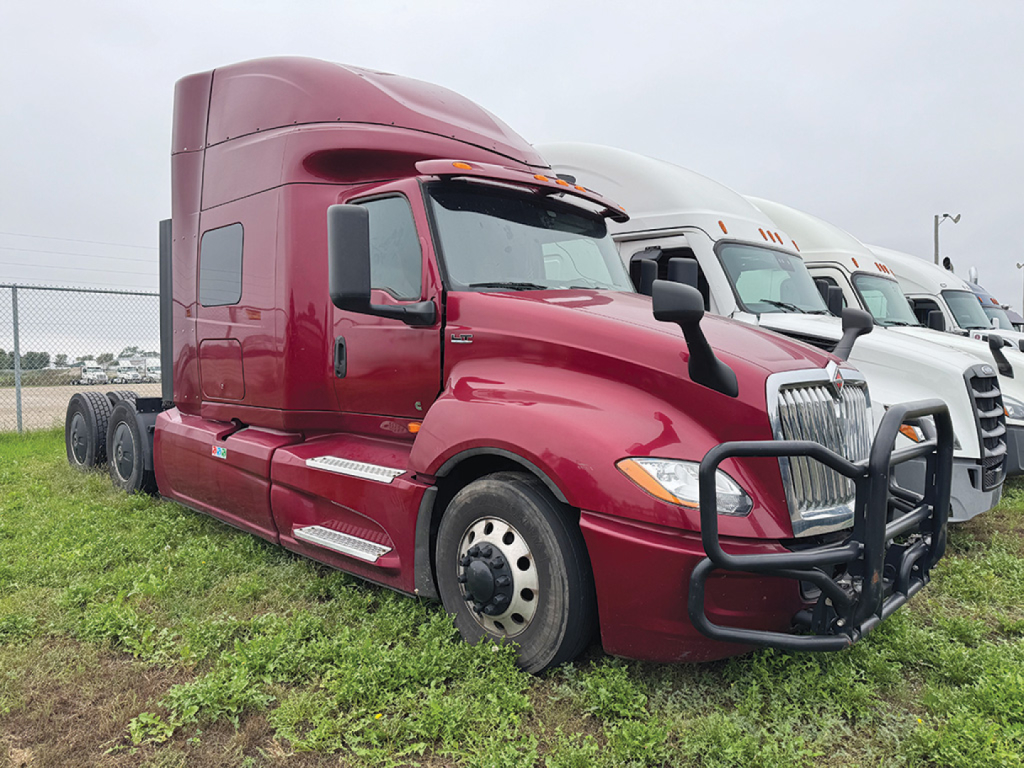
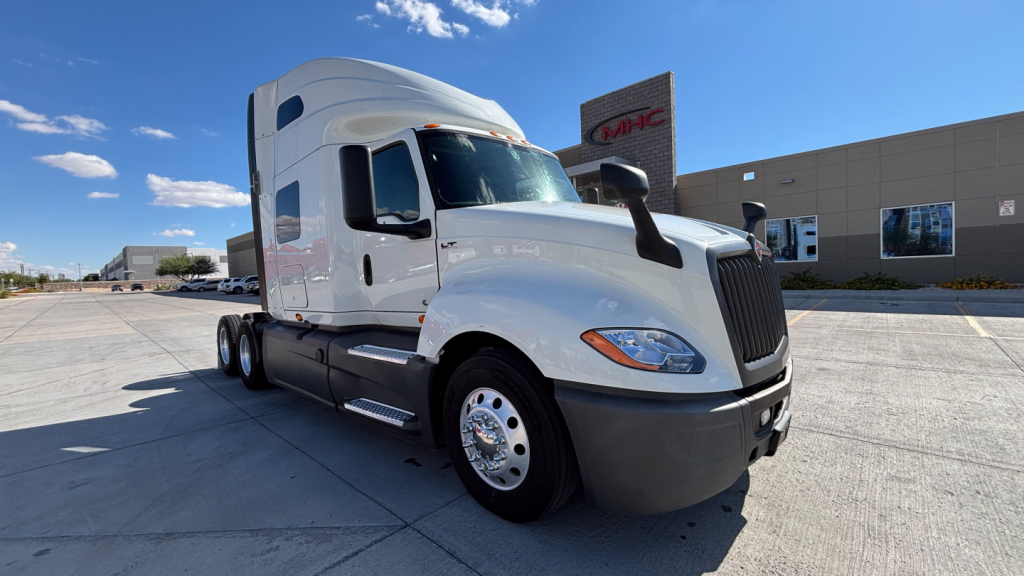
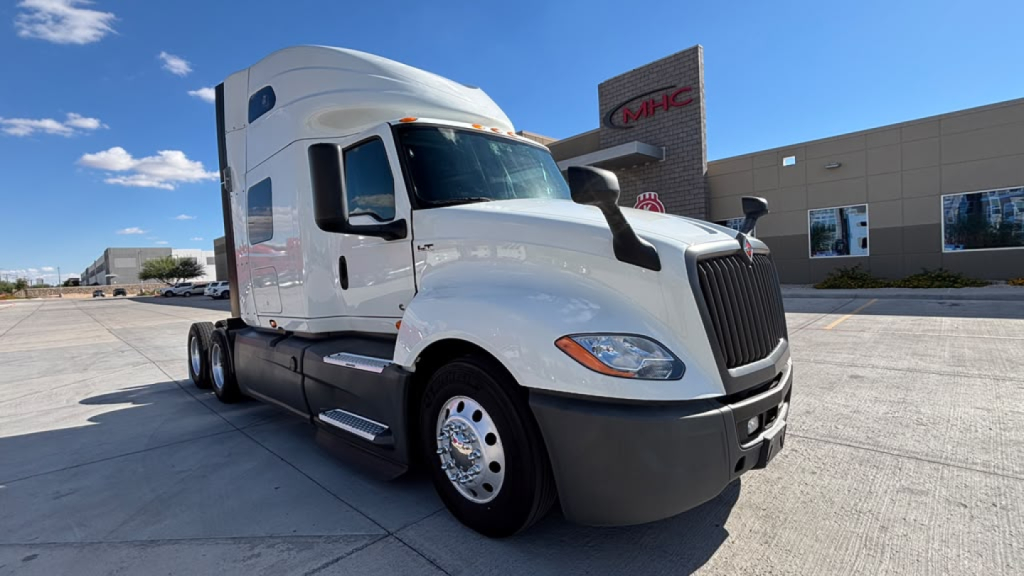
The model line shapes your operating cost. The LT Series is the most aerodynamic and quietest cab International has built, offering the best chance at 7 to 9 mpg when matched with chassis skirts, roof fairings and predictive cruise. ProStar delivers similar aero benefits in earlier model years at a lower acquisition cost, though electronics and HVAC refinements improved over time. LoneStar and legacy 9900i emphasize styling and hood length, trading some aero gains for driver appeal and underhood space. Sleeper configurations range from compact 56 inch boxes for regional work to 73 and 76 inch Hi-Rise and Sky-Rise sleepers with double bunks, workstation tables, refrigerator preps and battery HVAC or diesel APU options to cut idle.
Transmission and axle choices set the tone for driveability. Automated manuals like Eaton Endurant and UltraShift Plus dominate late-model LTs for smooth launches, fast shifts and integrated cruise downspeeding. Traditional 10, 13 or 18 speed Eaton Fuller manuals still shine in mixed terrain and heavy haul where precise control matters. Common axle sets include 12k or 13.2k steer with 38k to 46k rears, wheelbases from 220 to 250 inches for 72 to 76 inch sleepers, and tank packages from 150 to 250 gallons total. Meritor or Dana rears with ratios from about 2.15 to 3.70 align with direct or overdrive top gears, and tire choices like 22.5 low profile vs 24.5 standard affect ride height, gearing and rolling resistance. International air ride or Hendrickson rear suspensions balance stability and comfort, while options like automatic tire inflation, aluminum wheels and disc brakes trim weight and improve uptime.
Total cost of ownership hinges on uptime features and maintenance planning. Bendix collision mitigation, lane departure and adaptive cruise are common on later LTs and can lower incident rates. OnCommand Connection remote diagnostics helps track fault codes, aftertreatment status and PM intervals. Expect oil change intervals around 25k to 50k miles depending on duty cycle and oil spec, and plan for DPF cleanings roughly between 300k and 500k miles. For used purchases, verify software updates, injector and fuel system work on high mileage A26 or X15 engines, aftertreatment replacement history, cab HVAC performance and any sleeper electrical repairs. The right combination of aero package, powertrain integration and sleeper amenities will show up in fuel receipts, driver retention and residual value.
Frequently Asked Questions about International Conventional Sleeper Trucks
What is the difference between the International A26 and the Cummins X15 in sleeper tractors?
The A26 is a 12.4L engine that emphasizes weight savings and fuel economy, typically rated 400 to 515 hp with up to 1,850 lb-ft, ideal for 80k GCW linehaul and regional freight. The Cummins X15 is a 15L platform usually 450 to 565 hp with 1,650 to 1,850 lb-ft, better for hilly terrain, heavier loads or long combination vehicles. The A26 often returns better mpg and payload, while the X15 provides more low speed grunt and brake horsepower for grades.
How do the LT, ProStar and LoneStar compare for fuel economy and driver comfort?
The LT Series carries the newest cab, the most refined aerodynamics and the quietest interior, giving it the best fuel economy potential when paired with aero fairings and an automated transmission. ProStar offers strong aero for earlier model years with a simpler electrical architecture and good parts availability. LoneStar prioritizes styling and a longer hood, trading some aero advantage for driver appeal and underhood access. All three can be spec’d with 73 to 76 inch sleepers and amenities like double bunks and refrigerators.
Which rear axle ratio should I choose for an International conventional sleeper?
Match the ratio to your top gear and route profile. Downsped direct-drive setups often use ratios near 2.15 to 2.64 for flat, high-speed lanes to reduce engine rpm and fuel burn. Overdrive transmissions pair well with mid ratios like 2.64 to 3.08. Mountainous routes or heavy haul may benefit from shorter ratios in the 3.25 to 3.70 range to keep the engine in its torque band on grades. Tire size, governed speed and desired cruise rpm should be considered together.
Are there model years I should pay extra attention to regarding emissions systems?
Units from 2010 to 2014 with EGR-only strategies require careful evaluation of aftertreatment condition, software updates and maintenance records. From 2015 forward, International adopted SCR with DEF across the board, and later LT models with A26 or Cummins X15 generally show more consistent emissions performance. Regardless of year, review regen history, DPF cleaning or replacement, and any DOC, SCR or NOx sensor work.
Is an automated manual transmission better than a manual for long haul?
Automated manuals like Eaton Endurant and UltraShift Plus optimize shift timing, enable predictive cruise features and reduce driver fatigue, which helps fuel economy and consistency across drivers. Manuals remain a good fit for fleets that value driver control in mixed terrain or heavy haul, and they can simplify some repairs. Total cost depends on duty cycle, driver preference and how well the AMT’s ratio and shift strategy align with your routes.