
2020 International Conventional Sleeper Trucks For Sale
Shop 2020 International conventional sleeper trucks. Compare LT specs, sleeper sizes, Cummins power, axle ratios, and long-haul features.
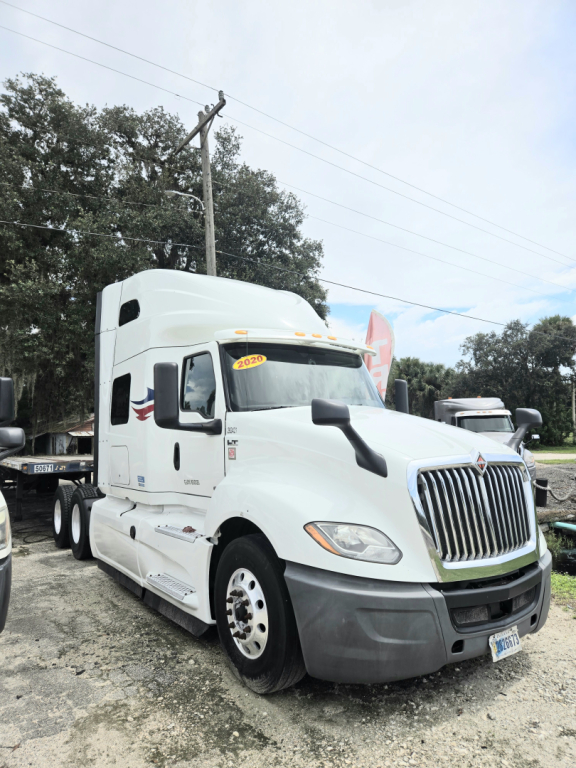
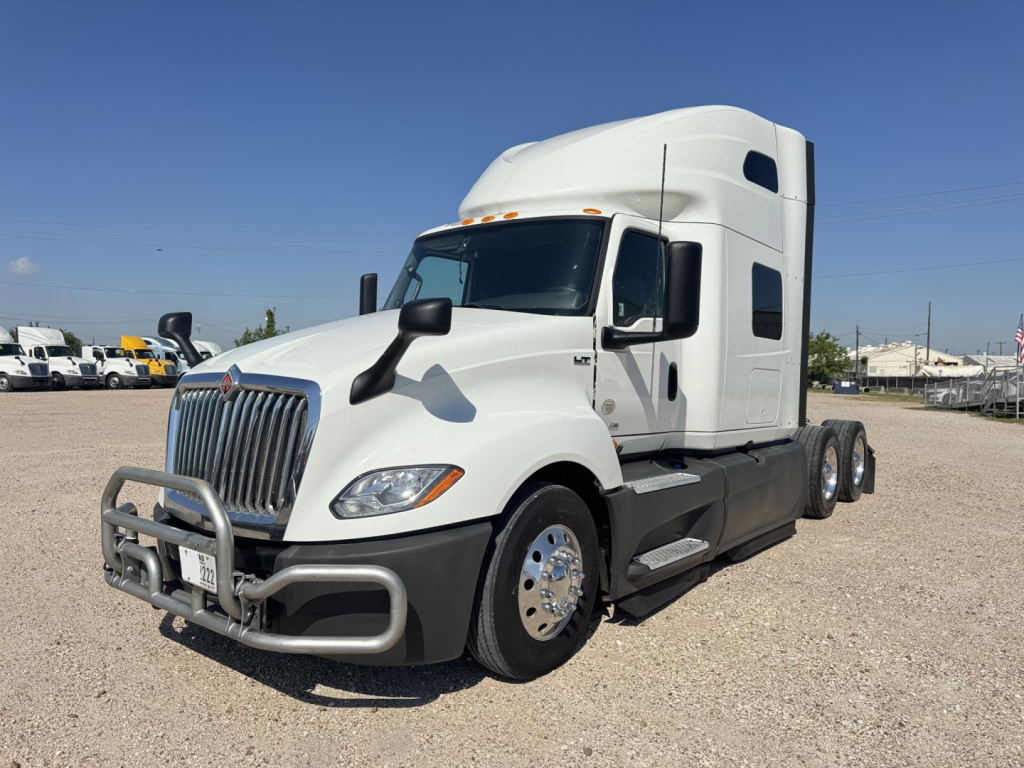
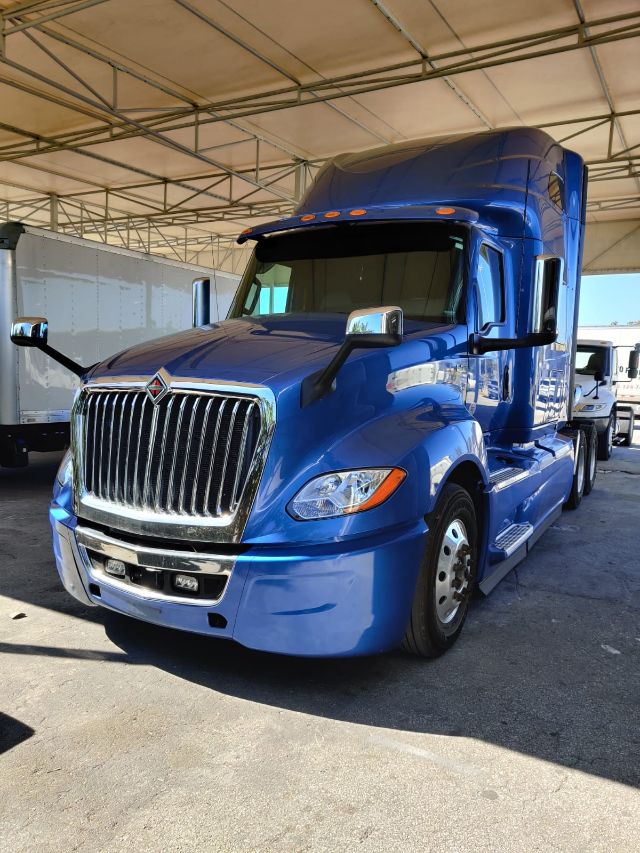

Selling a 2020 international conventional sleeper truck? List your 2020 international conventional sleeper truck for sale and reach thousands of commercial buyers.
2020 International Conventional Sleeper Trucks
The sleeper configuration is a major buying point on these trucks. International LT sleepers are commonly set up with 73-inch Sky-Rise or similar high-roof sleepers that give the driver enough room for an upper bunk, storage, and stand-up interior space. If the truck is going to spend most of its life on multi-day runs, look closely at bunk heater setup, HVAC performance, interior cabinet condition, and how the sleeper layout supports downtime. A clean cab matters, but on a sleeper truck the more important questions are how well the seals, insulation, bunk equipment, and electrical accessories have held up. Those details affect driver retention and daily usability more than cosmetic appearance alone.
On the chassis side, 2020 International conventional sleepers are commonly spec'd with air ride suspension, sliding fifth wheels, disc or drum brake setups, dual aluminum fuel tanks, and aerodynamic fairings with cab extenders and quarter fenders. Wheelbase often lands in the low-220 to upper-230 inch range, which influences trailer gap, bridge compliance, and maneuverability. Buyers should verify front axle capacity, wheelbase, kingpin setting compatibility, and fuel capacity against the lanes the truck will actually run. A truck built for long, light van freight can feel very different from one intended for heavier reefer or mixed-freight work, even when both carry the same LT badge.
For a used 2020 International sleeper, the smartest evaluation is usually a full operating-cost review rather than a simple horsepower comparison. Check aftertreatment service history, fault codes, idle hours, transmission calibration, brake wear, tire condition, and signs of fairing or hood damage that may point to prior highway incidents. International's conventional sleeper trucks are popular because they can be spec'd for efficient linehaul work while still offering a practical driver environment. When the engine rating, axle ratio, sleeper size, and wheelbase are matched to the job, a 2020 International conventional sleeper can be a strong fit for both fleet replacement cycles and single-truck operations.
Frequently Asked Questions about 2020 International Conventional Sleeper Trucks
What engine and transmission are common in a 2020 International conventional sleeper truck?
Most 2020 International conventional sleeper trucks in highway service are spec'd with a Cummins X15 engine, often in the 400 to 450 horsepower range, and an automated manual transmission from Eaton or a similar platform. That combination is common because it balances fuel efficiency, driver familiarity, and broad service support. The exact calibration matters as much as the headline horsepower, so buyers should review torque rating, transmission model, and axle ratio together.
What sleeper size is typical on a 2020 International LT?
A common configuration is a 73-inch high-roof sleeper, often referred to as a Sky-Rise sleeper. This setup usually includes stand-up room, bunk space, overhead storage, and a layout suited for over-the-road use. For long-haul buyers, the practical condition of the sleeper is important, including bunk heater function, A/C performance, cabinet integrity, and sleeper seal condition.
How do axle ratios affect a 2020 International sleeper truck?
Axle ratio directly affects cruise rpm, fuel economy, launch performance, and how the truck handles grades with a loaded trailer. Ratios such as 2.64 are often chosen for fuel-efficient highway operation on flatter lanes, while 2.79 or 2.85 may better suit mixed terrain or heavier freight. The best ratio depends on trailer type, gross weight, average road speed, and the routes the truck will run most often.
What should I inspect first on a used 2020 International conventional sleeper?
Start with service records, engine hours, idle hours, aftertreatment history, and any active or stored fault codes. Then inspect the transmission operation, brake condition, tire wear pattern, suspension, and the sleeper's HVAC and electrical systems. On aerodynamic highway tractors, it is also important to check hood alignment, fairings, cab extenders, and quarter fenders for repaired damage that could indicate prior collisions or ongoing fitment issues.
Is a 2020 International sleeper better suited for long-haul or regional work?
It can work well in either role, depending on the spec. A high-roof sleeper with larger fuel capacity, tall highway gearing, and an air-slide fifth wheel is often aimed at long-haul van or reefer service. A shorter wheelbase or different gearing may make more sense for regional freight where maneuverability, frequent stops, and mixed terrain are bigger factors. The intended lane structure should guide the buying decision more than the model name alone.