
2020 International Conventional Sleeper Trucks For Sale in Nevada

Have 2020 international conventional sleeper truck to sell? List it here to reach thousands of buyers.
2020 International Conventional Sleeper Trucks in Nevada
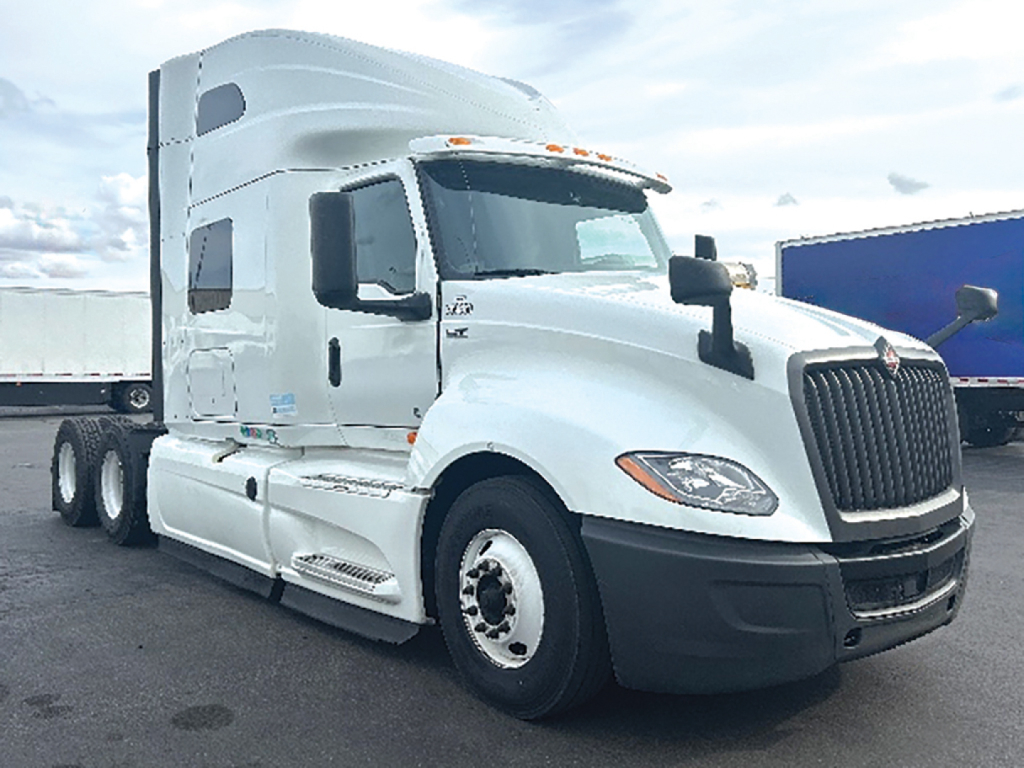
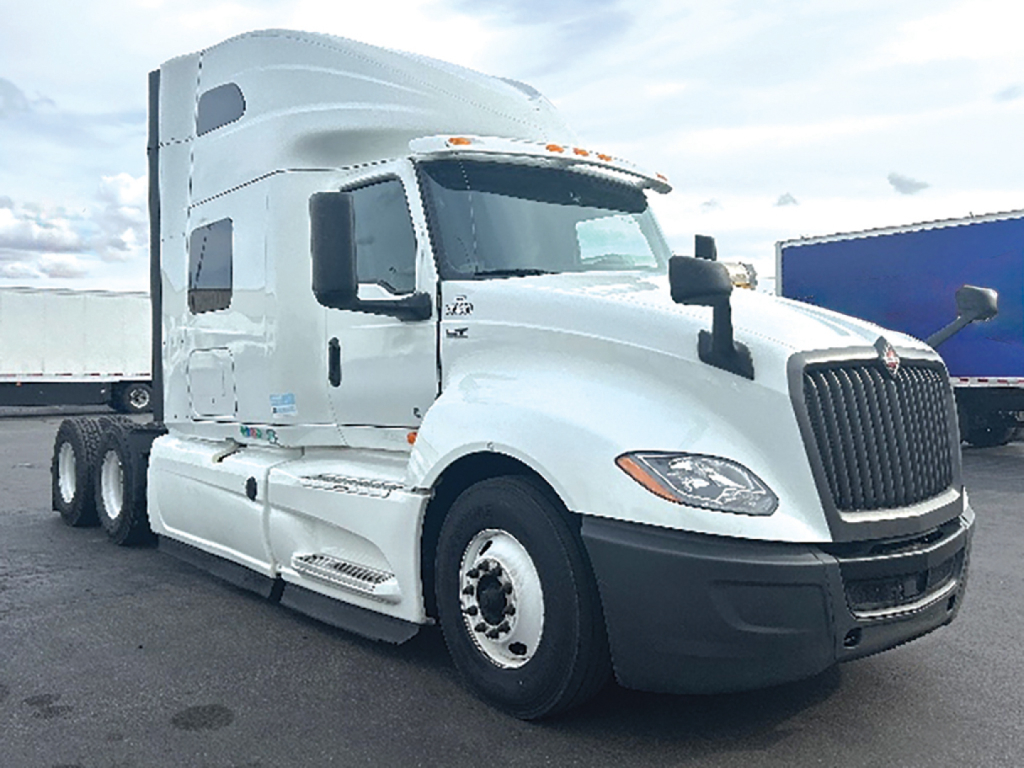
The biggest buying decision usually starts with the engine and driveline. Many 2020 International sleepers are spec'd with the Cummins X15 in ratings around 400 to 450 hp, often backed by an automated manual or full automatic-style transmission setup favored by large fleets. A 40,000-pound rear axle rating and a highway-friendly ratio such as 3.25 are common on fleet LT625 sleepers, giving a balance between fuel mileage and usable pulling power. Wheelbase, fifth-wheel travel, and fuel capacity also deserve close attention because they affect trailer gap, bridge law flexibility, and how well the truck fits a mixed freight operation. Air ride suspension, engine brakes, and disc brake configurations are all valuable features to confirm when comparing units.
Sleeper configuration matters more than many buyers expect. A 73-inch hi-rise sleeper is a common setup in this class and gives enough room for an upper bunk, storage, and amenities that support team driving or longer dispatch cycles. Features like a bunk heater, climate control, refrigerator, idle reduction system, and collision mitigation can make a measurable difference in driver retention and total operating cost. Aerodynamic components such as roof fairings, side fairings, cab extenders, and quarter fenders also deserve a close look because missing or damaged trim can affect both fuel economy and appearance. Inside the cab, check steering column adjustment, seat condition, switchgear wear, and HVAC performance, since these trucks often come from high-mileage fleet service.
A used 2020 International conventional sleeper should be evaluated like a revenue asset, not just a truck with a sleeper box. Review aftertreatment history, fault codes, transmission calibration records, brake wear, suspension condition, and signs of deferred maintenance around the DEF system and cooling package. Tire spec is also worth noting, especially if the truck runs low-profile fronts and super singles on the rear, since replacement strategy and lane-side support can vary by operation. Buyers comparing International sleepers against other fleet tractors often focus on operating simplicity, widespread Cummins familiarity, and a cab designed for linehaul use. When the spec is right, a 2020 International LT sleeper can be a cost-effective road tractor for van, refrigerated, and general contracted freight.
Frequently Asked Questions about 2020 International Conventional Sleeper Trucks in Nevada
What engine is most common in a 2020 International conventional sleeper truck?
The Cummins X15 is one of the most common engines found in 2020 International conventional sleeper trucks, especially in LT625 fleet specifications. Ratings around 450 horsepower are typical for linehaul service because they provide enough power for loaded highway operation without pushing operating costs as high as heavier vocational specs. Buyers should confirm horsepower, torque rating, emissions system service history, and any available ECM reports before making a final comparison.
Is a 73-inch sleeper a good choice for long-haul work?
Yes, a 73-inch hi-rise sleeper is a strong fit for long-haul and team applications because it gives enough living space for rest, storage, and onboard amenities without moving into a larger premium tractor class. Common features include an upper bunk, bunk heater, refrigerator, and integrated climate controls. For fleets and owner-operators trying to balance driver comfort with aerodynamic efficiency, this sleeper size is a practical middle ground.
What should I check on a used 2020 International LT625 sleeper?
Focus on service records first, then inspect the emissions system, cooling system, transmission behavior, and brake condition. On a 2020 LT625, buyers should pay close attention to aftertreatment maintenance, fault codes, suspension wear, fifth-wheel condition, and the operation of idle reduction or collision mitigation systems if equipped. Cab and sleeper wear can also reveal how the truck was used, especially in fleet service with high annual mileage.
Are 3.25 rear axle ratios good for highway freight?
A 3.25 rear axle ratio is commonly used in highway tractors because it supports lower engine rpm at cruising speed and can improve fuel economy in over-the-road service. It is generally a good match for dry van, reefer, and other freight that spends most of its time on interstate routes. Buyers hauling heavier loads in steeper terrain should still compare the ratio with transmission gearing, horsepower, and expected gross combination weight.
Why do many 2020 International sleepers have aerodynamic fairings and cab extenders?
Aerodynamic components are a major part of modern fleet tractor efficiency. Roof fairings, side fairings, cab extenders, and quarter fenders help manage airflow between the tractor and trailer, which can reduce drag and support better fuel economy at highway speed. On a used truck, these parts should be checked for cracks, loose mounts, and mismatched replacements because condition affects both appearance and operating efficiency.