
2016 International Conventional Sleeper Trucks For Sale
Shop 2016 International conventional sleeper trucks. Compare ProStar and LT specs, sleeper sizes, powertrains, wheelbases, and fleet features.
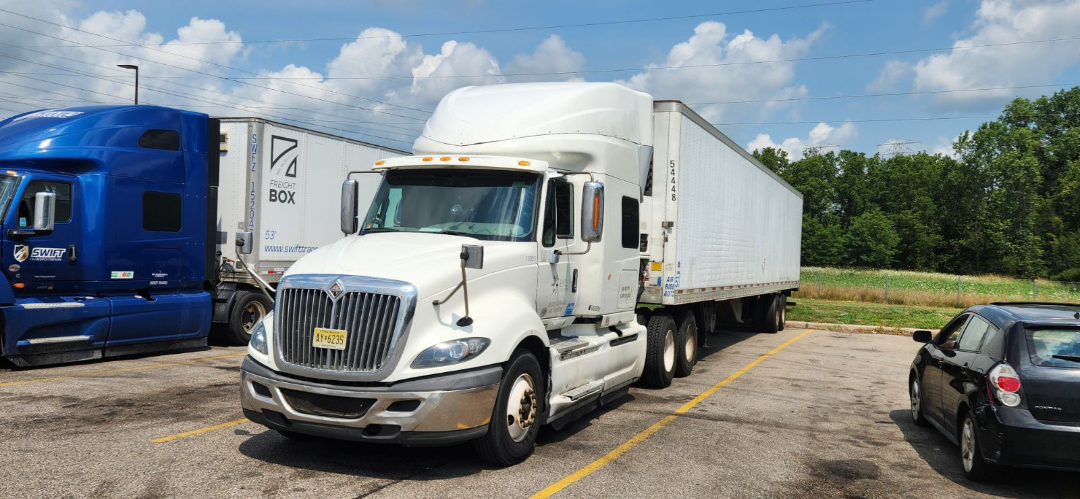
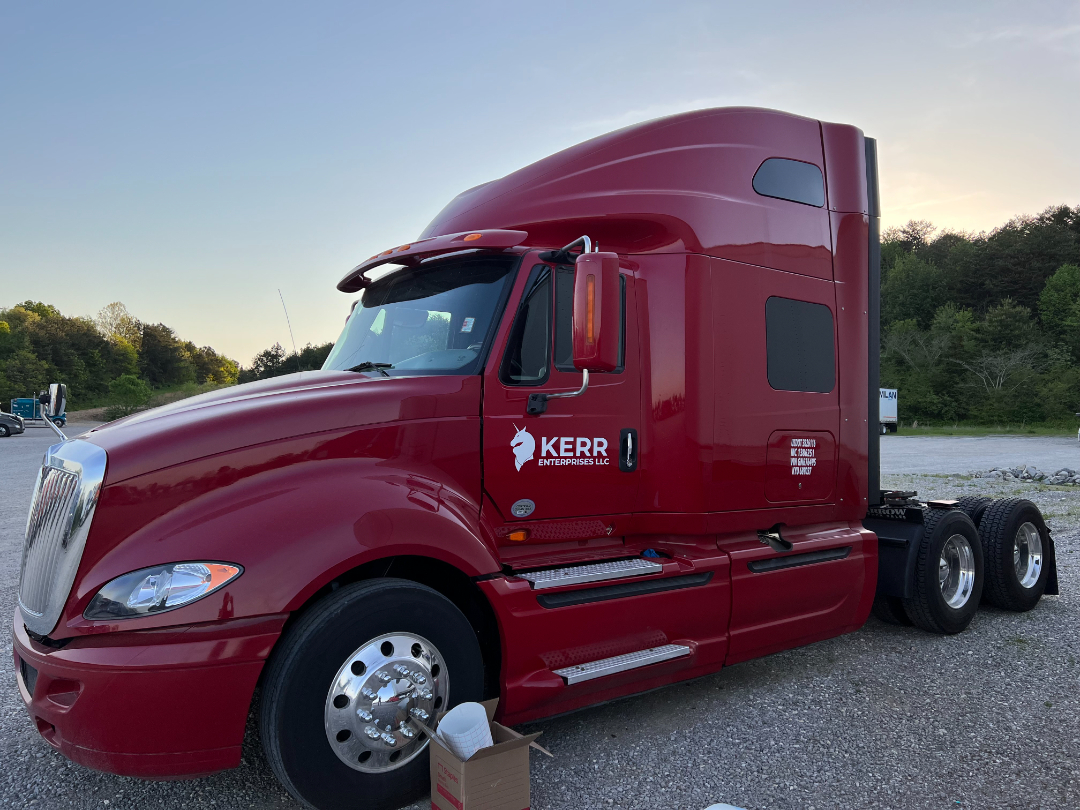

Selling a 2016 international conventional sleeper truck? List your 2016 international conventional sleeper truck for sale and reach thousands of commercial buyers.
2016 International Conventional Sleeper Trucks
Specs vary, but many 2016 International sleeper tractors were built for over-the-road freight with mid-roof or high-roof sleepers, tandem rear axles, and wheelbases commonly set up for van, reefer, and general freight work. You will regularly see automated manual transmissions and 10-speed manuals, plus rear axle ratios chosen for fuel economy on highway lanes rather than heavy vocational pulling. Common buyer checkpoints include 5th wheel condition and travel, tire wear pattern, DPF and DEF service history, bunk HVAC performance, fairing condition, and signs of idle-heavy operation. If the truck has an APU, inverter, bunk heater, refrigerator, or double bunk, that can materially affect driver comfort and resale appeal.
The ProStar was designed as an aerodynamic highway tractor, also known as a road tractor or sleeper semi, so fuel economy and cab livability matter as much as headline horsepower. Buyers comparing listings should pay attention to horsepower and torque ratings, but also to suspension spec, front axle capacity, fuel tank size, and whether the truck has disc or drum brakes. Fleet-trim trucks may prioritize simplicity and standardized components, while owner-operator spec units may add polished tanks, upgraded interior trim, more storage, and comfort options. If the truck will run dedicated lanes with consistent trailer weights, rear ratio and transmission pairing become especially important because they directly affect cruise RPM, gradeability, and fuel burn.
For a used 2016 International conventional sleeper, the best value usually comes from matching the truck’s original application to your own freight. A highway-spec sleeper that spent its life on dry van freight will usually present differently than one that saw mountain routes, heavy reefer cycles, or high idle time. Ask for ECM data, aftertreatment repair records, clutch or transmission history, and proof of regular preventive maintenance. Cab mounts, steering play, air ride condition, sleeper seals, and electrical accessories are all worth a close look. A clean 2016 International sleeper with the right powertrain, documented emissions work, and a sensible highway spec can still be a cost-effective tractor for regional or OTR service.
Frequently Asked Questions about 2016 International Conventional Sleeper Trucks
What engine options are common in a 2016 International conventional sleeper truck?
The most common engines in a 2016 International conventional sleeper are the International N13 and the Cummins ISX or X15 depending on build date and spec. The engine choice matters because it affects service network preference, diagnostic familiarity, emissions maintenance strategy, and resale demand. Many buyers lean toward Cummins for broad support and parts access, while others are comfortable with the N13 if the truck has strong dealer service records and documented aftertreatment maintenance.
Is a 2016 International ProStar a good truck for over-the-road use?
A 2016 International ProStar can be a solid over-the-road tractor when it has the right highway spec and a documented maintenance history. The platform was built around aerodynamic efficiency and driver comfort, which makes it well suited for van and reefer lanes. The key is to verify emissions system service, transmission performance, sleeper condition, and ECM data rather than judging the truck by model name alone.
What should I check first on a used 2016 International sleeper tractor?
Start with the engine and aftertreatment history, then move to transmission operation, rear axle ratio, and overall chassis condition. DPF cleaning intervals, DEF system repairs, fault code history, and idle hours can tell you more than appearance alone. After that, inspect 5th wheel wear, suspension components, tires, brakes, bunk HVAC, and electrical accessories because those items can quickly change the real cost of ownership.
Are manual or automated transmissions more common in 2016 International sleeper trucks?
Both are common, but many 2016 highway-spec International sleepers were ordered with automated manual transmissions to improve fuel economy and reduce driver variability. Manual 10-speed trucks are still widely seen and may appeal to buyers who prefer simpler operation and direct control. The better choice depends on driver preference, route profile, maintenance support, and how important fuel efficiency is in your operation.
What freight applications fit a 2016 International conventional sleeper best?
Most 2016 International conventional sleepers are best suited for general over-the-road freight, including dry van, refrigerated, and some dedicated regional work. They are typically spec'd for highway miles rather than severe-duty vocational service. Matching the sleeper size, fuel capacity, wheelbase, and drivetrain ratio to your lane length and trailer weights will do more for operating efficiency than focusing on year and horsepower alone.