
International Conventional Sleeper Trucks For Sale in Texas
Shop International conventional sleeper trucks for sale in Texas. Compare LT sleeper specs, engines, roof heights, wheelbase, and axle ratios.
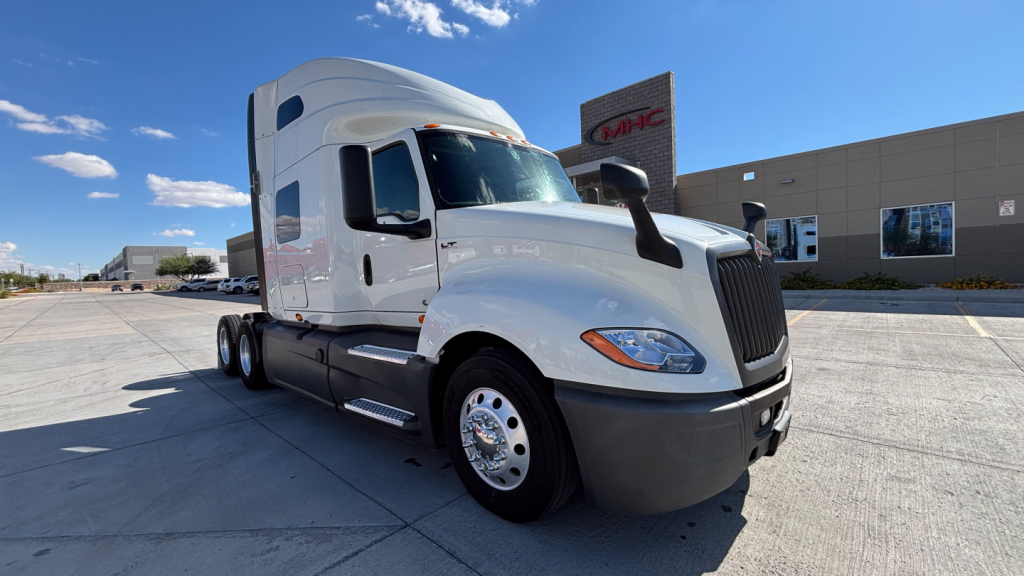
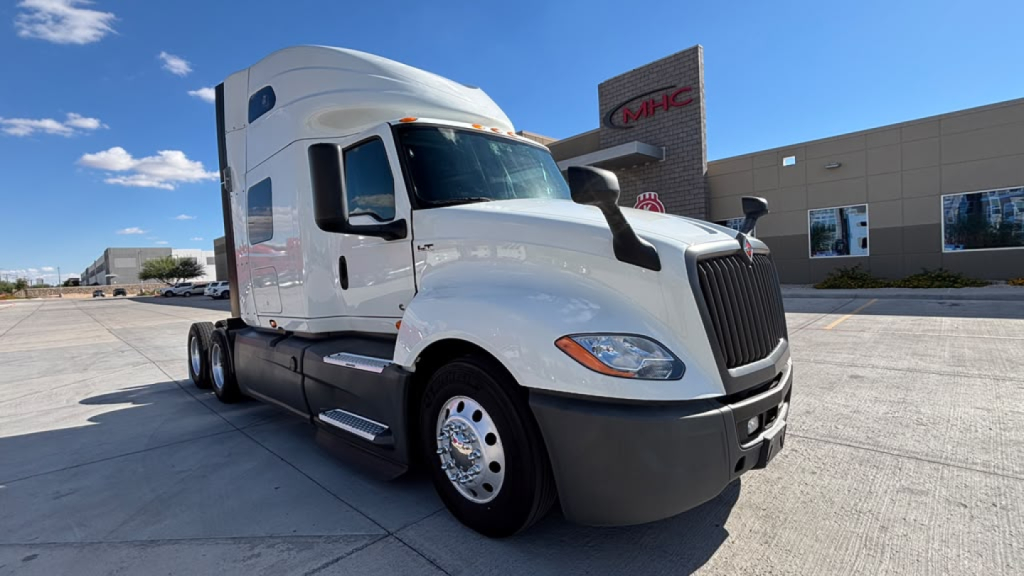
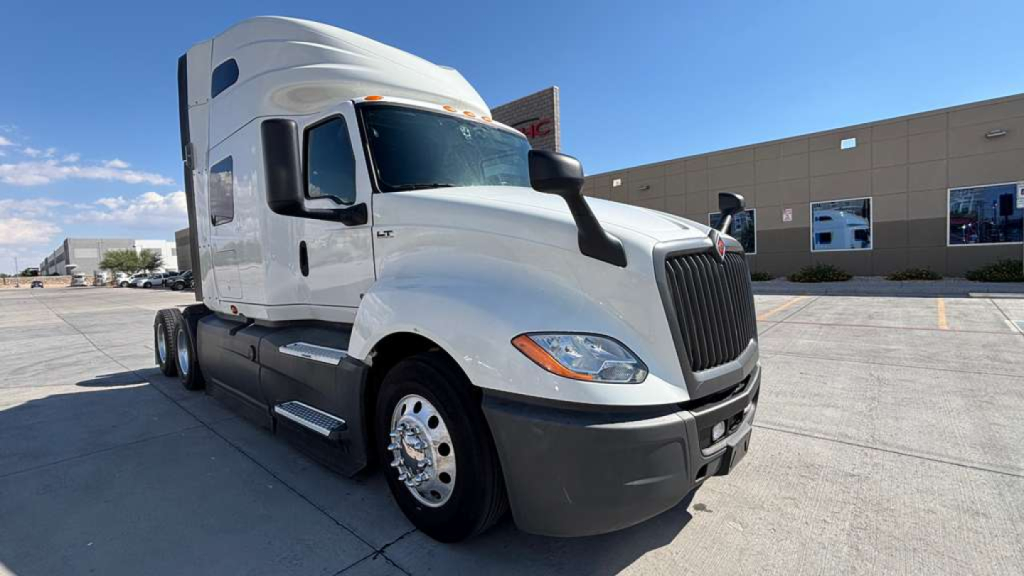
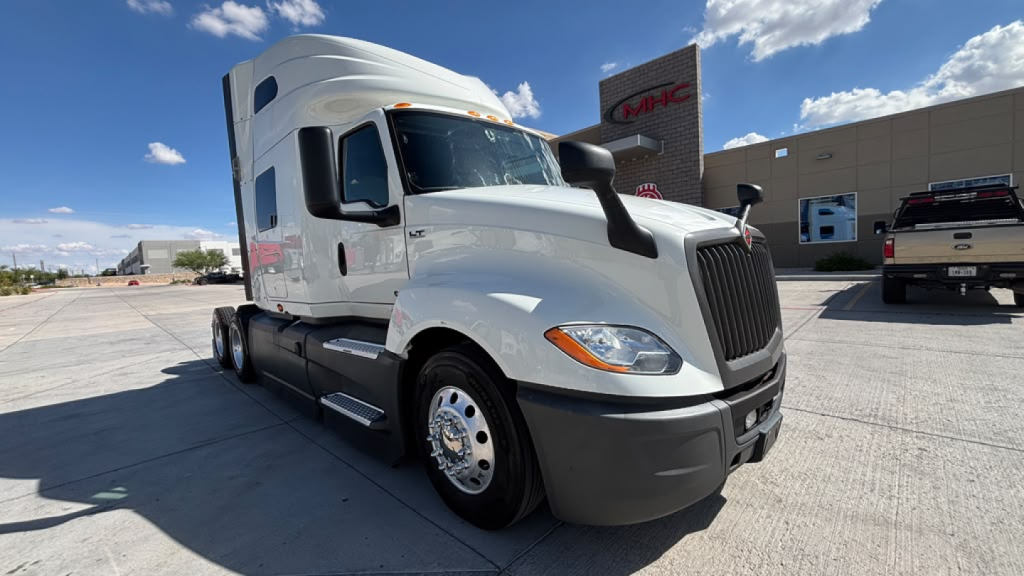
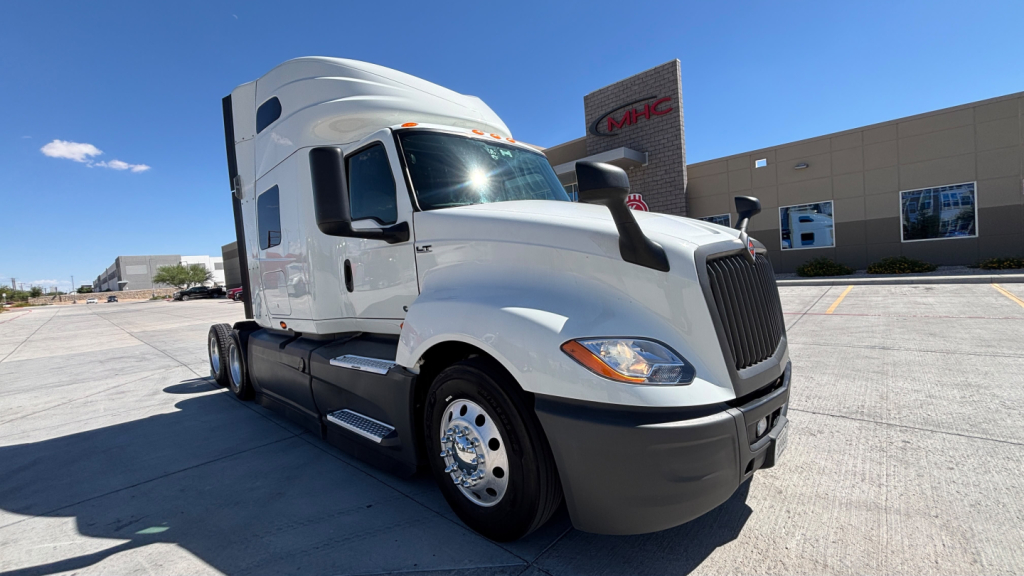
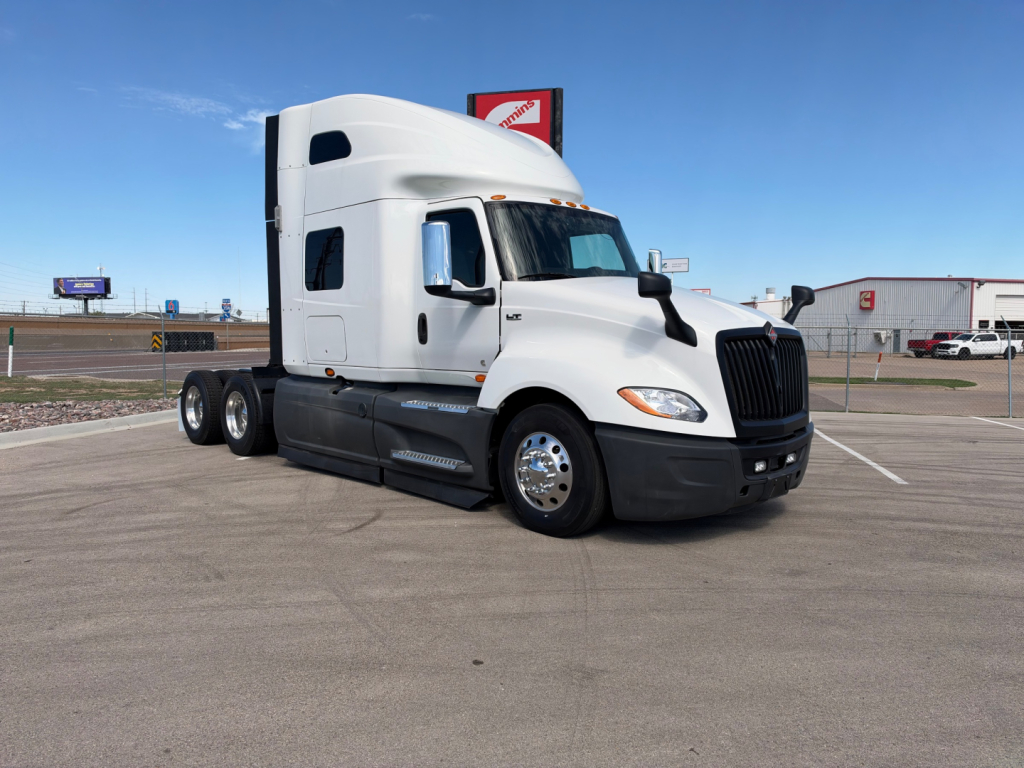
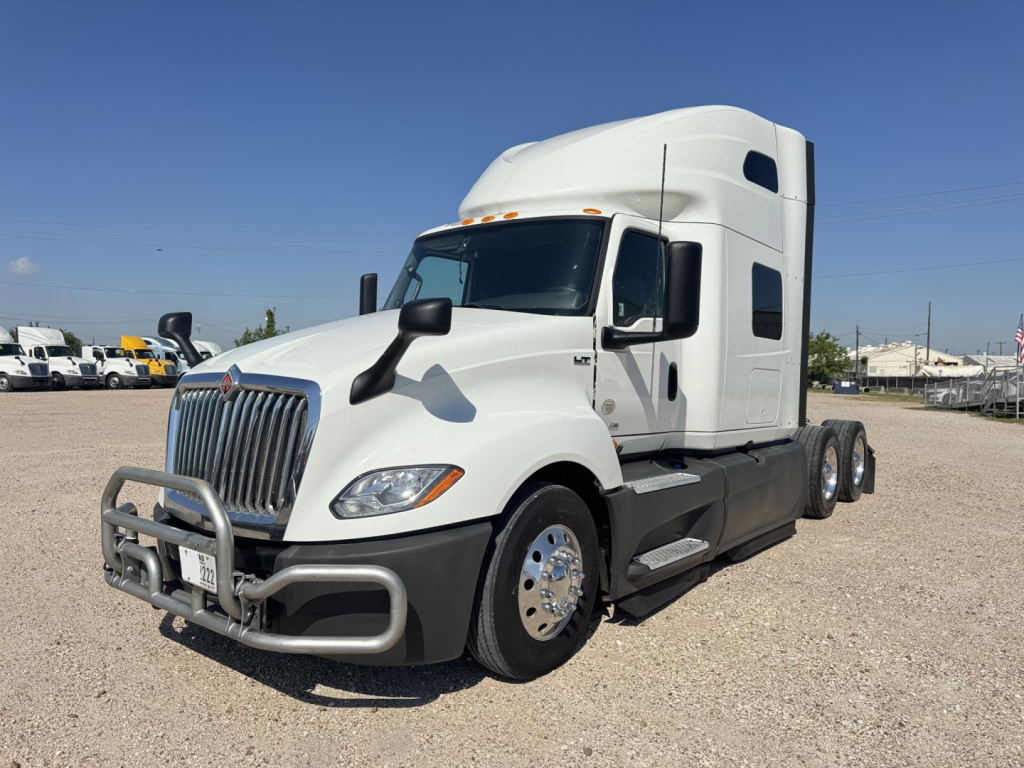
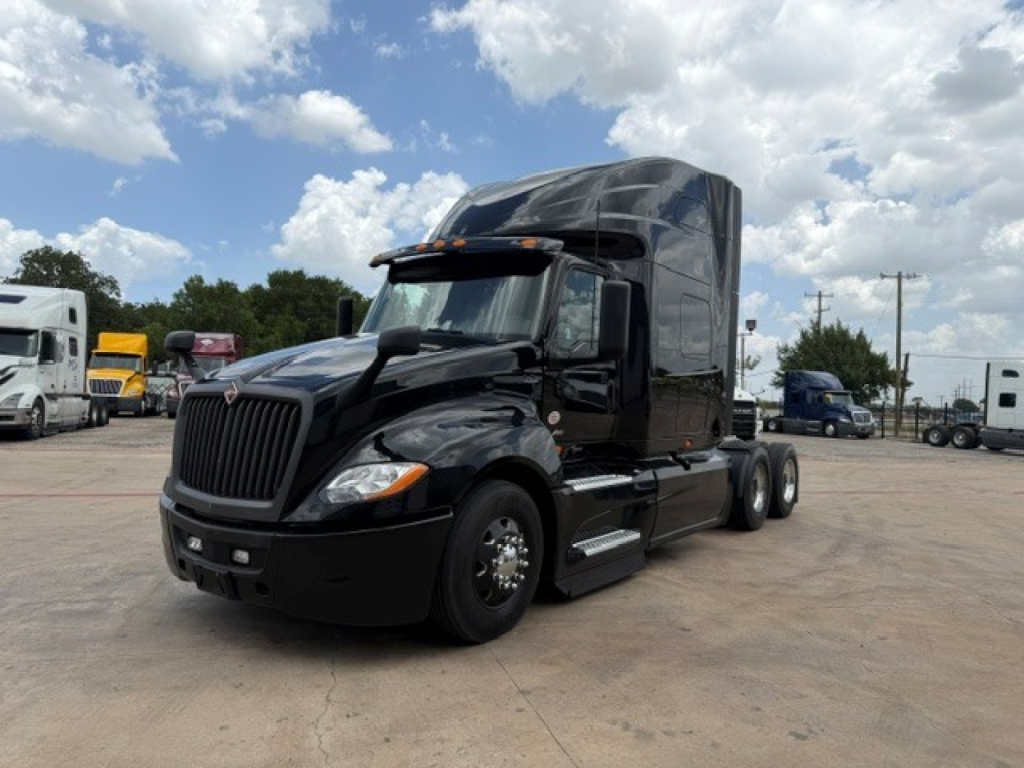
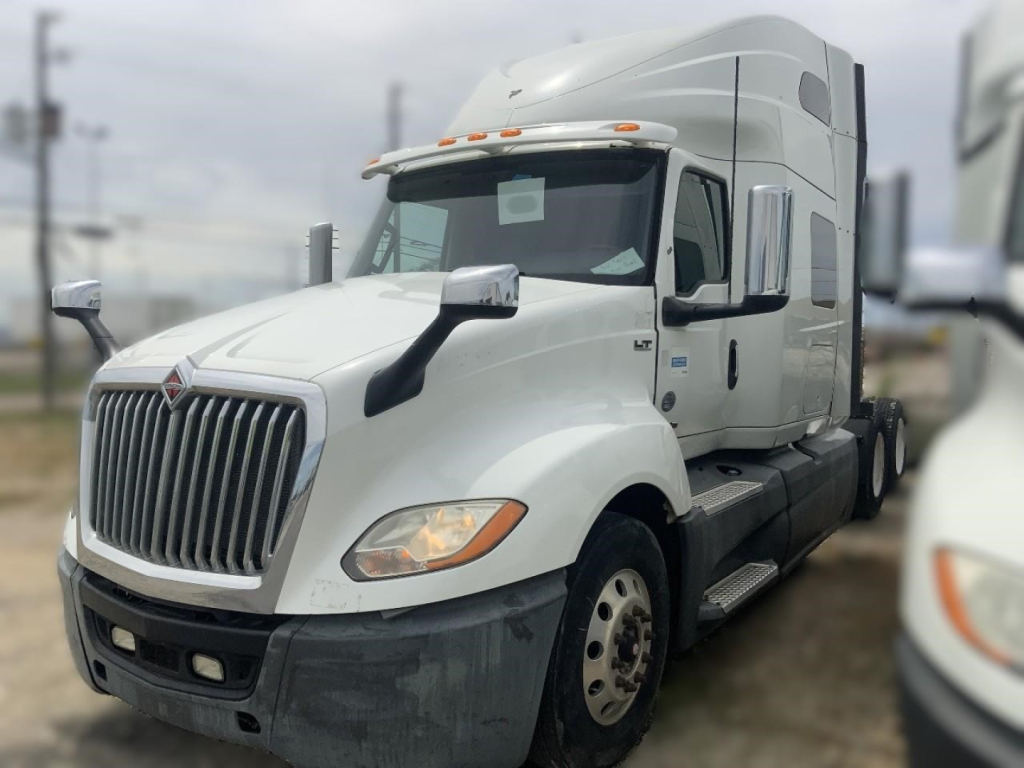
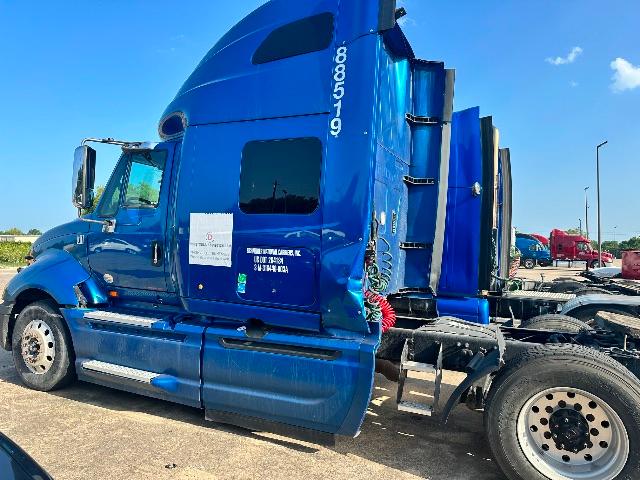

Selling a international conventional sleeper truck? List your international conventional sleeper truck for sale and reach thousands of commercial buyers.
International Conventional Sleeper Trucks in Texas
The first decision usually comes down to powertrain. International sleeper trucks commonly show up with the Navistar A26 or Cummins X15, often in the 400 to 450 horsepower range. Both are seen with automated manual transmissions such as the Eaton Endurant or Eaton Cummins Endurant HD, along with direct-drive or overdrive setups depending on the intended lane. Rear axle ratings are commonly 40,000 lbs with air ride suspension, and axle ratios in the low-2 range are typical for fuel-conscious highway use. If the truck will stay mostly in Texas on long, flatter runs, a faster rear ratio can make sense for fuel mileage. If it will pull heavier freight, work mixed terrain, or spend more time in stop-and-go service, pay close attention to ratio, transmission gearing, and engine torque curve instead of focusing on horsepower alone.
Sleeper configuration matters as much as the engine. A 73-inch high-roof sleeper gives a driver more standing room, storage, and livability for multi-day trips, while a mid-roof truck can reduce overall height and sometimes trim weight for shorter regional cycles. Wheelbase often lands around the 219-inch to 228-inch range in this class, which affects trailer swing clearance, ride quality, and how the truck scales with a loaded van or reefer. Buyers should also look at fifth wheel type and travel, fairing condition, fuel tank size, brake spec, and tire package. Features like disc brakes, low-profile 22.5 tires, aluminum wheels, cab extenders, and removable upper fairings can make a difference in maintenance cost and application fit.
For Texas buyers, cooling performance, idle management, and overall cab climate equipment deserve extra attention. Air conditioning output, bunk heaters, insulation, and sleeper seals all matter when a truck runs across hot yards, congested metro lanes, and long interstate stretches. International conventionals are generally chosen by fleets and owner-operators looking for an aerodynamic sleeper tractor with straightforward controls, good visibility, and broad parts support. The best spec is the one that matches the freight. A van and reefer operation focused on highway miles may favor a lighter, fuel-efficient LT with a tall sleeper and fast ratio, while a heavier mixed-freight operation may want a stronger engine brake package, more flexible gearing, and a wheelbase that leaves room for different trailer settings.
Frequently Asked Questions about International Conventional Sleeper Trucks in Texas
What is the most common International conventional sleeper model for highway freight?
The International LT, including LT625 configurations, is the most common conventional sleeper model in this category. It is designed for linehaul and regional highway service, with aerodynamic bodywork, sleeper options ranging from mid-roof to high-roof, and powertrain choices that usually include the Navistar A26 or Cummins X15 paired with an automated transmission.
Which engine is better in an International sleeper truck, the A26 or the Cummins X15?
The right choice depends on the application and service strategy. The Navistar A26 is often selected for fuel-focused fleet specs and highway routing, while the Cummins X15 is widely favored for its broad service network, strong resale familiarity, and suitability for heavier or more demanding duty cycles. Buyers should compare horsepower, torque rating, maintenance history, emissions system performance, and dealer support in the areas where the truck will run.
What sleeper size is common on an International LT sleeper?
A 73-inch sleeper is a very common setup on International LT sleeper trucks, especially in high-roof or Sky-Rise form. That size gives enough room for an upper bunk, storage, and better driver livability on multi-day trips. Mid-roof sleepers are also common when the operation is more regional or when overall height and weight are bigger concerns.
What axle ratio works best for a conventional sleeper truck in Texas?
Many highway sleeper trucks in Texas are spec'd with faster rear axle ratios in the low-2 range because they spend a lot of time on long interstate runs where lower cruising rpm helps fuel economy. That said, the best ratio depends on gross weight, trailer type, terrain, transmission gearing, and target road speed. A fuel-efficient ratio can hurt startability and grade performance if the truck is expected to haul heavy loads or run mixed terrain.
What should I inspect first on a used International sleeper tractor?
Start with the powertrain and the sleeper systems. Review engine hours, idle hours, maintenance records, aftertreatment history, transmission operation, clutch calibration on automated units, and axle ratio. Then inspect the sleeper for HVAC performance, bunk heater operation, water leaks, seal condition, and interior wear. Tire wear, brake type, fifth wheel movement, suspension condition, and fairing damage are also important because they can quickly add to ownership cost after purchase.