
2019 International Conventional Sleeper Trucks For Sale
Shop 2019 International conventional sleeper trucks. Compare LT and ProStar specs, sleeper sizes, powertrains, wheelbases, and fleet-ready features.
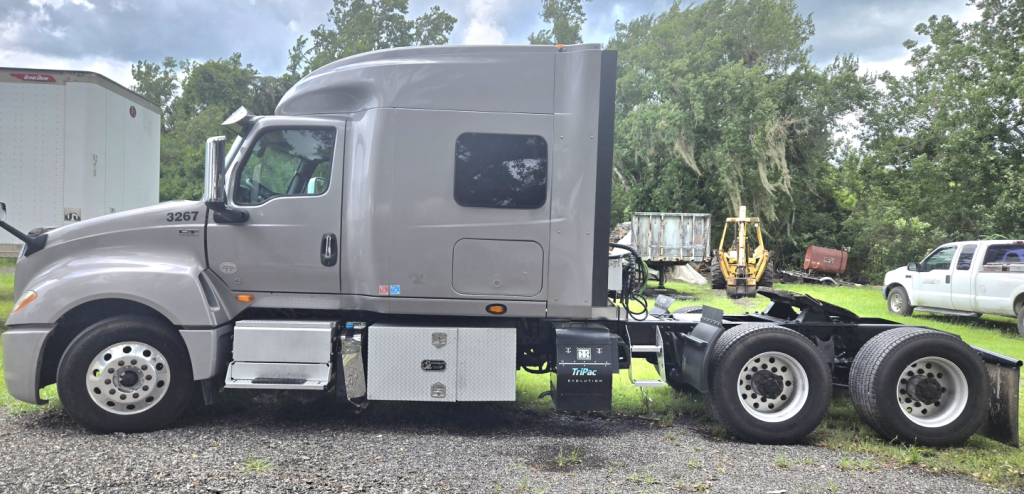
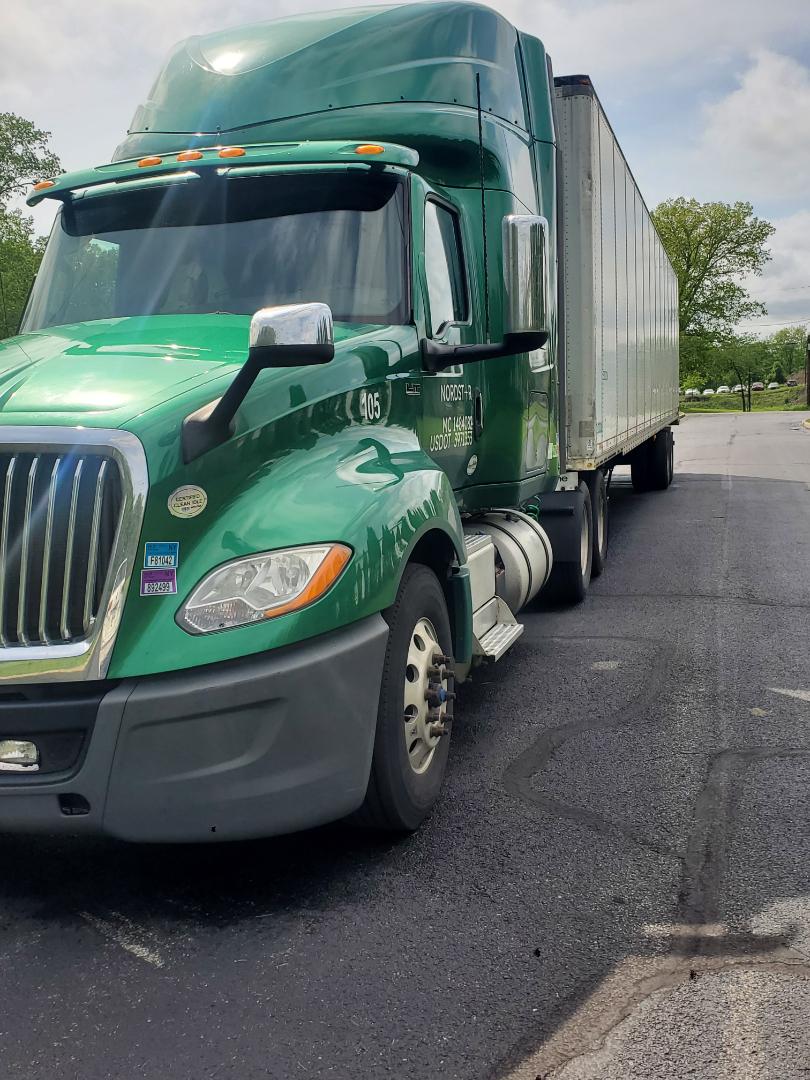

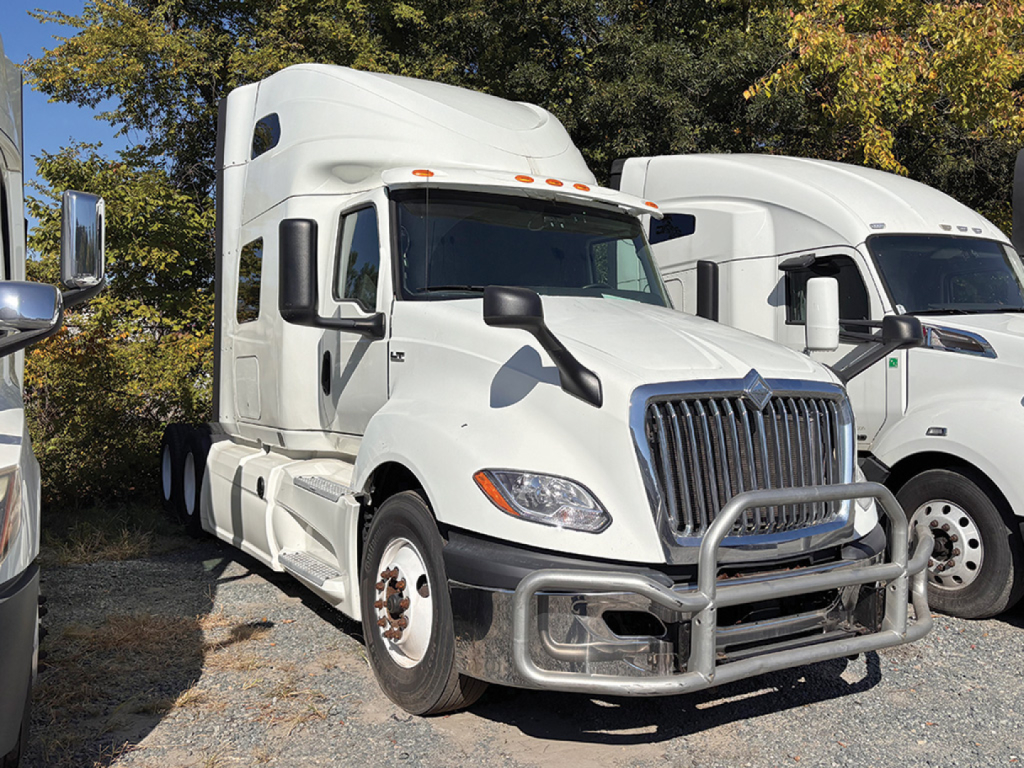
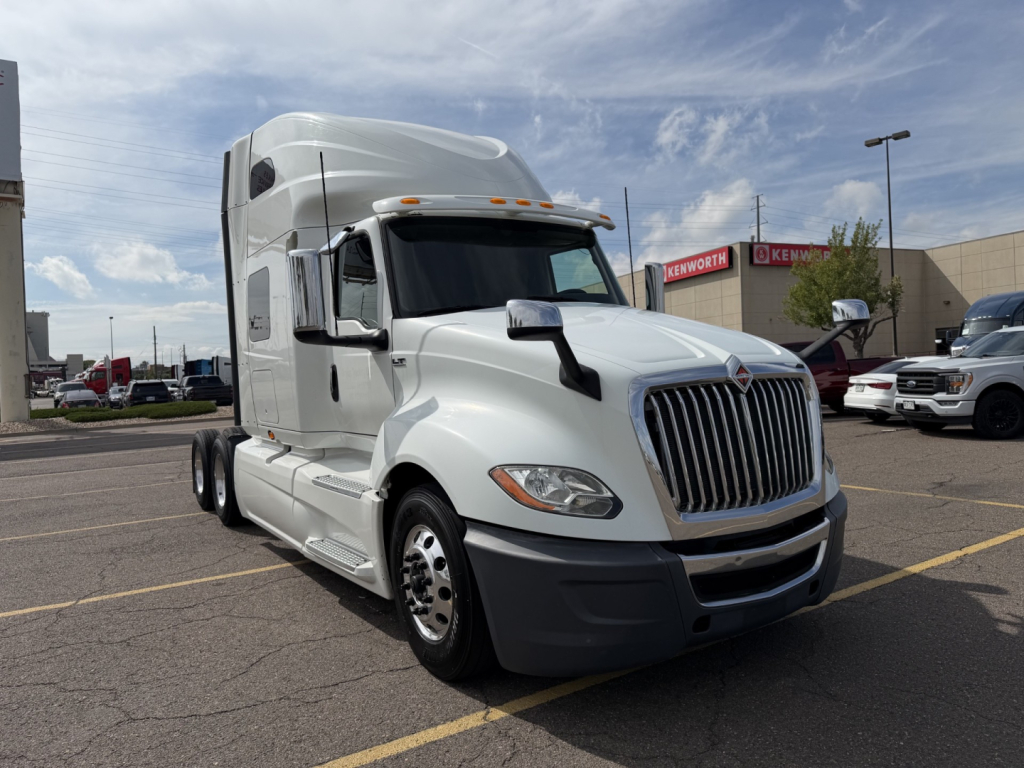

Selling a 2019 international conventional sleeper truck? List your 2019 international conventional sleeper truck for sale and reach thousands of commercial buyers.
2019 International Conventional Sleeper Trucks
Powertrain choice is one of the biggest buying decisions in this category. Many 2019 International sleeper tractors are spec'd with the Cummins X15 in ratings commonly around 400 to 450 horsepower, paired with automated manual or fully automatic-style heavy-duty transmissions depending on the spec package. Rear axle ratios in the mid-2s to low-3s are common on fuel mileage builds, especially when matched with direct-drive or overdrive transmissions. A buyer should also pay attention to suspension type, front axle capacity, rear axle rating, wheelbase, and fifth wheel setup because these specs determine how well the truck fits van, reefer, flatbed, or dedicated contract freight. For heavier or more demanding lanes, engine brake performance, cooling system condition, and emissions service history deserve close review.
Sleeper spec matters as much as drivetrain. A 73-inch hi-rise or sky-rise sleeper gives better standing room and storage for extended trips, while a smaller sleeper can save weight and improve maneuverability in regional service. Features often found on this class include dual aluminum fuel tanks, fairings, cab extenders, bunk heaters, APUs, air ride suspension, and air slide fifth wheels. Safety and driver-assist equipment can also vary widely by build, with some trucks carrying collision mitigation systems, disc brakes, or upgraded interior packages. Buyers comparing 2019 International conventional sleepers should look closely at mileage, idle hours, maintenance records, aftertreatment history, and any signs of uneven tire wear or suspension drift, since those details tell more about operating cost than paint or trim.
For fleet buyers and owner-operators alike, the 2019 International conventional sleeper remains a practical highway tractor because parts support is broad and the platform is familiar to most service networks. The strongest value usually comes from a truck with a documented maintenance file, a clean ECM report, and a sleeper layout that actually matches the route profile. A truck running multi-state dry van freight needs a different spec than one pulling heavy reefer or operating in mountain corridors. The right 2019 International sleeper tractor is the one with the correct engine rating, axle ratio, sleeper size, and maintenance history for the freight it will handle every week.
Frequently Asked Questions about 2019 International Conventional Sleeper Trucks
What engine is most common in a 2019 International conventional sleeper truck?
The Cummins X15 is one of the most common engines found in 2019 International conventional sleeper tractors, especially in LT models built for highway service. Ratings often fall in the 400 to 450 horsepower range, which suits general freight, reefer, and many dedicated lanes. Buyers should verify horsepower, torque rating, emissions history, and ECM data because two trucks with the same engine family can perform very differently depending on the original fleet spec.
Is a 2019 International LT a good choice for long-haul work?
Yes, the 2019 International LT was built specifically for over-the-road use and is generally considered a solid long-haul platform when properly maintained. It offers aerodynamic bodywork, sleeper options suited to extended runs, and a cab design focused on driver comfort and fuel efficiency. The real deciding factors are the truck's maintenance record, sleeper size, wheelbase, axle ratio, and how closely the spec matches the freight lane it will run.
What sleeper size should I look for in a 2019 International conventional sleeper?
Sleeper size depends on trip length, driver preference, and payload priorities. A 56-inch sleeper can work well for regional or shorter over-the-road runs, while a 73-inch high-rise sleeper is more suitable for teams or extended long-haul operation where storage and stand-up room matter. Larger sleepers add comfort and capacity for life on the road, but they can also add weight and affect wheelbase and maneuverability.
What should I inspect before buying a used 2019 International sleeper tractor?
Focus on the items that drive downtime and operating cost. Review maintenance records, check the ECM for mileage and idle hours, inspect the aftertreatment system, and confirm any recent work on the DPF, SCR, EGR, or turbocharger. Tire wear, suspension alignment, brake condition, coolant system health, transmission operation, and fifth wheel wear are also important. Inside the sleeper, check HVAC performance, bunk heater or APU function, and signs of water leaks or excessive interior wear.
Are 2019 International conventional sleeper trucks better for fleets or owner-operators?
They can fit either use case, but the appeal is slightly different for each buyer. Fleets often value the LT's parts availability, familiar service network, and fuel-focused highway spec. Owner-operators usually pay closer attention to sleeper comfort, APU presence, fuel capacity, interior condition, and the exact engine and transmission combination. In both cases, a documented service history and a lane-appropriate spec matter more than cosmetic appearance.