
International Conventional Sleeper Trucks For Sale in Michigan
Shop International conventional sleeper trucks with common specs, cab options, Cummins power, and long-haul features buyers compare most.
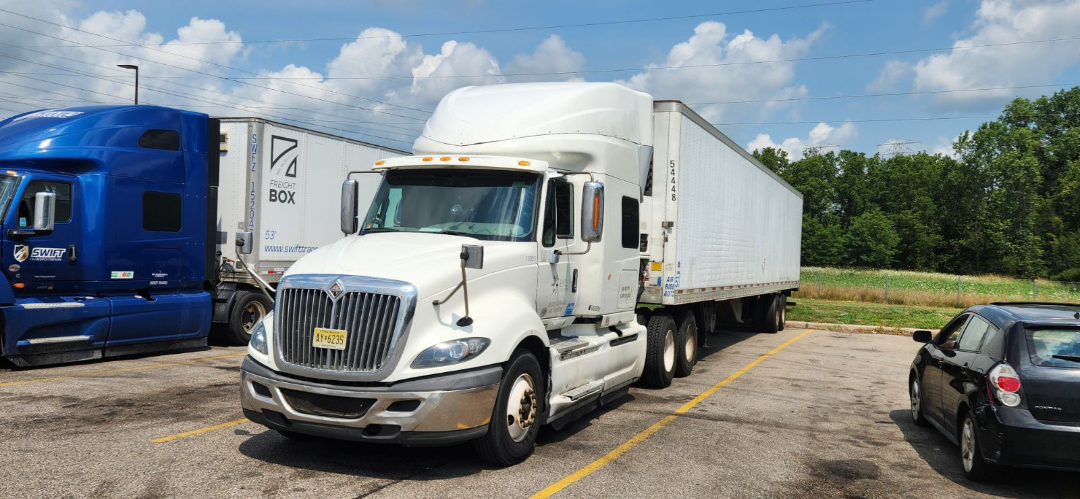
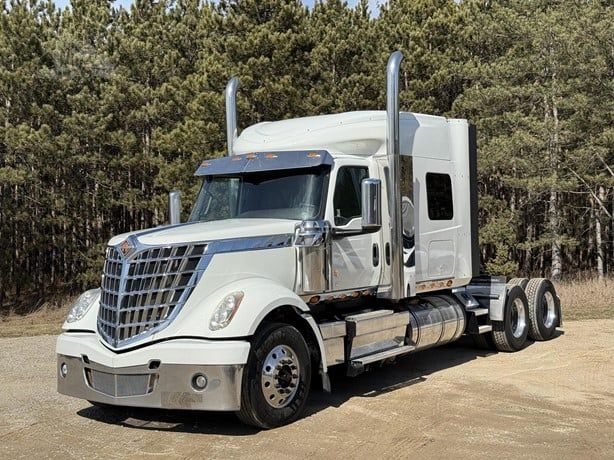
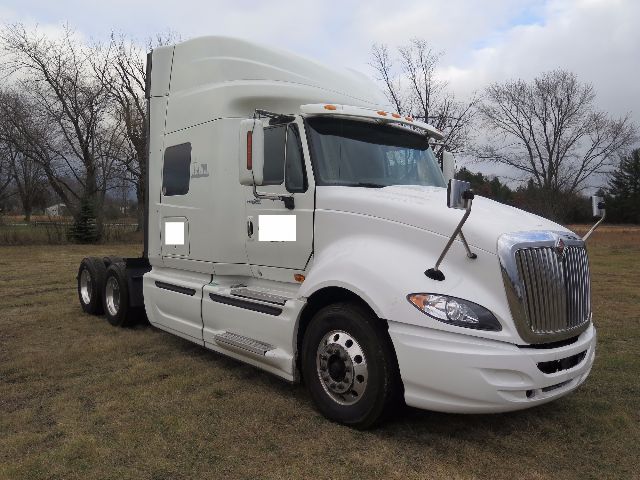
Selling a international conventional sleeper truck? List your international conventional sleeper truck for sale and reach thousands of commercial buyers.
International Conventional Sleeper Trucks in Michigan
The most common spec points in used International sleepers include tandem 6x4 drivetrains, air ride suspension, sliding fifth wheels, and sleeper berths in the 60-inch to 73-inch range. Many are set up with dual fuel tanks, often giving 200 gallons or more total capacity, and wheelbases commonly land in the mid-220-inch to 260-inch range depending on bunk size and fairing package. Engine choices in this segment frequently include Cummins ISX and X15 ratings from the low 400s into the 500 HP range, paired with 10-speed, 13-speed, or automated manual transmissions from Eaton or Eaton-Fuller. Rear axle ratios such as 3.25 or 3.36 are common on trucks spec'd to balance cruise RPM, fuel economy, and gradeability.
For a Michigan buyer, corrosion exposure and cold-weather performance matter as much as mileage. Look closely at frame condition, cab mounts, crossmembers, air tanks, fuel tank straps, and the underside of the sleeper for rust or previous repairs. A truck that will run the Midwest year-round should also be checked for bunk heater operation, APU or idle management setup, battery condition, DPF and SCR service records, and the health of the engine brake for winter control and mountain work. On International sleepers with emissions-equipped engines, documentation for DPF cleaning, DOC replacement, sensor work, and aftertreatment troubleshooting can be just as important as engine make and horsepower.
Buyers should match the truck to the lane before focusing on appearance. A 73-inch mid-roof or high-roof sleeper with dual bunks makes more sense for team service or longer trips, while a shorter sleeper may be enough for regional operations that still need legal rest capacity. Pay attention to front axle rating, rear axle rating, tire size, and the fifth wheel position if you plan to pull different trailer lengths or heavy van and reefer freight. The best International conventional sleeper truck is usually the one with the right gearing, a documented maintenance history, and a cab configuration that fits the job without adding unnecessary weight or complexity.
Frequently Asked Questions about International Conventional Sleeper Trucks in Michigan
What engines are most common in used International conventional sleeper trucks?
Cummins engines are very common in used International sleeper tractors, especially the ISX15 and X15 in ratings from roughly 400 to 500 horsepower. These engines are popular because they are widely supported, familiar to most heavy-duty shops, and available with specs that fit both fuel-conscious fleet work and heavier long-haul applications. Buyers should look beyond the badge and verify horsepower, torque rating, emissions system service history, and any records for injector, turbo, EGR, DPF, or SCR repairs.
What sleeper size should I look for in an International sleeper truck?
Sleeper size depends on the length of haul and whether the truck will be solo or team operated. A 60-inch to 73-inch sleeper is common in this category, with 73-inch double-bunk layouts often preferred for long-haul use because they provide more storage, more comfort, and better livability on multi-day trips. If the truck will stay on regional lanes with occasional overnight work, a smaller sleeper can reduce weight and wheelbase while still providing a legal sleeper berth.
Is an automated transmission or manual transmission better in this category?
Both can work well, but the better choice depends on the operation and driver preference. Automated manuals are common in later-model International sleepers and can help with driver onboarding, shift consistency, and fuel economy. Manual 10-speed and 13-speed transmissions remain desirable for buyers who want more direct control, simple serviceability, or a setup that better suits certain heavy-haul or mixed-terrain applications. The condition of the clutch, shift quality, and maintenance history matter more than transmission type alone.
What should a Michigan buyer inspect first on a used International sleeper?
Start with rust, aftertreatment history, and driveline condition. In Michigan and the upper Midwest, road salt can affect the frame rails, crossmembers, battery box area, cab steps, fuel tank mounts, and air system components. After that, review service records for DPF cleaning or replacement, DEF system repairs, coolant system work, and any engine or transmission updates. A thorough inspection should also include suspension bushings, airbags, brake condition, tire wear pattern, and evidence of previous collision or salvage repairs.
What axle ratio works best for an International long-haul sleeper truck?
Ratios like 3.25 and 3.36 are common because they support highway fuel economy while still giving acceptable pull for general freight at legal weights. The best ratio depends on tire size, transmission gearing, cruise speed, and the loads you plan to haul. A truck pulling standard dry van or reefer freight on flat to rolling lanes may perform well with a faster ratio, while heavier work or hillier terrain may benefit from gearing that keeps the engine in a stronger RPM range.