
International Conventional Sleeper Trucks For Sale in Nevada

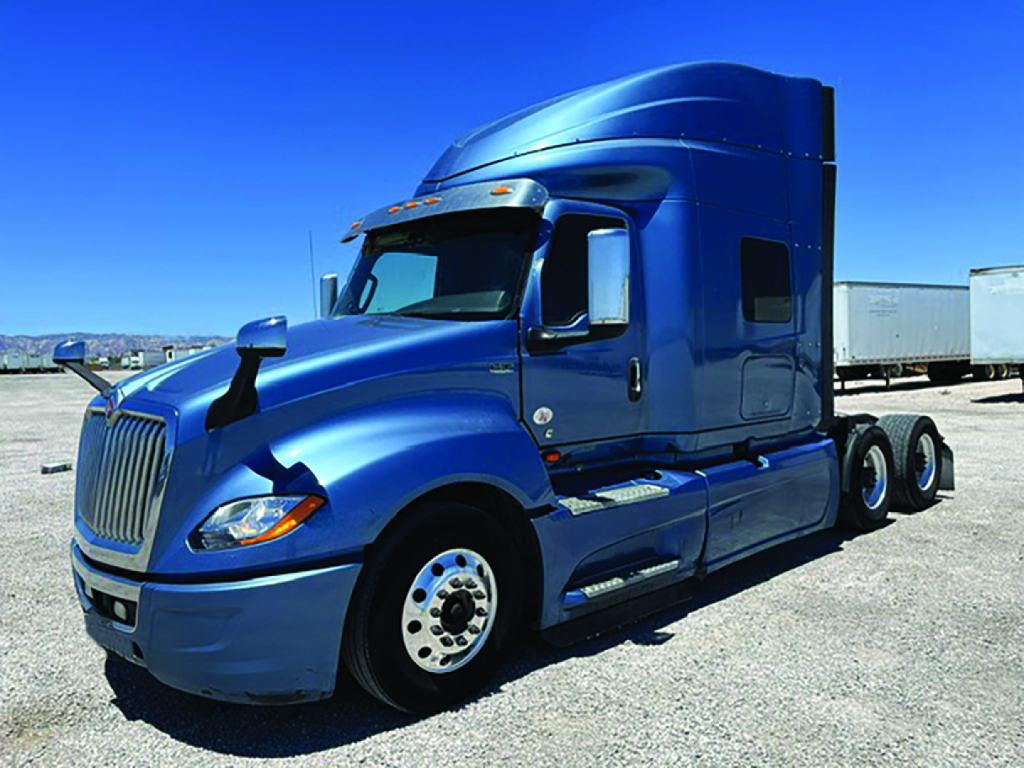
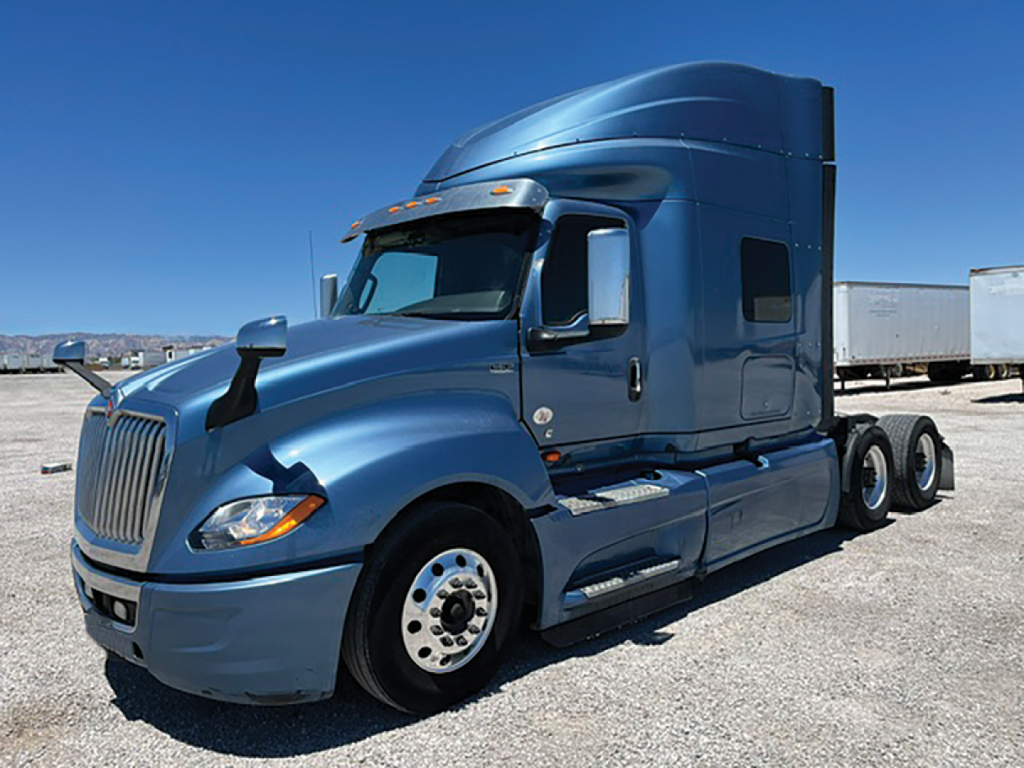
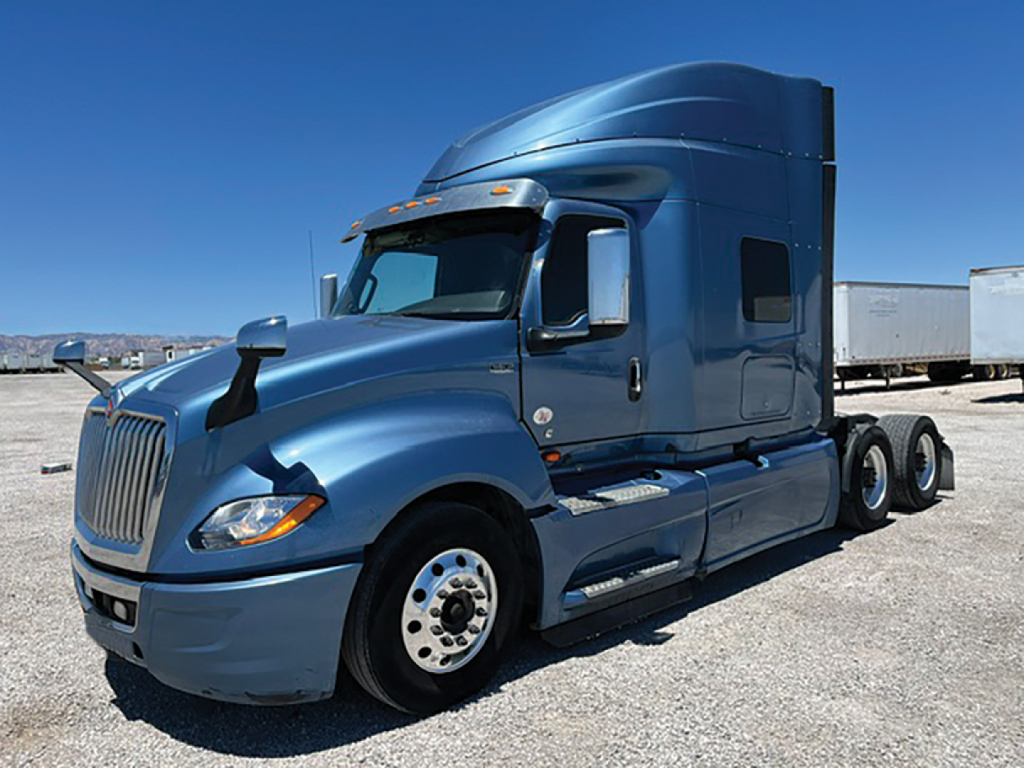
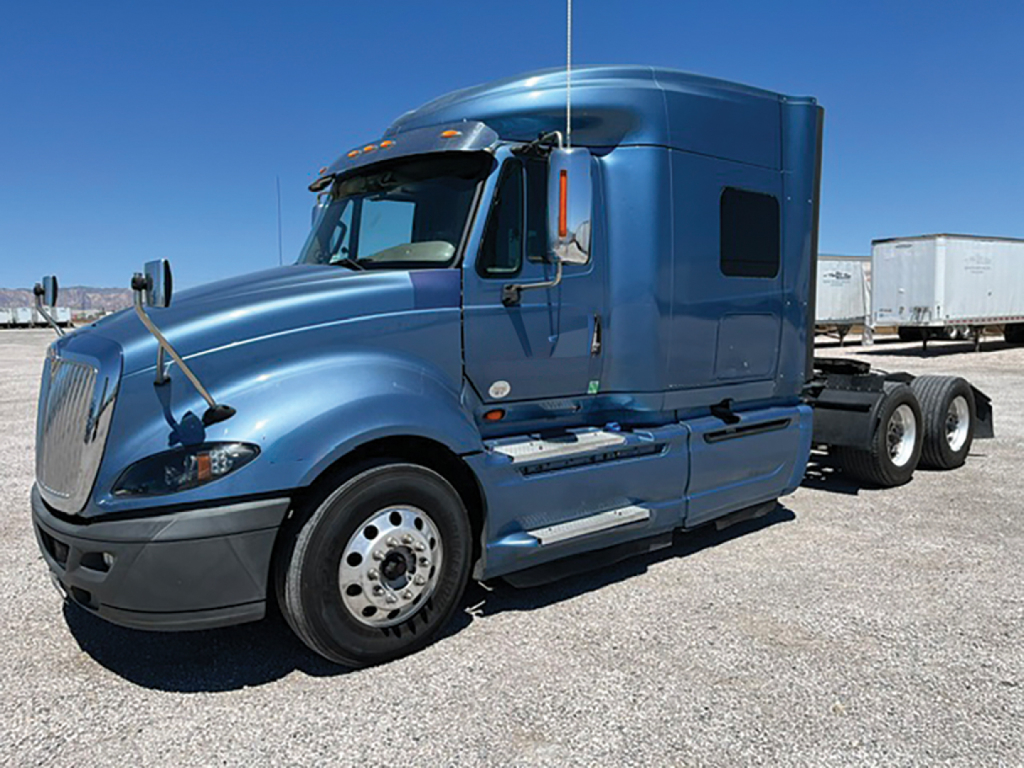
Have international conventional sleeper truck to sell? List it here to reach thousands of buyers.
International Conventional Sleeper Trucks in Nevada
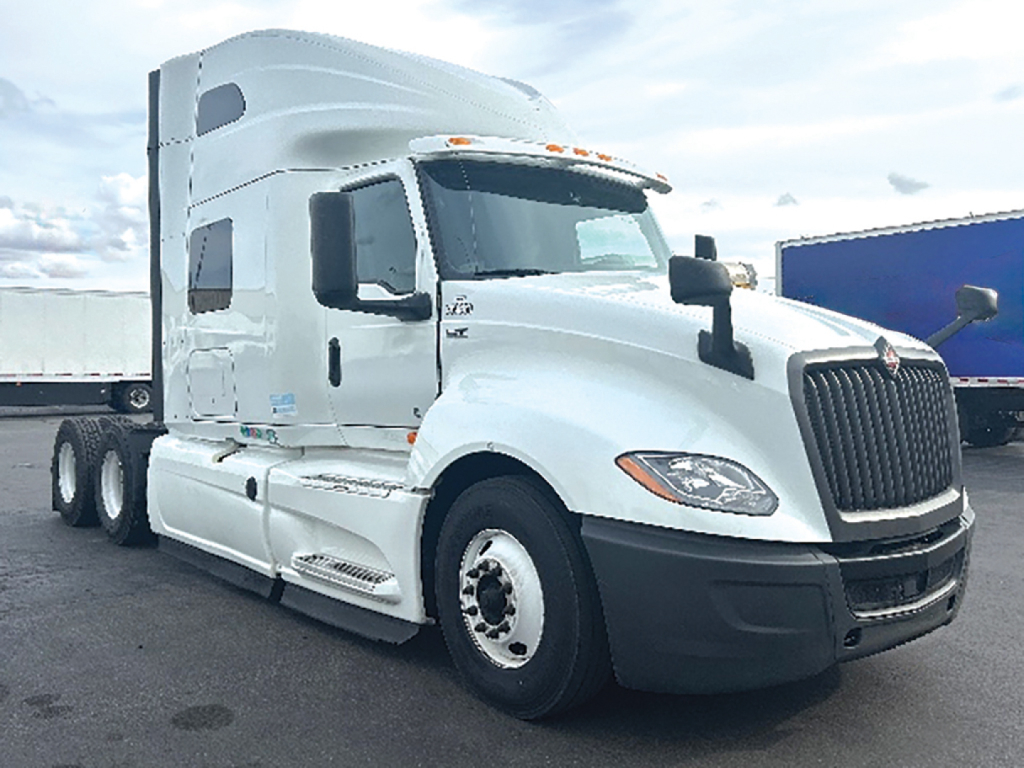
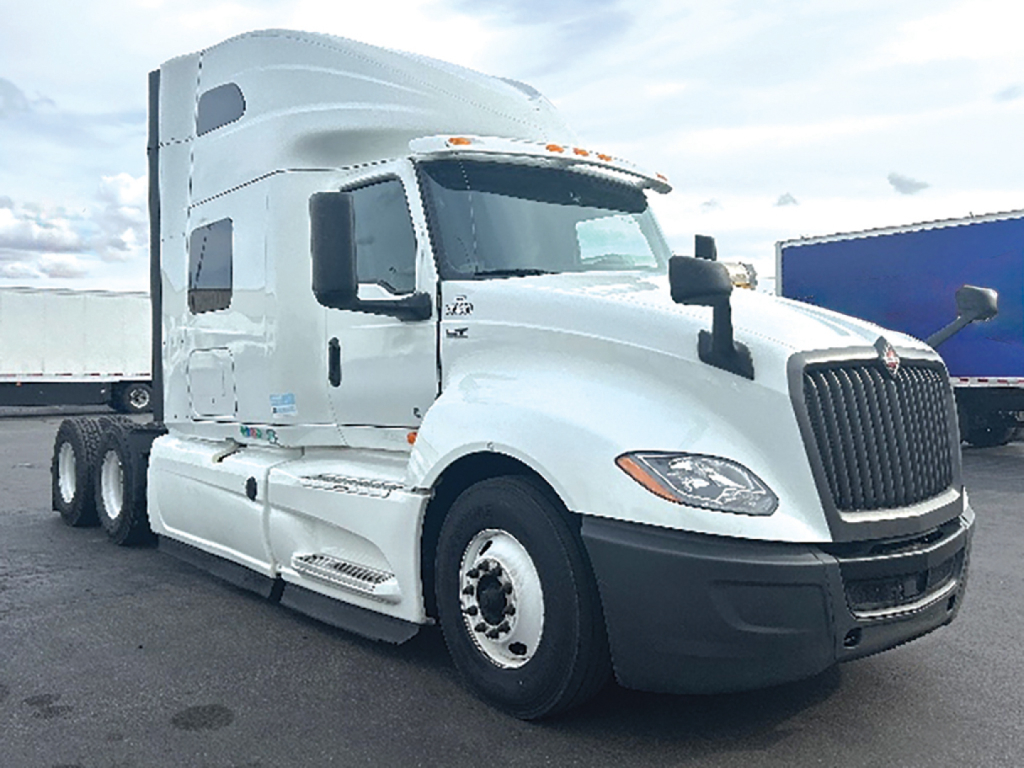
A key buying decision in this class is the powertrain. Many International conventional sleepers are spec'd with the Cummins X15 in the 400 to 450 horsepower range, often paired with automated manual or full automatic-style transmissions and 40,000-pound rear axles. Rear ratios such as 2.64 or 2.79 are typical highway specs aimed at balancing cruise RPM and fuel economy. Buyers should match that gearing to the intended freight and terrain. A tall highway gear can work well for van and reefer lanes across Nevada and the Southwest, but heavier mountain work may call for a different ratio or transmission calibration. Wheelbase, fifth wheel travel, and fuel capacity also matter if the truck will pull mixed trailer lengths or run long nonstop lanes.
Cab and chassis details make a real difference in day-to-day operation. Air ride suspension, dual aluminum tanks, side fairings, cab extenders, and quarter fenders are common on fleet-style sleeper tractors because they support ride quality and aerodynamic efficiency. Inside the cab, features like a bunk heater, tilt and telescoping steering column, cruise control, power windows, and collision mitigation systems can affect both driver retention and operating cost. Buyers comparing used International sleepers should pay close attention to emissions system history, engine hours versus chassis miles, and evidence of consistent PM service. On LT models, overall condition of the interior, sleeper trim, fairings, and aftertreatment components often says as much about prior use as the odometer does.
For Nevada operations, cooling system health, A/C performance, and tire condition deserve extra attention because desert heat exposes weak points quickly. A conventional sleeper tractor in this class is typically used for dry van, refrigerated, and general freight applications, but the exact spec determines how versatile it will be. If the truck has an air slide fifth wheel, low-profile 22.5 rubber, and a highway ratio, it is generally aimed at standard freight duty rather than severe-service hauling. Buyers who want an International sleeper truck that is efficient on long runs, easy to service, and familiar to fleet technicians will usually focus on clean LT625-style specs with the right sleeper height, axle ratio, and maintenance background.
Frequently Asked Questions about International Conventional Sleeper Trucks in Nevada
What engine is most common in International conventional sleeper trucks?
The Cummins X15 is one of the most common engines in late-model International conventional sleeper trucks, especially LT625 highway tractors. It is widely chosen for long-haul use because parts and service are broadly available, horsepower ratings fit general freight work well, and many fleets are already familiar with its maintenance requirements.
What sleeper size is typical on an International LT sleeper truck?
A 73-inch sleeper is a common configuration on International LT conventional sleeper trucks. Hi-rise and sky-rise versions are both popular because they provide standing room, storage, and a more practical living area for over-the-road operation without moving into a larger specialty sleeper design.
Is an International conventional sleeper truck a good fit for long-haul freight?
Yes. This category is designed primarily for highway use in dry van, reefer, and general freight applications. Aerodynamic bodywork, raised-roof sleepers, fuel-efficient rear axle ratios, and over-the-road comfort features make these trucks well suited for regional and long-distance lanes.
What should buyers check first on a used International sleeper tractor?
The most important areas are maintenance history, emissions system service records, engine hours, transmission operation, and overall chassis condition. Buyers should also inspect sleeper equipment, fairings, fuel tanks, tires, brakes, and signs of hard fleet use such as excessive idle hours, damaged interior trim, or deferred PM work.
What axle ratio works best in a conventional sleeper truck?
That depends on the load and terrain. Ratios like 2.64 or 2.79 are common in highway sleeper tractors because they help keep engine RPM lower at cruise speed and improve fuel economy. For buyers running lighter general freight on flatter lanes, those ratios are often a strong fit. Heavier loads or more mountain driving may call for a shorter ratio.