
International Conventional Sleeper Trucks For Sale in Illinois
Shop International conventional sleeper trucks in Illinois. Compare LT625 and 9400I specs, sleeper sizes, engines, wheelbases, and drivetrain setups.
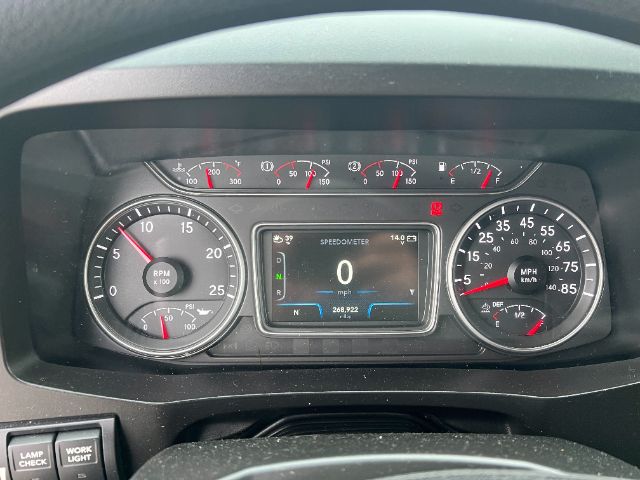
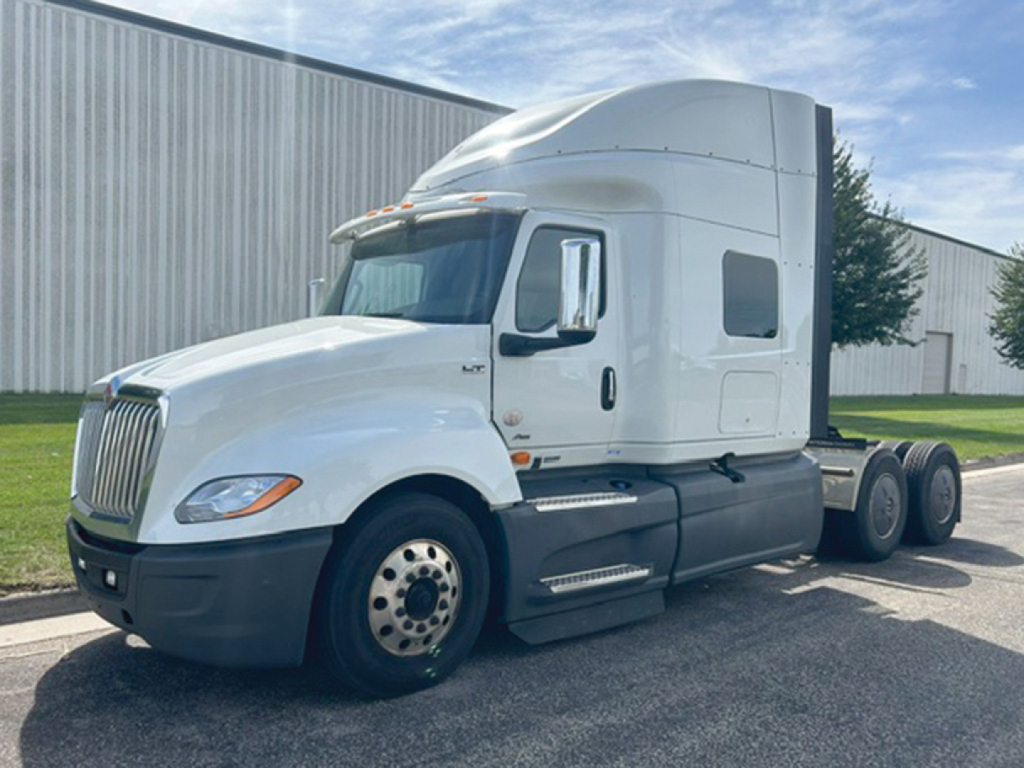
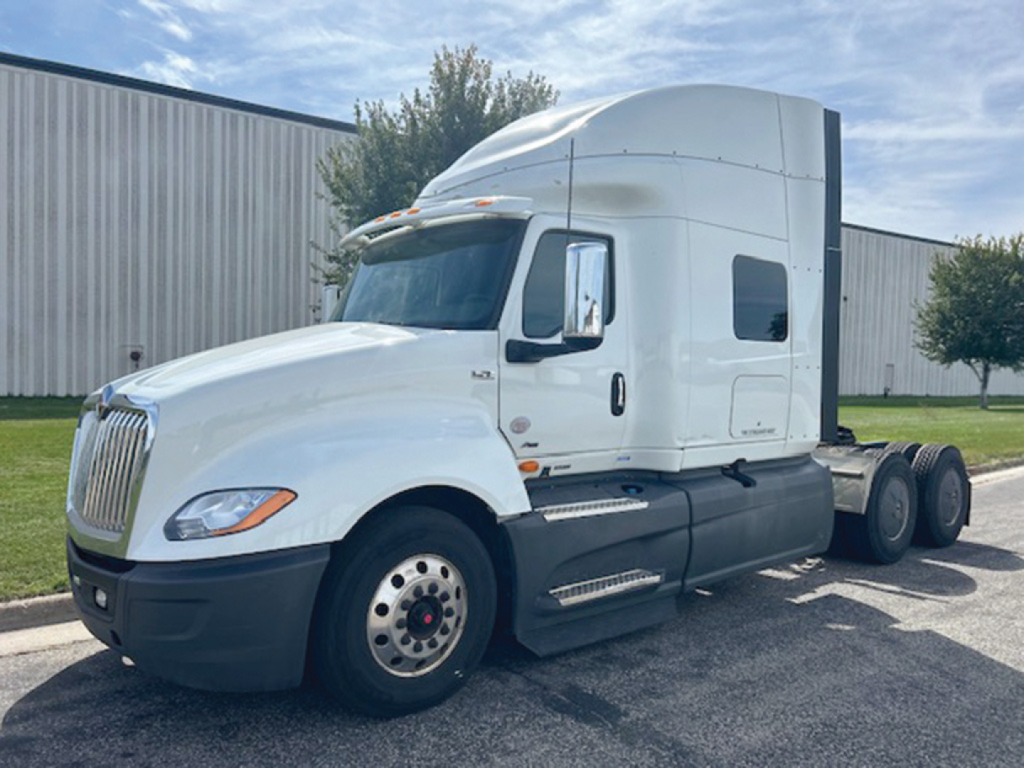
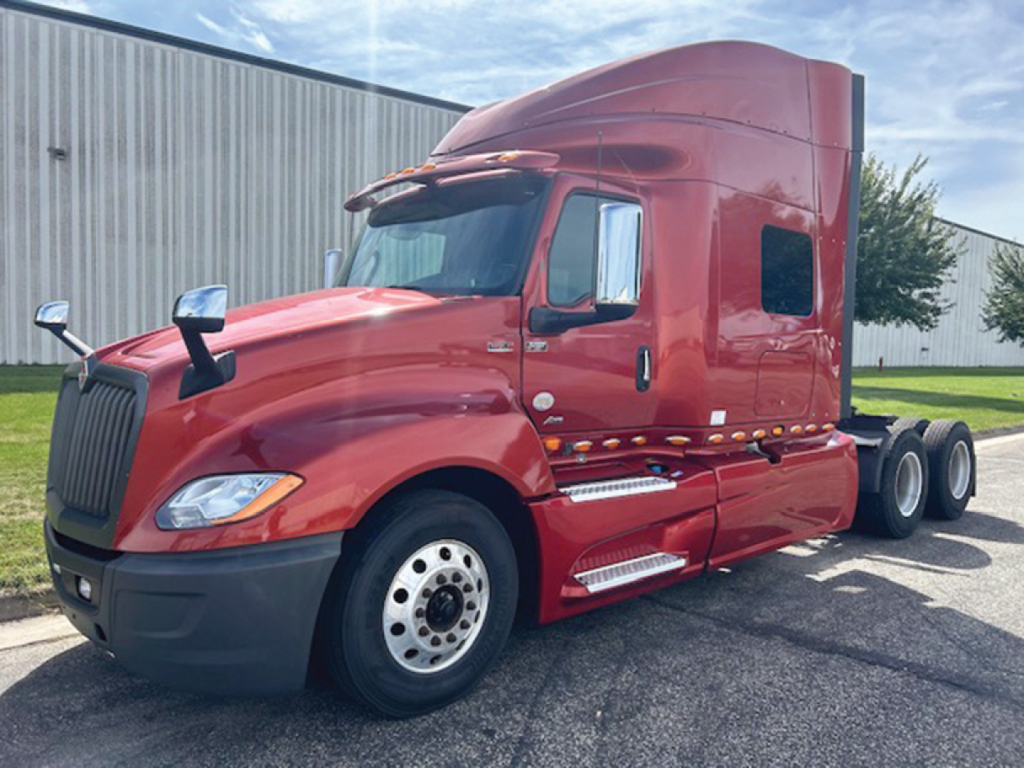

Have international conventional sleeper truck to sell? List it here to reach thousands of buyers.
International Conventional Sleeper Trucks in Illinois
The big buying decision is usually engine and transmission pairing. On International sleepers, common engines include the Cummins X15, the International or Navistar A26, and on older units the Cummins ISX. Horsepower commonly falls in the 400 to 450 hp range, with 10-speed manuals and automated manuals both appearing regularly. Automated transmissions are popular in fleet resale trucks because they reduce driver fatigue and can improve consistency across multiple operators. Buyers running heavier freight or more varied terrain should look closely at rear axle ratio, engine brake performance, and whether the truck has a 6x4 tandem axle setup with a full 40,000 lb rear rating. Ratios such as 2.64 favor fuel economy at highway speed, while older specs like 3.58 are more forgiving in mixed-use or heavier-start applications.
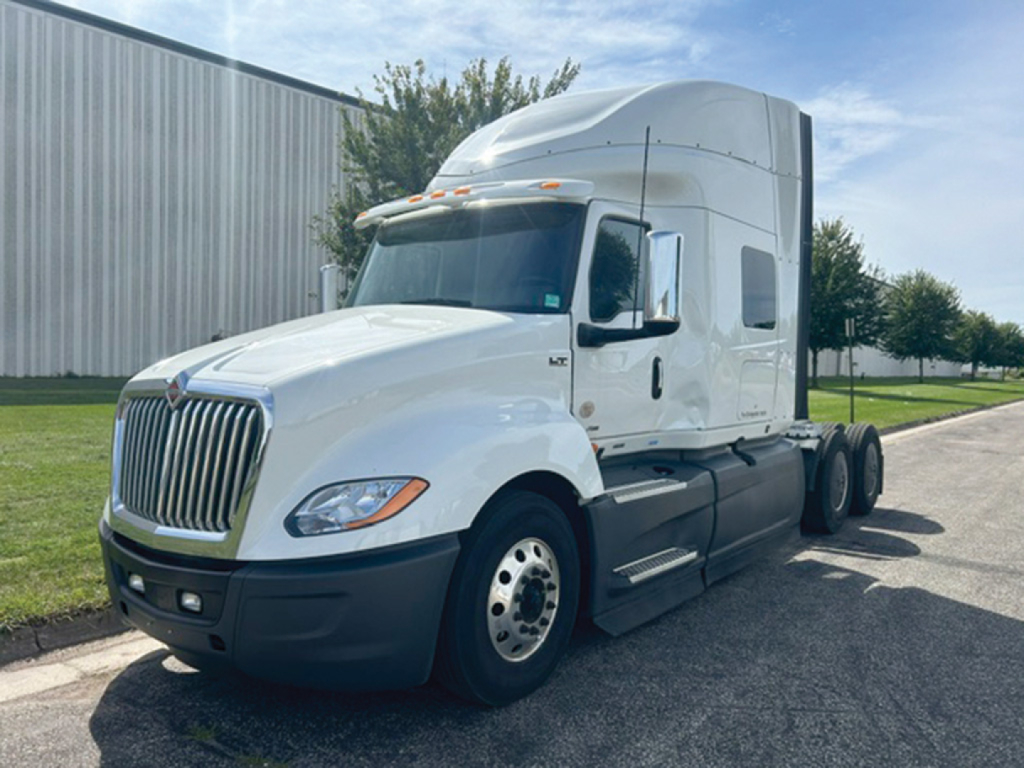
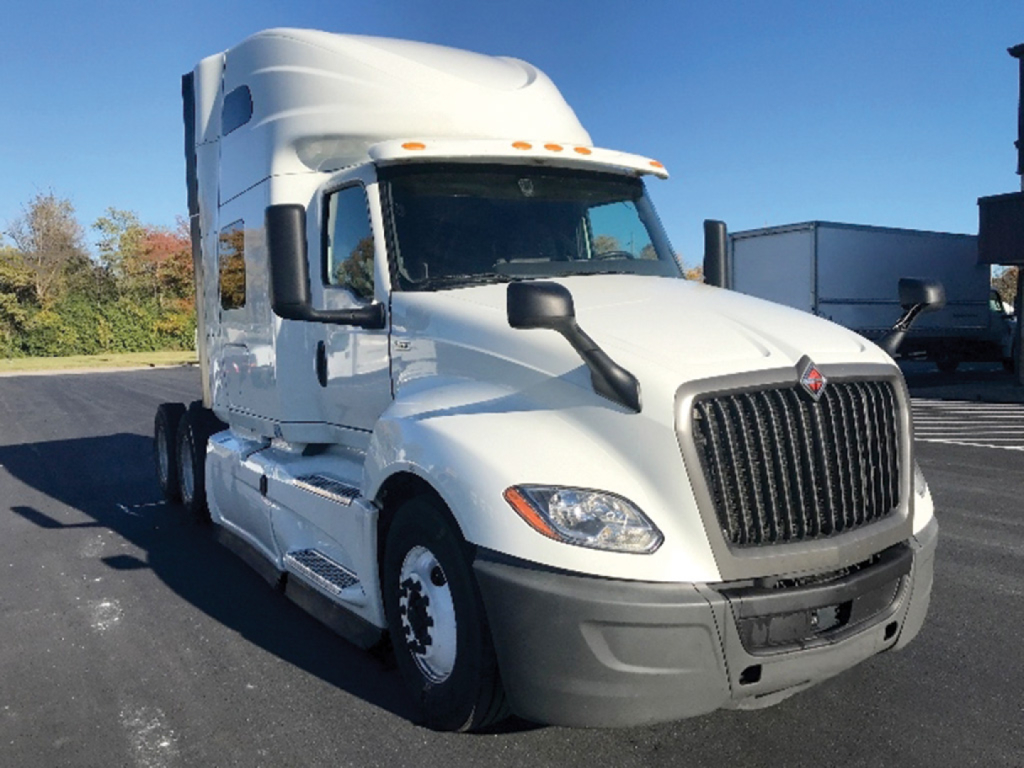
Sleeper layout matters as much as drivetrain. A 72-inch or 73-inch hi-rise sleeper is common on these trucks and gives enough room for over-the-road use, especially in team or multi-day operations. Double bunks, bunk heaters, power accessories, telescoping wheel adjustment, and air ride suspension all add value for retention and comfort. On aerodynamic LT625 models, buyers should also check side fairings, cab extenders, roof fairings, quarter fenders, and horizontal exhaust, since those details affect both fuel economy and repair cost. Wheelbase often lands around 222 to 230 inches, which is a practical range for standard trailer work while still giving some flexibility in fifth wheel placement and kingpin settings.
For Illinois buyers, corrosion, emissions history, and idle hours deserve extra attention. Trucks that have worked through Chicago-area freight lanes or Midwest winters should be checked carefully for frame rust, crossmember condition, fairing damage, suspension wear, and wiring issues around the aftertreatment system. Disc versus drum brakes, super singles versus duals, aluminum versus steel wheels, and fuel capacity should all be matched to the lane and maintenance plan. A well-specced International sleeper can be a strong fit for long-haul dry van, reefer, and dedicated contract freight, especially when the truck's gearing, sleeper size, and emissions package line up with the actual route profile.
Frequently Asked Questions about International Conventional Sleeper Trucks in Illinois
What is the difference between an International LT625 and an older International 9400i sleeper?
The International LT625 is a newer aerodynamic conventional sleeper designed for fuel efficiency, driver comfort, and modern fleet use. It commonly features integrated fairings, automated transmissions, advanced safety systems, and engines such as the Cummins X15 or Navistar A26. The older 9400i has a more traditional long-nose design and is often sought after for pre-emissions simplicity, conventional manual transmission setups, and easier owner-operator style serviceability. The better choice depends on whether fuel economy and modern specing matter more than mechanical simplicity.
What engine is common in International conventional sleeper trucks?
Common engines in International sleeper tractors include the Cummins X15, Navistar A26, and in older models the Cummins ISX. Most used highway specs fall around 400 to 450 horsepower with a 40,000 lb tandem rear axle. The X15 is widely recognized for broad dealer support and heavy linehaul use, while the A26 is known for lighter weight and fuel-focused highway performance. Engine choice should be evaluated with transmission type, axle ratio, and maintenance history rather than horsepower alone.
Is an automatic transmission a good choice in a used International sleeper truck?
An automatic or automated manual can be a very good choice in a used International sleeper, especially for fleet freight, urban congestion, and operations with multiple drivers. These transmissions reduce fatigue, simplify training, and often pair well with fuel-economy rear axle ratios. Buyers should still confirm clutch actuation history, calibration status, software updates, and overall driveline smoothness on a road test. A manual transmission may still appeal to buyers who want maximum control in specialized or heavier-duty applications.
What sleeper size is typical on an International conventional sleeper?
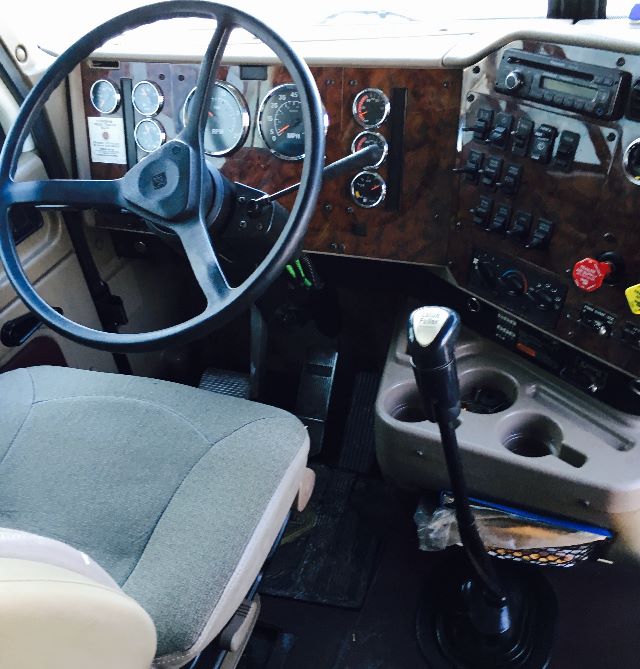
A 72-inch to 73-inch hi-rise sleeper is very common on International long-haul tractors. That size provides enough room for single-driver over-the-road work and can also support team operation when equipped with upper and lower bunks. Beyond sleeper length, buyers should look at storage layout, bunk heater, HVAC performance, insulation, and the condition of interior trim. Sleeper comfort affects uptime and driver retention more than many buyers expect.
What should Illinois buyers inspect on a used International sleeper tractor?
Illinois buyers should pay close attention to rust, fairing condition, aftertreatment health, and suspension wear because Midwest weather and stop-and-go freight can accelerate deterioration in those areas. Check the frame rails, crossmembers, battery box supports, cab mounts, and the underside of the sleeper for corrosion. Review DPF and SCR service records, inspect wiring and sensors, and look for signs of repeated regen or derate issues. It is also smart to verify tire wear pattern, brake type, wheel seals, fifth wheel operation, and any damage to aerodynamic panels that could add repair cost after purchase.