
2022 International Conventional Sleeper Trucks For Sale in Nebraska
Shop 2022 International conventional sleeper trucks in Nebraska. Compare LT and LoneStar specs, sleeper sizes, powertrains, wheelbases, and features.
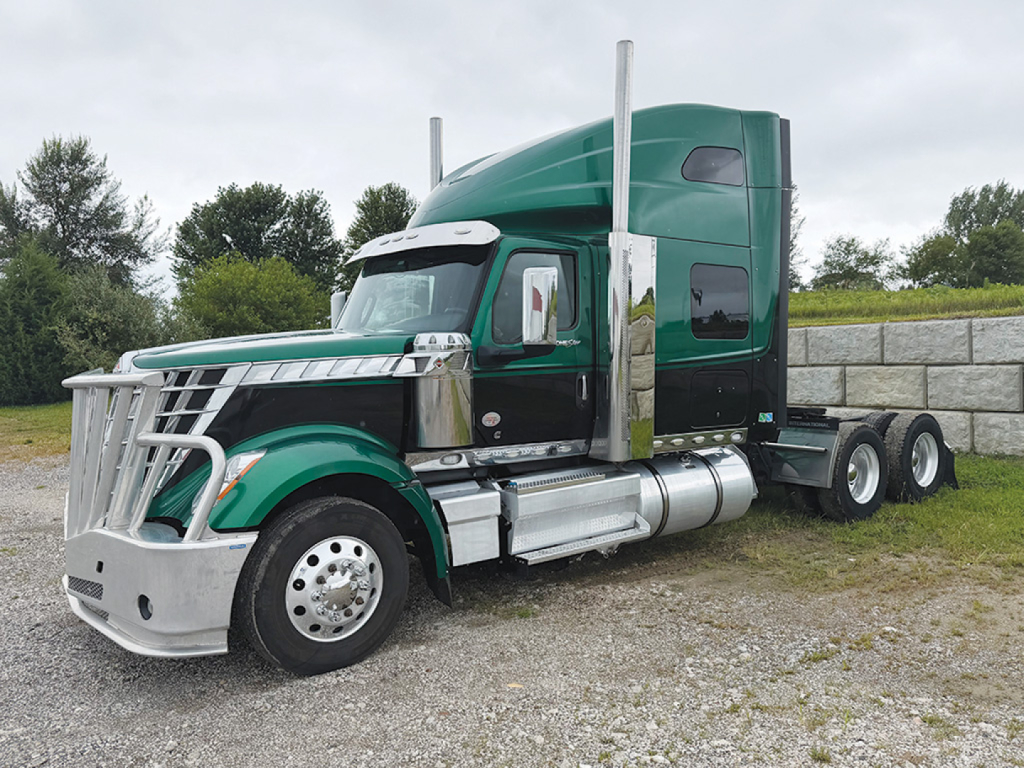
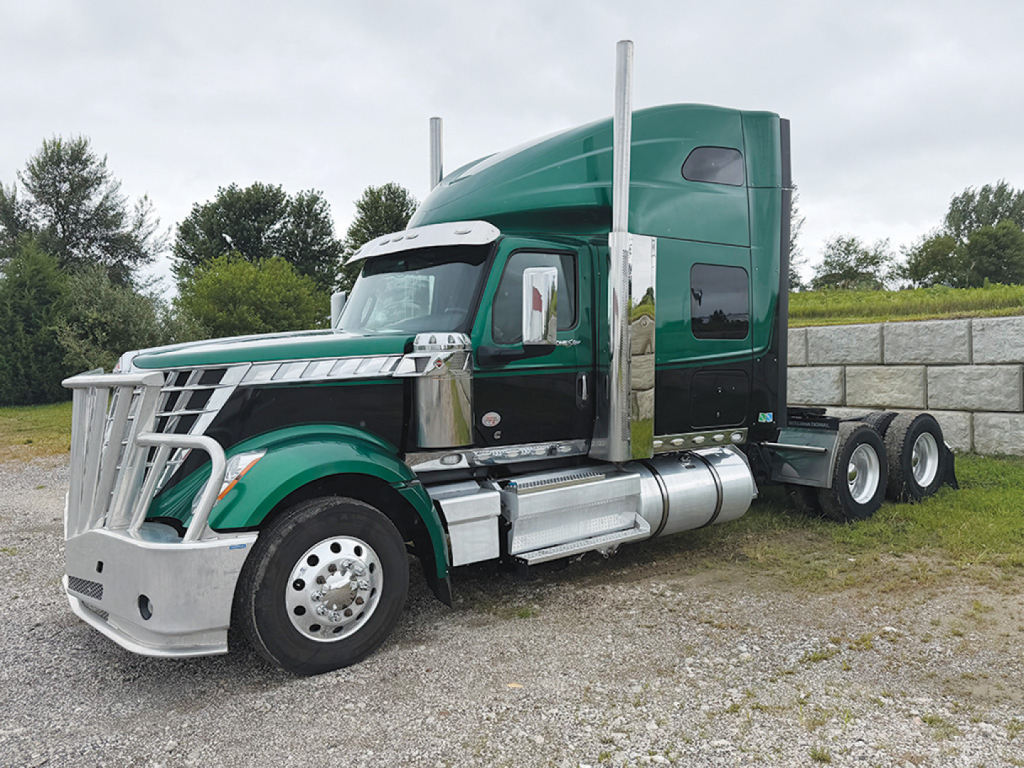
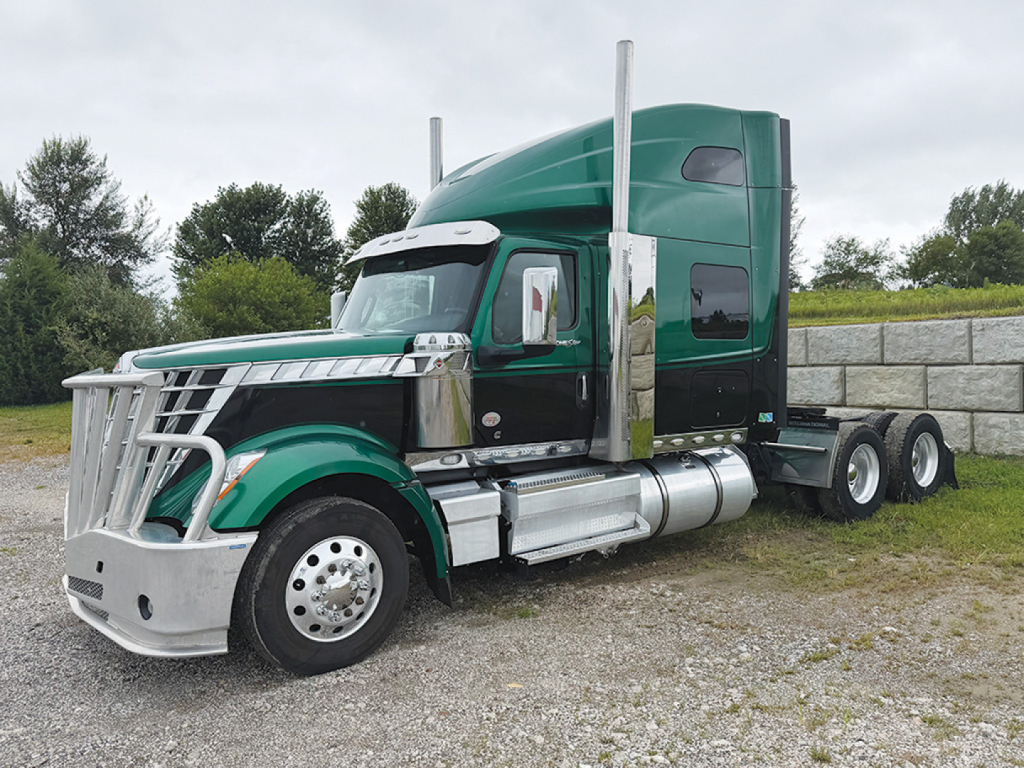
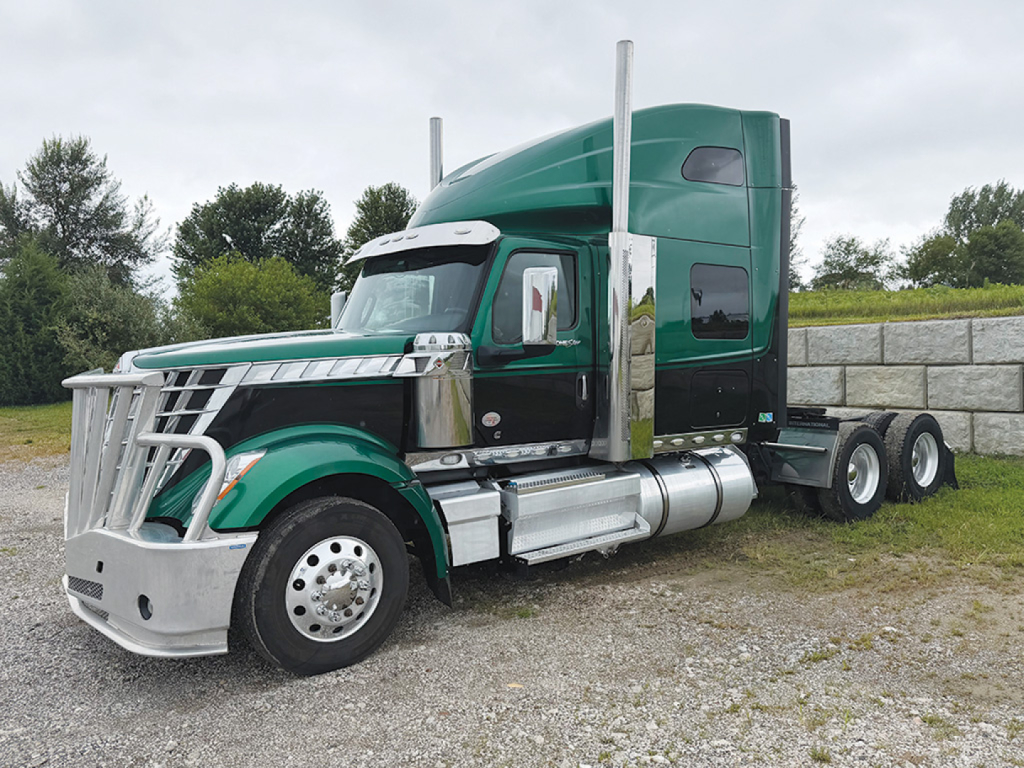
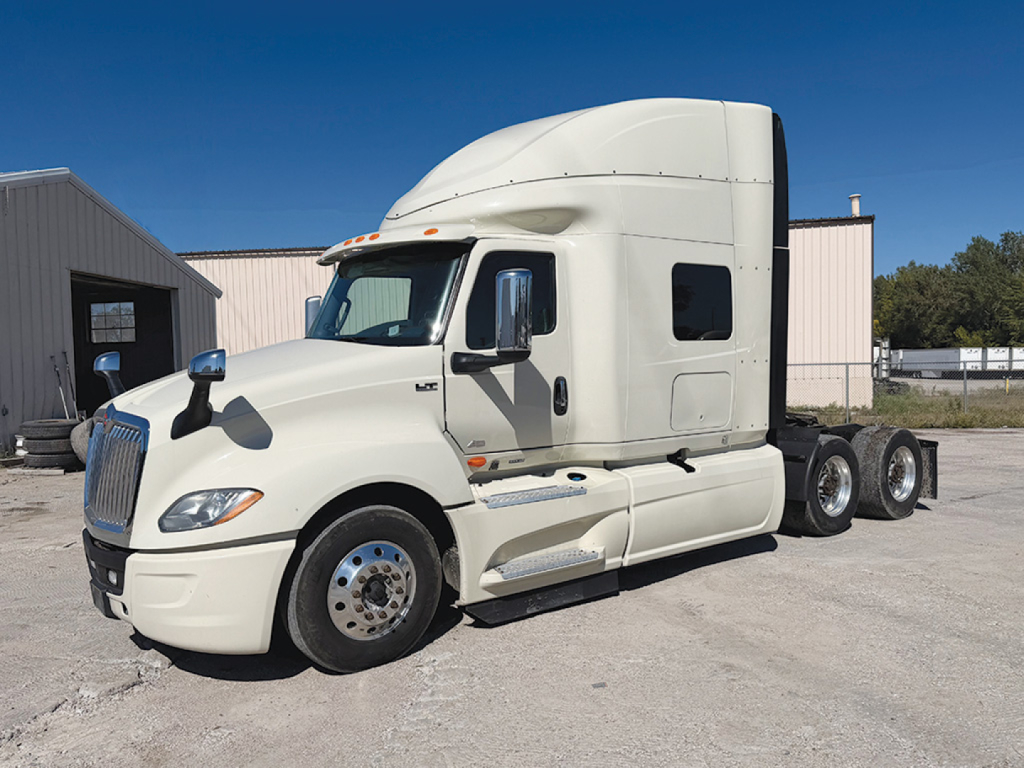
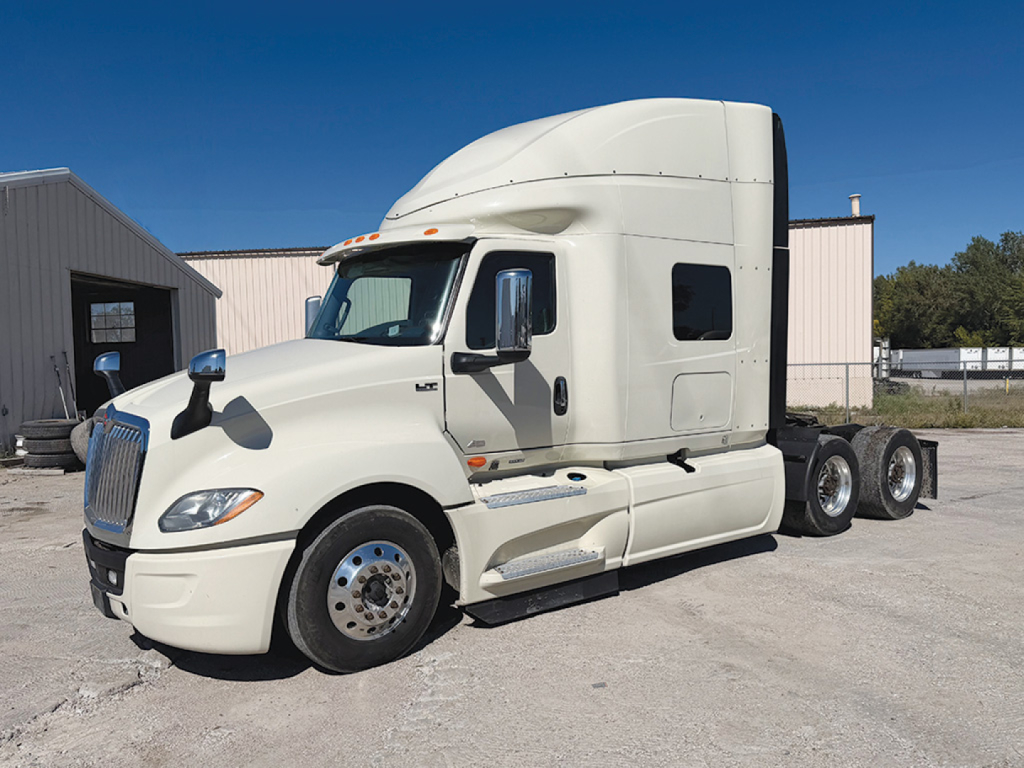
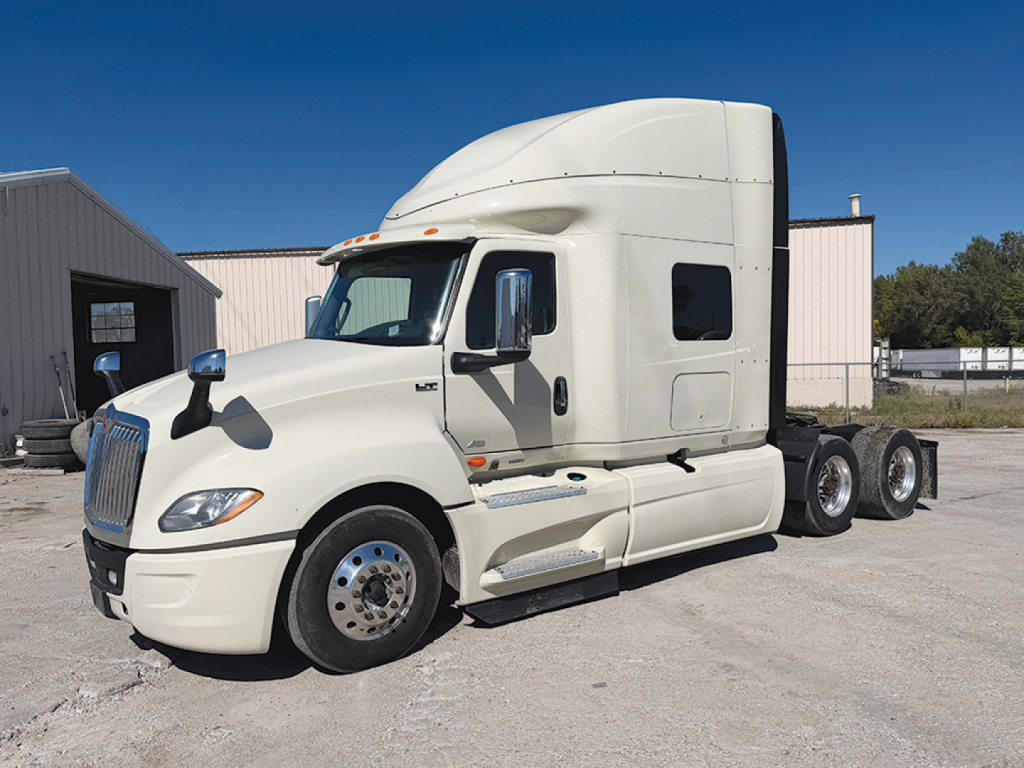
Selling a 2022 international conventional sleeper truck? List your 2022 international conventional sleeper truck for sale and reach thousands of commercial buyers.
2022 International Conventional Sleeper Trucks in Nebraska
The biggest buying decisions are usually engine, transmission, rear ratio, and sleeper layout. Many 2022 International sleepers are spec'd with the Cummins X15, commonly in the 400 to 500 horsepower range, paired with either an automated manual or a manual transmission depending on the original buyer. A 2.64 or similar tall rear ratio points to fuel economy and high-speed linehaul use, while a 3.25 or 3.42 ratio is better suited to heavier loads, more grade work, or drivers who want stronger startability. Most conventional sleepers in this class run tandem 40,000 lb rears, air ride suspension, an air slide fifth wheel, and wheelbases that land in the mid-230s to 250 inches depending on sleeper size and fuel capacity.
Sleeper configuration matters more than many first-time buyers expect. A 73-inch hi-rise or sky-rise sleeper is common on International long-haul trucks and gives enough room for an upper bunk, storage, and often a refrigerator or bunk heater. That matters in Nebraska and across the Plains, where winter operation, overnight parking, and long dispatch cycles make driver amenities more than a luxury. Fairings, cab extenders, horizontal exhaust, and dual aluminum tanks are all normal features on an aerodynamic highway spec, while chrome trim, dual stacks, and polished accessories are more common on owner-operator oriented trucks like the LoneStar. Safety and convenience items such as collision mitigation, cruise control, tilt-telescoping steering, and power windows are also common on later-model units.
A smart comparison goes beyond mileage and price. Check the wheelbase against your trailer swing needs, confirm the fifth wheel travel and kingpin setting range, and look at brake type, tire size, and suspension spec for your freight. Review idle reduction equipment, bunk HVAC, and emissions history if the truck will stay on regional or long-haul duty. On a 2022 International sleeper, the right spec is the one that matches lane speed, gross combination weight, and driver expectations, not just the highest horsepower number on the door.
Frequently Asked Questions about 2022 International Conventional Sleeper Trucks in Nebraska
What engines are common in 2022 International conventional sleeper trucks?
The Cummins X15 is one of the most common engines found in 2022 International sleeper trucks, especially in long-haul LT and LoneStar specifications. Horsepower ratings often fall in the 400 to 500 horsepower range, with torque selected based on fuel economy goals, trailer type, and average gross weight. Buyers should look beyond horsepower and confirm the full drivetrain, including transmission model, rear axle ratio, and any idle reduction or engine brake equipment, because those details have a major effect on highway performance and operating cost.
What is the difference between an International LT and an International LoneStar sleeper?
The International LT is the more common aerodynamic highway tractor, designed around fuel efficiency, fleet serviceability, and driver comfort for linehaul work. The LoneStar is also a conventional sleeper tractor, but it has a distinctive long-hood appearance and is often spec'd with more owner-operator styling, premium trim, and cosmetic upgrades. Functionally, both can be set up for similar freight applications, so the real decision usually comes down to aerodynamics, appearance, sleeper trim, and how the truck was originally spec'd.
What rear axle ratio is best in a 2022 International sleeper truck?
A lower numerical ratio such as 2.64 is generally preferred for fuel-efficient highway operation at steady interstate speeds, especially when paired with an automated transmission and aerodynamic trailer. A higher numerical ratio such as 3.25 or 3.42 gives better launch performance and can be a better fit for heavier freight, more hills, or applications with frequent speed changes. The best ratio depends on cruising speed, tire size, transmission gearing, and the weight profile the truck will pull most often.
Is a 73-inch sleeper enough for long-haul trucking?
Yes, a 73-inch sleeper is a common and practical long-haul configuration. It typically provides room for a bunk setup, storage cabinets, and optional equipment such as a refrigerator, bunk heater, or upper bunk. For teams or drivers who spend extended time on the road, sleeper layout and storage design matter just as much as size on paper, so it is worth comparing interior packaging, bunk access, and HVAC features before buying.
What should I inspect first on a used 2022 International sleeper tractor?
Start with the powertrain spec and maintenance history, then verify emissions system service records, brake condition, tire wear pattern, suspension condition, and any fault codes. After that, confirm the practical fit of the truck by checking wheelbase, fifth wheel travel, sleeper equipment, and fuel tank capacity against the trailers and lanes the truck will run. A clean spec match usually saves more money over time than buying the least expensive truck in the category.