
International Truck and Trailer Trucks For Sale
Shop International truck and trailer combinations, including day cabs and sleepers paired with dry vans and vocational trailers.
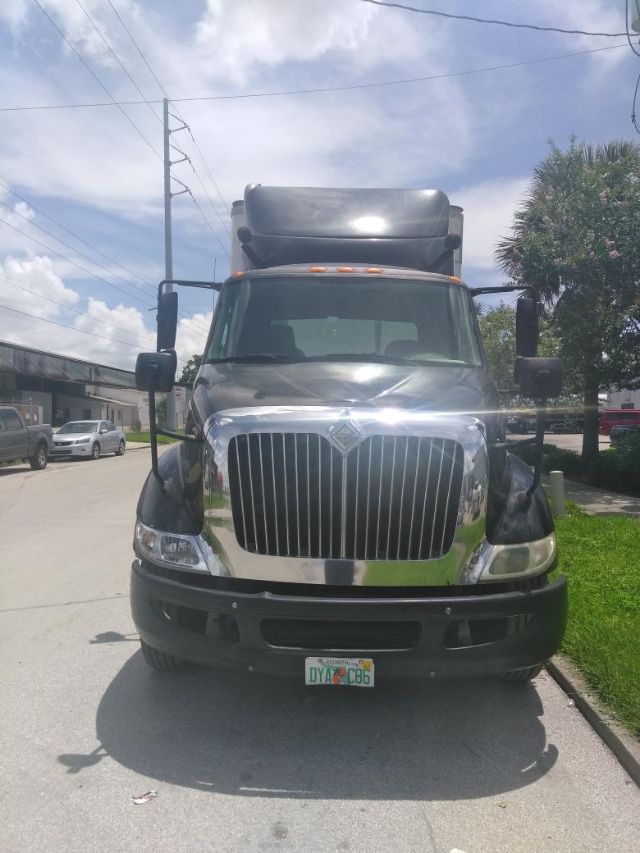
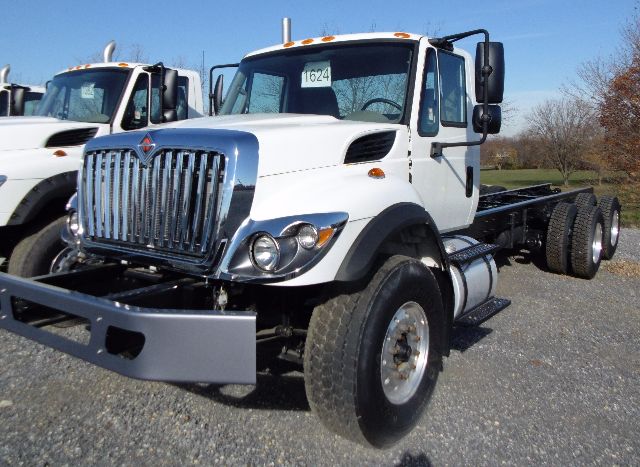

Selling a international truck and trailer truck? List your international truck and trailer truck for sale and reach thousands of commercial buyers.
International Truck and Trailer Trucks
For highway use, many International truck and trailer packages are spec'd with tandem drive axles, air ride suspension, 10-speed or automated transmissions, and sleeper or condo cabs. Engines may include International-built diesels or common alternatives such as Cummins, depending on model year and original spec. Buyers should look closely at horsepower, rear axle ratio, wheelbase, fuel capacity, and gross combination weight suitability for the freight being hauled. If the package includes a 53-foot dry van, details like swing or roll doors, trailer suspension, roof condition, floor wear, and brake type matter just as much as cab condition and engine history.
For vocational and medium-heavy applications, International 7400-series and similar trucks are often configured as SBA 6x4 platforms for trailer work, equipment hauling, municipal service, or regional jobsite support. In these setups, front axle capacity, frame rating, PTO compatibility, hitch arrangement, and body clearance become important. A truck with low miles can still need a careful inspection of age-related items such as tires, seals, batteries, and air system components. On used truck and trailer combinations, maintenance records, ECM data, suspension wear, kingpin and fifth wheel condition, and trailer brake performance usually tell more than odometer mileage alone.
A strong International truck and trailer package should match the lane, payload, and duty cycle it will actually run. Sleeper trucks with larger fuel capacity and driver amenities fit longer routes, while day cab or vocational setups make more sense for local or specialized work. Buyers comparing listings should verify DOT inspection status, tire age, emissions system service history, transmission type, and any recent repairs to the truck and trailer together. That approach gives a clearer picture of operating cost, compliance risk, and how quickly the unit can go to work.
Frequently Asked Questions about International Truck and Trailer Trucks
What should I check first on an International truck and trailer combination?
Start with the truck and trailer as a matched operating unit. Confirm the truck's engine, transmission, axle ratings, suspension, and wheelbase are appropriate for the trailer type and expected payload. Then inspect the trailer floor, roof, brakes, suspension, tires, and door hardware. Maintenance records, emissions history, fifth wheel condition, and kingpin wear are usually more important than appearance when evaluating a used combination.
Are International ProStar and similar sleeper trucks a good fit for dry van trailer work?
Yes, many International sleeper tractors are commonly used for dry van, regional, and long-haul freight. The right fit depends on engine rating, transmission, rear axle ratio, sleeper size, and fuel capacity. A condo sleeper with larger tanks and driver amenities suits longer routes, while a simpler sleeper or day cab setup may be better for shorter regional lanes.
What is the difference between an International highway tractor and an International 7400-series truck with a trailer?
A highway tractor is built primarily for pulling semi-trailers in freight service and is usually optimized for ride quality, fuel range, and road speed. An International 7400-series truck is more often a vocational or severe-service platform, commonly used for municipal, construction, equipment hauling, or specialized regional work. Buyers should expect different frame ratings, axle capacities, suspension choices, and hitch or PTO options between the two.
How important is trailer spec when buying a truck and trailer package?
Trailer spec is critical because it directly affects payload, maintenance cost, loading efficiency, and DOT compliance. A 53-foot dry van with air ride suspension, solid floor condition, good brakes, and sound door seals will perform very differently from a worn trailer that needs immediate repairs. A good truck paired with a poor trailer can still create downtime and added expense.
What common specs matter most on used International truck and trailer listings?
The most important specs usually include engine make and horsepower, transmission type, axle configuration, suspension, cab style, sleeper size if equipped, fuel capacity, tire size, and brake system. On the trailer side, buyers should focus on length, suspension type, door style, brake condition, floor and roof integrity, and tire condition. These details help determine how well the unit fits the intended route, freight, and operating budget.