
2007 International Trucks For Sale
2007 International trucks, engines, emissions, weight, durability, and body specs to match payload, routes, and maintenance goals.
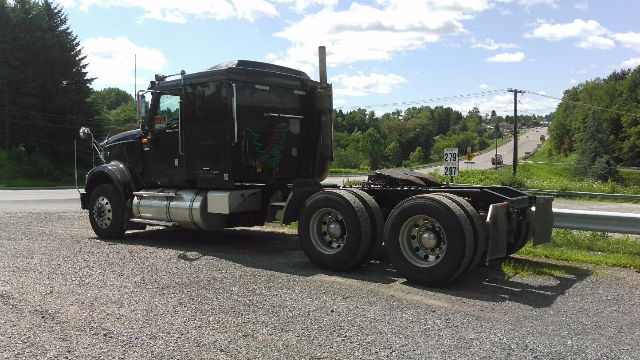

Selling a 2007 international truck? List your 2007 international truck for sale and reach thousands of commercial buyers.
2007 International Trucks
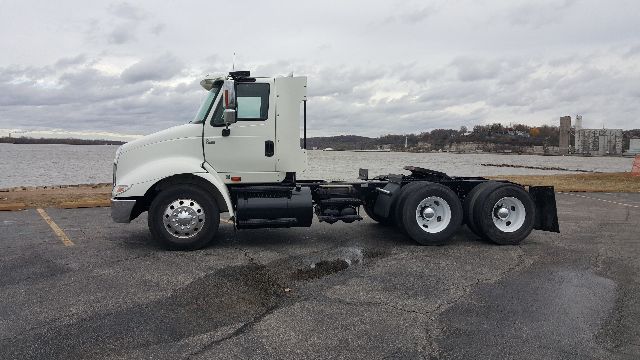
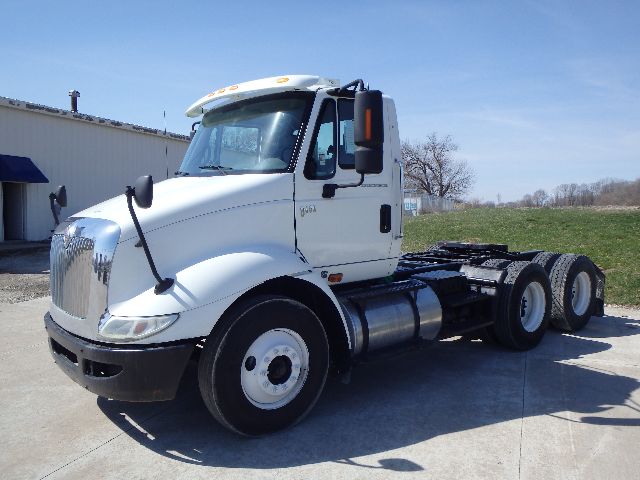
Tare weight varies by configuration and spec; a ProStar or 9400i day cab typically falls in the high 17,000 to low 19,000 pound range, while a 72 inch mid roof sleeper can add 1,000 to 1,800 pounds depending on wheelbase, tanks, and fairings. Aerodynamic ProStar trims reduce drag and fuel burn at highway speeds, while classic 9400i or 9900i cabs trade some efficiency for simplicity and service access. Eaton Fuller 10, 13, or 18 speed manuals remain common, Allison 3000 or 4000 series suit pickup and delivery or refuse duty, and rear axle ratios around 3.36 to 3.90 suit regional and linehaul service, with 4.10 and deeper favored for vocational torque rise. Match gearing to cruise rpm in the 1,250 to 1,450 range at road speed to balance gradeability and fuel economy.
For straight trucks with dry van or reefer bodies, floor strength and thermal integrity determine usable payload and product protection. Look for laminated hardwood floors or aluminum duct floors with 12 inch crossmember spacing and published forklift ratings, many quality bodies in this era carry 16,000 to 20,000 pound floor ratings; heavier-duty builds may tighten crossmember spacing to 10 inches. Scuff liners at 12 to 24 inches, heavy rear threshold plates, and steel or composite corner caps reduce impact damage. Reefer bodies rely on high density polyurethane foam panels, 2.5 to 4 inch wall thickness with sealed seams and proper door gaskets preserve thermal integrity; check for delamination, punctures, or warm-side condensation tracks that indicate insulation loss.
Corrosion resistance comes from e coated cabs, undercoated frame rails, stainless hardware, and aluminum component choices such as wheels, steps, and fuel tanks. On older chassis, inspect frame flanges near suspension hangers, cab mounts, battery boxes, and radiator supports for scale or pitting; salt belt trucks may show seam rust at cab corners and door bottoms. Aftertreatment upkeep is critical on 2007 systems, plan for DPF ash cleaning roughly every 200,000 to 300,000 miles depending on duty cycle, verify EGR cooler and valve service history, and scan for active or pending fault codes. A clean oil sample, solid service documentation, and tight driveline and suspension bushings will signal a truck that can deliver reliable miles with predictable operating costs.
Frequently Asked Questions about 2007 International Trucks
What engines are common in 2007 International trucks and what should I know about emissions systems?
Typical engines include International DT and HT series or early MaxxForce variants in medium duty, plus Cummins ISM or ISX and Caterpillar C13 or C15 in many Class 8 models. Most 2007 units use cooled EGR, a diesel oxidation catalyst, and a diesel particulate filter to meet EPA 2007 standards. Confirm DPF service intervals, EGR cooler history, and that sensors, dosers, and wiring in the aftertreatment system are functioning correctly, since deferred emissions maintenance can raise operating costs.
How much do 2007 International tractors weigh empty and how does that affect payload?
Unladen weight depends on spec. A typical day cab ProStar or 9400i often runs in the 17,500 to 19,000 pound range with aluminum wheels and a 10 speed, while similar sleepers can add 1,000 to 1,800 pounds. Heavier suspensions, steel wheels, full fairings, and larger fuel tanks will add weight. Lower tare weight increases legal payload and can improve fuel economy, but do not underspec frame or suspension capacity for your routes and trailer weights.
What should I inspect to evaluate corrosion resistance on a 2007 International chassis and cab?
Check frame rails and flanges around suspension hanger brackets, fifth wheel mounts, and crossmembers for flaking or pitting. Look under battery boxes and around cab mounts for hidden rust. Inspect cab corners, door bottoms, and windshield pinch welds for seam corrosion. Aluminum wheels, tanks, and steps help mitigate rust, and an intact e coat or undercoating slows deterioration. Surface scale is common with age; structural thinning or perforation requires repair or component replacement.
For a 2007 International box or reefer truck, what floor strength and insulation specs are worth prioritizing?
Seek laminated hardwood or aluminum duct floors with 12 inch crossmember spacing or tighter, and a published forklift rating that aligns with your freight, many bodies in this period are rated 16,000 to 20,000 pounds. Add scuff liners and rear threshold protection to curb impact damage. For reefers, polyurethane foam wall and roof thickness in the 2.5 to 4 inch range, intact door seals, and undamaged thermal breaks preserve temperature control and reduce reefer unit run time.
Which transmissions and axle ratios pair well with 2007 International tractors for different routes?
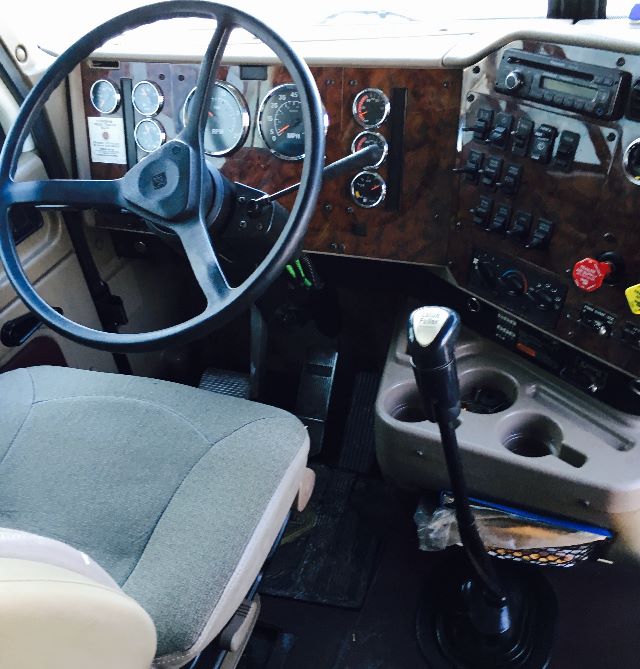
Eaton Fuller 10 and 13 speeds are common for regional and linehaul, with 18 speed favored for heavy or mountainous work; Allison 3000 or 4000 automatics suit stop start and vocational duty. Match rear axle ratios to cruise speed and tire size so the engine sees about 1,250 to 1,450 rpm at highway cruise, often 3.36 to 3.90 for highway service and 4.10 or deeper for vocational. Proper gearing balances startability, gradeability, and fuel economy for your route profile.