
2026 International Trucks For Sale
Shop 2026 International trucks for sale, including vocational and highway models with diesel power, durable chassis options, and modern driver features.
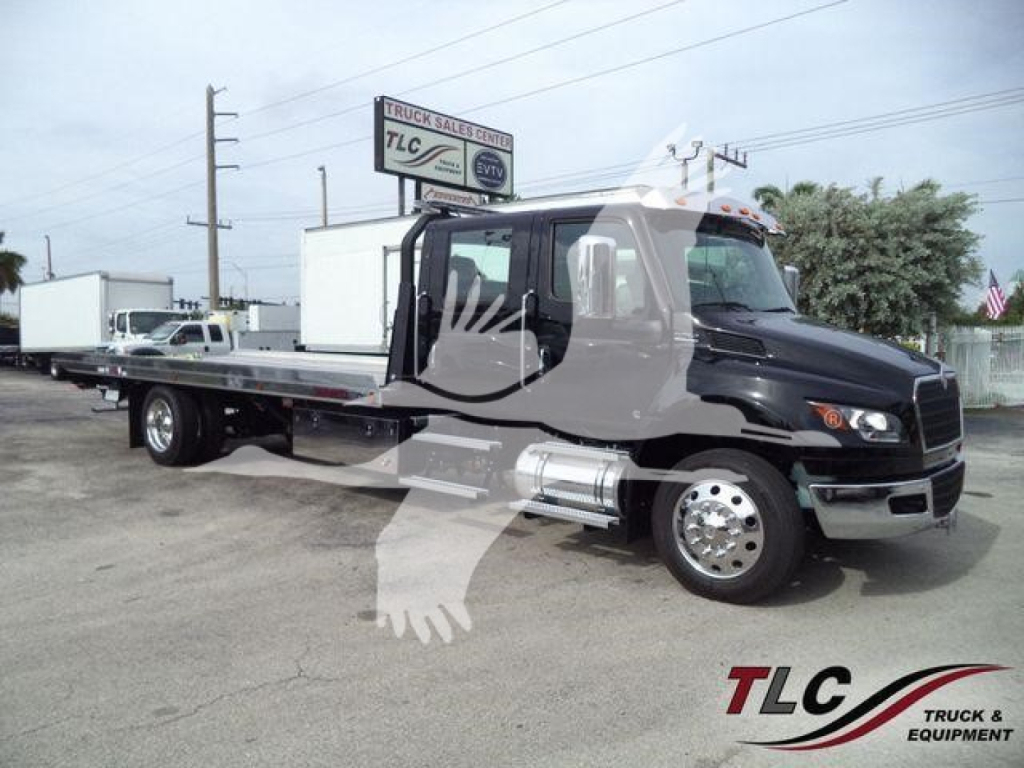
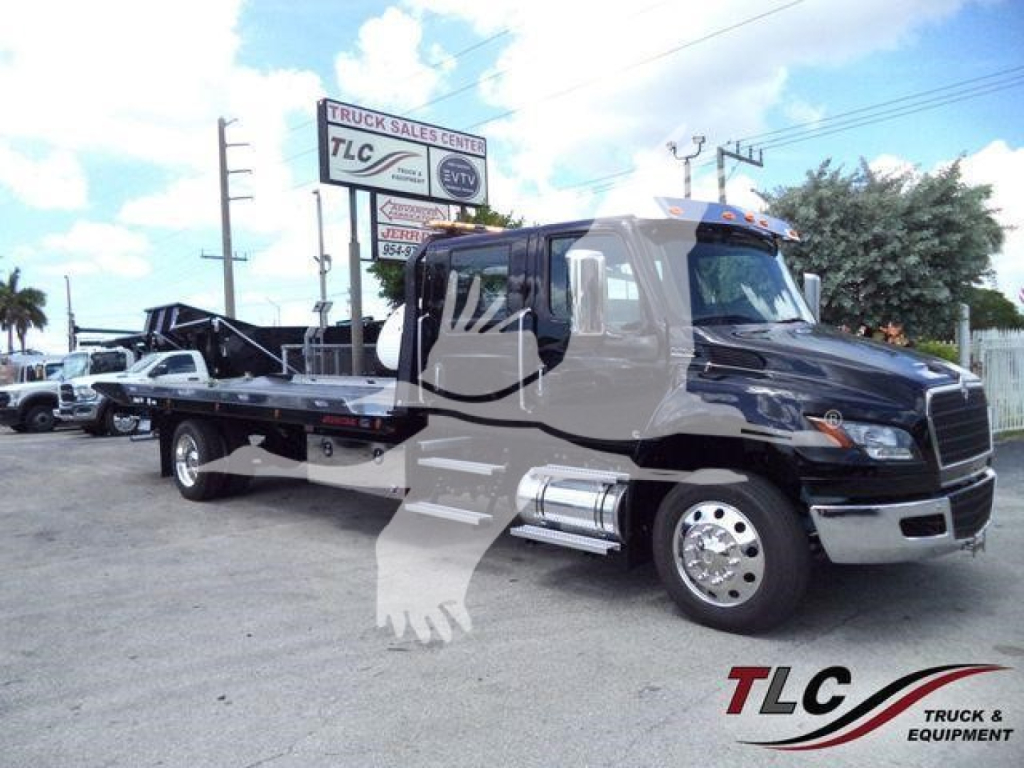
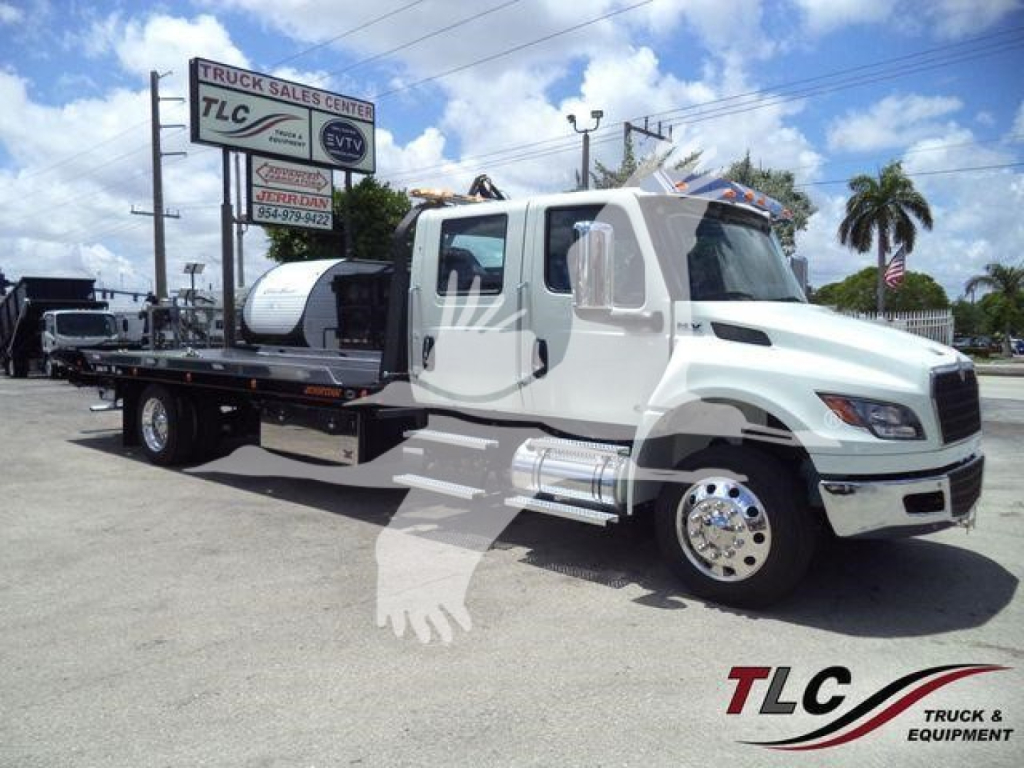
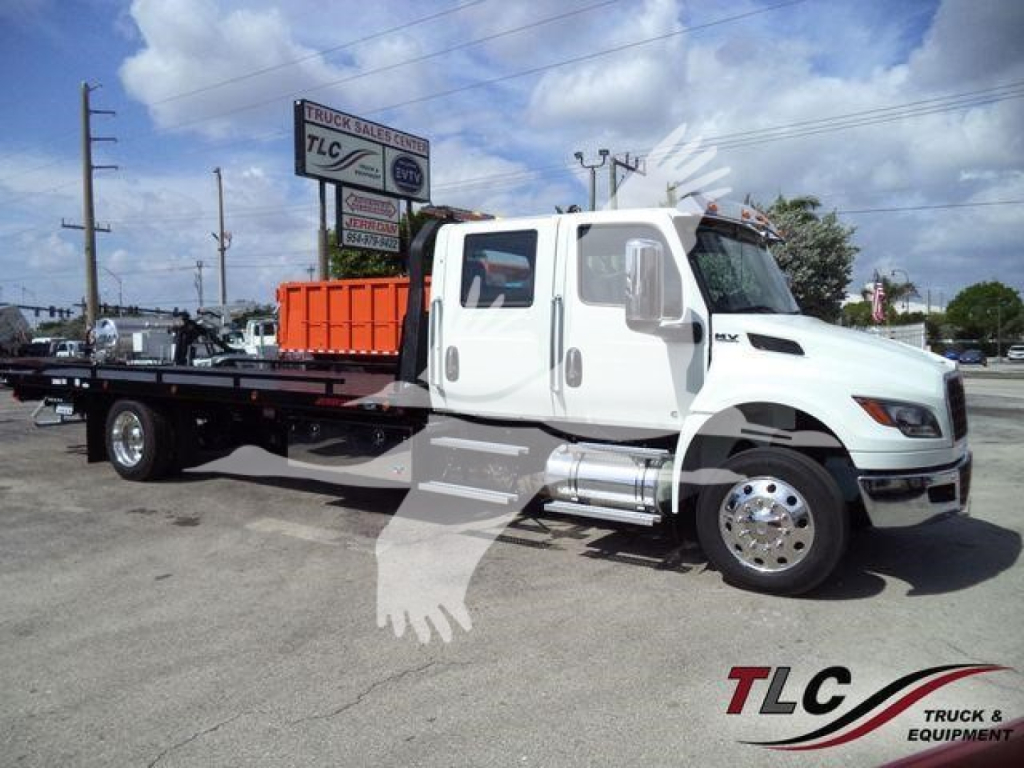
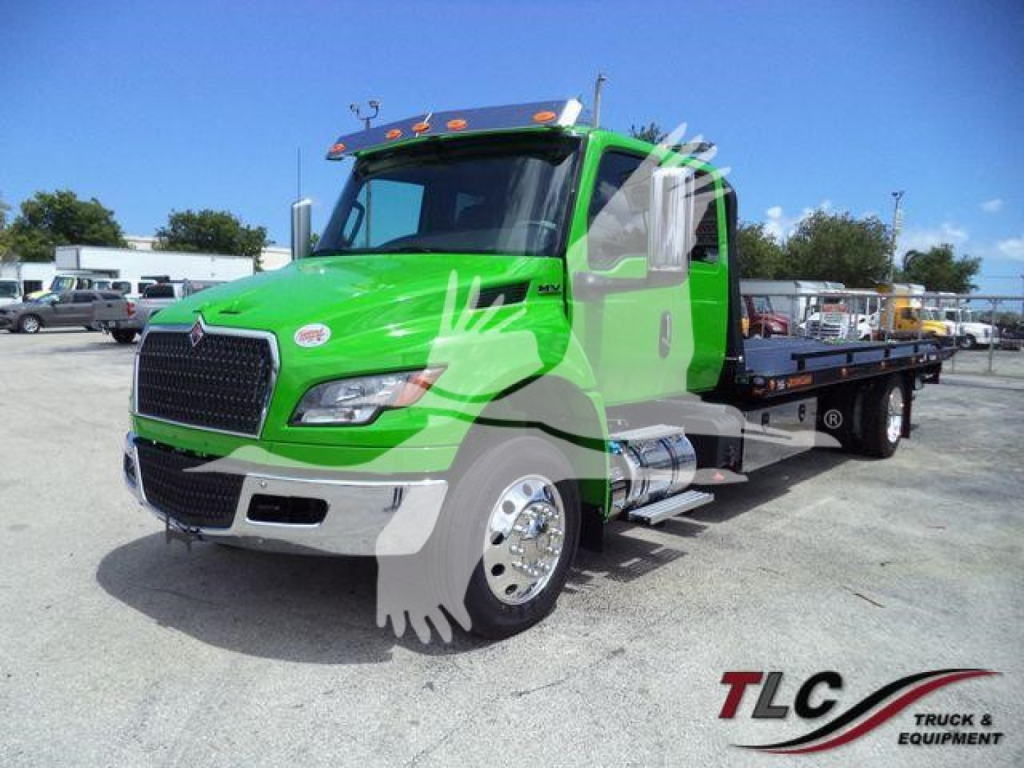
Selling a 2026 international truck? List your 2026 international truck for sale and reach thousands of commercial buyers.
2026 International Trucks
A smart buying decision usually starts with the truck's intended body and duty cycle. On medium-duty International trucks, buyers often focus on cab-to-axle length, wheelbase, front axle rating, rear axle capacity, and whether the truck has air brakes or hydraulic brakes. Tow and rollback applications commonly call for extended cab layouts, Allison automatic transmissions, air ride suspension, 22.5-inch rubber, and a longer wheelbase for cleaner weight distribution with a carrier body or wheel lift installed. For dump, plow, and municipal use, axle configuration, PTO compatibility, frame strength, and upfit clearance matter more than appearance. On heavy-duty International daycabs, spec points like rear axle ratio, fifth wheel setup, suspension type, and engine horsepower have a direct effect on startability, cruise RPM, and fuel economy.
International trucks are popular with fleets that need straightforward serviceability and application-specific spec'ing rather than a one-size-fits-all platform. Buyers comparing 2026 models should look closely at cab configuration, visibility, turning radius, fuel tank placement, suspension, and electronic features that affect uptime and driver acceptance. In vocational service, details such as polished or aluminum fuel tanks, work lighting, power mirrors, air ride seats, and integrated switch panels can make a difference in daily use. If the truck will carry a body, confirm the frame rail layout, exhaust routing, and any factory provisions for body builder integration. If the truck will pull a trailer, verify axle ratings, wheelbase, and drivetrain gearing against the actual load profile.
The strongest value in a 2026 International truck usually comes from matching the spec to the job, not simply choosing the highest horsepower or largest GVWR available. A rollback needs different geometry and balance than a snow plow truck, and a regional daycab tractor needs different gearing than a stop-and-go municipal unit. International's current truck lineup gives buyers options across those roles, with configurations that can prioritize payload, maneuverability, operator comfort, or vocational durability. The best listings in this category are the ones with complete chassis information, clear upfit details, and enough drivetrain data to show exactly how the truck was built to work.
Frequently Asked Questions about 2026 International Trucks
What types of 2026 International trucks are most common on the market?
The most common 2026 International trucks typically fall into two groups: medium-duty vocational trucks and heavy-duty daycab or regional haul tractors. Medium-duty models such as the International MV are frequently built as tow trucks, rollback carriers, dump trucks, utility trucks, or service body chassis. Heavy-duty International models are more often spec'd for tandem-axle tractor work, municipal applications, or specialized hauling. The exact configuration matters more than the badge alone, because International trucks are often ordered with job-specific wheelbases, axle ratings, and body-ready chassis layouts.
What should I check first when comparing 2026 International vocational trucks?
Start with the chassis dimensions and weight ratings. Cab-to-axle length, wheelbase, GVWR, front and rear axle ratings, suspension type, and brake system determine whether the truck is properly matched to the body and payload. On a rollback or wrecker, confirm bed length, wheel lift rating, winch capacity, and weight distribution. On a dump or municipal truck, look at PTO setup, frame specification, plow or spreader compatibility, and corrosion-resistant body materials. These details tell you more about real-world suitability than cosmetic features.
Are 2026 International trucks available with both automatic and manual transmissions?
Yes. Transmission choice depends on the model and the intended application. Medium-duty International trucks in towing, pickup and delivery, and municipal service are often equipped with Allison automatic transmissions because they improve ease of operation in stop-and-go work and reduce driver training time. Heavy-duty conventional models may still be found with manual transmissions or automated options, especially where buyers want tighter control over gearing, fuel economy, or vocational PTO operation. The right transmission should be matched to terrain, payload, and driver experience.
Which engine and drivetrain specs matter most on a 2026 International truck?
The most important drivetrain specs are engine horsepower, torque output, transmission type, rear axle ratio, axle configuration, and suspension. Horsepower alone does not tell the full story. A truck with moderate horsepower and the correct rear ratio can outperform an overpowered truck with the wrong gearing for the route. For local vocational work, low-speed torque, PTO compatibility, and durability under frequent starts are often more important than highway cruise speed. For road tractors, rear ratio and transmission pairing have a major impact on fuel economy and operating RPM.
How do I know if a 2026 International truck is properly spec'd for a body or upfit?
Review the frame and chassis details closely. A properly spec'd truck should have the right cab-to-axle measurement, frame rail strength, axle placement, exhaust routing, fuel tank location, and electrical provisions for the intended body. Body builder compatibility is especially important on rollback carriers, wreckers, dump bodies, utility builds, and snow equipment. If those dimensions and factory provisions are wrong, the upfit can become harder to install, weight balance can suffer, and long-term service access may be compromised.