
International Trucks For Sale in Missouri
Shop International trucks in Missouri, from LT sleepers to MV and HV straight trucks; assess engines, tare weight, corrosion resistance and comfort.

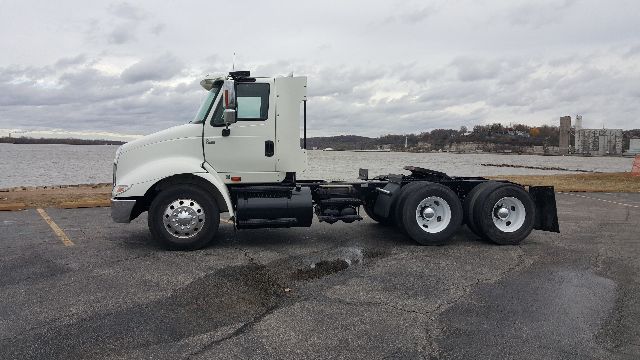
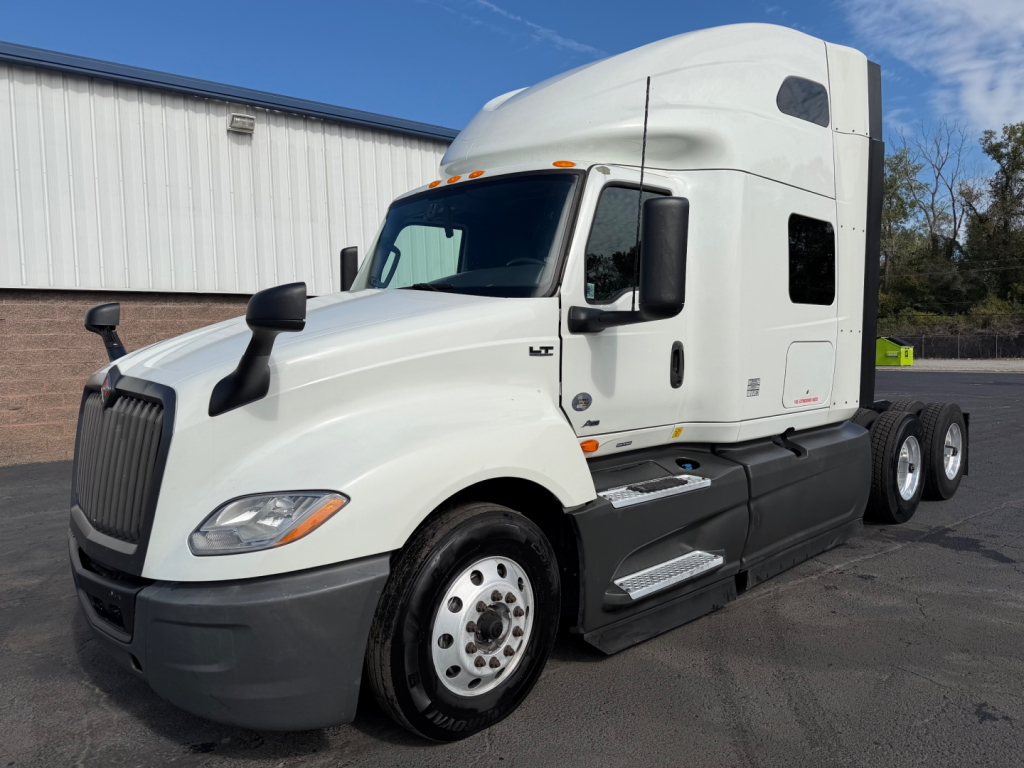
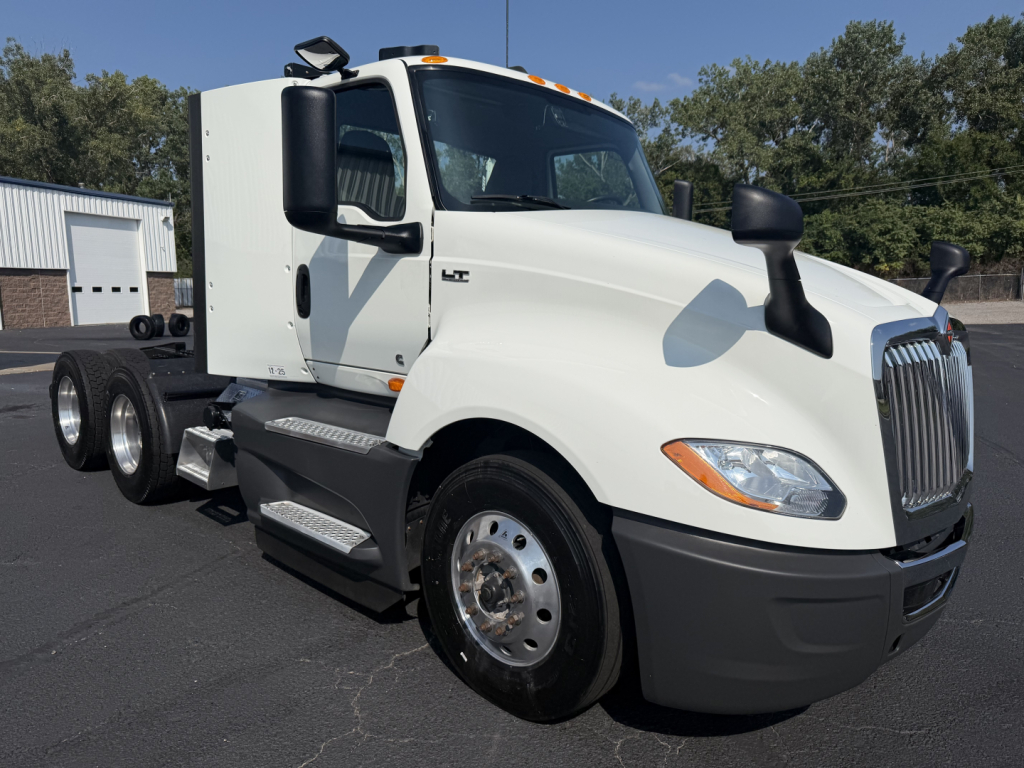
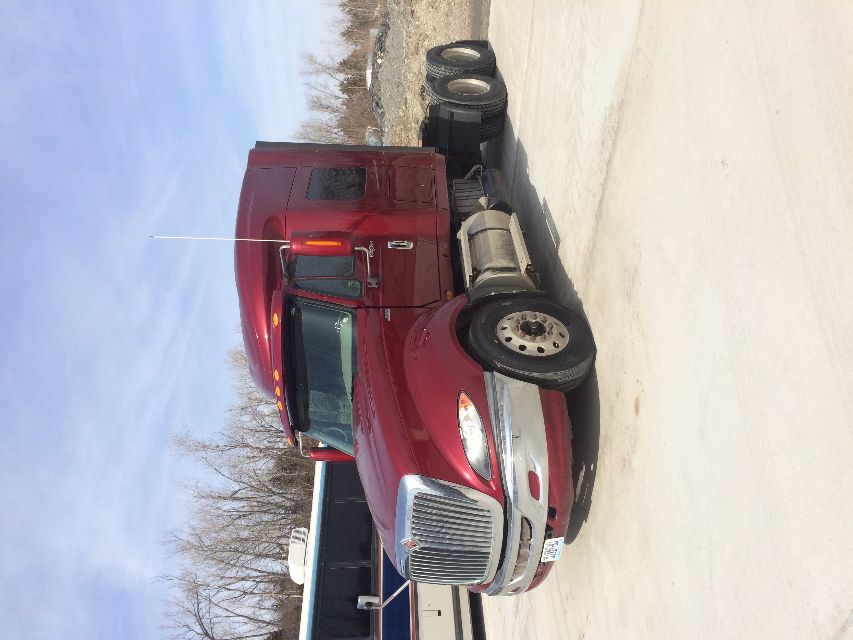
Selling a international truck? List your international truck for sale and reach thousands of commercial buyers.
International Trucks in Missouri
For International semi tractors and daycabs, the A26 12.4L reduces tare weight versus larger blocks yet supports typical regional and long haul at up to 450 hp and 1,750 lb ft when configured appropriately. Cummins X15 is the choice for heavier gross weights or vocational torque needs. Eaton Endurant or UltraShift automated manuals reduce driveline losses and driver fatigue, Allison automatics are prevalent on MV and HV vocational units. Lightweight options like aluminum wheels, air tanks and hubs, single vertical exhaust, 6x2 axles or wide base singles can trim weight, verify they align with your traction and resale priorities.
Chassis strength and body integration drive floor performance on straight trucks. If you are pairing an MV or HV with a van body, look for 12 inch crossmember spacing, laminated hardwood or aluminum duct floors rated for forklifts, and full height scuff liners to control impact damage. For dumps, mixers and cranes, check frame RBM and section modulus, double frame or full length liners where required, and suspension choices such as Hendrickson PRIMAAX or Haulmaax to spread load forces. On tractors, validate fifth wheel mounting rail coverage, crossmember integrity and slider locking so the deck carries kingpin loads without frame deflection that can crack cab floors or damage driveline angles.
Thermal integrity starts with cab and sleeper insulation, HVAC capacity and airflow management. LT and RH sleepers are available with thermal packages, sunshades and tight door seals that limit heat soak in Missouri summers and retain warmth in winter, battery based APUs or diesel APUs can maintain temperature without idling. Cooling modules with larger charge air coolers, clean shrouds and functional fan clutches are critical for hill pulls on I 44, aftertreatment health depends on proper heat management, so confirm DPF pressure history and dosing performance. Corrosion resistance matters on salted Midwest roads, International frames and cabs typically use e coat or epoxy primer, sealed harness connectors, stainless fasteners and composite steps, undercoating and proper washout routines extend life, aluminum wheels and tanks cut rust exposure but watch for galvanic contact points and use isolators.
Frequently Asked Questions about International Trucks in Missouri
Which International models fit common Missouri applications?
LT and RH tractors are strong choices for linehaul and regional work across the I 70 and I 44 corridors. MV covers box, stake and utility upfits for metro delivery, HV adds frame and axle capacity for dumps, plows and heavy utility, and HX serves severe service needs like lowboy, mixer and heavy dump. Match wheelbase and axle spacing to bridge requirements and your trailer kingpin to avoid tight turning conflicts in towns and job sites.
How should I evaluate tare weight without compromising durability?
Start with engine and transmission choices, the A26 saves weight compared to larger displacement engines, and automated transmissions like Endurant help control overall mass. Use aluminum wheels, air tanks and fuel tanks where appropriate, consider wide base singles or a 6x2 configuration if traction and route profile allow. Balance weight savings against frame RBM, suspension capacity and brake package so the truck still meets your duty cycle and resale expectations.
What floor and body specs matter on an International straight truck?
For van and reefer bodies on MV or HV chassis, target 12 inch crossmember spacing, forklift rated laminated hardwood or aluminum duct floors, full height scuff liners and quality threshold plates to handle dock impacts. Verify body mounting hardware, u bolts and shear plates are properly sized and that the frame offers adequate section modulus, especially with liftgates. For flatbeds and dumps, review deck material thickness, stake pocket reinforcement and hoist selection to ensure the floor carries point loads without deflection.
How is corrosion resistance handled for Midwest winters, and what should I inspect?
International frames and cabs typically use e coat or epoxy primers with sealed electrical connectors and stainless or coated fasteners. Inspect frame rails for rash near suspension hangers, look for intact undercoating, clean wiring terminations with no green corrosion, and tight battery box seals. Aluminum wheels and tanks reduce rust exposure, but check for proper isolators between dissimilar metals to avoid galvanic corrosion, and confirm routine wash practices are feasible for your routes.
What thermal features matter for Missouri heat and hill pulls?
Cab insulation, high capacity HVAC, good door and window seals and functional cab curtains in sleepers preserve thermal comfort. For the powertrain, verify the cooling stack is clean, fan clutch engages properly, and the charge air cooler holds pressure. Aftertreatment needs correct exhaust heat to keep the DPF clear, so check regen history and NOx sensor performance. APUs or park coolers maintain cab temperature during breaks without idling, which saves fuel and protects aftertreatment components.