
2015 International Trucks For Sale
Shop 2015 International trucks by model, engine, axle setup, and application. Compare specs for medium-duty, day cab, and sleeper use.
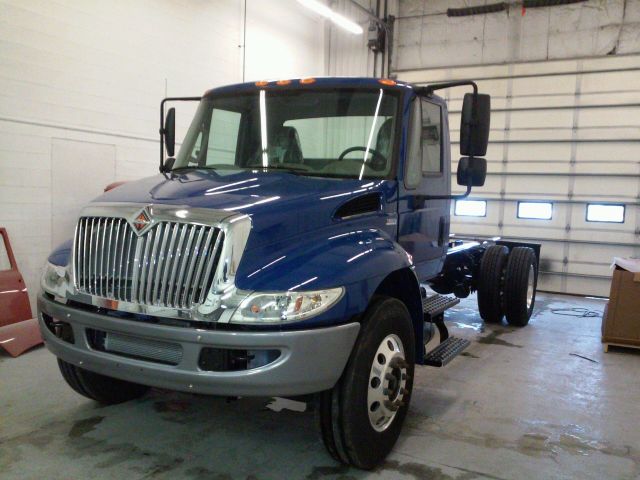
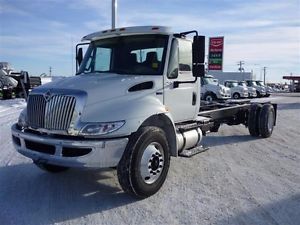
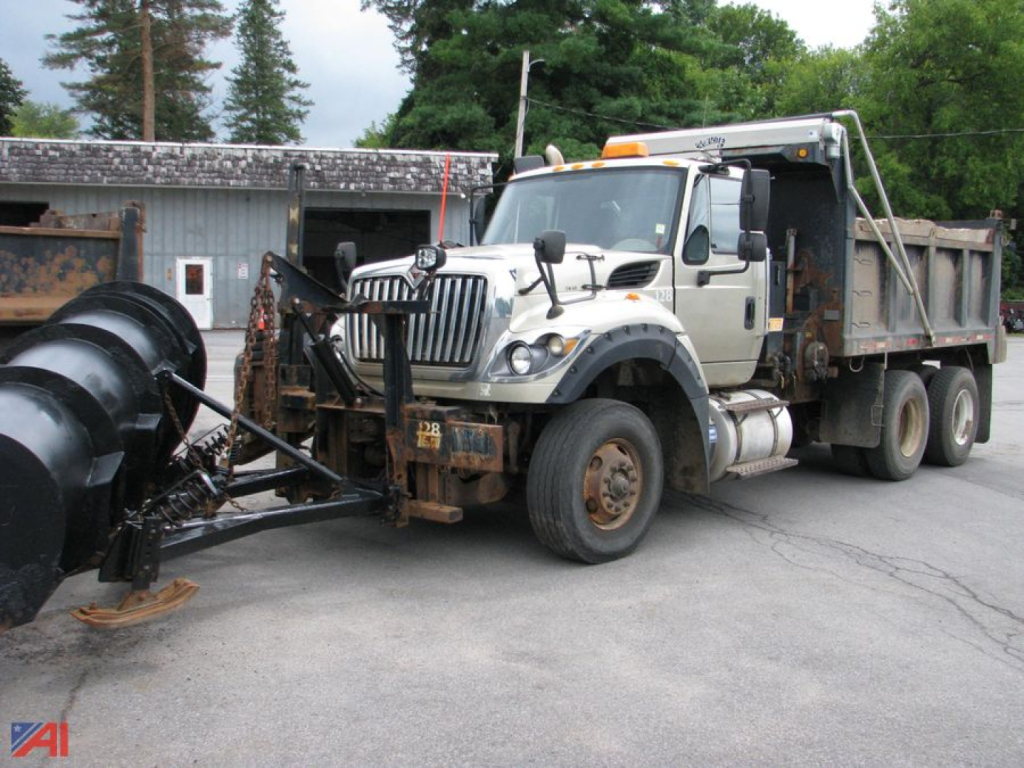
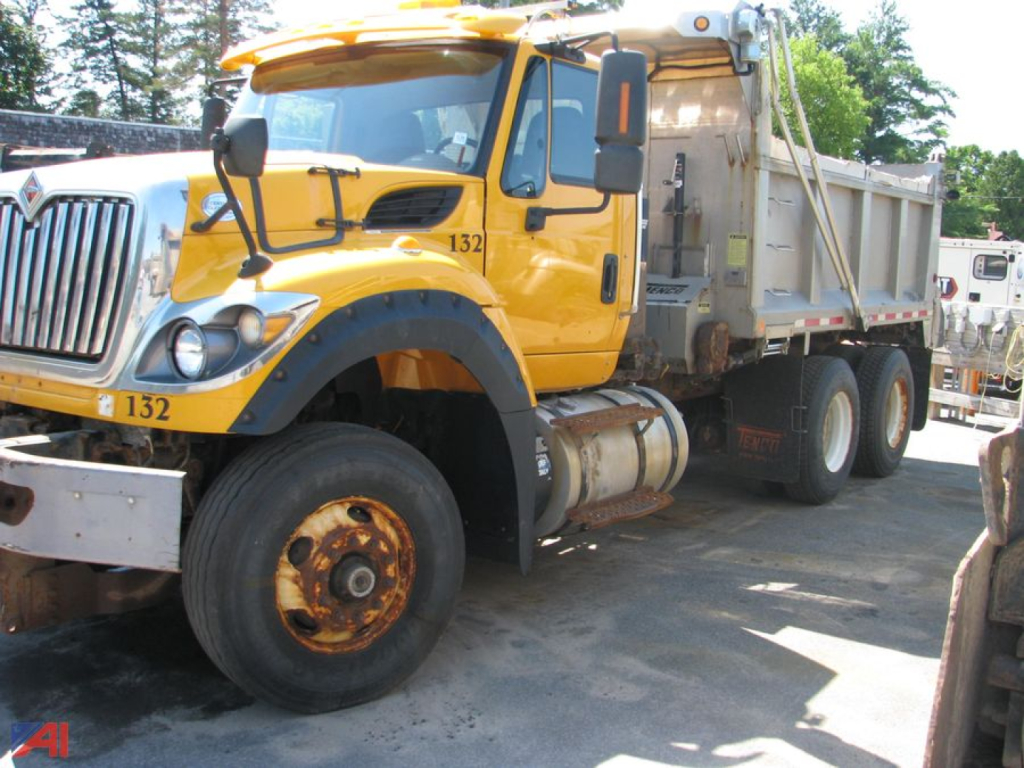
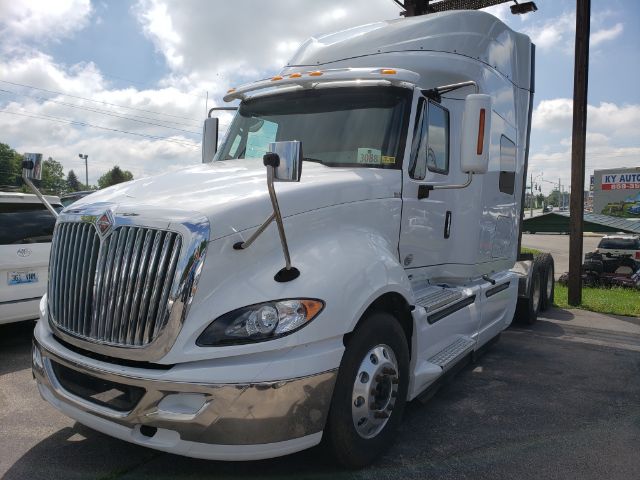

Selling a 2015 international truck? List your 2015 international truck for sale and reach thousands of commercial buyers.
2015 International Trucks
For medium-duty use, many 2015 International trucks are built around diesel engines such as the Cummins ISB or Navistar powerplants, paired with Allison automatic transmissions or manual gearboxes. Buyers typically look closely at GVWR, wheelbase, rear axle rating, suspension type, and body compatibility. A 26-foot van body, liftgate, PTO-driven equipment, or vocational upfit can change the value and usefulness of the truck significantly. If the truck is being used in city routes, stop-and-go applications, or P&D work, transmission type, turning radius, cab access, and brake condition usually matter as much as horsepower.
On the Class 8 side, 2015 International tractors are commonly spec'd as day cabs or sleepers with tandem axles, air ride suspension, and highway gearing intended for regional haul, dedicated lanes, or general freight. Common buyer checkpoints include engine model, emissions history, transmission spec, axle ratio, wheelbase, fifth-wheel setup, and fuel capacity. A lower numerical rear ratio may favor fuel economy on highway runs, while a shorter wheelbase day cab is usually better suited to urban terminals and frequent docking. If the truck has fairings, cab extenders, an air-slide fifth wheel, and integrated driver convenience features, that can signal a fleet-oriented highway spec.
Condition and service history are especially important on 2015 trucks because this is an age range where maintenance discipline starts to separate stronger units from the rest of the market. Buyers should pay attention to DPF and SCR service records, clutch or transmission work, suspension wear, brake life, tire condition, and any signs of hard vocational use. International trucks remain popular because parts availability is generally strong, the cab layouts are straightforward, and there is a broad mix of medium-duty and heavy-duty configurations on the used market. The best buy is usually the truck with the right axle ratings, powertrain, and wheelbase for the intended work, not simply the highest horsepower or lowest price.
Frequently Asked Questions about 2015 International Trucks
What are the most common 2015 International truck models buyers look for?
Common 2015 International trucks include medium-duty models like the 4300 and heavier conventional tractors such as the ProStar, 8600, and other day cab or sleeper configurations. The right model depends on the application. A 4300 is often used for box truck, stake bed, reefer, or service body work, while heavier tandem-axle models are more suitable for regional freight, local tractor duty, or vocational hauling.
What should I check on a 2015 International truck before buying?
The most important checkpoints are engine and emissions system history, transmission condition, axle ratings, suspension type, brake wear, tire condition, and any body or frame modifications. On a 2015 truck, DPF, SCR, EGR, and related emissions maintenance records can be especially important. Buyers should also confirm wheelbase, PTO provisions, fifth-wheel position, and whether the truck's current spec matches the job it will be expected to do.
Are 2015 International trucks good for local delivery and box truck applications?
Yes, many 2015 International medium-duty trucks are well suited for local delivery, municipal work, and route-based operations. Models commonly used as straight trucks can be spec'd with automatic transmissions, air brakes or hydraulic brakes, liftgates, and van bodies in sizes that fit city and regional delivery work. Buyers should focus on GVWR, rear axle capacity, wheelbase, and body condition to make sure the truck will handle payload and route demands.
What engine and transmission combinations are common in 2015 International trucks?
Engine and transmission combinations vary by class and application, but buyers will commonly see Cummins ISB engines in medium-duty trucks and larger-displacement Navistar or Cummins engines in heavier tractors. Allison automatic transmissions are common in medium-duty and vocational applications, while manual and automated manual transmissions are more common in highway tractors. The best combination depends on route profile, driver preference, maintenance practices, and payload requirements.
Is a 2015 International day cab or sleeper better for fleet work?
A day cab is usually the better choice for local, drayage, terminal, and regional operations where maneuverability and lower empty weight matter. A sleeper is better for longer regional runs, team operations, or lanes that keep drivers away overnight. Buyers should compare wheelbase, fuel capacity, fairings, bunk size, and axle ratio because those details often tell more about the truck's intended duty cycle than the cab style alone.