
International Vacuum Trucks For Sale
Browse International vacuum trucks built for sewer cleaning, hydro excavation, and municipal utility work with jetter, combo, and debris body setups.
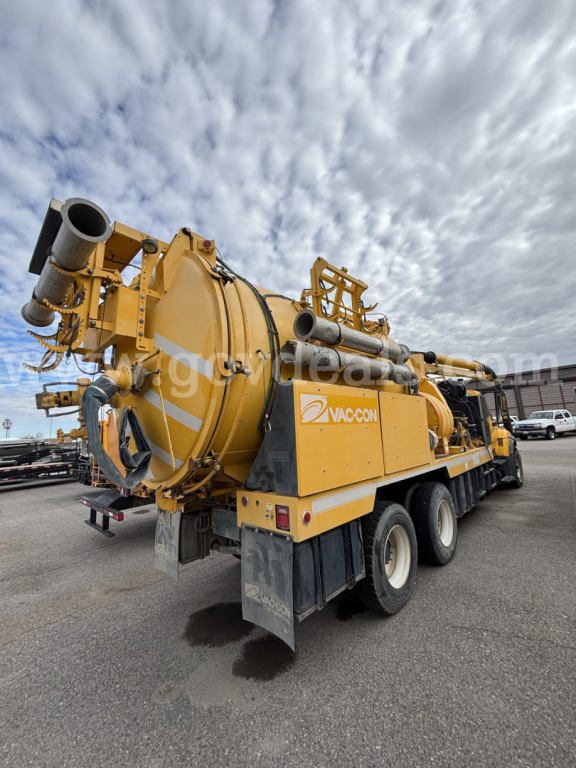
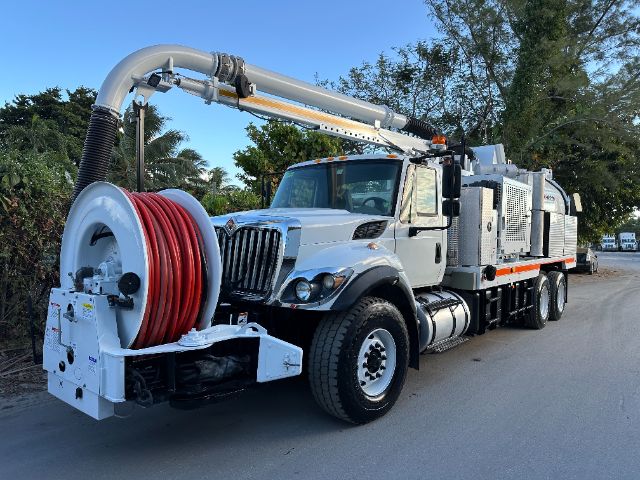
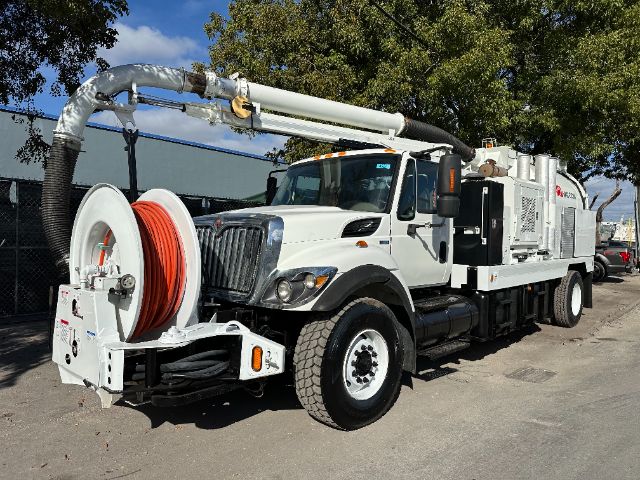
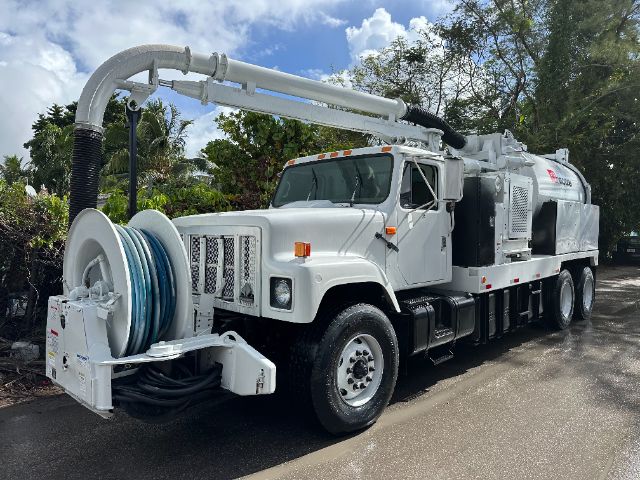
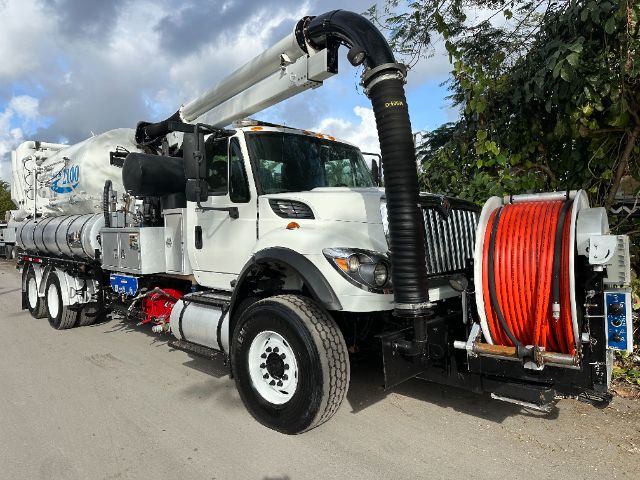
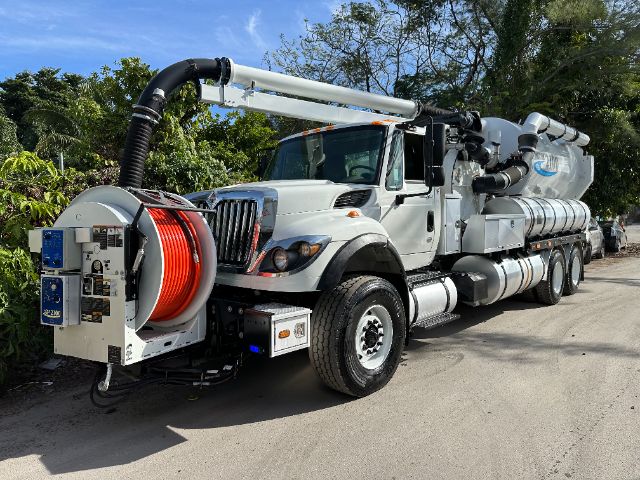
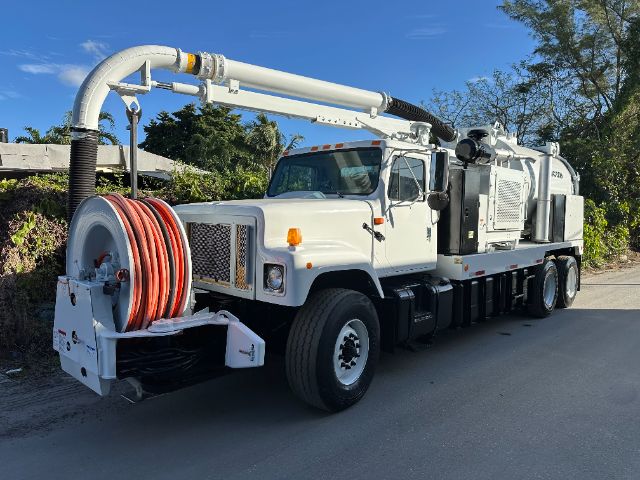
Selling a international vacuum truck? List your international vacuum truck for sale and reach thousands of commercial buyers.
International Vacuum Trucks
The chassis matters as much as the vacuum body. International medium-duty and heavy-duty platforms are often selected for their straightforward vocational layouts, PTO compatibility, and serviceability in municipal and contractor fleets. Common configurations include automatic transmissions, diesel engines in the medium to large displacement range, and tandem or single-axle setups depending on tank capacity and legal payload. A buyer should pay close attention to GVWR, axle ratings, wheelbase, PTO hours, engine hours versus road miles, and the body manufacturer's support network. On used units, total hours and PTO hours can tell a more accurate story than odometer miles alone because many vacuum trucks spend long periods operating stationary equipment.
Body specs are what separate one International vacuum truck from another. Combo units typically pair a debris body in the 8 to 12 yard range with 1,000 to 1,500 gallons of freshwater, plus a high-pressure pump that may run around 60 to 80 GPM at working pressures up to 3,000 PSI. Vacuum performance is driven by the blower, often a Roots-style positive displacement unit, and by the condition of valves, seals, filtration, and the rear door. Buyers should inspect for tank corrosion, subframe damage, rust around the vortex tube or separator, condition of the hydraulic dump system, hose reel operation, and signs of wear in the boom, nozzles, and water pump. If the truck has a pony motor, verify hours, cold-start behavior, and parts support, since that engine can be as important as the chassis engine in daily operation.
Application should drive the purchase decision. For sewer cleaning and catch basin work, a combo jet-vac setup with strong water pressure, adequate debris capacity, and dependable hose handling is usually the priority. For utility excavation support, buyers may focus more on vacuum recovery efficiency, legal axle loading when the tank is full, and maneuverability in tighter streets or job sites. Ex-municipal International vacuum trucks can be attractive because they often follow documented maintenance schedules, but buyers should still inspect braking systems, air systems, electrical controls, interlocks, body hinges, rear door seals, and the full vacuum and jetting circuit under load. A truck that runs and drives well is only part of the equation. On this equipment class, the real value is in the condition and performance of the working system.
Frequently Asked Questions about International Vacuum Trucks
What should I inspect first on a used International vacuum truck?
Start with the vacuum body and support systems before the chassis cosmetics. Tank condition, rear door sealing surfaces, blower performance, water pump output, hydraulic functions, hose reel operation, boom wear, and plumbing integrity usually determine the real cost of ownership. After that, review chassis engine hours, PTO hours, transmission operation, brake system condition, and any signs of frame corrosion or subframe cracking. A vacuum truck can look clean and still need expensive body-side repairs.
What is the difference between a vacuum truck and a combo jet-vac truck?
A standard vacuum truck is built primarily to recover liquids, sludge, slurry, and debris through suction. A combo jet-vac truck adds a high-pressure water system used to break up blockages and flush sewer lines before recovery. For sewer cleaning, storm drain maintenance, and municipal pipe work, combo units are usually more versatile. For simpler recovery work or certain industrial cleanup tasks, a straight vacuum configuration may be enough.
Why do PTO hours matter on International vacuum trucks?
PTO hours show how long the truck has been operating the vacuum, blower, pump, or hydraulic systems, and that can be more important than mileage. Many vacuum trucks spend much of their life parked at a work site while the body systems run continuously. A unit with moderate miles but very high PTO hours may have significant wear in the blower, pump, hydraulic components, and pony motor. Buyers should compare odometer miles, engine hours, and PTO hours together rather than relying on one number.
Which International models are common for vacuum truck applications?
International 4300, 7400, 7500, and comparable vocational chassis are common in this category. The 4300 is more typical for lighter medium-duty applications, while 7400 and 7500 trucks are more often used for heavier combo sewer cleaners and larger debris bodies. The right model depends on tank size, axle requirements, intended payload, and how much water and debris the operation needs to carry legally.
Are ex-municipal International vacuum trucks a good buy?
They can be, especially when maintenance records are available and the truck was operated on a scheduled fleet program. Municipal units often have known service histories and vocational upfits from established body manufacturers such as Vac-Con and similar brands. The tradeoff is that many have high idle time, significant PTO use, and corrosion from water, sludge, and chemical exposure. A pre-purchase inspection should include the complete vacuum and jetting system, not just the chassis drivetrain.