
International Vacuum Trucks For Sale in Florida
Shop International vacuum trucks for sewer cleaning, hydro excavation, and municipal work with combo jetter, debris body, and PTO options.
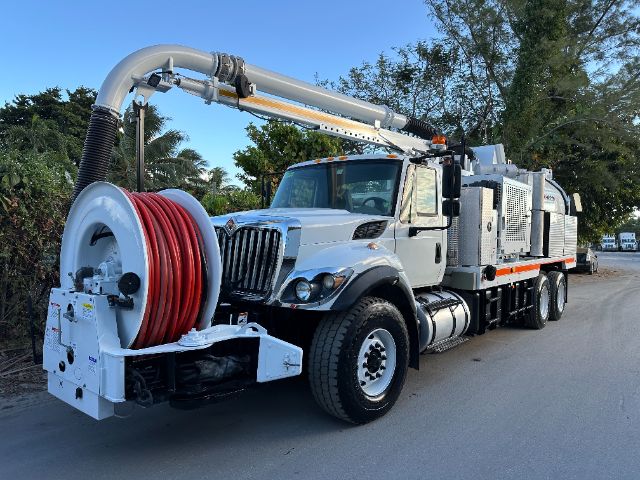
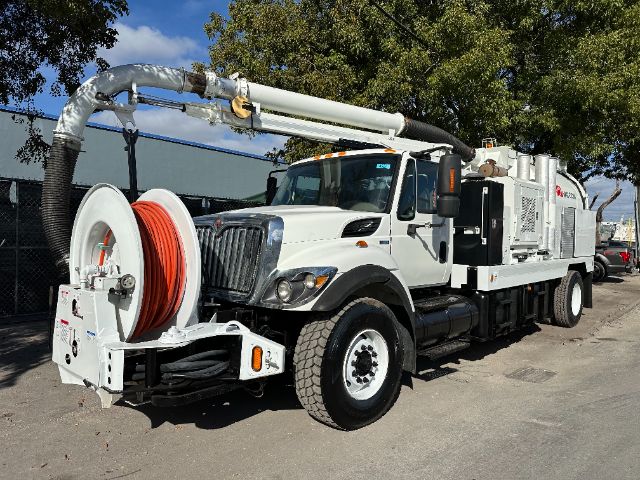
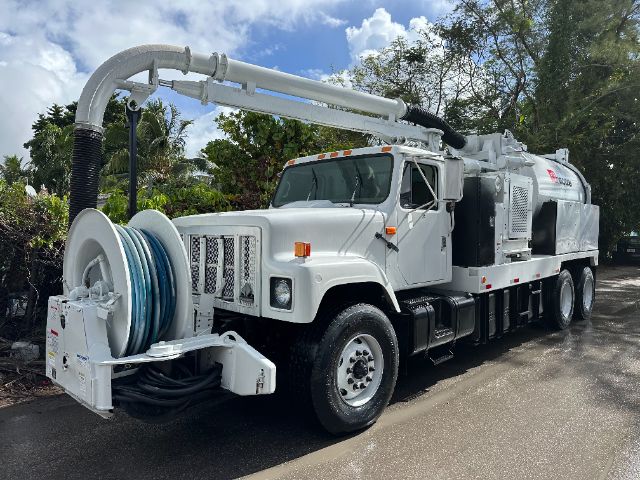
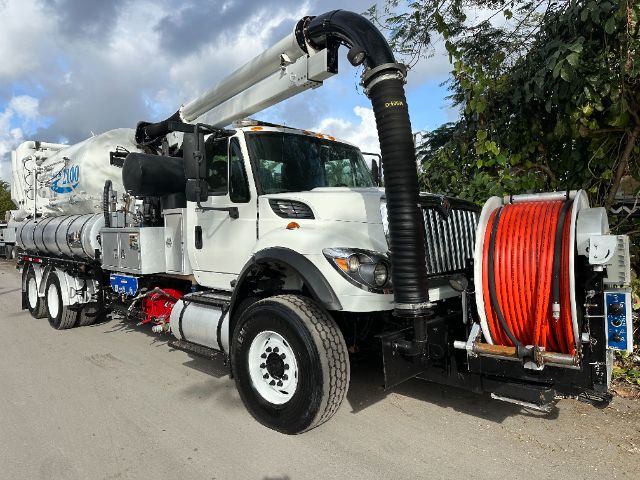
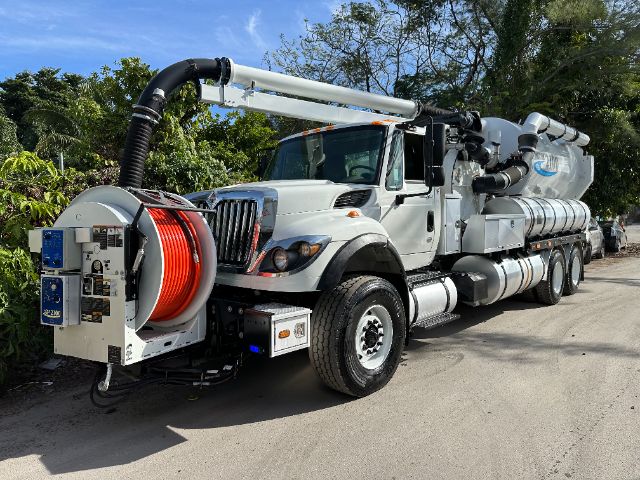
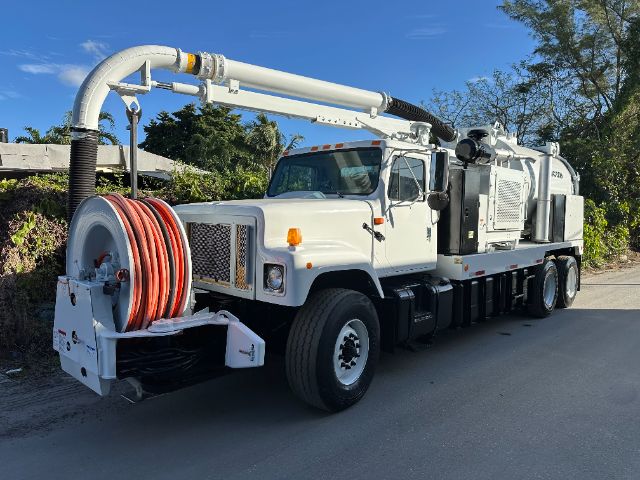
Selling a international vacuum truck? List your international vacuum truck for sale and reach thousands of commercial buyers.
International Vacuum Trucks in Florida
The main buying decision is usually the body and vacuum system, not just the cab and chassis. Common specs in this class include 12-yard debris bodies, fresh water capacity around 1,300 to 1,500 gallons, and high-pressure water systems in the 60 to 80 GPM range at roughly 2,000 to 3,000 PSI. Many units use Roots positive displacement blowers and separate pony motors or PTO arrangements to run the vacuum and jetting package. A hydraulic dump body, hydraulic rear door locks and release, and hose reel setup are standard features buyers should expect on a productive combo unit. On used trucks, blower hours, engine PTO hours, and overall body condition matter as much as mileage.
For Florida buyers, corrosion exposure, pump condition, hose reel wear, and water system integrity deserve close attention. Vacuum trucks working in coastal or humid environments can show accelerated wear on valves, plumbing, electrical connections, and body seams. Ex-municipal units are common in this category and can be a strong value when maintenance records are available, but it is smart to inspect the debris tank, rear door seal, boom structure if equipped, and any evidence of hydraulic leaks or frame stress. Tire condition and brake performance also matter because these trucks spend their lives carrying shifting, high-weight loads.
International chassis are generally favored in this segment for straightforward serviceability, automatic transmission availability, and good compatibility with sewer and vacuum body manufacturers. Buyers comparing units should focus on axle ratings, GVWR, suspension type, engine model, and the condition of the mounted equipment package. A truck with lower miles can still be the wrong fit if the vacuum blower, jetter pump, and tank systems are near overhaul intervals. The best value usually comes from matching the truck’s water capacity, debris volume, and pressure-flow output to the actual work, whether that means municipal sewer cleaning, storm drain maintenance, septic service, or industrial vacuum recovery.
Frequently Asked Questions about International Vacuum Trucks in Florida
What is the difference between a vacuum truck and a vacuum jetter combo truck?
A standard vacuum truck is designed primarily to suction and contain liquids, sludge, slurry, or debris. A vacuum jetter combo truck adds a high-pressure water system so the operator can break up blockages and flush lines before or during vacuum recovery. For sewer and storm drain work, the combo configuration is usually more versatile because one truck can both clean and remove material.
What specs matter most when buying an International vacuum truck?
The most important specs are debris body capacity, fresh water capacity, blower type, jetter pump output, axle ratings, and the power source for the vacuum system. Buyers should also compare engine PTO hours, total equipment hours, transmission type, and the condition of the hydraulics. On a used vacuum truck, the mounted equipment package often determines the truck’s true value more than the chassis mileage alone.
Are International 7400 and 7500 chassis good for vacuum truck applications?
Yes. International 7400 and 7500 models are widely used in vocational service because they are built for heavy upfits and demanding stop-and-go work. They are commonly paired with Vactor, Vac-Con, and similar sewer cleaning or industrial vacuum bodies. Their appeal comes from solid frame capacity, diesel engine options, and broad parts and service support in many markets.
What should I inspect first on a used vacuum truck in Florida?
Start with the debris tank, rear door seals, hydraulic cylinders, blower condition, and water system components. In Florida, humidity and salt exposure can speed up corrosion on plumbing, electrical connections, tank seams, and underbody components. It is also important to inspect hose reels, pump output, PTO engagement, and any signs of frame fatigue from repeated heavy-load operation.
Are ex-municipal vacuum trucks a good buy?
They can be, especially when the service history is documented and the truck has been maintained on schedule. Municipal units are often serviced regularly and may have lower annual miles than privately operated trucks, but they can also accumulate high idle time, PTO hours, and body wear from repetitive duty cycles. The best approach is to evaluate maintenance records together with a full inspection of the vacuum, jetting, hydraulic, and tank systems.